
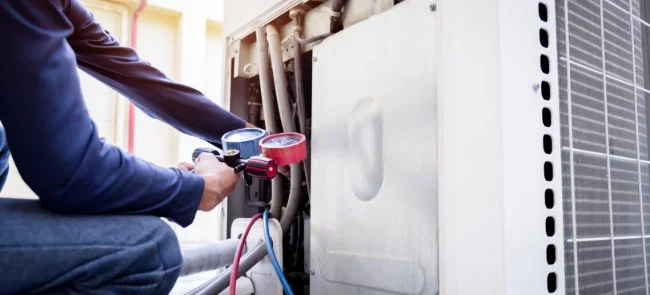
Air conditioners are a staple of home comfort, especially during hot seasons, but even the best systems can encounter problems. Being able to identify and address these common issues early can save you from costly repairs and uncomfortable days. Below are the most frequent AC problems you might face, alongside practical solutions to help keep your unit functioning efficiently.
Poor Cooling Performance
If your AC is struggling to cool your home effectively, there are a few potential culprits to examine. Start with the thermostat—ensure it’s set to cooling mode and that the temperature is correctly adjusted. If the thermostat is fine, check the air filter. Filters that are clogged with dust and debris obstruct airflow, significantly reducing efficiency. Changing the filter regularly, about once every 1-3 months, depending on usage, can prevent this issue. If the problem persists, the refrigerant level might be low due to a leak. Signs of low refrigerant include ice forming on the coils or warm air blowing from the vents. Low refrigerant isn’t something you can fix on your own; you’ll need an HVAC professional to locate the leak, fix it, and recharge the system.
AC Won’t Turn On
When your air conditioner refuses to power on, the issue could range from simple to more serious. Begin by inspecting your circuit breaker panel—if the AC breaker has tripped, simply reset it. Also, check the thermostat batteries, as dead batteries can sometimes be the culprit. If these quick checks don’t solve the issue, it may point to a more significant problem, such as a faulty capacitor or damaged wiring. Capacitors start the AC motor, so if they fail, your unit won’t switch on. Electrical issues should always be handled by a professional to avoid potential safety risks and further damage to the system.
Strange Noises
Air conditioners are designed to operate quietly, so any unusual sounds are a clear sign of trouble. Different noises can indicate different problems—for example, banging might mean a loose or broken part rattling inside the system, while a buzzing sound could signify an electrical issue like a failing motor. Hissing noises, meanwhile, often suggest a refrigerant leak, which can compromise your AC's efficiency and harm the environment. If you notice such sounds, turn off the system immediately to prevent further damage. Document the noise you hear and contact a professional technician to diagnose and resolve the issue.
Water Leaks Around the Unit
It’s not uncommon for water to pool around your AC unit, especially in humid regions, but it still signals a problem. The most likely cause is a clogged condensate drain line, which can block proper drainage. To address this, you can try using a wet/dry vacuum or flushing the line with vinegar and water solution to clear the clog. However, if water continues to leak, it might indicate a cracked drain pan or improper installation of the drain line. These situations often require professional assistance to repair the damage and prevent further issues, such as mold growth or structural water damage.
Weak or No Airflow
If your AC is running but little to no air is coming from the vents, it can make your system work harder than it should, leading to higher energy bills and a less comfortable home. Begin by checking the air filter—dirty filters can disrupt airflow and overstrain the system. Replace the filter if necessary. Next, ensure that all air vents in your home are open and free of obstructions such as furniture or drapes. Weak airflow could also indicate leaks or blockages in the ductwork. A professional HVAC technician has the tools to inspect your ducts for damage and seal any leaks, ensuring consistent airflow throughout your home.
Foul Odors Coming from the Unit
An unpleasant smell coming from your air conditioning system is typically a sign of mold or bacterial growth inside the unit or ductwork. Mold can accumulate on the evaporator coil due to excessive moisture or on the duct walls if moisture isn’t properly managed. If you encounter this issue, start by thoroughly cleaning around the unit and replacing or washing reusable filters. For persistent odors, it might be necessary to schedule a professional cleaning. Technicians can treat the system with antimicrobial solutions and inspect your ducts for mold, ensuring both clean air and a more pleasant home environment.
Regular maintenance, including cleaning and servicing your AC, can help you avoid many of these issues. Neglecting minor problems often leads to major breakdowns, so don’t hesitate to reach out to a specialist if needed. By addressing small concerns early, you can enjoy a reliable, efficient cooling system all season long.