

A resource for those seeking information on organizing and transforming spaces.

How to Identify Off-Market Real Estate Deals in Your Area?
Embarking on the journey of real estate investment often involves more than perusing the familiar listings on public platforms. The savvy investor understands the allure and potential in off-market real estate deals – those hidden gems not readily available to the general public. In this guide, we'll unravel the secrets to identifying these elusive opportunities right in your local area. Beyond the well-trodden paths of conventional listings, off-market transactions offer a realm of exclusivity and potential value. Whether you're a seasoned investor or just stepping into the real estate arena, discovering how to navigate this concealed landscape can be a game-changer. Join us as we delve into actionable strategies, empowering you to unlock the doors to off-market real estate deals in your neighborhood.
Embarking on the journey of real estate investment often involves more than perusing the familiar listings on public platforms. The savvy investor understands the allure and potential in off-market real estate deals – those hidden gems not readily available to the general public. In this guide, we'll unravel the secrets to identifying these elusive opportunities right in your local area. Beyond the well-trodden paths of conventional listings, off-market transactions offer a realm of exclusivity and potential value. Whether you're a seasoned investor or just stepping into the real estate arena, discovering how to navigate this concealed landscape can be a game-changer. Join us as we delve into actionable strategies, empowering you to unlock the doors to off-market real estate deals in your neighborhood.
1. Forge Strong Relationships
Building a robust network within the real estate community is your first step towards uncovering off-market deals. Cultivate relationships with local real estate agents, brokers, and professionals. Attend industry events, networking meetups, and engage in online forums where insiders share valuable insights. Often, it's through these connections that whispers of off-market opportunities are first heard.
2. Direct Outreach to Property Owners
Take the proactive approach of reaching out directly to property owners. Craft personalized letters expressing your genuine interest in purchasing their property. This direct communication can lead to fruitful conversations and may unveil off-market opportunities that owners are willing to explore discreetly.
3. Leverage Technology
In the digital age, technology plays a pivotal role in unearthing off-market deals. Explore online platforms and websites designed specifically for off-market listings. Some platforms cater exclusively to properties not listed on traditional channels, offering a pool of unique opportunities for astute investors.
4. Attend Local Real Estate Auctions
Keep a keen eye on local real estate auctions. Distressed properties or those with motivated sellers often find their way to auctions, presenting a potential goldmine for off-market deals. Attend these events, establish contacts, and be ready to seize opportunities that may not make it to the conventional market.
5. Collaborate with Wholesalers
Real estate wholesalers specialize in connecting buyers with off-market properties. Establish connections with wholesalers in your area who have insights into distressed properties or motivated sellers. Collaborating with these intermediaries can provide a direct link to exclusive off-market opportunities tailored to your investment goals.
6. Network in the Community
Become an active participant in your local community. Attend neighborhood meetings, join community groups, and establish yourself as a real estate enthusiast. Often, word-of-mouth within the community can lead to off-market opportunities as residents may know of properties not formally listed for sale.
7. Monitor Foreclosure Listings
Keep an eye on foreclosure listings in your area. Distressed properties in pre-foreclosure or foreclosure stages are potential candidates for off-market deals. Establish contacts with homeowners facing foreclosure, as they might be open to off-market transactions to alleviate their financial burden.
8. Engage in Door-Knocking
Traditional yet effective, door-knocking involves physically visiting properties and engaging with homeowners. This personal touch can uncover potential off-market opportunities, especially if homeowners are considering a sale but haven't yet listed their property publicly.
9. Subscribe to Local Publications
Subscribe to local real estate publications and newsletters. These often contain insights into market trends, upcoming developments, and hidden opportunities that may not be widely known. Staying informed through these channels can give you a competitive edge in identifying off-market deals.
10. Network with Attorneys and Probate Specialists
Attorneys and probate specialists often have insights into properties that are not publicly listed. Establish connections within this professional network, as they may be aware of off-market opportunities arising from legal processes, inheritances, or probate situations.
Conclusion
Navigating the realm of off-market real estate deals requires a strategic blend of networking, technology, and proactive engagement. By forging strong relationships within the real estate community, leveraging technology platforms dedicated to off-market listings, and exploring unconventional avenues like local auctions or door-knocking, you position yourself to uncover hidden opportunities. Remember, the key to success lies not just in the listings but in the relationships you cultivate and the creative approaches you employ. So, as you embark on the journey of identifying off-market deals in your area, embrace the thrill of uncovering exclusive opportunities that may not be visible to the wider market. With persistence, an open mind, and the right strategies, you'll find yourself on the path to securing off-market real estate deals that others might overlook. Happy hunting!

Find Your Dream Property: A How-To Guide
Are you feeling excited but overwhelmed at the thought of buying your dream property? You are not alone. Finding the perfect home can be a daunting task, especially with so many options and factors to consider. However, fret not, because this how-to guide is here to help make your journey towards finding your dream property easier and more fulfilling.
Are you feeling excited but overwhelmed at the thought of buying your dream property? You are not alone. Finding the perfect home can be a daunting task, especially with so many options and factors to consider. However, fret not, because this how-to guide is here to help make your journey towards finding your dream property easier and more fulfilling.
Whether you are a first-time buyer or looking for an upgrade, this blog post will provide valuable insights and tips on navigating through the overwhelming process of real estate. With a positive tone and resources aplenty, we aim to make your search for the ideal property an exciting adventure rather than a stressful chore.
Determine your budget and needs
Are you in the market for a new property but not sure where to start? The first step is determining your budget and needs. It's important to figure out how much you can realistically afford to spend on a new property, while also considering what features and amenities are a necessity for your lifestyle.
Do you need a large backyard for your pets or children? Are you looking for an open-concept kitchen for entertaining? Consider your current and future needs, as well as any potential resale value. Taking the time to determine your budget and needs will make the property search process more focused and efficient, ultimately leading to a successful purchase.
Utilize online resources
When it comes to searching for available properties, utilizing online resources can be a game-changer. Thanks to the internet, you have access to a wealth of valuable information right at your fingertips. Online listings can provide you with details on everything from the square footage of a property to its exact location on a map. Plus, you can often view photos and virtual tours of available properties, giving you a much better sense of what they actually look like.
Best of all, you can search for properties at any time of the day or night, from the comfort of your own home. With the power of online resources, finding your dream property has never been easier. The folks at samuirealty.com note that there are websites that specialize in helping clients buy or sell their dream properties. These sites can provide targeted searches and personalized recommendations based on your budget and needs.
Research popular neighborhoods
Finding the perfect neighborhood can be a daunting task, but with a little research, you can narrow down your options. Start by thinking about your criteria: do you want to live in a bustling downtown area or a quiet suburb? Do you prefer a neighborhood with lots of shopping and dining options or one with plenty of green spaces for outdoor activities?
Once you have a sense of what you're looking for, hop online and start exploring popular areas that fit your criteria. Look for neighborhoods with high walkability scores, good schools, and low crime rates. Don't forget to check out local bloggers and social media influencers for insider tips and recommendations. With a little legwork, you'll be well on your way to finding the perfect place to call home.
Attend open houses and schedule private showings
Shopping for a home can be both exciting and overwhelming, but attending open houses and scheduling private showings are crucial steps toward finding the perfect place. Open houses offer a great opportunity to get a sense of the property's layout, size, and overall feel without the pressure of a private showing.
However, private showings allow for a more personalized experience, giving you the chance to ask specific questions and view the property more closely. By taking advantage of both options, you'll be able to gather all the necessary information to make an informed decision about your future home.
Factor in maintenance costs and future resale value

Making a decision requires weighing all the pros and cons, especially when it comes to big investments like property. In addition to the purchase price, it's essential to factor in ongoing maintenance costs and potential resale value when considering a property.
If you're purchasing an older home, be sure to budget for any necessary repairs or updates that may arise. And if you're planning on eventually selling the property, keep in mind what features and amenities are desirable for potential buyers in your area. A little foresight can go a long way in ensuring your dream property remains a valuable asset for years to come.
In conclusion, finding your dream property is a process that requires careful consideration and planning. By determining your budget and needs, researching popular neighborhoods and utilizing online resources, attending open houses, and considering hiring a real estate agent, you can narrow down your options to find the perfect fit. Don’t be afraid to negotiate on price or ask for repairs/updates, but also keep an eye out for any potential red flags during the viewing process. And most importantly, take your time to ensure that you’re making a decision that will not only fulfill your current needs but also provide long-term satisfaction and financial security.
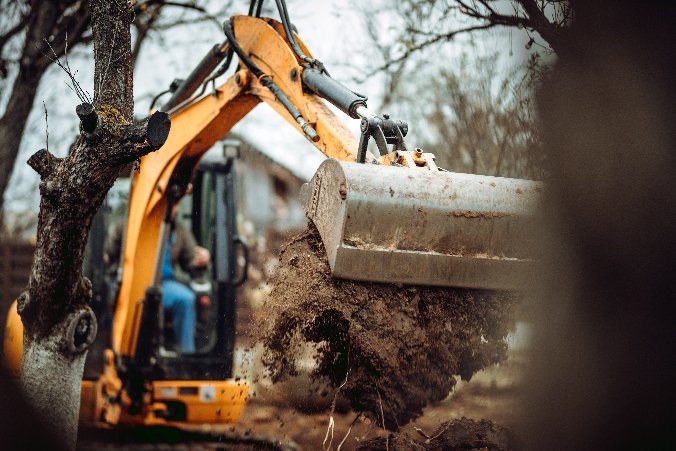
Digging Out a Basement? 6 Keys to Doing the Job Right
Digging out a basement can be a big project. But with the right tools and a good plan, it's definitely manageable. Before you start, though, you'll need to do some research to ensure that you are properly equipped and prepared for the task at hand. In this post, we'll go over five keys to digging out a basement correctly. Let's get started!
Digging out a basement can be a big project. But with the right tools and a good plan, it's definitely manageable. Before you start, though, you'll need to do some research to ensure that you are properly equipped and prepared for the task at hand. In this post, we'll go over five keys to digging out a basement correctly. Let's get started!
Determine the Right Layout
Before you start digging, it's essential to understand your basement's layout. You'll need to plan for any necessary changes, such as rearranging pipes and ducts. Make sure to take measurements accurately, including ceiling height. This planning phase will ensure that your project runs smoothly and efficiently.
When planning for your basement layout, it's important to consider what you want to use the space for. Are you looking to create a home gym, a spare bedroom, or a family room? Determining the purpose of your basement will help guide your layout decisions. For example, if you plan on using the space as a home gym, you may want to have more open space for equipment, while a spare bedroom may require more walls and storage. Take the time to think about your needs and wants for the basement to create a layout that best suits your vision.
Check for Water
Before you start digging, you'll also want to check for water around your foundation. If there is water, you'll want to install a sump pump, waterproof your walls, or find another solution to protect your basement from water damage.
Water can cause a variety of problems in your basement if not properly addressed. It can lead to mold and mildew growth, which can be harmful to your health and damage any furniture or belongings stored in the space. Water can also weaken the foundation of your home, leading to structural issues and potentially costly repairs. Before you start digging out your basement, make sure to address any water issues to prevent these problems from occurring.
Get the Right Equipment
Digging out a basement requires several specialized tools such as an excavator, a dump truck, and concrete saws. You'll also need hand tools, safety equipment, and a permit if required in your city. Before starting, make sure you have all necessary equipment to complete the project.
You can find the necessary equipment for digging out a basement at your local hardware store or by renting from a construction equipment rental company. Make sure to do your research and compare prices to find the best option for your needs and budget. It's also essential to ensure that all equipment is in good working condition before starting the project, as any malfunctions or breakdowns can significantly delay progress and increase costs.
Manage Debris
Once removed, the excavated soil, rocks, and other debris must be handled correctly. You'll need to haul off the waste and dispose of it properly. This step alone can make digging out a basement a daunting task, so be sure to keep it in mind before you start.
Depending on the size and scope of your project, you may need to rent a roll-off dumpster or hire a professional hauling company to remove the debris. Make sure to research local regulations for disposing of construction waste to ensure you are following proper procedures. It's also important to consider any additional costs associated with debris removal when budgeting for your basement digging project.
Think About Access
You'll also need to consider how to get materials in and out of your basement. If it's an add-on, larger equipment may not fit around your house to enter your basement. You'll need to plan to transport these items through your house. It may be necessary to schedule a door or wall removal to accommodate large pieces of machinery.
If you don't plan ahead for your basement digging project, you may face numerous issues and delays. Without proper planning, you may not have the necessary equipment or permits, resulting in a halt to your project. You could also encounter unexpected obstacles, like structural issues, that require additional time and resources to address. It's crucial to take the time to carefully plan and research before starting any digging project to avoid these potential roadblocks. By doing so, you can save yourself time, money, and unnecessary stress in the long run.
When in Doubt, Call in the Pros
There are some jobs that are best left to the professionals, and digging out a basement may be one of them. If you are unsure of your ability to complete the project safely and correctly or if it seems overwhelming, don't hesitate to call in professional contractors, such as one at Kee Constructionn. They have the experience, knowledge, and equipment to get the job done right while avoiding any potential issues or complications. While it may be an added expense, hiring professionals can save you time, stress, and potential costly mistakes.
Digging out your basement should not be considered a DIY project without proper research and planning. In this post, we've listed the five most vital keys to digging out a basement correctly, including layout, water checks, equipment requirements, managing debris, and accessibility. You can use this guide as a starting point for your project and keep in mind that safety must always come first. Contact professional excavation services if you feel unsure about your capabilities, or face unforeseen issues. Following all of these tips can ensure a successful basement digging with minimal stress and delays.

7 Essential Elements for a Beautiful and Enchanting Garden Space
Welcome to the world of gardening and creating a beautiful outdoor space that will leave you feeling refreshed, rejuvenated, and inspired. Whether you are a seasoned gardener or just starting, there is no denying the magic and wonder that comes with cultivating your little oasis. From stunning flowers to delicious vegetables, a garden can enhance our lives in so many ways – mentally, physically, and emotionally.
We partnered with an home improvement company for this post. The opinions in the post are honest. All reviews and opinions expressed in this post are based on our personal views. We are excited because we know you will love it.
Welcome to the world of gardening and creating a beautiful outdoor space that will leave you feeling refreshed, rejuvenated, and inspired. Whether you are a seasoned gardener or just starting, there is no denying the magic and wonder that comes with cultivating your little oasis. From stunning flowers to delicious vegetables, a garden can enhance our lives in so many ways – mentally, physically, and emotionally.
But what makes a garden truly enchanting? In this blog post, we will dive into 7 essential elements that will help you transform your garden from ordinary to extraordinary. So grab your gardening gloves and get ready to create a space where dreams bloom and nature thrives!
The importance of a well-maintained outdoor space for both aesthetic and financial value
Before we get into the key elements of a beautiful garden, let's first understand why having a well-maintained outdoor space is important. Not only does a gorgeous garden add to the overall aesthetic of your home, but it also adds significant financial value. According to a study by Clemson University, a well-landscaped yard can increase the value of a home by as much as 11%. This makes gardening not only a fulfilling hobby but also a smart investment.
Don't forget about lighting for nighttime charm
One often overlooked element of a beautiful garden is lighting. Many people focus solely on how their garden looks during the day, but what about at night? Adding some outdoor lighting can bring your garden to life after sunset and create a cozy and enchanting atmosphere.
Consider using string lights, lanterns, or even solar-powered LED lights to add a touch of magic to your garden space. With LED illuminated side and end tables, you'll also be able to enjoy a glass of wine or a good book in the garden long after the sun goes down. Also, don't forget to highlight specific areas of your garden with spotlights or uplighting to add depth and drama.
Choose the right plants for your climate and soil type
When it comes to gardening, choosing the right plants for your specific climate and soil type is crucial. Not all plants thrive in all environments, so it's essential to do some research or consult with a local garden center before making any purchases. Consider native plants as they are well-adapted to your climate and require less water and maintenance. Also, don't be afraid to mix and match different types of plants to create a visually appealing and diverse garden.
Add hardscapes for texture and visual interest
In addition to plants, incorporating hardscapes into your garden can add a whole new dimension of texture and visual interest. This includes elements such as pathways, patios, decks, water features, and seating areas. Not only do these structures enhance the overall look of your garden, but they also provide functional spaces for relaxation and entertainment.
Here's where outdoor saunas come into play. Outdoor saunas are an addition that enriches the value and functionality of your outdoor space and contributes to your health and well-being. They can be a luxurious addition to your garden, providing a place to relax and rejuvenate amidst the tranquillity of your outdoor space.
Incorporate water features for a soothing ambiance
The sound of running water can have a calming effect on our minds and bodies, making it an excellent addition to any garden. Whether it's a small fountain or a larger pond, the gentle flow of water can create a tranquil and peaceful atmosphere in your outdoor space. Plus, water features also attract birds and other wildlife, adding even more life to your garden.
Utilize vertical space with trellises or pergolas
Make use of vertical space in your garden by incorporating trellises or pergolas. These structures not only add visual interest but also provide support for climbing plants such as vines, roses, and clematis. This adds another layer to your garden and maximizes the use of limited space.
Maintain your garden regularly for long-lasting beauty

Last but not least, maintaining your garden regularly is essential for keeping it looking beautiful and enchanting. This includes things like watering, weeding, pruning, and fertilizing. By staying on top of these maintenance tasks, you can ensure that your garden remains healthy and vibrant for years to come. Also, don't be afraid to change things up and experiment with different plants or design elements. Gardening is an ever-evolving process, so have fun and let your creativity bloom!
In conclusion, creating an enchanting garden is more than just planting beautiful flowers or lush greenery. It's about crafting a space that harmonizes with your lifestyle, aesthetic preferences, and the local environment.
By prioritizing regular maintenance, incorporating elements like hardscapes and water features, utilizing vertical space, choosing the right plants for your environment, and ensuring appropriate lighting, you are setting the stage for a garden that's not only visually appealing but also boosts property value. Remember, a garden is a living, breathing artwork - let it reflect your personality and become your sanctuary. Happy gardening!

