

A resource for those seeking information on organizing and transforming spaces.

How to Execute a Successful Renovation on a Budget
Are you dreaming of a new and updated living space, but your budget seems to be holding you back? Or maybe the idea of tackling a renovation project is overwhelming and you're not sure where to start. Well, fear not because in this guide we will share with you our top tips on how to execute a successful renovation on a budget. Whether it's giving your kitchen a much-needed makeover or finally creating that luxurious spa-like bathroom, we understand the desire for an upgraded home without breaking the bank.
Are you dreaming of a new and updated living space, but your budget seems to be holding you back? Or maybe the idea of tackling a renovation project is overwhelming and you're not sure where to start. Well, fear not because in this guide we will share with you our top tips on how to execute a successful renovation on a budget. Whether it's giving your kitchen a much-needed makeover or finally creating that luxurious spa-like bathroom, we understand the desire for an upgraded home without breaking the bank.
And believe it or not, it is possible! So grab your hammer and paintbrush and get ready to transform your living space into something both functional and stylish - all within your financial means. Renovations can be daunting but with the right strategy, planning, and execution, you'll soon have the home of your dreams without going over budget.
Dealing with Trash on a Tight Budget
A significant yet often overlooked aspect of home renovation is waste management. As you revamp your space, you'll inevitably generate a substantial amount of trash - old fixtures, scraps of wood, torn wallpaper - the list goes on. If not properly planned, this could lead to unexpected costs. So, how do you handle trash on a tight budget? Do you get a local dumpster service or try to dispose of it yourself? Services such as Bin There Dump That dumpster rental Virginia beach offer affordable dumpster options for your renovation needs. But if you prefer a more cost-effective approach, consider reusing or repurposing materials from your old fixtures. For example, old cabinets can be transformed into floating shelves, and wood scraps can be used for DIY projects such as picture frames or headboards.
Budgeting Basics
To effectively manage a renovation project within your budget, a detailed and realistic budget plan is crucial. Start by identifying the scope of your project - decide what needs to be done and list down all the tasks including small details. Next, estimate the cost for each task, taking into account materials, labor, and any unexpected expenses that might arise.
Don’t forget to include the cost of waste management solutions, too. It's recommended to add a contingency of around 10-20% to your budget for unforeseen costs. Keep track of all expenditures as the renovation progresses and continuously compare these with your set budget. By doing so, you can detect any deviations early on and make necessary adjustments. Diligent budgeting doesn't mean cheapening out on everything; it's about making smart decisions that maximize value without compromising the quality of your renovation.
Researching Affordable Materials and Finishes
A significant portion of your renovation budget will be allocated towards materials and finishes. Thus, researching affordable yet quality options is key to keeping your expenses within control. Start by exploring local home improvement stores, online e-commerce platforms, and even discount outlets for cost-effective materials. Buying in bulk or during sales can also lead to considerable savings.
When selecting materials, consider longevity and ease of maintenance. For example, laminate flooring or quartz countertops can be more durable and less expensive than hardwood or marble, while offering a similar aesthetic appeal. Similarly, repainting cabinets or replacing hardware can freshen up a kitchen without the need for costly replacements.
Remember, being affordable doesn't necessarily mean settling for the cheapest option. The goal is to find materials that offer the best value for your money. Taking the time to shop around, compare prices, and even negotiate can lead to substantial savings and help you stay within your budget without compromising on quality.
DIY vs. Professional Services

When planning your renovation project, another critical decision you'll have to make is whether to do it yourself (DIY) or hire professional services. Both options have their merits and drawbacks, and your choice significantly impacts your budget and the work's quality.
DIY can be a cost-effective choice, especially for simple tasks such as painting walls or installing new fixtures. If you're handy and willing to put in the effort, you can save a considerable amount on labor costs. Plus, there's a certain satisfaction in accomplishing a project with your own two hands. However, it's important to understand your limitations. Tasks that require specialized skills like plumbing, electrical work, or structural modifications can be risky if you lack the necessary expertise. Mistakes can lead to costly repairs, negating any savings you might have made.
Hiring professional services, on the other hand, might seem more expensive initially, but it can provide value for your money in the long run. Professionals bring their experience and expertise to the table, ensuring the work is done correctly and to a high standard. They can also handle complex tasks more efficiently and safely than an inexperienced homeowner.
In conclusion, a successful renovation on a budget requires careful planning, smart decision-making, and a willingness to be flexible. With these tips in mind, you can turn your dream home into reality without breaking the bank. Remember to prioritize your needs and wants research affordable options, and stay diligent with budget management.
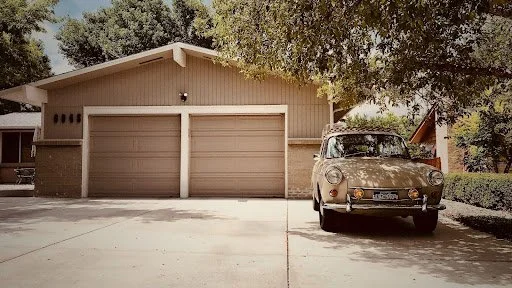
6 Tips for Transforming Your Garage into a DIY Haven
Transforming your garage into a DIY haven is a rewarding project that not only adds functionality to your home but also provides a space for unleashing your creativity and craftsmanship. The garage, often overlooked and relegated to storing forgotten items, has the potential to become a thriving workshop or studio. Whether you're a seasoned DIY enthusiast or just getting started, these tips will guide you through the process of converting your garage into a personalized space that reflects your passion for hands-on projects.
Transforming your garage into a DIY haven is a rewarding project that not only adds functionality to your home but also provides a space for unleashing your creativity and craftsmanship. The garage, often overlooked and relegated to storing forgotten items, has the potential to become a thriving workshop or studio. Whether you're a seasoned DIY enthusiast or just getting started, these tips will guide you through the process of converting your garage into a personalized space that reflects your passion for hands-on projects.
Organize and Declutter
Before you dive into the exciting world of DIY transformations, it's crucial to start with a clean slate. Clear out the clutter, discard items you no longer need, and organize the space efficiently. Invest in storage solutions such as shelves, cabinets, and pegboards to keep tools and materials easily accessible. Group similar items together, creating designated areas for woodworking tools, painting supplies, and other DIY essentials. A well-organized garage not only makes it easier to find what you need but also sets the stage for a visually appealing and functional DIY haven.
Maximizing Space for Creativity
Once you've decluttered and organized your garage, it's time to plan the layout to optimize the available space. Consider the types of DIY projects you enjoy and tailor the layout accordingly. If woodworking is your passion, set up a dedicated workbench with proper lighting and ample power outlets. For those inclined toward arts and crafts, create a cozy corner with a large table for projects and storage for art supplies. Think about the flow of the space and ensure there's enough room for movement and ventilation. A thoughtful layout not only enhances efficiency but also contributes to the overall aesthetics of your DIY haven.
Invest in Quality Tools and Equipment
The heart of any DIY haven lies in the tools and equipment at your disposal. Invest in high-quality tools that align with your interests and projects. A well-equipped garage should have essential tools such as a reliable drill, saws, sanders, and a versatile set of hand tools. Consider specialized tools based on your chosen DIY activities, whether it's welding, woodworking, or automotive work. Don't forget safety equipment such as goggles, gloves, and a first aid kit. Quality tools not only make your DIY projects more enjoyable but also contribute to better results and increased efficiency. Treat your garage as a sanctuary of creativity by surrounding yourself with the tools that inspire and empower your craftsmanship.
A Stylish and Functional Solution
To further elevate the functionality and aesthetics of your DIY haven, consider investing in custom garage cabinets. These purpose-built storage solutions not only add a touch of style to your space but also provide a designated place for every tool and material, reducing clutter and promoting a clean workspace. Opt for cabinets that match the overall theme of your garage and complement the existing layout. This addition contributes to the organization of your tools, making it easier to maintain a tidy environment. You should know that custom garage cabinets can be tailored to your specific needs. That way you will ensure that everything has its place, and enhance the overall efficiency and appeal of your DIY sanctuary.
Shedding Light on Creativity
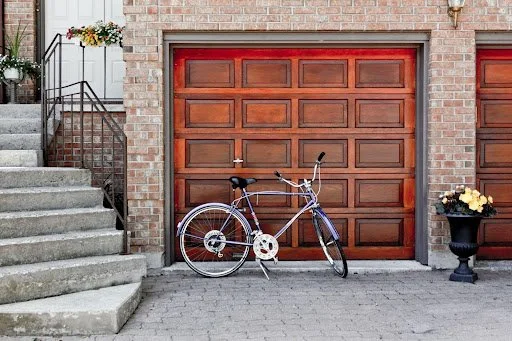
A well-lit workspace is essential for any DIY enthusiast. Upgrade your garage lighting to ensure that every nook and cranny is well-illuminated. Consider installing LED fixtures or task lighting above workstations to eliminate shadows and enhance visibility. Adequate lighting not only contributes to a safer working environment but also boosts your focus and precision. Illuminate your DIY haven strategically, combining ambient, task, and accent lighting to create a welcoming and inspiring atmosphere that encourages creativity to flourish.
Infusing Your Style into the Space
Transforming your garage into a DIY haven is not just about functionality; it's an opportunity to showcase your style. Add a splash of color to the walls, hang inspirational artwork, or incorporate elements that reflect your interests. Personalization goes beyond the tools and layout—it extends to the overall ambiance of the space. Consider creating a feature wall with a pegboard for a visually appealing and practical display of your most-used tools. Integrate comfortable seating and storage solutions for materials and projects in progress. By infusing your style into the space, your DIY haven becomes a true reflection of your passion and creativity.
In the journey of transforming your garage into a DIY haven, each step contributes to the creation of a space that goes beyond functionality—it becomes a sanctuary where creativity thrives. From organization and layout planning to investing in quality tools, custom garage cabinets, and personalized touches, every decision shapes a space uniquely tailored to your interests. As you shed light on your projects, organize with precision, and add personal flair, your garage transforms into an inspiring environment where DIY dreams come to life. Embrace the process, experiment with different elements, and let your DIY haven evolve into the ultimate space for hands-on exploration and self-expression.

How to Dispose of Old Furniture Responsibly?
When it comes to parting with old furniture, many of us are guilty of taking the path of least resistance: leaving it on the curb and hoping someone else will take care of it. However, such practices can have a detrimental effect on the environment and are often illegal. This guide will help you navigate the process of disposing of old furniture responsibly, ensuring it doesn't end up in a landfill, but instead finds a new home, gets recycled, or is disposed of in a way that minimizes its environmental impact.
When it comes to parting with old furniture, many of us are guilty of taking the path of least resistance: leaving it on the curb and hoping someone else will take care of it. However, such practices can have a detrimental effect on the environment and are often illegal. This guide will help you navigate the process of disposing of old furniture responsibly, ensuring it doesn't end up in a landfill, but instead finds a new home, gets recycled, or is disposed of in a way that minimizes its environmental impact.
Donating to Charities and Second-Hand Stores
One of the most effective and socially responsible ways to dispose of old furniture is by donating it to charitable organizations or second-hand stores. These entities often accept gently used furniture and distribute it to people in need or resell it at a low cost. This not only extends the life of the furniture but also helps those who may not be able to afford new items.
Moreover, giving away your furniture for a good cause can be incredibly rewarding. Many organizations offer free pickup services, making the process convenient for you. In addition, donations are often tax-deductible, making it a win-win situation for everyone involved.
However, it's important to ensure that the furniture you're donating is in good condition. Charities and second-hand stores typically don't have the resources to repair or clean items, so your donation must be usable and clean. Not only is this respectful to the recipient, but it also increases the likelihood of your donation being accepted.
Getting Rid of Large Furniture Items
If you have large furniture items that are too difficult to donate or transport, consider hiring a professional junk removal service. These companies specialize in disposing of bulky and heavy items and clearing rubbish safely and responsibly. They also often offer recycling services, ensuring that your furniture is disposed of in an environmentally friendly manner.
Another option for getting rid of large pieces of furniture is arranging a bulk pickup with your local waste management service. Many municipalities offer this service for larger items such as mattresses, sofas, and dressers. Be sure to check with your local government to see if they have any specific guidelines or requirements for bulk pickups.
Recycling Your Outdated Furniture
Recycling is another responsible and environmentally friendly way to dispose of old furniture. Many materials used in furniture, such as wood, metal, and certain kinds of plastic, can be recycled and reused.
Before you take your old furniture to a recycling center, it's wise to call ahead and confirm that they accept furniture. Some recycling centers aren't equipped to handle large items. If your local recycling center does accept furniture, they'll often disassemble it and recycle the materials separately.
Remember that not all parts of a piece of furniture may be recyclable. Upholstery, for instance, is often not accepted by recycling centers. In such cases, consider other options for those elements, such as donating or re-purposing.
Selling Your Old Furniture
If your furniture is still in good condition and you'd like to make some extra cash, consider selling it. Online platforms like Craigslist, eBay, and Facebook Marketplace make it easy to list and sell used furniture.
When selling used furniture, be honest about its condition and price it reasonably. Good-quality photos and a detailed description can make your listing more appealing to potential buyers.
Keep in mind that selling furniture may take more effort and time than donating or disposing of it, but it can be a profitable option if you have the resources to do so.
Disposing of Furniture Through Municipal Collections

Finally, if your furniture is in poor condition and cannot be donated, recycled, or sold, consider your municipal waste collection service. Many cities offer bulk waste collection services that can handle larger items like furniture.
Before taking this step, check your city's regulations concerning bulk waste pickup. Some cities require you to schedule these pickups in advance, while others have specific days for bulk waste collection.
Keep in mind that this should be your last resort, as it's the least environmentally friendly option. Whenever possible, try to choose a method that extends the life of your furniture or responsibly recycles its materials.
In conclusion, disposing of old furniture responsibly is a crucial aspect of environmental stewardship. It might take some effort, but the benefits are manifold: reducing waste in landfills, aiding those in need, and potentially even making some extra cash. Donating, recycling, selling, or using municipal collections are all viable options, depending on the condition of your furniture. So before you leave that old couch on the curb, consider these alternatives. It's not just about getting rid of junk—it's about taking responsibility for our impact on the environment and our communities.

How New Flooring Can Add Value to Your Home
Having a beautiful and durable floor can enhance the aesthetic appeal of your home, increase its value, and make it more comfortable. Most homeowners understand the importance of upgrading their kitchen and bathroom to boost the property’s resale value. Fortunately, new flooring is another valuable investment that can attract potential buyers and make your home stand out from the crowd. In this blog, we will explore how new flooring can increase your property’s value and share some trendy styles that you may want to consider for your renovation project.
Having a beautiful and durable floor can enhance the aesthetic appeal of your home, increase its value, and make it more comfortable. Most homeowners understand the importance of upgrading their kitchen and bathroom to boost the property’s resale value. Fortunately, new flooring is another valuable investment that can attract potential buyers and make your home stand out from the crowd. In this blog, we will explore how new flooring can increase your property’s value and share some trendy styles that you may want to consider for your renovation project.
Improved Aesthetic Appeal
The first thing that comes to mind after hearing the phrase ‘new flooring’ is usually aesthetic appeal. New flooring is one of the most cost-effective ways to improve the aesthetics of your home. It can completely transform a room, making it appear more spacious, elegant, and modern. When it comes to flooring, opt for the most popular trends to add a touch of luxury that will appeal to potential buyers. For instance, natural wood floors, hardwood flooring, and luxury vinyl tiles are some of the most sought-after flooring options. Work with a company like Fernwood WNC to explore all your wood flooring options.
Increased Durability and Functionality
Replacing old and worn out flooring with new, more durable floors can improve the functionality of your home. New flooring is less prone to wear and tear, requiring minimal maintenance. This makes it an excellent option for homes with children or pets where accidents or spills may occur frequently. Additionally, a durable floor enhances the lifespan of your property, reducing the need for frequent repairs or replacements.
Energy Efficiency
When replacing your flooring, you can also enhance the energy efficiency of your home. Energy-efficient flooring can keep your home cool during the summer season and warm in the winter, helping to reduce energy costs. For instance, cork and bamboo flooring are eco-friendly options that can improve your home’s insulation and energy efficiency.
Health and Safety Benefits
New flooring can also have a significant impact on your home’s indoor air quality. Old carpets can be a breeding ground for allergens, dust, and mold, which can affect your respiratory health. By replacing old carpets with new hard flooring options, you can minimize allergen exposure and improve air quality. Additionally, new flooring can eliminate any tripping hazards and improve the safety of your home.
Improved Resale Value
Finally, new flooring can significantly increase the resale value of your home. You can recoup most of the investment you made in flooring at the time of resale. Potential buyers are more likely to be attracted to homes with new floors, as they tend to be more aesthetically pleasing and stable than homes with older floors. This, in turn, can give you an edge over other properties in the market, which is especially important in a competitive real estate market.
New flooring is a valuable investment that can significantly enhance the overall value of your home. Whether you opt for natural wood, hardwood flooring, luxury vinyl tiles, or any other popular flooring trend, new floors are worth the investment. New flooring is not only aesthetically appealing, but it also improves the functionality, energy efficiency, and airflow of your home. Invest in new flooring today, and enjoy the benefits for years to come.

