

A resource for those seeking information on organizing and transforming spaces.
Bright Ideas for Homeowners: Tips From Professional Electricians
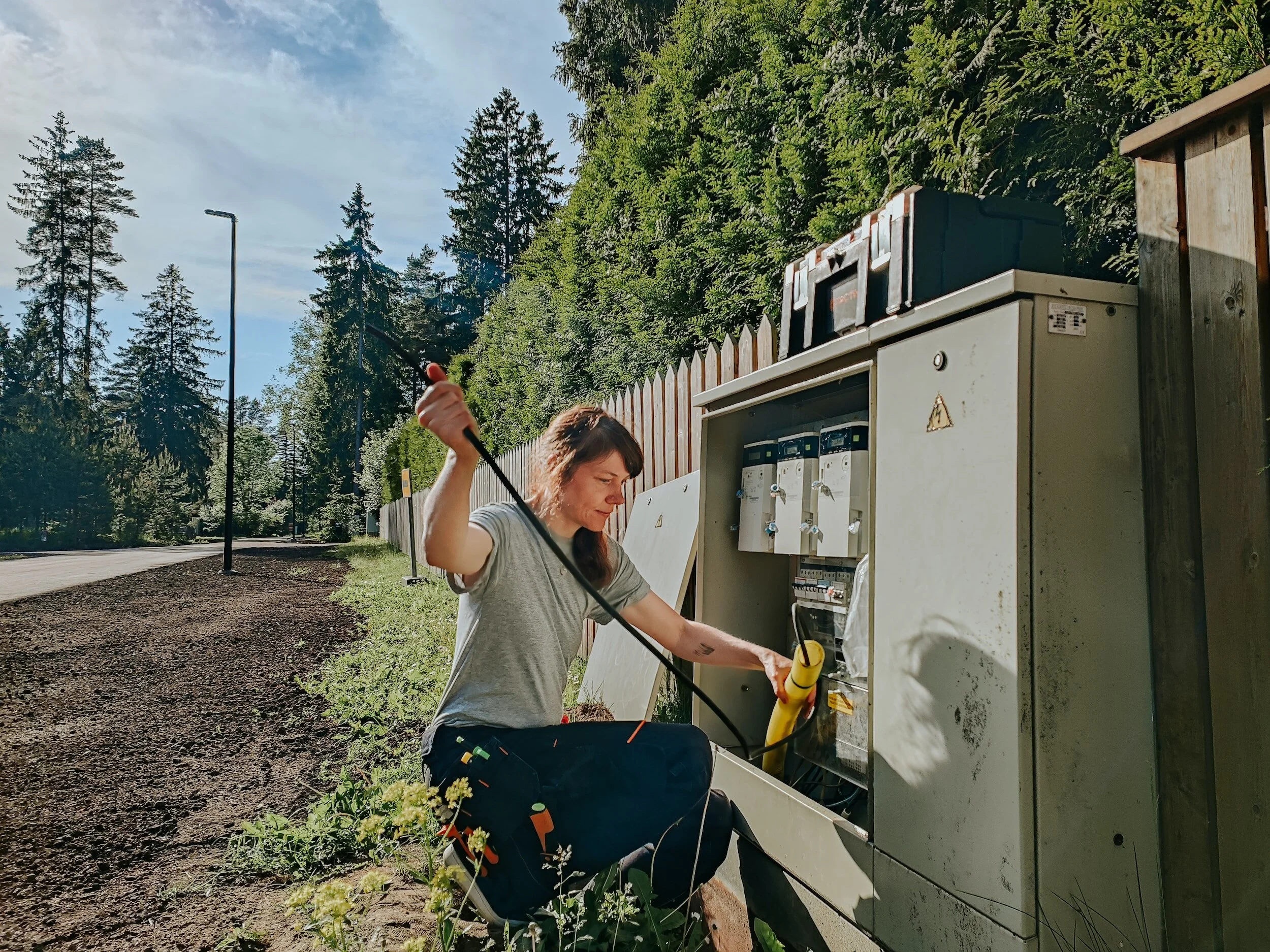
Maintaining an efficient electrical system is crucial for any homeowner. Therefore, when electrical problems arise, they can bring inconvenience, harm to property and even serious safety risks. While most electrical issues are minor and don’t put homeowners at risk, ignoring them is a big mistake. Minor issues can turn into full-blown problems instantly and can put you and other household members at risk of electrocution, fire and more. Delving into the realm of electricity can be overwhelming for those without expertise. In this blog, we bring you tips and insights from electricians. By following their guidance, you can ensure that your home in Christchurch or anywhere in New Zealand remains a haven for you and your loved ones.
We partnered with a electrical company for this post. The opinions in the post are honest. All reviews and opinions expressed in this post are based on our personal views. We are excited because we know you will love it.
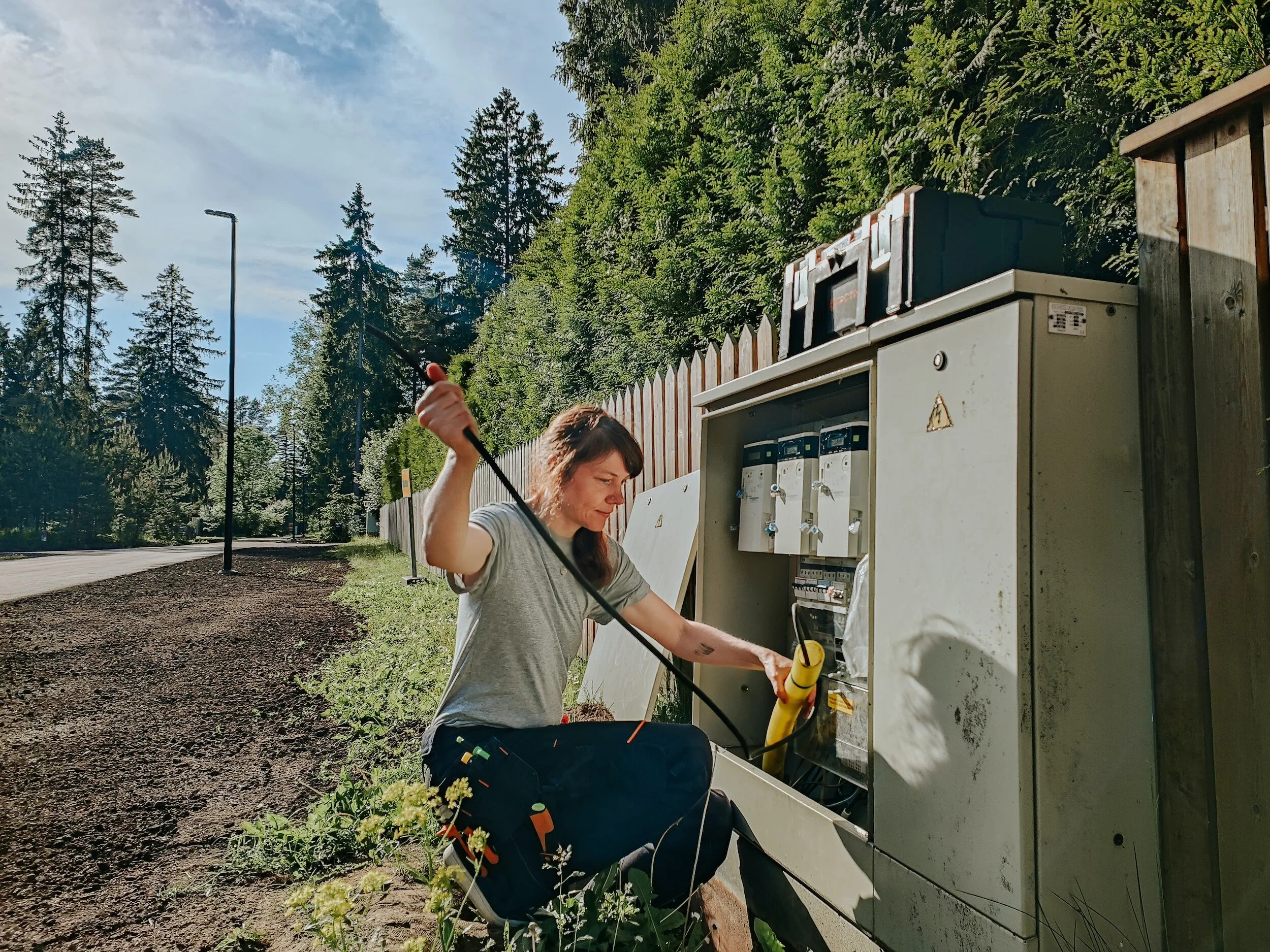
Maintaining an efficient electrical system is crucial for any homeowner. Therefore, when electrical problems arise, they can bring inconvenience, harm to property and even serious safety risks. While most electrical issues are minor and don’t put homeowners at risk, ignoring them is a big mistake. Minor issues can turn into full-blown problems instantly and can put you and other household members at risk of electrocution, fire and more. Delving into the realm of electricity can be overwhelming for those without expertise. In this blog, we bring you tips and insights from electricians. By following their guidance, you can ensure that your home in Christchurch or anywhere in New Zealand remains a haven for you and your loved ones.
1. Prioritize Safety
Safety should always take precedence when dealing with any task related to electricity. One important step in ensuring safety is locating your home's panel or circuit breaker box. Familiarise yourself with its whereabouts so that you can promptly respond during emergencies or switch off power when necessary. Don’t hesitate to contact professional electricians in Christchurch, New Zealand, for further assistance.
2. Utilize Surge Protectors
Power surges are among the culprits behind electrical damage in households. Safeguard your devices by investing in top-notch surge protectors. These devices redirect voltage, preventing it from harming connected appliances or causing fires.
3. Avoid Overloading Sockets
Plugging a number of devices into one socket can overload the circuit and result in overheating or fires. Make sure to distribute your devices across outlets and avoid using extension cords whenever
4. Install Ground Fault Circuit Interrupters (GFCIs)
GFCIs are outlets commonly found in areas that are exposed to moisture, like kitchens, bathrooms and outdoor spaces. They can detect imbalances in currents caused by wiring or water contact and immediately cut off power to prevent electrocution.
5. Maintain Lighting
It is important to have lighting in your home for both functionality and aesthetics. Promptly replace dim or flickering lights to prevent eye strain or accidents due to lighting conditions.
6. Regularly Test Smoke Detectors
Smoke detectors are safety devices that can save lives in the event of a fire. Make sure to test them and replace their batteries once a year to ensure they are fully functional.
7. Seek Professional Help for Electrical Repairs
While DIY enthusiasts may be tempted to handle repairs themselves, it is important to remember that electrical work requires expertise. Attempting repairs without the knowledge could lead to damage or pose serious risks to your safety. Always consult electricians for any issues you come across.
8. Consider Upgrading Your Wiring
Homes wired decades ago were not designed with today's power demands in mind. Over time, the wiring in your home may become worn out or frayed, which can increase the risk of fires. If you live in a house, it's important to consider upgrading your wiring system to ensure it meets safety standards.
9. Be Cautious of Aluminum Wiring
If your house was built during the 1960s or 1970s, it might have aluminium wiring instead of standard copper wiring. Aluminium wiring has its risks, as it tends to corrode and create loose connections over time. It's advisable to have a professional electrician evaluate your system if you suspect that aluminium wiring is present.
10. Embrace Energy Efficiency
By conserving energy, you will reduce your electricity bills. Also, it contributes to protecting the environment. Switching to LED bulbs, using energy appliances and turning off electronics are just a few simple steps you can take to make your home more energy efficient.
Conclusion
It is essential for every homeowner to prioritise maintaining an efficient system. By following these tips shared by expert electricians, homeowners can ensure that their homes have an efficient electrical system. Remember that prioritising safety, seeking assistance when necessary, and regularly maintaining your electrical components are crucial aspects of responsible homeownership. Empower yourself with knowledge about electricity. Keep the ideas flowing!

Inspections You'll Need to Complete if You Life in an Old Home
Living in an old home can be a dream come true for many homeowners. However, it also comes with its own set of responsibilities. To ensure that your home is always safe, maintaining it and scheduling regular inspections are crucial. In this article, we’ll take a look at some of the most important inspections that every old homeowner should consider.

Living in an old home can be a dream come true for many homeowners. However, it also comes with its own set of responsibilities. To ensure that your home is always safe, maintaining it and scheduling regular inspections are crucial. In this article, we’ll take a look at some of the most important inspections that every old homeowner should consider.
Electrical Inspection
If your home is over 40 years old, it’s highly recommended that you get electrical inspections. An electrical inspection can help you identify any hidden issues, such as faulty wiring or outdated electrical systems, and can protect your home from possible fire hazards. During the inspection, an electrician will check your service panel, circuit breakers, and other electrical devices to ensure that they are functioning properly.
Plumbing Inspection
If you live in an old home, you may be facing some plumbing issues due to old pipes, rusty water, and other problems. Therefore, it’s important to have regular plumbing inspections performed. A plumbing inspection can help you identify any leaking pipes, clogged drains that could put your home at risk of water damage, and other potential problems. During the inspection, the plumber will examine the entire plumbing system, including the pipes, fixtures, and appliances to ensure that everything is working properly.
Roof Inspection
The roof is one of the most critical components of your home. If you have an old roof, it's important to schedule regular inspections to avoid any structural problems. Moreover, an old roof can be prone to leaks, gaps, and other problems that can result in water damage to your home. To avoid making the damage too costly to repair, consider scheduling an annual roof inspection. This way, any damages can be detected and repaired promptly before they become too severe, leading to expensive restoration work.
Pest Inspection
Pests, such as termites, ants, and rodents, can invade any home, especially in older homes. These pests can quickly multiply and cause serious damage to your home's structure. Scheduling regular pest inspection can be an effective way to protect your home from any invasion and prevent potential damage. During the inspection, an experienced pest control company will look for signs of pests or any damages that indicate their presence.
Structural Inspection
An old home may have had previous repairs or renovations that were not up to the current building codes. Furthermore, if your home's foundation is weak or if the structure is unstable, it can pose a tremendous risk to the occupants. Therefore, it's important to have regular structural inspections and structural foundation repair to ensure that your home is safe and in good condition. During the inspection, a professional inspector will assess the home's foundation, walls, and overall structure, looking for any potential weaknesses or hazards that could endanger you and your family.
Living in an old home requires taking extra measures to ensure that it is always safe and enjoyable. Scheduling the necessary inspections can help identify potential issues before they become big problems. Getting regular electrical, plumbing, roof, pest, and structural inspections can protect you and your loved ones from risks and hazards that you might have otherwise ignored. Don't overlook the value of these inspections. After all, they offer peace of mind and protection for your home for years to come.
Things to Know When Constructing Your Next House
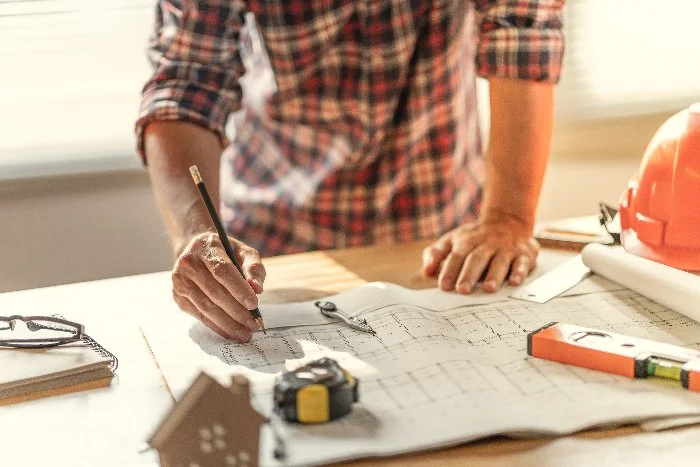
Building a house can be an exciting and challenging experience. There are a lot of things to consider and plan, from the design and layout to the materials and contractors. One of the most important aspects of constructing a house is making sure it is secure and structurally sound. This is where fencing and wall frames come in. Here are some things to know when constructing your next house.
Building a house can be an exciting and challenging experience. There are a lot of things to consider and plan, from the design and layout to the materials and contractors. One of the most important aspects of constructing a house is making sure it is secure and structurally sound. This is where fencing and wall frames come in. Here are some things to know when constructing your next house.
Hire a Professional
Constructing a house is a complex undertaking that requires a great deal of expertise, and attempting to do it alone can result in costly mistakes. That's why it's important to hire a professional and licensed contractor - someone who has experience in building houses and who can help guide you through the process. A good contractor will assist with the design of your project, help you select the right materials, and provide you with a reliable estimate of all costs associated with the construction. They will also be responsible for obtaining the necessary permits and ensuring that your project meets all building code requirements. By hiring a professional, you can rest assured that you're giving your project the best possible chance for success and avoiding the headaches that typically accompany DIY projects.
Budget
When constructing a new house, it is crucial to set a budget and adhere to it. Expenses can quickly add up, so determining how much money you are willing to spend can help you prioritize what is necessary and stay within your means. Creating a budget can help you allocate your resources and ensure that you do not overspend on items that are not essential. Additionally, it is advised to have a contingency fund set aside for unexpected costs such as delays, material shortages, or damages. By creating a budget and planning for unforeseen expenses, you can make your home-building process much more manageable and enjoyable.
Wall Frames
Wall frames are crucial components in building a house. They are responsible for providing the necessary structural support to ensure that the house is secure and upright. When selecting wall frames, it is crucial to consider the quality of the materials. It is recommended to choose materials such as timber, steel, or concrete for their durability and sturdiness. Additionally, it is crucial to have a licensed professional inspect and approve the wall frames to ensure that they meet the necessary building codes. By taking these factors into consideration, homeowners can rest assured that their house's foundation is solid and can withstand the elements.
Foundation
When building a house, the foundation is an essential component that should never be overlooked. The foundation of a house acts as a base, supporting the entire structure. It is critical that the foundation be built on stable ground to ensure the stability of the house. There are several types of foundations to choose from, including slab, crawl space, and basement foundations. Each foundation type has its own set of benefits and disadvantages, so it's important to collaborate with a contractor to determine which is the best for your location and budget. A good foundation will ensure that your house is structurally sound and will stand the test of time.
Energy Efficiency
In today's world, energy efficiency is a significant factor in house construction. Not only does it help reduce utility bills, but it also helps reduce the overall environmental impact of the house. When designing your next house, consider incorporating energy-efficient features such as solar panels, energy-efficient windows and doors, and proper insulation. These features can help make your house more sustainable and save you money in the long run.
Fencing
Fencing is an essential part of any house construction. It serves as a barrier that protects your property from intruders and provides privacy for your family. When constructing your fence, make sure to choose high-quality materials that can withstand different weather conditions and wear and tear. You can also choose from various fence styles, including wood, vinyl, aluminum, and chain links. Each material has its advantages and disadvantages, so do your research to determine which one is best for your needs.
Local Regulations
Before starting the construction process, it is essential to research and understand the local regulations and building codes in your area. Each state or city has its unique set of regulations, so make sure that you comply with them to avoid legal issues and fines. Also, be aware of any zoning laws that might affect your construction project, such as height restrictions and setbacks.
Constructing your next house can be a fulfilling and rewarding experience. However, it can also be challenging, especially when it comes to essential aspects such as fencing and wall frames. To ensure that your house is secure and structurally sound, make sure to choose high-quality materials, hire a professional contractor, create a budget, and follow the local regulations. By doing so, you can have peace of mind knowing that your house is constructed to last.

Rental Revolution: 6 Genius Hacks for Scoring the Ideal Place
Finding the ideal rental in the always-changing real estate market can frequently feel like looking for a needle in a haystack. But worry not—the rental revolution is upon us, and it brings with it a wealth of clever tips to make sure you locate your perfect sanctuary in addition to a place to live. Here are six game-changing tactics to boost your rental game, from smart research techniques to expert negotiation.
Finding the ideal rental in the always-changing real estate market can frequently feel like looking for a needle in a haystack. But worry not—the rental revolution is upon us, and it brings with it a wealth of clever tips to make sure you locate your perfect sanctuary in addition to a place to live. Here are six game-changing tactics to boost your rental game, from smart research techniques to expert negotiation.
1. Do Your Research: The Foundation of Your Hunt
Before diving headfirst into the sea of available rentals, it's crucial to lay a solid foundation through thorough research. The digital era has bestowed upon us a powerful tool in the form of online platforms dedicated to property rentals. Websites like Zillow, Realtor, and many others are your allies in this quest. Start your journey by entering the golden phrase property to rent into their search bars. This simple yet effective entry can unveil a plethora of options, allowing you to sift through listings and identify potential gems.
2. The Art of Neighborhood Exploration
A property is more than just four walls; its surroundings play a pivotal role in your overall living experience. Once you've narrowed down potential properties, invest time in exploring the neighborhoods they inhabit. Walk the streets, visit local cafes, and strike up conversations with residents. This firsthand experience will provide invaluable insights into the vibe of the area, helping you determine if it aligns with your lifestyle and preferences.
3. Mastering the Budget Balancing Act
Budgeting is an art, and when it comes to renting, mastering this balancing act is key. Beyond the monthly rent, consider additional costs such as utilities, maintenance, and potential association fees. While it's tempting to stretch your budget for that dream apartment, it's crucial to maintain financial equilibrium. Create a comprehensive budget that not only covers your rent but also allows for a comfortable living, ensuring a stress-free tenancy.
4. The Power of the Pre-Visit Checklist
Before stepping into the potential abode, it's crucial to define your priorities and deal-breakers. Craft a meticulous list encompassing not only the basics like the number of bedrooms and bathrooms but also finer details such as the condition of appliances, storage space, and the functionality of utilities. Armed with this checklist, property visits transform from emotional walkthroughs to systematic evaluations. This methodical approach not only helps you remain focused during tours but also ensures that no essential factors are overlooked. It's a strategic tool, turning the subjective feeling of 'this place could work' into a concrete, objective assessment that guides you toward the rental that perfectly aligns with your needs and preferences.
5. Negotiation: The Art of the Deal

Entering the realm of negotiations during the rental process is akin to a carefully choreographed dance, where each step must be executed with finesse. Contrary to the notion that the rental price is etched in stone, negotiations are an intrinsic part of the leasing tango. Armed with the knowledge garnered from meticulous research, approach discussions with the landlord as a collaborative dialogue rather than a confrontational standoff. Express your genuine enthusiasm for the property while subtly weaving in well-reasoned arguments for a more favorable deal. Whether it's a reduction in rent, the inclusion of certain utilities, or a tweak in lease terms, the art lies in advocating for your needs while acknowledging the concerns of the landlord. It's a delicate balance, a diplomatic exchange where both parties should ideally emerge feeling that they've secured a fair deal. A successful negotiation not only impacts your immediate financial outlay but also sets the tone for a harmonious landlord-tenant relationship throughout your stay.
6. Harnessing the Wisdom of Reviews
In the digital age, information is power, and user reviews wield significant influence. Before finalizing your decision, delve into online reviews of both the property and the landlord. Platforms like Yelp, Google Reviews, and specialized rental websites often host a treasure trove of experiences shared by previous tenants. These narratives can provide valuable insights into the property's management, responsiveness to maintenance requests, and overall tenant satisfaction. It's a small investment of time that can save you from potential headaches down the road.
The rental revolution is not just about finding a place to live; it's about finding your ideal home, a sanctuary that aligns with your lifestyle and aspirations. By incorporating these six genius hacks into your rental journey, you're not just navigating the market; you're mastering it. From strategic research to skillful negotiation, each step contributes to the symphony of securing the perfect rental. So, armed with knowledge and determination, embark on your rental revolution and turn the challenge of finding a home into a victorious quest for your ideal haven.

