

A resource for those seeking information on organizing and transforming spaces.

Preparing the Self and the Home for a New Life Chapter
The need to change your property for an impending life change can be jarring and stressful, but it doesn’t have to be that way. The tips discussed here can help you to prepare for the unexpected through decluttering, remodeling, and other steps.
The need to change your property for an impending life change can be jarring and stressful, but it doesn’t have to be that way. The tips discussed here can help you to prepare for the unexpected through decluttering, remodeling, and other steps.
Think About How You Can Declutter
Many new life chapters will require you to declutter your home, reorganize, and potentially eliminate items you no longer need. When a change occurs, consider what you should keep, donate, or trash.
For instance, if you’re reaching retirement age, you may need to downsize to a smaller property, and it may require getting rid of items you don’t use. When that time comes, go room by room and look at clothes and items you haven’t used in the last year and consider if you really need to keep it all. When you’re doing that, think about if you have items that can be used again, like those outfits in your closet, and if they can, donate them to charity so someone else can use them for their own life chapter.
Decluttering can also be a factor when it comes to a career shift. Your new job may be more professional and require you to modify your closet to make room for business attire, or you may need to clean a room to make it into an office. Do what’s necessary in your house because smart organization benefits your space and mental health. A cluttered house can naturally make you anxious because you start worrying about how you will wrangle the mess, and you don’t need that stress when starting a new job. Clean one area at a time, and you’ll feel better overall.
Preparing For A New Addition To The Family
You may also need to take a deep dive around your home if you’re about to have children. You’ll want to create an open space where the kids can roam without the risk of tripping and falling while also removing sharp or dangerous items that can cause harm.
Bringing a child into your home may also mean that you need to get rid of your current car to buy something bigger or more kid-friendly. You have options when getting rid of a car; many people sell or donate their vehicle. Before you do, you’ll want to make considerations, including whether you have the title, which will simplify the donation during a charity auction. Also, think about how you do your taxes and if itemizing your deductions will provide a financial benefit.
You may be like many homeowners who choose to add a pet to their family. In this case, you’ll also want to plan accordingly. Welcoming a pet may require cleaning out an entire room to make space for a dog bed, scratching post, and other pet necessities. Also, go around the house and remove items and food that could be hazardous to the pet.
Finally, think about finances and other affairs, including buying homeowners insurance with dogs. It’s a good idea to add your dog to your insurance so you can cover damages and injuries they may cause. However, be aware that many insurance companies won’t allow some breeds on the policy, including rottweilers and pit bulls, especially if they have a history of biting or causing damage. However, some will allow it. You should shop around so you can cover damage if it does occur.
Remodeling Ideas
Sometimes, decluttering is not enough and you may need to make more space or repurpose a room by remodeling.
Many new empty nesters decide to remodel once the kids leave because they want to make the home their own. Some choose to add a hobby room or a home gym or simply enlarge the master bedroom to provide more space and luxury. Remodeling is also common for families welcoming a baby, especially when they don't currently have space for a nursery.
Before you start calling contractors and making grand plans, you need to have an idea of the best way to remodel for your life change. For instance, you may want to consider adding a baby-room close to the master bedroom so you can keep an eye on the child.
If you’re starting a new business where you’re working from home, it’s wise to choose a good area of the house where you’ll have space for windows so you can use the natural sunlight to see your work during the day and save money for your utility bills. Think about your specific situation and make the appropriate plans.
Conclusion
There’s no getting around the fact that you will go through a lot of life changes over the years, and your home is along for the ride. Make the best decisions every step of the way, and your transitions will be exciting and easygoing.

You Should Keep These Items in Your Home’s First Aid Kit
A well-stocked first aid kit is a must-have in any home. These kits can provide immediate, often essential, treatment during emergencies while waiting for medical aid. From minor incidents such as cuts and bruises to more severe conditions like burns or fractures, a first aid kit can play a pivotal role in mitigating harm and potentially saving lives. This blog will guide you through the essential items to include in your home's first aid kit to ensure you're fully prepared for any unforeseen medical circumstances.
A well-stocked first aid kit is a must-have in any home. These kits can provide immediate, often essential, treatment during emergencies while waiting for medical aid. From minor incidents such as cuts and bruises to more severe conditions like burns or fractures, a first aid kit can play a pivotal role in mitigating harm and potentially saving lives. This blog will guide you through the essential items to include in your home's first aid kit to ensure you're fully prepared for any unforeseen medical circumstances.
Wound Care Basics
Firstly, it's important to have items for wound care. Sterile adhesive bandages in various sizes and butterfly closures are essential for covering and protecting minor cuts and scrapes, helping to prevent infection. The team behind saveritemedical.com says that gauze pads and adhesive tape can be used for larger injuries, while antiseptic wipes and hydrogen peroxide are handy for cleansing wounds before dressing. An instant cold pack can help reduce swelling or pain from injuries. Investing in a pair of non-latex gloves is also a good idea, as it helps prevent the spread of infectious diseases while treating wounds. Lastly, tweezers can be useful for removing splinters or other foreign objects.
Over-the-Counter Medications
Equally important are over-the-counter medications for treating common ailments. These may include pain relievers such as acetaminophen or ibuprofen for temporary relief from minor aches and pains. Antihistamines are useful for dealing with allergic reactions, while hydrocortisone cream can alleviate skin irritation or inflammation caused by conditions such as eczema or insect bites. Diarrhea medications and antacids can help manage digestive issues. It's also beneficial to include a thermometer to monitor body temperature in cases of fever. Remember to regularly check and replace these medications to ensure they haven't expired. Always read the medication label and abide by its instructions.
Emergency Tools
In addition to medications and wound care items, your first aid kit should also contain essential emergency tools. A first aid manual is crucial, providing step-by-step instructions on how to handle common medical emergencies. A flashlight with extra batteries can be a lifesaver in power outages or low-light conditions. Medical-grade scissors are useful for cutting tape or clothing, and a breathing barrier with a one-way valve is vital for performing CPR. Keeping a list of emergency contact numbers, including your family doctor and local poison control center, can also prove indispensable in a crisis. Furthermore, if anyone in your household has specific medical needs, such as asthma or allergies, consider adding any necessary specialized items to your kit.
Personalized Medications
Personalized medications should also find a place in your first aid kit, especially if you or any of your family members have prescribed medications for chronic conditions such as diabetes, heart disease, or high blood pressure. These can be a lifesaver in case you run out or forget to take your regular dose. Asthma sufferers should consider keeping a spare inhaler, and those with severe allergies may require an EpiPen. These medications must be stored properly as per their instruction to maintain their efficacy and should be regularly checked for expiration. Take note, however, that these medications should only be used by the person they were prescribed to, and in an emergency, medical advice should be sought where possible.
Burns and Blister Solutions
Another essential category to consider when stocking your home's first aid kit is solutions for burns and blisters. Burn creams or gels provide relief from minor burns and help to promote healing. These products often contain lidocaine, which numbs the burned area, and aloe vera, which soothes and moisturizes the skin. For more severe burns, seek professional medical help immediately.
Blisters, on the other hand, can be handled with moleskin or specialized blister bandages, which can reduce pressure and friction and prevent further irritation. Remember that, unless necessary, you should avoid popping blisters to minimize the risk of infection. Always clean the affected area with a mild soap and water before applying any treatment.
First Aid Manual

A comprehensive first aid manual is a cornerstone of any effective home first aid kit. This manual should contain clear, easy-to-understand instructions on handling a wide range of medical emergencies from minor to major, such as treating wounds, burns, or fractures, responding to allergic reactions, and performing CPR.
The American Red Cross provides an excellent, updated first aid manual that can be downloaded for free. Remember, the goal of first aid is to manage the situation until professional medical help can be obtained. Therefore, it's crucial to also include the contact information of your local emergency services, poison control center, and family doctor in the manual for immediate access in case of severe emergencies. Further, it's a good idea to familiarize yourself and family members with the manual's contents before an emergency arises to ensure a swift, effective response.
In conclusion, a well-stocked first aid kit is an essential item that every household should have. By including wound care basics, over-the-counter medications, emergency tools, personalized medications, and solutions for burns and blisters, you can ensure that your family is adequately prepared to handle any medical emergency.

How to Properly Restore a Historic Home
Historic homes are amazing structures that have stood the test of time. They are not just ordinary houses because they offer more than just a roof over your head. These homes have history, character, and unique stories to tell. Restoring a historic home can be a challenging, yet rewarding experience. It’s a labor of love that requires careful planning and execution. In this post, we’ll guide you through the process of restoring a historic home and provide you with some tips on how to do it properly.
Historic homes are amazing structures that have stood the test of time. They are not just ordinary houses because they offer more than just a roof over your head. These homes have history, character, and unique stories to tell. Restoring a historic home can be a challenging, yet rewarding experience. It’s a labor of love that requires careful planning and execution. In this post, we’ll guide you through the process of restoring a historic home and provide you with some tips on how to do it properly.
Research and Understand the Home’s History
One of the most crucial steps when restoring a historic home is to research and understand the home’s history. Understanding its history can help you identify its architectural style and other unique features that would need to be restored. Also, it’s important to understand the home’s historical significance within the community. By doing so, you will understand what can and can’t be done in the restoration process.
Plan Out the Restoration Process
After researching and understanding the home’s history, it’s time to plan out the restoration process. You should hire an architect or a contractor that has experience in building historic restoration services. They will help you evaluate the structure and provide you with a plan that fits within the guidelines set by your city or town’s historical commission.
Use Appropriate Materials
When restoring a historic home, it’s essential to use appropriate materials. Choosing the wrong materials can compromise the home's integrity and could result in irreversible damage. It’s best to use original materials when possible. If not, then use reproductions that look exactly like them. You should also consider the layout of the home and ensure that the materials you're using match the historical era.
Focus on Preservation Rather Than Renovation
Historic homes are special and unique, and they should be treated as such. When restoring your historic home, you should focus on preservation rather than renovation. The goal of preservation is to maintain the home’s authenticity and historical significance. Renovation, on the other hand, is geared towards updating the house to modern standards. By prioritizing preservation, you can maintain the home’s original charm and allure.
Be Patient and Mindful
Restoring a historic home can be a long process, and you should be patient and mindful throughout it. It would take some time before you can move in. The restoration process can take months or even years, so it’s important to focus on the end result. You might encounter challenges along the way, but keep in mind that the end result is worth it.
Restoring a historic home can be a daunting task, but the end result is worth it. The key is to research, plan, and prioritize preservation. So, if you’re considering restoring a historic home, we suggest that you hire professionals who understand the importance of preserving the home's historical and architectural significance. With proper planning, careful execution, and patience, you can bring back a piece of history and preserve it for generations to come.

Garden Wedding Essentials: Creating the Perfect Outdoor Celebration
A garden wedding is the epitome of romantic elegance, combining nature's beauty with the joy of a couple's special day. The allure of a lush green setting, blooming flowers, and the serenity of the outdoors create a whimsical and intimate atmosphere that's unmatched. This guide will provide essential tips and insights to help you plan the perfect garden wedding, ensuring that every detail, from the décor to the logistics, complements your outdoor setting beautifully. When the weather is favorable, garden weddings are a fantastic option for couples looking to tie the knot in a picturesque location. So without further ado, let's dive into the essentials of creating the perfect outdoor celebration.
A garden wedding is the epitome of romantic elegance, combining nature's beauty with the joy of a couple's special day. The allure of a lush green setting, blooming flowers, and the serenity of the outdoors create a whimsical and intimate atmosphere that's unmatched. This guide will provide essential tips and insights to help you plan the perfect garden wedding, ensuring that every detail, from the décor to the logistics, complements your outdoor setting beautifully. When the weather is favorable, garden weddings are a fantastic option for couples looking to tie the knot in a picturesque location. So without further ado, let's dive into the essentials of creating the perfect outdoor celebration.
Choosing the Perfect Garden Venue
The first step in planning a garden wedding is finding the ideal venue that fits your vision and budget. When selecting a garden venue, consider factors such as size, location, and availability. Keep in mind the number of guests you're expecting and choose a venue that can comfortably accommodate them. You'll also want to ensure that the location is easily accessible for your guests and has ample parking.
Another crucial factor to consider is the type of garden – whether it's a public or private garden, formal or informal, and if it has any restrictions or limitations. For instance, public gardens may have specific hours of operation, while private gardens may have rules regarding decorations and noise levels. It's essential to clarify these details with the venue before booking to avoid any surprises on your big day.
Seasonal Considerations
One of the perks of a garden wedding is the beautiful backdrop that nature provides. However, it's crucial to consider the season and how it may affect your wedding. For example, a summer garden wedding may be perfect for those who love warm weather and vibrant blooms, but it can also mean dealing with potential heat and humidity. On the other hand, a fall garden wedding offers stunning foliage and cooler temperatures, but there's always a chance of rain.
It's essential to plan for any potential weather conditions and have a backup plan in case of rain or extreme temperatures. Some venues may offer tents or indoor spaces for such situations, but if not, it's a good idea to rent them yourself to ensure your guests' comfort.
Sourcing Chairs for Your Garden Wedding
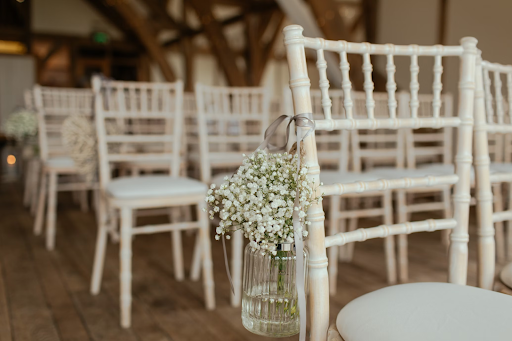
When planning your garden wedding, the comfort and convenience of your guests should be a top priority. This includes sourcing ideal furniture, especially chairs, that will align with the style of your wedding and provide comfortable seating for your guests. The nature of a garden wedding might require special consideration when it comes to selecting and renting chairs. Namely, choosing wooden chair hire is both practical and aesthetically pleasing for an outdoor celebration. Wooden chairs are durable and sturdy, making them perfect for garden weddings where the ground might be uneven or unstable. They also add a touch of rustic charm to the setting, complementing the natural surroundings. You can also choose to decorate them with flowers, ribbons, or other decorations to match your wedding theme
Décor and Design Elements
When it comes to garden weddings, the décor and design elements should complement the natural beauty of the surroundings. Focus on incorporating elements such as flowers, greenery, and other natural materials into your wedding décor. This will not only enhance the overall aesthetic but also add a touch of charm and romance to your celebration.
Consider using seasonal flowers or those that are native to the garden's location for a more cohesive look. You can also incorporate personalized touches, such as DIY decorations or family heirlooms, to add a unique and personal touch to your garden wedding.
Lighting Considerations
The right lighting can create a magical atmosphere at an outdoor wedding, illuminating the garden venue and providing a beautiful glow as the sun sets. For the main areas, consider string lights or chandeliers hung from trees, creating a canopy of lights above your guests. On tables, place soft, romantic candlelight or lanterns to add warmth and intimacy to the setting. Pathways can be lit with ground-level lighting like luminaria or solar lights, ensuring guests can navigate the garden safely. Always check with your venue regarding any restrictions on outdoor lighting, and consider hiring a professional to install and manage the lighting setup to guarantee a seamless experience.
Weather-Proofing Your Garden Wedding
While garden weddings are beautiful, they come with the risk of unpredictable weather. To ensure your celebration goes smoothly, it's essential to have a contingency plan in case of rain or extreme temperatures.
Consider renting a tent to provide shelter for guests and protect them from any unexpected downpours. You can also rent outdoor heaters or fans depending on the season to keep guests comfortable. Lastly, ensure that your wedding attire and those of your guests are weather-appropriate, and have umbrellas on hand just in case.
A garden wedding is a whimsical and enchanting backdrop for any couple's special day. With meticulous planning and attention to detail, you can craft a flawless outdoor celebration that will leave you and your guests with treasured memories for years to come. Remember to select the perfect garden venue, consider seasonal elements, provide comfortable seating, incorporate natural decor, and have a contingency plan for inclement weather. By keeping these essentials in mind, you'll be well on your way to creating the ultimate garden wedding experience.

