

A resource for those seeking information on organizing and transforming spaces.

Long Distance or Local? Essential Tips for Every Move
Whether you're relocating across the country or just across town, moving can be a stressful and overwhelming experience. But fear not! With some planning and preparation, you can navigate your move smoothly, regardless of the distance.
We partnered with a moving company. for this post. The opinions in the post are honest. All reviews and opinions expressed in this post are based on our personal views. We are excited because we know you will love it.

Whether you're relocating across the country or just across town, moving can be a stressful and overwhelming experience. But fear not! With some planning and preparation, you can navigate your move smoothly, regardless of the distance.
This guide will equip you with essential tips for both long-distance and local moves, helping you make informed decisions and ensure a successful transition to your new home.
Planning for Your Move:
Set a Budget: The costs of moving can add up fast. Set a budget early on and include costs for things like moving supplies, packing supplies, possible temporary housing, and any professional moving services you may need.
Choose a Moving Date: When picking a moving date, think about your plan, the busiest moving times (summer and fall), and the weather (especially for long-distance moves).
Declutter and Downsize: Get rid of things you don't need by giving them away, selling them, or burning them. This will save you money on moving costs and cut down on the amount you need to pack.
Packing for Your Move:
Gather Supplies: Buy good quality packing boxes, tape, bubble wrap, and packing bags to protect your things. Each box should have a clear label that says which room it goes in and a short description of what's inside.
Pack Strategically: Put heavy things in smaller boxes and light things in bigger boxes. Even out the weight inside the boxes to keep them from getting damaged during shipping.
Essentials Box: Pack a separate box with essentials like toiletries, medications, a change of clothes, and important documents to easily access them upon arrival at your new home.
Long Distance Move Tips:
Research Moving Companies: Get quotes from several reputable moving companies and compare services, insurance options, and overall costs. Consider factors like licensing, insurance coverage, and customer reviews.
Plan Your Route: If you're driving yourself, plan your route ahead of time, taking into account rest stops, possible traffic jams, and how much gas you'll use.
Prepare Your Vehicle: Before you go on a long trip, make sure your car is repaired and in good working order. Pack an emergency kit with essentials like a flashlight, jumper cables, and a first-aid kit.
Local Move Tips:
Rent a Truck or Hire Movers: Depending on the size of your move and your budget, you might need to rent a truck or hire local movers.
Parking Permits: If your new or old residence requires street parking for moving, secure parking permits in advance to avoid any last-minute hassles.
Coordinate with Neighbors: Inform your neighbors about your moving date and any potential disruptions, like temporary street parking limitations.
Settling into Your New Home:
Change of Address: Notify the post office and other essential services about your change of address well in advance.
Connect Utilities: Schedule connection of utilities like electricity, gas, internet, and trash collection for your new home before your move-in date.
Unpack Strategically: Unpack essentials first, then focus on one room at a time. Label shelves and drawers for easy organization.
Additional Tips:
Get Insurance: Consider purchasing moving insurance to protect your belongings from damage or loss during transit. There are typically two options: valuation coverage (based on the declared value of your items) and full replacement value coverage. Research different plans and choose one that best suits your needs and budget. Remember, even minor damage during a move can be costly to repair or replace.
Take Care of Yourself: Moving can be physically and mentally draining. Plan for breaks, delegate tasks, and stay hydrated throughout the process.
Explore Your New Neighborhood: Once the initial chaos subsides, take some time to explore your new surroundings and discover local shops, restaurants, and amenities.
By following these tips and tailoring them to your specific needs, you can feel confident and prepared for your upcoming move, regardless of the distance. Remember, with a little planning and organization, your move can be a smooth and exciting transition to a new chapter in your life.

Expert Tips for Decluttering and Storage Optimization in NYC Lofts
Discover expert tips for storage optimization in NYC lofts that will help you maximize space without sacrificing style!
Living in an NYC loft offers a unique experience with its expansive layouts and industrial charm, but it also demands smart strategies for decluttering and optimizing storage. Whether you're a long-time loft dweller or just settling into your new urban abode, this guide is packed with expert tips on storage optimization in NYC lofts.
Understanding Your Space
Before diving into decluttering and storage solutions, it's essential to understand your loft's layout and potential storage areas. Lofts often feature high ceilings, open floor plans, and architectural quirks that can be both inspiring and perplexing when it comes to organizing belongings. Understanding your loft's layout goes beyond just recognizing its physical dimensions; it involves deciphering its unique characteristics and quirks. High ceilings, a hallmark of many NYC lofts, offer vertical storage opportunities but may also pose challenges in accessing upper storage areas.
Embrace Vertical Storage Solutions
In NYC lofts, vertical space is your best friend. Utilize tall shelves, wall-mounted racks, and overhead storage systems to maximize every inch of available height. Consider installing floor-to-ceiling bookcases or shelving units to store books, decor, and everyday items while keeping them easily accessible yet out of the way.
Multi-Functional Furniture
Every piece of furniture should serve multiple purposes in a compact loft setting. Look for multi-functional pieces such as storage ottomans, sleeper sofas with built-in storage, or coffee tables with hidden compartments. These clever additions not only provide extra storage but also help streamline your space by reducing clutter.
Customized Closet Solutions

Closet space can be limited in NYC lofts, but you can maximize every square inch with the right organization systems. Invest in customized closet solutions that cater to your specific storage needs, whether shelving units, hanging racks, or pull-out drawers. Consider installing a modular closet system that can be easily adjusted and reconfigured as your storage requirements change over time.
Utilize Under-Bed Storage
Don't overlook the potential of under-bed storage in your loft. Invest in bed frames with built-in drawers, or opt for slim storage containers that can slide neatly beneath the bed. Use this space to store seasonal clothing, extra bedding, shoes, or any items you don't need frequent access to but still want to keep organized and easily accessible.
Optimize Kitchen and Pantry Space
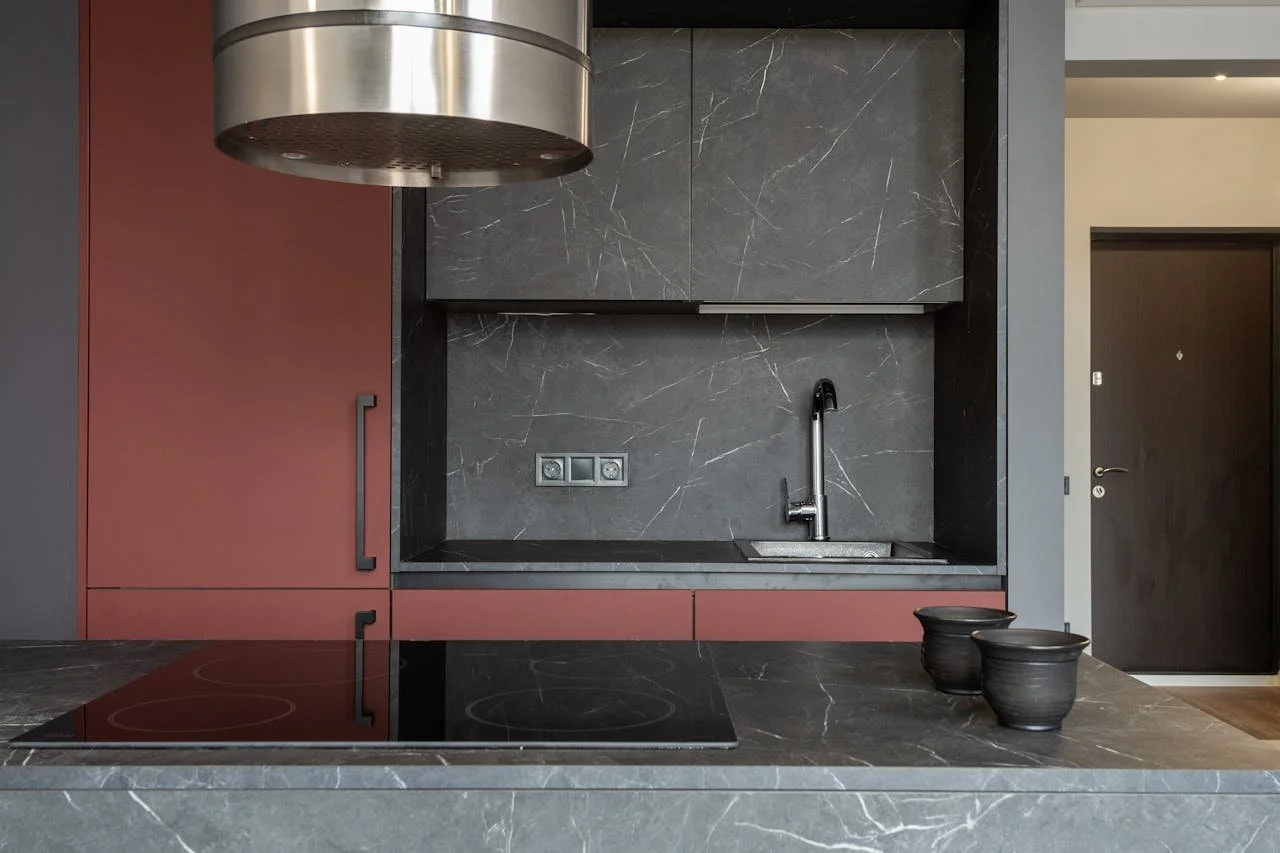
In a loft kitchen, maximizing storage is crucial for maintaining functionality and efficiency. Install open shelves or hanging racks to store pots, pans, and utensils, freeing up valuable cabinet space for bulkier items. Utilize stackable containers and baskets to organize pantry essentials and make the most of limited cupboard space.
Simplify with Storage Services
Enlisting the help of storage services can significantly simplify the decluttering and storage optimization process for NYC loft dwellers. These companies offer a range of benefits, including secure storage facilities, customizable storage solutions, and professional packing and organization services. One major advantage is the convenience of having the storage company arrange transportation from your home to the storage facility. This can make the process more practical and hassle-free. So, instead of worrying about logistics and transportation logistics, you can focus on decluttering and preparing your belongings for storage, knowing they will be safely transported and stored until you need them again.
Divide and Conquer
Creating designated zones within your loft enhances functionality and contributes to a harmonious living environment. Room dividers, such as sliding panels or folding screens, offer flexibility in defining separate areas while maintaining an open feel. Area rugs can anchor each zone, adding texture and visual interest while providing a soft delineation between spaces. Strategically placed furniture, such as bookcases or sofas, can serve as natural barriers, subtly guiding traffic flow and demarcating distinct areas for various activities. By thoughtfully dividing and organizing your loft, you create a sense of purpose and intentionality in each space, making it easier to navigate and enjoy your home to the fullest.
Harness Natural Light and Reflective Surfaces
Maximizing natural light and incorporating reflective surfaces can visually expand the space in your NYC loft, creating an illusion of airiness and openness. Choose sheer curtains or blinds that allow sunlight to filter through while maintaining privacy, and strategically place mirrors to bounce light around the room. Mirrored furniture, such as dressers or side tables, can also contribute to this effect while serving as functional storage solutions. By harnessing the power of natural light and reflective surfaces, you can enhance the ambiance of your loft and create a brighter, more inviting living space that feels larger than its square footage suggests.
Purge Regularly
In a compact living space like an NYC loft, clutter can quickly accumulate if left unchecked. Make it a habit to regularly purge and declutter your belongings, letting go of items you no longer need or use. You can also enlist self-storage services, such as the ones offered by NYC Mini Storage. This solution can serve you well if you are looking for a temporary or permanent solution for your excess belongings.
Storage Optimization in NYC Lofts: Embrace Minimalism

When it comes to decorating and furnishing your loft, less is often more. Embrace a minimalist mindset, opting for quality over quantity when selecting furniture, decor, and personal belongings. Choose pieces that serve a purpose and bring joy to your space while also contributing to a cohesive and visually appealing aesthetic.
Conclusion
There is a unique set of challenges when it comes to decluttering and storage optimization in NYC lofts, but with the right strategies and mindset, it's entirely achievable. By understanding your space, embracing vertical storage solutions, investing in multi-functional furniture, and staying organized, you can transform your loft into a stylish and efficient urban oasis. Remember to regularly purge clutter, embrace minimalism, and create designated zones to maintain harmony within your loft. With these expert tips, you'll unlock the full potential of your NYC loft, turning it into a sanctuary that reflects your lifestyle and personality.

Ways to Declutter Your Home and Make Money While Spring Cleaning
Spring is the perfect time to declutter your home and get rid of items you no longer need or use. Did you know that you can actually make money while doing so? With a little bit of effort, you can turn your unwanted items into cash and create a more organized living space at the same time. In this blog post, we'll discuss some creative ways to declutter your home and make some extra money in the process.
Spring is the perfect time to declutter your home and get rid of items you no longer need or use. Did you know that you can actually make money while doing so? With a little bit of effort, you can turn your unwanted items into cash and create a more organized living space at the same time. In this blog post, we'll discuss some creative ways to declutter your home and make some extra money in the process.
Sell Items Online
One of the easiest ways to make money while decluttering is by selling items online. Websites like eBay, Facebook Marketplace, and Poshmark make it simple to list items for sale and connect with potential buyers. Take some time to go through your closets, drawers, and storage spaces to find clothing, accessories, electronics, and other items that you no longer need. If you have bigger furniture you know you’re going to sell but don’t have the time at the moment, you could always invest in a self storage unit to hold your items temporarily. By selling these items online, you can not only make some extra cash but also free up valuable space in your home.
Have a Garage Sale
Hosting a garage sale is another great way to declutter your home and make money at the same time. Gather up all of your unwanted items, set up tables in your driveway or yard, and advertise your sale in advance to attract shoppers. You'll be surprised at how much money you can make by selling items that are no longer serving a purpose in your home. Plus, garage sales are a fun way to interact with neighbors and enjoy the fresh spring air.
Donate Items for Tax Deductions
If you have gently used clothing, furniture, or household goods that you no longer want, consider donating them to charity instead of throwing them away. Not only will you be helping those in need, but you can also receive a tax deduction for your donation. Be sure to keep track of all donated items and ask for a receipt from the charity so that you can claim the deduction on your taxes next year.
Upcycle Old Furniture
Instead of getting rid of old furniture that no longer fits your style or needs, consider upcycling it into something new and useful. With a little bit of creativity and DIY skills, you can transform an old dresser into a trendy bar cart or repurpose an outdated table into a stylish desk. By giving new life to old furniture pieces, you'll not only save money on buying new items but also reduce waste and clutter in your home.
Rent Out Storage Space
If you have extra storage space in your home or garage that is currently filled with clutter, consider renting it out for extra income. There are websites like Neighbor.com where you can list storage space for rent by the month or year. This is a great way to declutter your home while making passive income from unused space.
Decluttering your home doesn't have to be a daunting task – it can actually be quite rewarding when done right! By following these creative ways to declutter your home and make money while spring cleaning, you'll not only create a more organized living space but also put some extra cashback in your pocket. So gather up those unwanted items, clear out the clutter, and enjoy the benefits of a cleaner and more profitable home this spring!
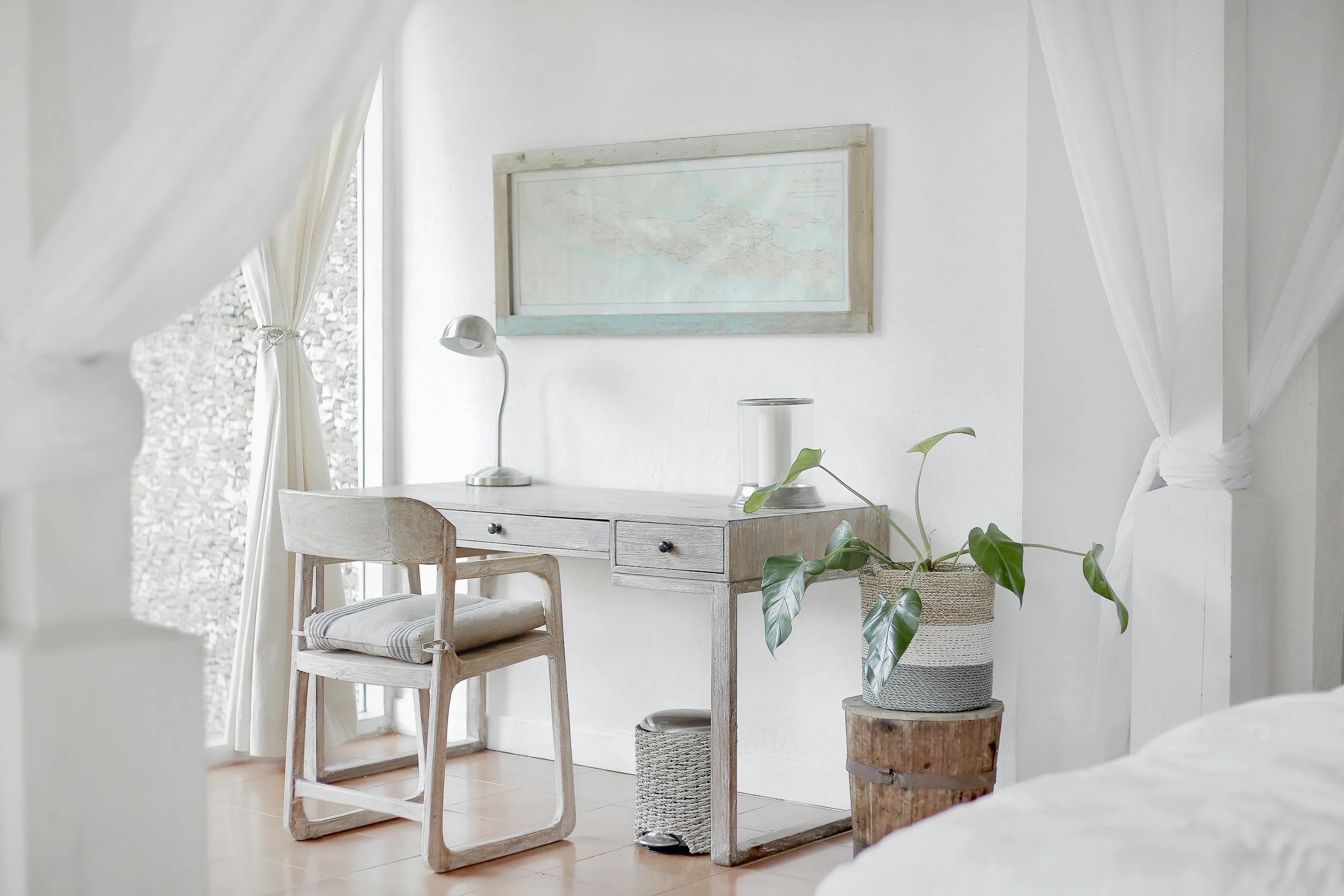
A Comprehensive Step-by-Step Guide to Decluttering Your Home Office
Decluttering your home office is a transformative process that not only enhances the aesthetic appeal of your workspace but also significantly boosts your productivity and mental clarity. The Harvard Business Review even reported that cluttered workspaces can exacerbate feelings of anxiety and stress. This guide will offer you a step-by-step process for decluttering your home office, incorporating efficient disposal of unnecessary items, all with the goal of creating your dream office space.
We partnered with a cleaning company for this post. The opinions in the post are honest. All reviews and opinions expressed in this post are based on our personal views. We are excited because we know you will love it.
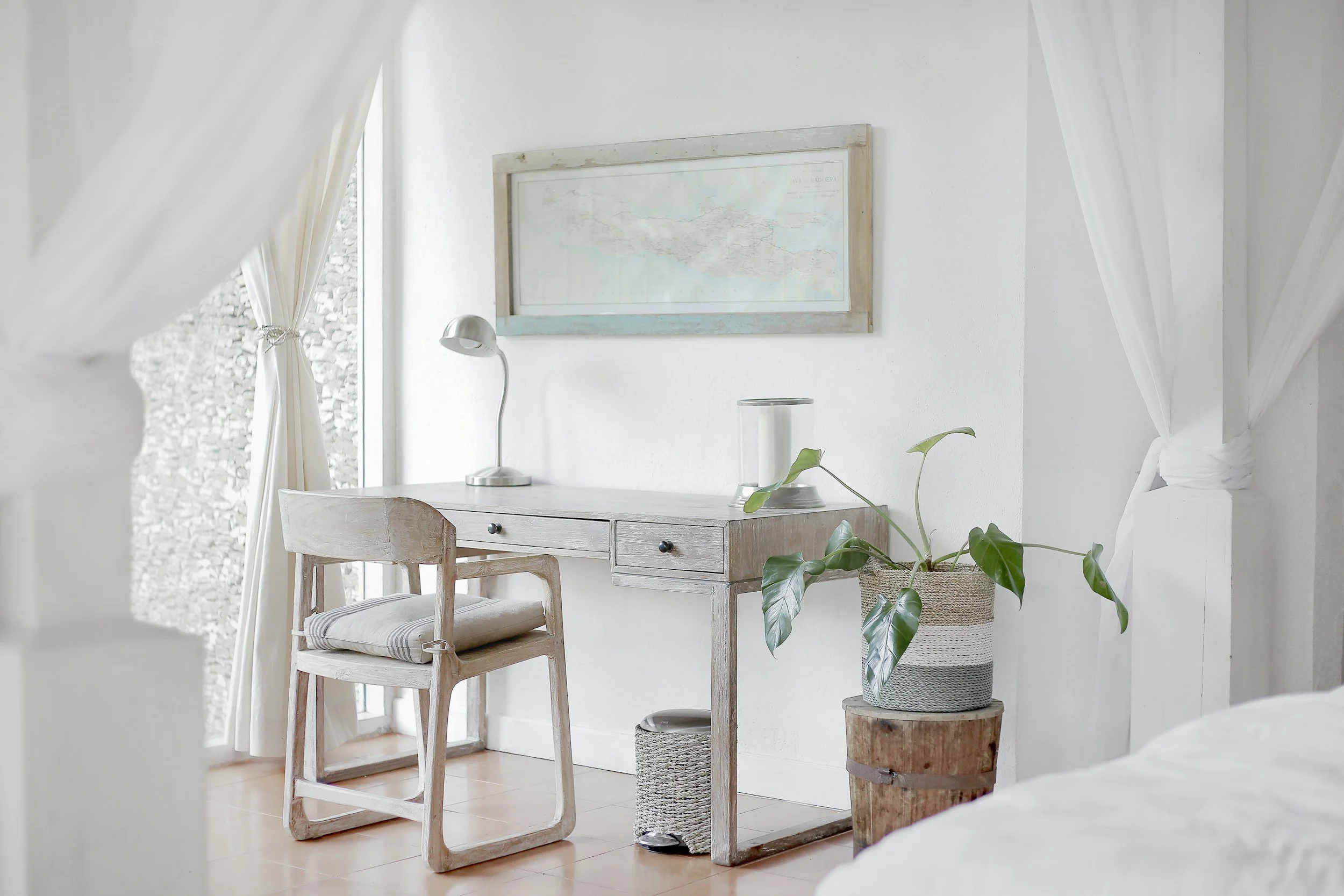
Decluttering your home office is a transformative process that not only enhances the aesthetic appeal of your workspace but also significantly boosts your productivity and mental clarity. The Harvard Business Review even reported that cluttered workspaces can exacerbate feelings of anxiety and stress. This guide will offer you a step-by-step process for decluttering your home office, incorporating efficient disposal of unnecessary items, all with the goal of creating your dream office space.
Step 1: Set Clear Goals
Envision your ideal workspace. What does it feel like? What functionality does it offer? Setting clear, tangible goals will guide your decluttering efforts and keep you motivated throughout the process.
Step 2: Prepare for Decluttering
Arm yourself with the necessary tools for a smooth decluttering process: garbage bags for waste, boxes for donation items, and containers for things you intend to keep. This preparation is crucial for maintaining momentum and avoiding distractions.
Step 3: Sort Your Items
Empty all storage areas and sort through every item on a large surface. Make decisive choices about what to keep, donate, recycle, or throw away. For items that are no longer useful but cannot be recycled, consider options for eco-friendly rubbish removal to ensure an eco-friendly disposal.
Step 4: Organize Documents
Paper clutter can be overwhelming. File away necessary documents, digitise what you can, and prepare the rest for recycling or secure disposal. For sensitive documents that cannot be easily recycled, seek out services that specialize in secure rubbish removal in London.
Step 5: Address Digital Clutter
Digital clutter can be just as distracting as physical clutter. Organize your digital files, clear your desktop, and streamline your email inbox to enhance your digital workspace’s efficiency.
Step 6: Reassess Office Supplies
Critically evaluate your office supplies and keep only what you regularly use. Excess supplies can be donated, or if no longer usable, disposed of responsibly. For large quantities of non-recyclable materials, look into bulk rubbish removal services, or hiring a dumpster.
Step 7: Optimize Storage Solutions
After decluttering, invest in appropriate storage solutions. Use organizers, labels, and strategic placement to keep your office tidy. This step is crucial for maintaining the clarity and efficiency of your workspace.
Step 8: Designate Zones
Creating specific zones for different tasks can greatly improve your productivity. A well-thought-out layout with clear areas for work, supplies, and personal items can streamline your work process and keep your space organized.
Step 9: Implement a Maintenance Routine
Decluttering is an ongoing process. Establish a daily routine to tidy up and a more thorough weekly routine to prevent clutter from accumulating. This habit will keep your workspace in optimal condition for productivity.
Step 10: Personalize Your Space
After decluttering, personalize your space with elements that inspire you. A workspace that reflects your personality and work style can significantly enhance your motivation and satisfaction.
Additional Tips for Success:
Embrace Minimalism
A minimalist approach can reduce clutter and distraction, promoting a focus on your work and creativity.
Utilize Vertical Space
Take advantage of vertical space with shelves and wall organizers to keep essential items accessible without cluttering your workspace.
Tackle Cable Clutter
Manage cable mess with organizers or clips to enhance the visual cleanliness of your office.
Reflect and Adjust
Regularly assess the functionality of your space. Be willing to adjust your setup as your needs change to maintain a productive and satisfying workspace.
Conclusion
By thoroughly decluttering your home office and employing a disciplined approach to maintenance, including the responsible disposal of waste, you can create an environment that fosters productivity, creativity, and well-being. A clutter-free office is not just about aesthetics; it's about creating a space where your best work can happen.

