

A resource for those seeking information on organizing and transforming spaces.
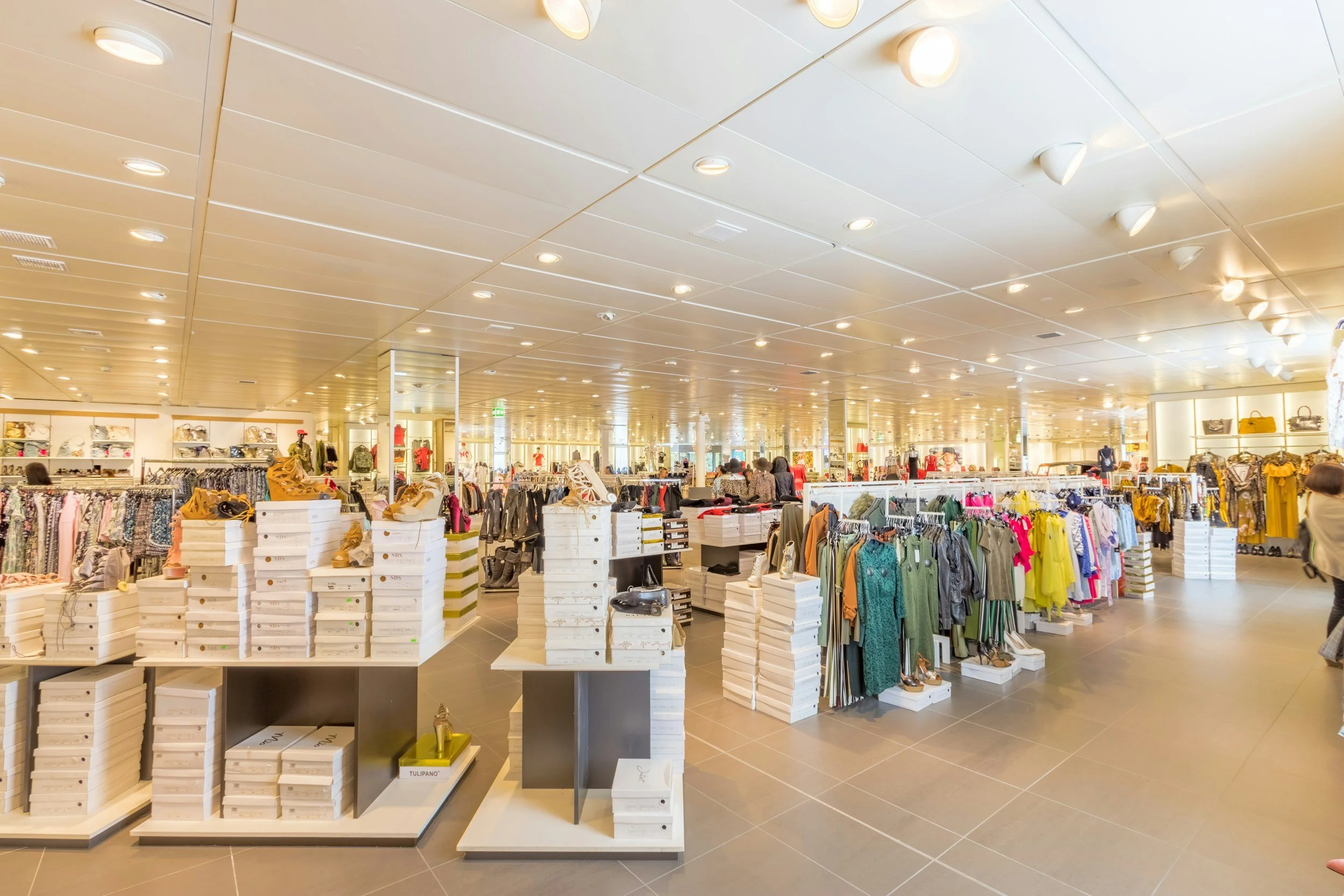
How to Strategically Organize Your Retail Displays
Create visually appealing and organized retail displays to attract customers and increase sales. These tips can transform your store into a shopper's paradise!
We partnered with a business resource company. for this post. The opinions in the post are honest. All reviews and opinions expressed in this post are based on our personal views. We are excited because we know you will love it.
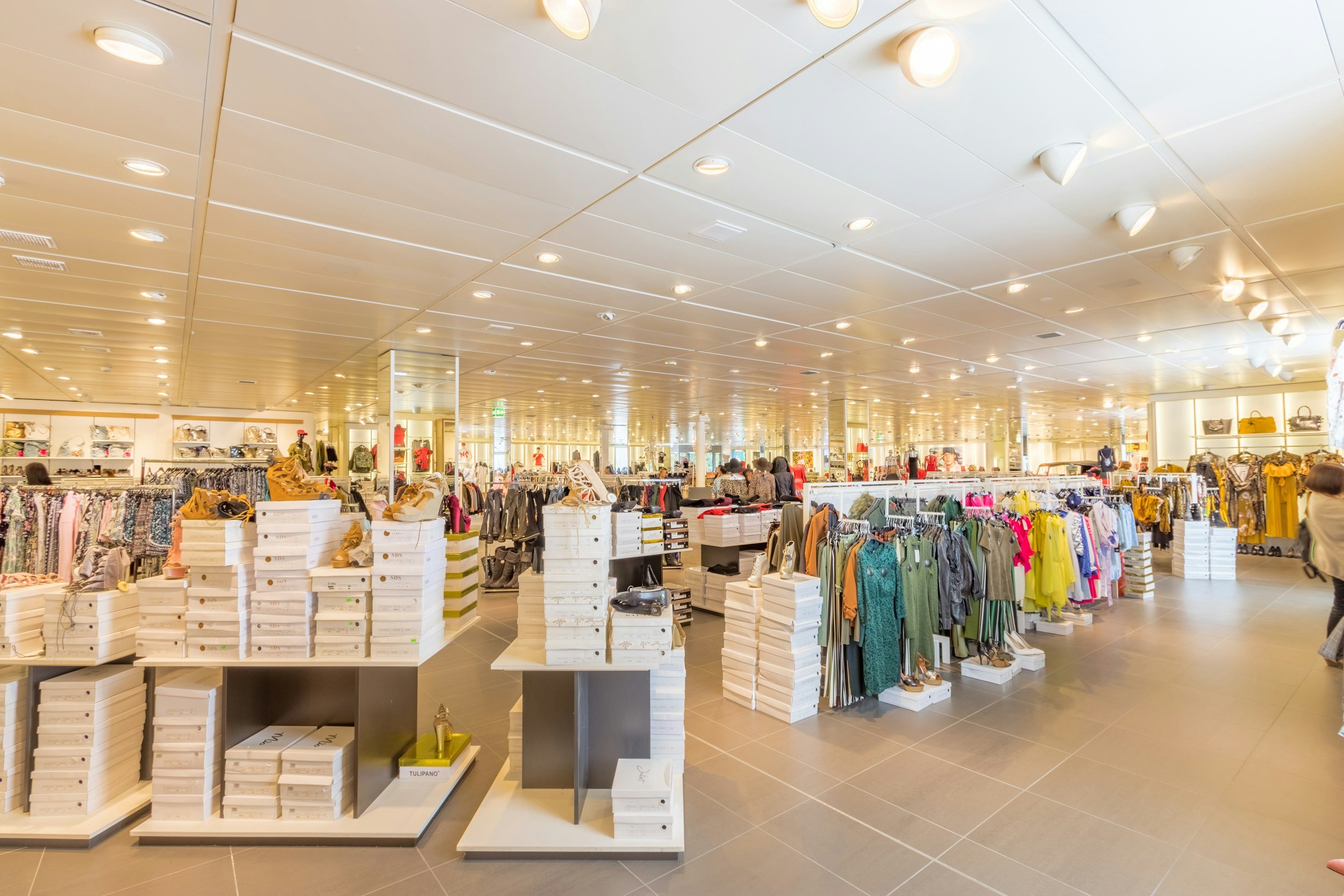
Running a retail store can be an exciting and rewarding experience. However, it also comes with its challenges, including organizing your display. As a retail store owner, you know how your products are presented and can make or break a sale. However, don't worry since you're not alone in this struggle.
Many successful retailers have cracked the code to strategically organize their displays to maximize sales and create a positive customer shopping experience. In this blog post, we'll dive into some tried-and-tested techniques to help you effectively arrange your retail displays to boost sales and keep your customers returning for more.
Solid Tips to Help You Organize Your Retail Store
Apart from window decals, the retail store's layout is another great place to start if you want to invite people because it guides or controls your customers as they interact with your products. Once strategically arranged, you can guide them to your most profitable items, resulting in more sales.
Our list below can help you learn how to effectively organize retail stores and discern the best strategies to serve you.
Popular Items on the Back
A popular strategy in retail and grocery stores is placing popular items on the back. It has been a well-accepted fact that business owners put popular items on the back to force shoppers to walk towards them.
It's because customers pass by enticing products along the way by tapping into the visual stimulus element of human psychology to encourage impulse buys. The farther customers enter the store, the more likely they are to find something that appeals to them.
Owners can implement this by using a heatmap. It will show the way your customers move throughout your store. Track the most commonly used paths and place attention-grabbing items along the way to your most popular products. It will maximize impulse buys, which, in turn, will also maximize your sales and profit.
Discounted or Exclusive Items in Front
Another organization tip is to display discounted or new items in the front since it will be the first thing shoppers will see as they enter your store. It will push them to browse it and see if they can find something they like. This strategy also works well if exclusive or limited edition items are only available in your store.
Some benefits of this strategy include:
Instill curiosity in passersby and make them want to enter your store.
Increase foot traffic in the front area of your store.
More impulse buys due to the exclusivity of the product.
You can also put up Custom Storefront Decals to let them know about discounts or sales you have. Regarding exclusive items, you can use signage to highlight their features and create a sense of urgency for customers to purchase them.
Attractive Products Should be at Eye Level
One strategy you shouldn't pass up on is being strategic with the products you display on eye level. It's a crucial area you want to capitalize on since it's where your customers' eyes will immediately go when they enter your store.
Most retail stores offer slotting fees, which customers must pay to have their products featured in the eye-level zone of retail environments. Although slotting fees can add to your cash flow, you can still organize your store how you want to supplement your other marketing efforts.
For instance, placing sale items at eye level will encourage shoppers to buy them. You can also place related products at eye level to remind customers of other necessary items.
Placing Balanced Endcaps
Endcaps are a great way to maximize your store's floor space. However, it would help if you balanced it, and it doesn't have to be overly crowded with products.
A balanced endcap involves placing a few featured items on top of the display, followed by larger quantities of the same item beneath it. It creates an illusion that there's not much left, making customers feel like they need to buy now or risk missing out.
Some tips on balancing your endcaps:
Frequently change your endcaps and the products you display on them to keep customers interested.
Use white or neutral colors as the background of your products.
Choose a theme for the day or week to create a cohesive look for your endcap display.
Moderately vivid endcaps are the most effective at selling. Therefore, your goal should be an endcap that provides stimulus without being overwhelming. You can also add audio and visuals for a more compelling outlook.
Consider Your Lighting
Lighting is the key to a more visually pleasing display. Adequate lighting will help your customers see your products more clearly for products with small details. It will encourage them to spend more in your store because they look better and more attractive.
Various types of lighting to invest in:
Ambient: The primary source of light in your store.
Accent: Focuses on specific areas.
Task: Used to find things or to see better.
Decorative: Adds aesthetic and character to a product or a space.
You want to invest in ceiling and display lighting to light your store. Ceiling lights are for general illumination, while display lights highlight particular products. You can also use colored lights to add dramatic effects and produce a striking atmosphere in your store.
Don't Leave Empty Spaces
Empty shelf spaces are a big no-no in stores because they leave a bad impression on your customers' minds. A store with many empty spaces will likely be seen as unorganized and lacking variety.
Studies have shown that empty shelves have a substantial negative impact since they deter shoppers from buying other products if they don't find what they want. Therefore, you want to fill every space in your store with items or decorations.
To avoid empty shelves:
Make sure to restock products regularly, especially during peak hours.
Organize your stockroom and make it easily accessible to quickly refill shelves.
Use signage or displays to fill up empty spaces temporarily while waiting for a product to be restocked.
Add Character to Your Store with Good Organization Tactics
Your store is more than just a place for customers to buy products; it's an experience. By organizing your store according to the customers' preferences, you create a welcoming and enjoyable shopping experience that will encourage them to return time and time again. Remember, a well-organized store attracts customers and maximizes sales and profits!

5 Essential Solutions to Decluttering Your Home This Summer
Decluttering your home can transform your living space from chaotic to tranquil, especially during the summer months when the aim is to enjoy the longer days in a peaceful environment. Here are five practical solutions for homeowners looking to declutter their homes effectively this summer.
Decluttering your home can transform your living space from chaotic to tranquil, especially during the summer months when the aim is to enjoy the longer days in a peaceful environment. Here are five practical solutions for homeowners looking to declutter their homes effectively this summer.
Start with a Clear Plan
Before you begin, outline your goals for decluttering your home. Ask yourself where are you planning to work, what do you plan to do with the items you want to keep or get rid of, and how long do you expect the job to take you. Identifying specific areas of focus, such as closets, drawers, or entire rooms, can help you tackle decluttering tasks systematically and give you a solid plan to work with. This is important because a plan will keep you organized and motivated as you go, ensuring you don’t overlook any spaces that need attention or feel like you've taken on an endless task.
Adopt the Four-Box Method
To streamline the decluttering process, use the four-box method: keep, donate, sell, or toss. As you sort through your belongings, assign each item to one of these categories and then deal with it accordingly. This method simplifies decision-making and encourages you to think critically about the necessity and value of your possessions. Be sure to stick to your decisions as well, as it can be difficult to part with items that might otherwise need to be tossed, or that could go to a good home elsewhere.
Focus on One Space at a Time
Attempting to declutter every space in your entire home simultaneously can be overwhelming. Instead, focus on one room or area at a time and only move on once you're done in that room. This approach allows for more thorough sorting and decision-making, ensuring each space receives the attention it deserves.
Utilize Storage Solutions
Invest in storage solutions that maximize your space while keeping it organized. Methods like shelving units, under-bed storage containers, and over-the-door organizers can significantly increase your storage capacity and make it easier to maneuver around the house. When packing things into bins, consider the use of labels to easily identify stored items, making it simpler to find what you need when you need it. For items you can't get rid of, but don't have space for, or to make instant space that gives you room to work, you can look into storage garages like the ones that can be found with South Town Self Storage Inc. or pods that can sit in your driveway. This way, you don't have to immediately get rid of everything you can't find space for in your home, but it also doesn't have to take up valuable space in your home.
Make Decluttering a Habit
Going forward, decluttering should be an ongoing process rather than a one-time event. Regularly reevaluate your belongings and eliminate clutter before it accumulates. Adopting habits such as putting things away immediately after use and implementing a ‘one in, one out’ policy can help maintain a clutter-free home. You might also set aside a specific time of the year to go through various areas in your home, like your garage, attic, or outdoor shed if you have one, that might otherwise go neglected in order to clear out what you don't need anymore.
Decluttering your home this summer provides a perfect opportunity to create a more enjoyable and restful living environment. These five essential solutions lay the groundwork for effective decluttering, enabling homeowners to tackle the task with confidence and ease. Remember, decluttering is not just about removing excess items but also about reclaiming your space and cultivating a more organized lifestyle.

How to Prepare for Moving to Another City
Moving to a new home is easier if you are well-prepared for your move. And, of course, proper planning is even more essential if you are about to move to a different city.
We partnered with a storage company. for this post. The opinions in the post are honest. All reviews and opinions expressed in this post are based on our personal views. We are excited because we know you will love it.

Moving to a new home is easier if you are well-prepared for your move. And, of course, proper planning is even more essential if you are about to move to a different city.
Whether you want to move to attend college, to take advantage of a great job opportunity, to get closer to your family, or simply because you want to get settled in a location you love, learn how to plan to move to another city long before you start packing your boxes.
Do some research
Even if you already know the city where you want to move, you should do some thorough research. Learn as much as possible about neighbourhoods where you want to settle.
Research the job market, the public transportation options, the amenities, and the safety of different areas of your future city so you can make an informed decision.
Make your moving budget
You must also know the living costs of relocating to this city. List all your possible expenses, such as the average costs of buying or renting a home. Include your future monthly utility bills and all school expenses if you have children. Considering moving costs, you might need to save money before moving.
Look for your new home
If you want to rent an apartment in another city, look for different options online. Of course, you will eventually need to travel to your new city to visit the apartment you want to rent. You will also need to sign the necessary paperwork.
If you want to buy a house, it could be an excellent idea to contact a real estate agent who knows the neighbourhood where you wish to move.
Sell your current home or end your lease
You will eventually need to sell your house or end the lease on the apartment you rent. Knowing you will have a home to move to might be best before listing your house or notifying your landlord.
Rent a moving truck or a moving storage container
If you want professional movers to handle everything, schedule your move long in advance. You want a team of movers and a moving truck ready for you when it fits your schedule.
Moving storage containers is another option to accommodate your needs. This is especially true if you need temporary storage before moving into your new home.
Declutter your home and make an inventory of your belongings
A practical tip for planning a move to another city is to declutter your home before packing your belongings.
Be sure to eliminate all the items you don’t want or need anymore, either by selling them, donating them, or throwing them away. The fewer items you have to pack and move, the cheaper your move will be. You should also inventory all the stuff you want to move.
Pack your belongings
Next, you will have to pack all your belongings. Start at least a few weeks before moving day, so you have plenty of time to do everything properly.
Remember to pack a box or bag of essentials in your car. Household members should have a bag of essentials, toiletries, and at least a change of clothes.
Take care of your utilities
Making the arrangements for utilities is natural when moving into your first home. Call your current utility companies to tell them when you will move out, and contact the utility providers in your new city to let them know when you will move into your new home.
Move and get settled in your new home
On a moving day, ensure your car has a full gas tank. Pack your essentials and snacks in your car while your movers handle the rest. Don’t forget to tip them when you pay them. Travel to your new home in your new city and start unpacking as soon as possible.
Change your address and transfer your records
Remember to change your address at the post office and any subscriptions. Arrange for your medical and dental records to be transferred to your new healthcare provider.
If you have kids, also arrange for their records to be transferred to their new school. And, of course, let your loved ones know your new address.
Explore your new city and develop your new routine
Now that your move is complete explore your new neighbourhood, get familiar with your new surroundings, and get used to your new life. You should quickly develop a new routine and make new friends.

Everything You Need To Know Before Hanging Shelves
Installing new shelves can feel daunting, but with the right tips, it doesn’t have to be. Here’s everything you need to know before hanging shelves.
Shelves are the backbone of any home or office space. They hold memories, store essentials, and showcase your favorite items. But before you start drilling, you need to know the proper way to hang a shelf to combine functionality and style. Whether you’re a DIY guru or a novice decorator, the right knowledge can make all the difference. We'll explain everything you need to know before hanging shelves.
Choosing the Right Shelving
Not all shelves are equal, and the first step in your installation is choosing a type that meets your needs. Floating shelves offer a minimalist, sleek look and can be more challenging to install.
On the other hand, bracket shelves are more traditional and offer a sturdier option. Don't forget about corner shelves to maximize those tricky spaces.
The material of the shelf is also crucial. Wood is warm and inviting, while glass or metal can add a modern touch. Consider the size and weight capacity. A shelf that's too large or not strong enough for your items can be a hazard.
Tools and Materials Needed
You won't get far without the right tools. You'll need a good quality tape measure, a level to ensure your shelves are straight, and a stud finder to locate secure anchor points. A drill with assorted drill bits and a screwdriver (or driver bit) attachment are also must-haves.
You may need specialized brackets or hardware if you're installing floating shelves. For the shelves themselves, keep all-purpose screws or specialized shelf brackets ready. Having a guide to choosing the right shelf brackets can be helpful.
Planning and Preparation
Before doing any drilling, meticulously plan where your new shelves will go. Measure the wall space and your shelving unit to ensure a good fit. Draft the layout on the wall using a pencil and level.
It's crucial to locate wall studs and mark their placement, as these studs will provide the support you need. If your shelf layout doesn't align with studs, you'll need to use wall anchors. Select them based on the wall material and the weight you plan to place on the shelves.
Safety and Maintenance
Safety should always be a priority. Never exceed your shelves’ weight capacity, and always ensure heavy items are secure. It's wise to periodically check the condition of your shelves, especially after placing new or heavy items on them.
Look for any signs of stress on the shelves or mounting points, and address them promptly. Proper maintenance ensures that your shelves stay beautiful and functional for years.
Now that you’ve gone through everything you need to know before hanging shelves, you're well on your way to creating a space as organized as it is beautiful. Remember that each wall and shelf installation is a learning experience, so don't feel discouraged by any early missteps. Take your time. Before you know it, you’ll have a stunning and functional shelf display.

