

A resource for those seeking information on organizing and transforming spaces.

Guest Post - 5 Ways to Balance Space and Style in Your Home
Balance space and style in your home! This guide will discuss 5 design tips to help you fit your breakfast equipment and other essentials in your living space.

Now that the market is more active than ever, consumerism is at an all-time high. Thanks to bright entrepreneurs and the latest technological advancements, businesses across all sectors are continuously able to produce a myriad of products. While the constant entrance of new goods may be a good thing for the economy, rapid consumption has led to a lot of people buying too many things.
If you’re living in a small home, having too much stuff can be a bit troubling. Considering that your space is limited, fitting everything in your apartment while making it look appealing can feel like such an impossible task. The good news is, you can solve this issue by taking note of some simple design tips.
To help you fit, say, your breakfast equipment with your other home essentials, our guide will teach you how to create sensible spaces without sacrificing your desire for a stylish home.
1. Live and breathe minimalism
The first step to balancing your home’s function and appeal is to tweak your mindset. Now that buying products can be done as quickly as a click, you’ll need to practice restraint and prevent yourself from impulse shopping. While an online sale may tempt you to splurge, make it a point to ask yourself if you truly need the things you’re getting.
The best way to avoid a messy home is to prevent clutter from filling it. With this in mind, practicing minimalism is ideal since it will keep your space tidy and help you save up for more important items.
2. Designate zones
One good way to know which item goes where is to designate zones. Keeping your work essentials in your bedroom may be convenient, but it can eventually lead to a messy living space. Creating partitions will help you specify where a particular piece of furniture should be placed, and this can be productive in several ways. Other than giving your home a stronger sense of order, assigning a certain function to an area will make a huge difference in your overall productivity.
3. Remember that smaller isn’t always better
People who live in an apartment tend to settle with smaller furniture and belongings. While going for tinier pieces can let you save up a great deal of space, it can have the opposite effect on your home’s overall ambiance. Too many cups, tables, and knick-knacks can create visual clutter and this can prevent you from making your space look clean.
With that said, always remember that smaller isn’t always better. As long as you measure the things you’re buying and space things out in advance, you shouldn’t hesitate to buy big furniture and other statement pieces for your home. A big couch in your living room will look and feel a lot better as compared with dozens of small chairs just scattered around.
4. Follow a specific color scheme
Following a color scheme doesn’t necessarily solve your spacing issue but it can make all the difference in your home’s atmosphere. Matching colors can add a sense of unity within all your household items and spice up your apartment significantly. Paired with excellent lighting, this should help you emphasize certain areas of your home and make your living quarters look a lot bigger.
5. Purchase multi-functional furniture
When selecting furniture, make sure that the pieces you’re buying can serve multiple functions. Tables that have drawers, couches that have storage areas, and coffee tables with hidden compartments are ideal since they all reduce the number of things in your home. At the same time, getting pieces that are upright or vertical will significantly increase your floor space and allow you to store your belongings more efficiently.
Try these tips and let us know how it worked for you!
Author Bio
Marla Mendoza is the Marketing Manager of Filigree. She has been handling the marketing and communication initiatives for the high end brand of Filinvest Alabang Inc. Prior to managing the brand, she was in charge of focused residential and township developments. Marla has been in the marketing industry for over 10 years both in the hospitality and real estate industry.

Guest Post - Top 5 Most Popular Home DIY Projects
There are many different kinds of DIY home improvement projects. Some are smaller, inexpensive weekend activities while others can cost thousands of dollars and take weeks to complete.
If you’re a homeowner, chances are you’re going to consider doing a project yourself at some point in the future. When you get the itch to improve your abode, here are five of the most popular DIY projects to consider.
There are many different kinds of DIY home improvement projects. Some are smaller, inexpensive weekend activities while others can cost thousands of dollars and take weeks to complete.

If you’re a homeowner, chances are you’re going to consider doing a project yourself at some point in the future. When you get the itch to improve your abode, here are five of the most popular DIY projects to consider.
Paint Your Home
The most iconic home improvement project has to be painting. Whether you’re giving the outside of your home a fresh coat of stain or you’re overhauling the interior with a menagerie of new colors, painting is an easy activity for homeowners to do themselves.
Be warned, though; the process does get a bit involved. For one thing, painting can take a very long time. If you’re going to paint a large outdoor area, consider renting a paint sprayer or even buying a small one outright. Additionally, you’ll want to factor in time to choose the right color, test it beforehand, and clean up properly afterward.
When you’re finished painting, don’t forget to store your leftover paint in an easy-access Mason jar to keep it fresh and ready for any touch-up work you may have in the future, as well.
Replace Hardware
One of the quickest home improvement projects is replacing hardware. All that is required is choosing new hardware at the store and then going around your home with a screwdriver. Pop off old handles, attach new ones, and, hey presto, you’re all set.
New hardware is a quick and easy way to spruce up a space like your kitchen or bathroom with minimal effort. Be warned, though, quality hardware can be pricey — especially when you commit to buying 10 or 20 pieces at the same time.
Address Windows and Doors
Most homeowners are aware of basic window and door care. Things like cleaning windows and maintaining window wells are important aspects of home maintenance.
If you’re looking for a more ambitious DIY project, though, you can take things with your windows and doors a step further. For instance, you can:
Seal up leaks with caulk and weatherstripping.
Hang barn wood doors in your home.
Add or replace trim.
Paint existing door and window trimming.
Replace old or leaky windows with easy-to-install retrofit windows.
By tending to your windows and doors you can improve both the look and functionality of your home.
Add New Flooring
Flooring is another great DIY project. There are numerous options easy for homeowners to learn on their own. This includes things like:
Using vinyl planking.
Laying down bathroom tiles.
Refinishing hardwood floors.
Installing carpet.
Regardless of the specific kind of flooring, remember to carefully calculate the square footage of the space that you’re working in. Remember to order extra flooring as well.
Improve Storage
When home improvement is discussed, it typically invokes images of kitchen remodels and additions. However, sometimes the smallest, most effective remodels can be the most effective.
Improving your home’s storage options is a great DIY remodeling option. It gives you more space to store temporarily unneeded items and can be a great way to improve your home’s organization. A few of the most common storage DIY remodels include:
Adding a pantry in the kitchen.
Installing an organizer into your closet.
Adding a medicine cabinet or cabinetry in the bathroom.
Putting up shelves in any area of the home.
Storage is the unsung hero of a quality living space. The fact that it’s also a popular and easy DIY home project makes it that much better.
Improving Your Home on Your Own

There are many popular improvements that you can make in your own home. Anything from lighting and hardware to flooring, painting, windows, and doors can make a huge difference in your home’s overall look and feel.
So take a look at the list above, select something particularly relevant to your home, and then have fun setting your plans in motion. Before you know it, you’ll be relaxing in your fresh, new space.
Author Bio: Noah Rue is a freelance writer.

Guest Post - How to Get the Most Out of Time Tracking to Improve Your Productivity
Time tracking apps are an excellent, vital tool for anyone who works from home, especially if they’re self-employed. At the same time, they’re like any productivity software in that they’re only as effective as you make them. If you don’t know what you’re doing, they aren’t likely to be of much use.
Time tracking apps are an excellent, vital tool for anyone who works from home, especially if they’re self-employed. At the same time, they’re like any productivity software in that they’re only as effective as you make them. If you don’t know what you’re doing, they aren’t likely to be of much use.
Working from home can get pretty rough, especially if you’re your own boss. The odd conference call and digital meeting aside, you don’t usually have a set schedule of any kind.

This can lead to some incredibly bad habits: Working late. Cramming all your work in at odd hours of the day. Failing to take any time off, or hardly working at all.
That’s one of the reasons I love time tracking apps. They introduce structure into your day-to-day. They allow you to more effectively block out your day into a collection of distinctive tasks, which helps you feel more accomplished and gives you a better idea of how much, how hard, and how frequently you work.
But as noted by Quartz’s Corinne Purtill, this can be a double-edged sword. In an email reportedly sent to a time tracker’s customer support staff, she recounts how distracting and disruptive Toggl ended up being in the context of her workplace. She found herself unhappily dwelling on how much time she wasted on grunt work, and on how frequently she had to return to the app as a result of constantly switching between tasks and projects.
The issue, Purtill acknowledges, is that time tracking doesn’t really mesh with how she approaches her workday. She used the app not because she felt motivated, but because she felt obligated. Because that’s just what you’re supposed to do when optimizing your productivity.
The thing is, the way you work is deeply personal. If you’re going to use any time tracking app, you need to consider how you’ll adapt it to your unique workflows. More importantly, you can’t just mindlessly track your hours - you need to manage them as well.
To that end, there are a few things you can do.
Consider what tasks or projects you most frequently work on during the day. It may be worthwhile creating premade categories for each. I’d also advise creating one for general work, as well, such as small jobs that don’t really fit anywhere else.
Go in with specific goals. Consider why you’re tracking your hours. Do you want to optimize how much time you spend on each project? Do you want a better work/life balance? Are you simply curious about how your day looks?
Prioritize and learn when to say no. Remember, not all tasks are created equal. Always take care of your most important, most time-sensitive jobs first. And more importantly, learn to recognize when you’re overwhelmed or when your attention needs to be directed elsewhere. In other words, learn how to set healthy boundaries where your workload is concerned.
Work to be less distracted. We are surrounded by distractions, and none of us are as good at multitasking as we’d like to think. The final and most important piece of advice is to be smart about where and how you direct your focus. Cut out as many unnecessary distractions from your workday as possible and you might be surprised at how much more you get done.
Ironically, time tracking can end up being both distracting and time-consuming. But it doesn’t have to be. As long as you’re smart, focused, and strategic about it, it’s an incredible addition to just about any workday.
Author Bio
About the Author: Brad Wayland is the Chief Strategy Officer at BlueCotton, a site with high-quality, easy-to-design custom t-shirts.
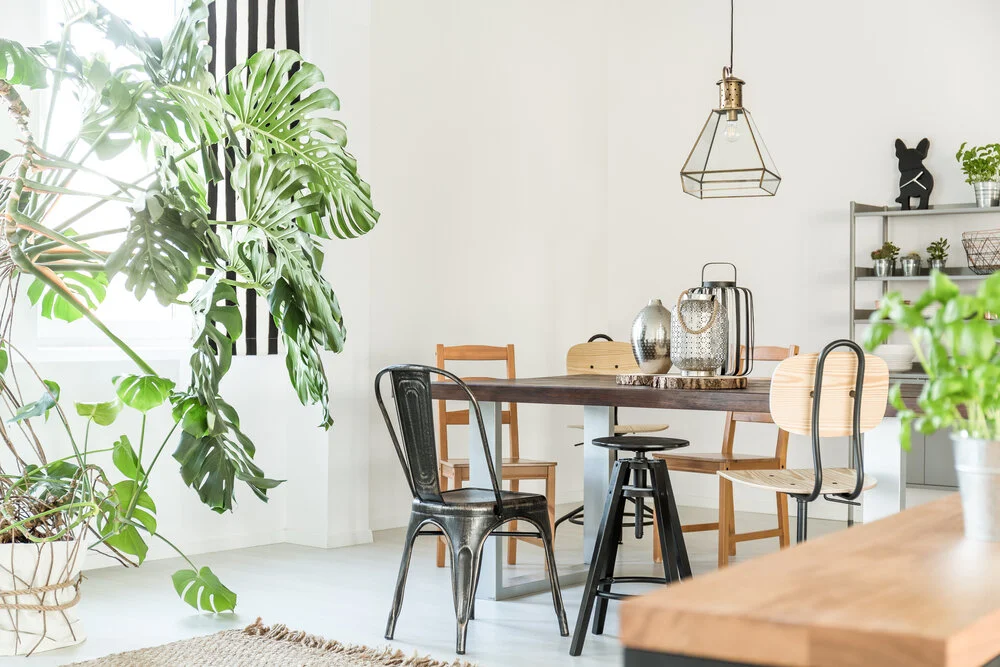
Guest Post - 5 Ways to Save Money When Buying Your Next Home

For most people, a home is the highest-value asset you’ll ever purchase. That can make the process pretty intimidating — after all, you’ll want to ensure that you’re getting a good deal, that the company you work with to finance the mortgage is honest, and that your home is likely to appreciate over time.
There’s no simple method that works for everyone. However, there are plenty of tips and tricks that you can use to help make sure that you get the best deal possible when buying your next home. Below, you’ll find 5 of our favorite methods for saving money during the homebuying process.
Check them out, and be sure to share with your friends to help them get the deals they deserve the next time they’re in the search for a mortgage.
Start by saving for a down payment
Your down payment is the sum of money that you pay before you start making regular mortgage payments. Ideally, a down payment should be around 20% of the price of the home, but these days, many banks and lending agencies will allow you to make a down payment of less than that amount.
While that may seem tempting, there are some good reasons to wait a while and ensure that you have the full 20% before committing to purchasing a home. Here are a few of the benefits:
A bigger down payment often means a lower interest rate. Your interest rate is part of the cost of your mortgage, and by having a large down payment, you can often lower that rate — which means paying less over the long-term.
A full 20% down payment also means you’ll likely avoid paying mortgage insurance. Private mortgage insurance (or PMI) is an amount you pay on top of your mortgage that helps your lender feel more secure if you have a low down payment. If your down payment is high, you can often avoid PMI.
Sellers may be more willing to close at a lower price if they know they will be getting a larger amount up front. Having a full down payment is a huge help in the negotiating and haggling process (more on that in a later section).
It’s frustrating: you want to purchase your home and move in right away, and the idea of waiting another year or two to grow your savings so you can hit 20% doesn’t sound great. But trust us, it’s worth the savings in the long run.
Work on your credit score
The next way to save money is by having a solid credit score. If you don’t know, your credit score is basically big financial institutions’ way of measuring how trustworthy of a borrower you are. If you have a great track record of borrowing money and paying it back on time and in full, you’ll have an awesome score. If not, then your score might need some work.
If you do find that your credit score is a little rough around the edges, don’t panic. There are always ways to repair your credit, like consolidating and repaying debts, for example.
What does this have to do with buying a home? Well, the higher your credit score is, the lower your interest rate is likely to be. The strategy here is pretty similar to having a high down payment: basically, if you’re a trustworthy borrower, companies are more likely to let you borrow money at a lower rate.
Always shop around for financing

home
If you’re new to homebuying, you might not realize that the first place you get a quote is not always the best place where you’re likely to find financing. While heading down to a trusted credit union or local bank is always a good idea, it’s still smart to get multiple quotes and compare rates from different agencies before signing anything.
It’s always smart to have multiple options on-hand. Some places might offer low rates, but you might not realize that the rate isn’t fixed; they could hike it up after a couple of years. Other banks might have high closing costs or fees associated with their mortgages that you’d rather avoid.
Plus, if you get a quote from one institution, then take that quote back to another one you’re more interested in working with, the second one might actually lower their rate to match the better quote. That brings us to the next strategy.
Don’t be afraid to haggle
People get nervous about haggling — they think it’s rude, or that it may wind up with them getting a worse deal. While it’s important to be polite, it’s equally important that you make sure you get a fair deal, and often, haggling is an important part of that.
As mentioned before, there are ways to make it easier. For instance, if you already have financing in-hand, and you’ve saved up for a full 20% down payment, the sellers may be willing to shave a few thousand (or even tens of thousands) off the asking price.
The key is to offer, hear their counter-offer, assess whether you’re willing to take that, and then offer again. One risk that’s worth noting, however, is that if someone is willing to pay at or above asking price, you may lose out. Ultimately this will depend on how competitive the market you’re buying in might be.
Additionally, if the home needs work, you can always haggle on the cost of labor, having the seller pay the repair costs, etc. Don’t be afraid to haggle to get exactly what you want, within reason of course.
Invest in growth
Lastly, something many people might not realize is that one way to save money is to make money. How does that apply here? Think about it this way: if you purchase a house for a low price in an area where prices are falling, your equity will be low. It’s smarter to purchase a slightly pricier house in an area where housing costs are increasing, which will mean that, over time, your equity will increase too.
The higher cost now ultimately means you’ll have more money in your pocket later on — which is the goal of savings, after all. Remember, before purchasing your next home, be sure to use these 5 tips and help lower the cost of your mortgage.
Author Bio

Samantha Rupp holds a Bachelor of Science in Business Administration. She is the managing editor for 365 Business Tips as well as runs a personal blog, Mixed Bits Media. She lives in San Diego, California and enjoys spending time on the beach, reading up on current industry trends, and traveling.

