

A resource for those seeking information on organizing and transforming spaces.
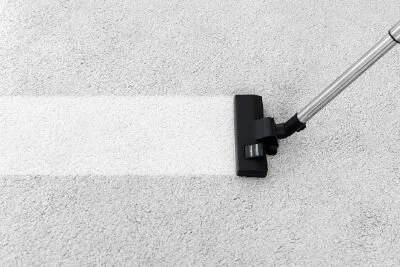
Should You Clean or Replace Your Carpet?
If you’re responsible for maintaining your home, you’ve probably found yourself asking: Should you clean or replace your carpet? Read this guide to find out.
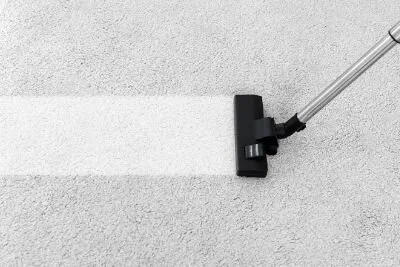
Carpets are essentials part of the home. They make any room feel cozier and homier. Regularly cleaning your carpets is important, but sometimes it can be hard to tell whether you should clean or replace your carpet. This guide will help you determine whether professional cleaning or replacement is the best option for your carpet.
Signs You Should Clean Your Carpet
It Appears Stained or Dirty
Carpets tend to accumulate bits of debris quickly, becoming dirtier than your other furniture. If your carpet appears dirty, it means that the filth has worked itself into the carpet’s fibers and that the carpet is already overdue for a cleaning. If your carpet has a stain, don’t panic—a professional carpet cleaner can often remove even the most stubborn of stains.
It Smells
If you notice that your carpet smells, it’s time to get it cleaned. Carpets can acquire an odor over time, especially if you have pets or messy children. As with dirt and stains, a proper professional cleaning can usually remove bad odors from carpets.
You’ve Never Had It Professionally Cleaned
If you can’t remember the last time you had your carpet professionally cleaned, it needs a professional cleaning, whether you realize it or not. You should have someone clean your carpet at least once a year.
Signs You Should Replace Your Carpet
Permanent Stains
Professional cleaning is usually effective for removing stains from carpet, but sometimes the stains are just too deeply engrained. If you’ve tried both steam-cleaning and dry carpet cleaning with no luck, it’s time to cut your losses and replace the carpet.
Persisting Smell
Similarly, odors in your carpet are sometimes irreversible. If a professional cleaner is unable to remove the stench from your carpet, replacement is the better option.
Wear and Tear
A professional cleaning can do wonders for your carpet, but unsurprisingly, it does nothing to fix wear and tear. If your carpet is old and worn out to the point that you can see it beginning to matt or shred, it’s time to get a replacement. When checking your carpets for wear and tear, be sure to check all parts of the rug, including the rug pad, which can also become worn over time.
The next time you notice your carpet is dirty, consider whether you should clean or replace your carpet. A professional cleaning can often rescue smelly or stained carpets, which is much less expensive than entirely replacing the carpet. But sometimes, replacement is the only option. Weigh your options, and decide which investment is best for your home.
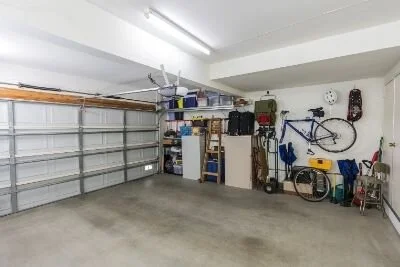
The 4 Top Reasons to Organize Your Garage
When a home starts to accumulate clutter, the garage is often the first area to fill up. This is because it’s easier to simply toss things out of sight than to sift through and organize them. However, if you want this space to be functional, you must take the steps necessary to clean it. These are some of the top reasons to organize your garage.
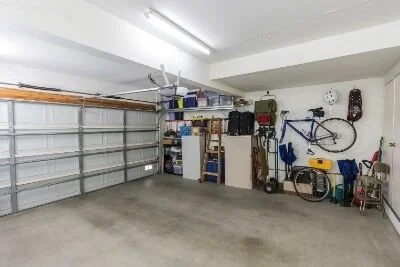
When a home starts to accumulate clutter, the garage is often the first area to fill up. This is because it’s easier to simply toss things out of sight than to sift through and organize them. However, if you want this space to be functional, you must take the steps necessary to clean it. These are some of the top reasons to organize your garage.
You Can Find Things
Removing the excess items from your garage and organizing what’s left allows you to find things more easily. Unfortunately, it can take hours to locate certain objects in a packed garage—time that you could spend on something more productive. Putting each of your tools in a proper place is a great way to get started.
It Saves You Money and Space
The proper methods for organizing your garage also help you save space and money. Often, we end up buying replacements for things we thought were lost. By taking the time to organize this area, you’re not only saving yourself from unnecessary spending, but condensing things so they take up less room. You’ll no longer need to worry about this space feeling crowded.
Your Belongings Are Better Protected
Another of the top reasons to organize your garage is that your personal items will be safer and more protected. When things get lost in a sea of clutter, they can become damaged. Cords can get tangled, blades can dull, and batteries can die. Fortunately, keeping these tools in cases or cabinets can help protect them and increase their overall lifespan.
The Area Poses Fewer Safety Hazards
Most importantly, a clean garage means fewer risks to you and your family’s safety. Clutter can cause accidents including trips, falls, and gashes should you stumble on something sharp. Organize your garage before someone sustains a preventable injury.
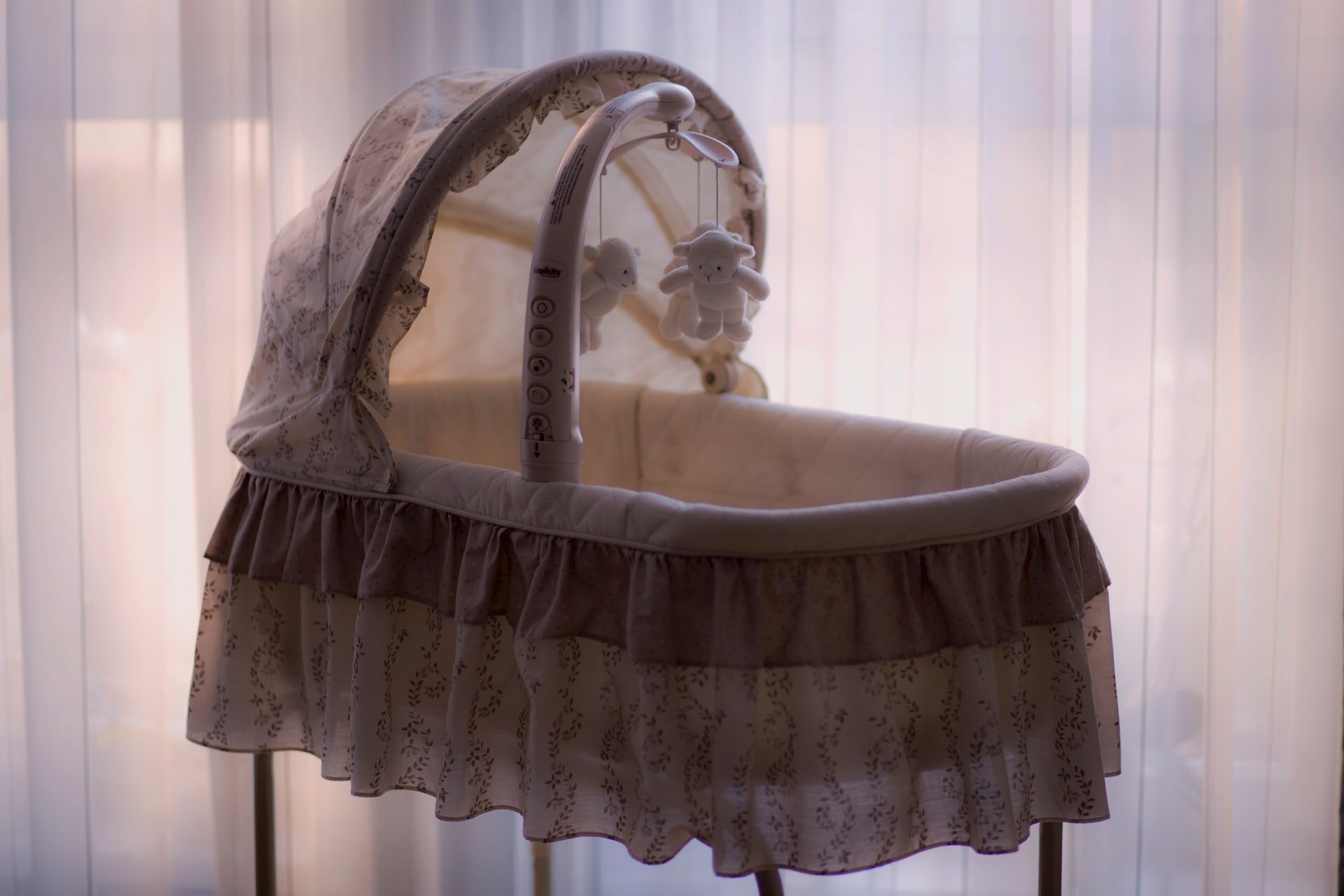
How to Organize a Nursery for Maximum Functionality
Preparing a lovely first home where you’ll be welcoming your little one can be a truly rewarding experience but still a bit overwhelming if you don’t know where to start. Naturally, you want the kind of lighting that creates an optimal sleeping environment; décor that reflects your style; furniture that’s up to the most current safety specifications; the pop of color for a fun and stimulating experience. Yet, according to all sleep-deprived, multi-tasking mommies and daddies, the greatest gift you can give yourself when creating your newborn’s nursery is – practicality. If you are puzzled over how to proceed with your nursery project, this guide is here to arm you with some tips on how to organize a nursery for maximum functionality.
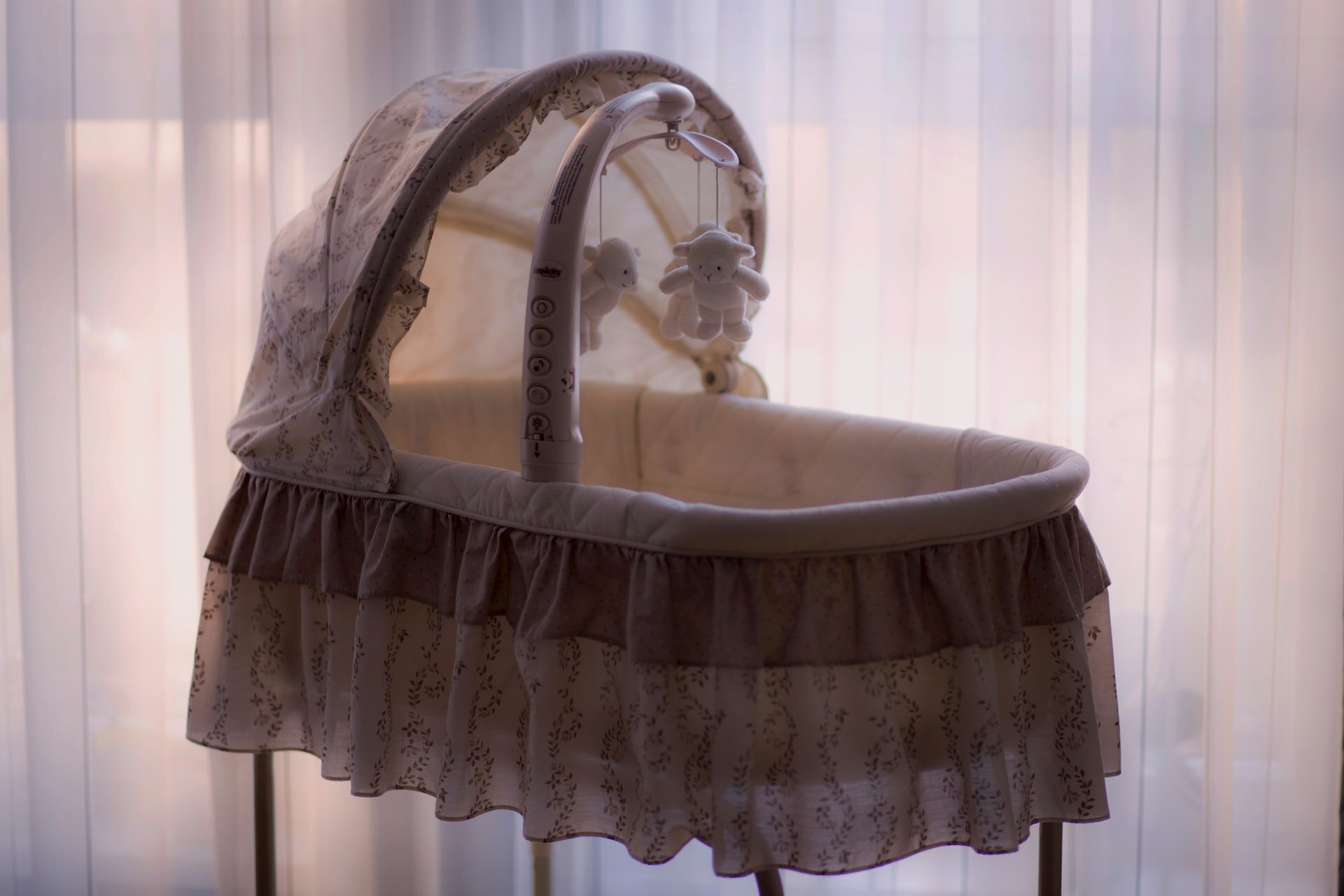
Preparing a lovely first home where you’ll be welcoming your little one can be a truly rewarding experience but still a bit overwhelming if you don’t know where to start. Naturally, you want the kind of lighting that creates an optimal sleeping environment; décor that reflects your style; furniture that’s up to the most current safety specifications; the pop of color for a fun and stimulating experience. Yet, according to all sleep-deprived, multi-tasking mommies and daddies, the greatest gift you can give yourself when creating your newborn’s nursery is – practicality. If you are puzzled over how to proceed with your nursery project, this guide is here to arm you with some tips on how to organize a nursery for maximum functionality.
It’s a win-win situation

Chubby cheeks, tiny button noses, shiny eyes, and adorable smiles: babies sure know how to pluck on our heartstrings without any effort whatsoever. Even the simplest actions, like those miniature fingers grasping yours, melt your adult heart to the point where you want to give your little bundle everything they could possibly need and beyond.
And so, the best thing about creating a fully functional nursery is the fact that it helps the baby by helping you. Effective organization of your baby’s nursery will make your day-to-day life a lot easier and stress-free, as you’ll be able to move around more easily, find things even when half asleep, and without much thought. Thus, you’ll have more time and energy to focus on the baby.
How to organize a nursery for maximum functionality
Avoid excess
The temptation you might feel to gear up on the coolest selection of toys and the latest gizmos that promise to jump-start your newborn’s development is entirely natural. However, a crowded nursery can not only feel overwhelming for the baby but for you as well. These items could limit your ability to move around freely and easily, block your way from grabbing what you need at that moment, and even increase the risk of bumping into something or tripping. Not to mention that it will be more difficult in terms of maintenance.
In fact, even the bare necessities seem to overflow the room somehow. It’s crazy how much space the tiny humans need even without all of the unnecessary clutter. Therefore, the smartest thing is to opt for a minimalist approach: choosing only items and pieces of furniture that correspond to your baby’s basic needs, especially if you’re tight on space.
Similarly, don’t feel obligated to keep everything you receive as a gift from relatives or at your baby shower. If there’s a gift or a product you don’t need or want, or if you find any duplicates and unnecessary items among them, be open-minded about donating or regifting all excess.
Systematic furniture arrangement
There are only four essential furniture pieces you need: a cot, a glider, a changing table, and a small wardrobe. Placing these pieces in practical spots creates a flow in the nursery that helps you achieve maximum functionality. Think about these furniture pieces in terms of activity and safety as you organize them around the room.
Sleeping and feeding

After rocking and nursing the baby, you want their transition to the cot to be as smooth as possible. So, make sure to place your rocking chair not too far from the crib. Next, assign the largest free corner of the nursery for the glider so you can easily approach it for night feedings. Finally, if you prefer, you can place it near the window for a nice, relaxing view during the feedings.
Keep the cot away from windows so that the baby is not exposed to the draft or any easily-reachable cords hanging from the curtains. Also, position it away from the door so that you don’t wake the baby when you want to peek in and check them. Lastly, choose an internal wall to place the crib instead of an external one to keep them warm.
Changing
The changing table should be located as close as possible to the dresser/wardrobe. This way, you can grab an outfit quickly and easily. Secondly, it’s also practical to place it near the doorway to have easy access for the middle-of-the-night changing, or when you are carrying them from another part of your house into the nursery. Lastly, it shouldn’t be close to the cot if you want to keep their little fingers from wandering off and reaching the products you keep on the table.
Create different zones to organize a nursery for maximum functionality
Parents should also consider establishing clear zones for each activity and ensuring that everything they need is within arm’s reach while in that area.
Nursery sleeping area – place the baby’s fitted sheets, wearable blankets, sleeper onesies, and baby monitor near the baby’s cot.
Reading, rocking, and feeding area – The most important thing is to, above all else, purchase a comfy chair or a glider because you’ll most likely spend hours in it. Then, place a side table or a small nightstand near your rocking chair and use it to conveniently store whatever you need for these specific purposes. For instance, this can be an ideal place for bedtime books, extra burping cloths, water, feeding bottles, and a dim lamp on the surface top.
Changing station – All of the changing necessities such as diapers, creams, wipes, diaper genies, clean outfits should be near this area. This way, you will not have to walk away to grab something and leave the baby unattended. Secondly, place the diaper pail nearby to be able to discard the diaper easily, as well as the hamper for storing away the dirty clothes.
As a bonus, keep whatever you need to the side of your dominant hand, so you could easily grab it while holding your newborn. Additionally, if you are yet to settle down in your new home after relocation, tell your movers where to place each piece of furniture. It will be much easier to set it up the way you want in the first place than to reorganize after the fact.
Use organizational hacks
Almost nobody can function when things are scattered all over the place. Therefore, another tip for designing a fully functional nursery is to use some organizational hacks. Here are some ideas:
Color-coding or labeling is the easiest way to keep everything organized and separated.
Say yes to clear bins, fabric boxes, and baskets, as they are some of the best storage solutions out there.
Use drawer dividers to break up onesies, socks, as well as tiny baby necessities you keep in your dresser that get lost easily.
Store seasonal clothes and special occasion outfits in the closet with the help of closet dividers.
Consider a stand with wire fruit baskets as storage for smaller items or toys.
Clear jars made for holding cotton balls are really effective at storing pacifiers and keeping them free of any dust and dirt.
Make the most of the space under the baby’s bed by inserting a sheer acrylic box underneath.
Bulky bookshelves take up a lot of space, so think about using picture ledges for displaying all of your baby’s favorite bedtime stories.
Hang wire baskets on the closet door or a free wall for an added storage that holds whatever you need at arm’s reach.
Get a head start
As you can see, prioritizing functionality is the key to keeping your sanity intact and your baby as the main focus of your attention. But another thing you can do to prevent stress is to avoid waiting until the last minute, so start preparing as early as possible.
Finally, to organize a nursery for maximum functionality, you must know that it takes time, research, and effort, but it always pays off. Good luck to you and your growing family!
How To Know if Your Sewer Line Is Broken
Having a sewer line problem can be a homeowner’s worst nightmare. Here’s how you can catch these problems early on, so you can deal with them quickly.
We rarely consider how important our sewer lines are until there’s a problem. Sometimes those issues are subtle enough to ignore, but that can lead to much bigger obstacles later on. This article will teach you how to know if your sewer line is broken, so you can get on top of the problem quickly before it evolves into something worse.
Multiple Slow Drains
It’s normal every now and then for one drain to clog up. You don’t need to worry every time your shower gets a little too clogged with hair; however, you could have a serious issue on your hands if you start to notice that it’s more than one drain that empties slowly. This could mean you have a clog somewhere deeper in your sewer line that could lead to a leak or pipe burst. The best thing to do is to call a professional sewer line expert to take a look at the problem.
Foul Odors
Perhaps the most unpleasant way to find out if your sewer line is broken is to smell the problem. When there is a large blockage in your sewer line, the gas that becomes trapped gets forced back up through your pipes and into your house. Don’t wait for a single moment if you start to smell a sewer stench coming from your drains. The gas can be harmful to your health, and a professional can get your system back in working order.
Mold Growth
Mold anywhere in your house is never a good sign. If you start to notice patches of brown or black mold have begun to accumulate in your house, you need to get the problem taken care of as soon as possible. All mold needs to grow is a dark, slightly humid environment; the kind of environment a leaky sewer pipe can cause inside your walls.
Lush and Extra Green Lawn Patches
One of the strangest parts about sewage is how bad it is for humans, but how beneficial it can be for plant growth. You’ll want to keep an eye on your lawn whenever possible to see if it starts growing quicker in seemingly random spots. If you notice these patches, it could mean the sewer line beneath the ground has sprung a leak, draining itself into the soil.

