

A resource for those seeking information on organizing and transforming spaces.

Adding on an Addition? 4 Ways to Keep It Streamlined and Simple
Home additions are often worthwhile, practical, and appreciative. It’s a need that strikes a more profound urge to improve your personal living space. You could be looking to build a new garage, a pool installation, replacing the roof, or even upgrade your entire house to perhaps accommodate your growing family. The requirements of each may vary, but the underlying principle remains constant. In this article, we will discuss four ways to keep things simple and streamlined.
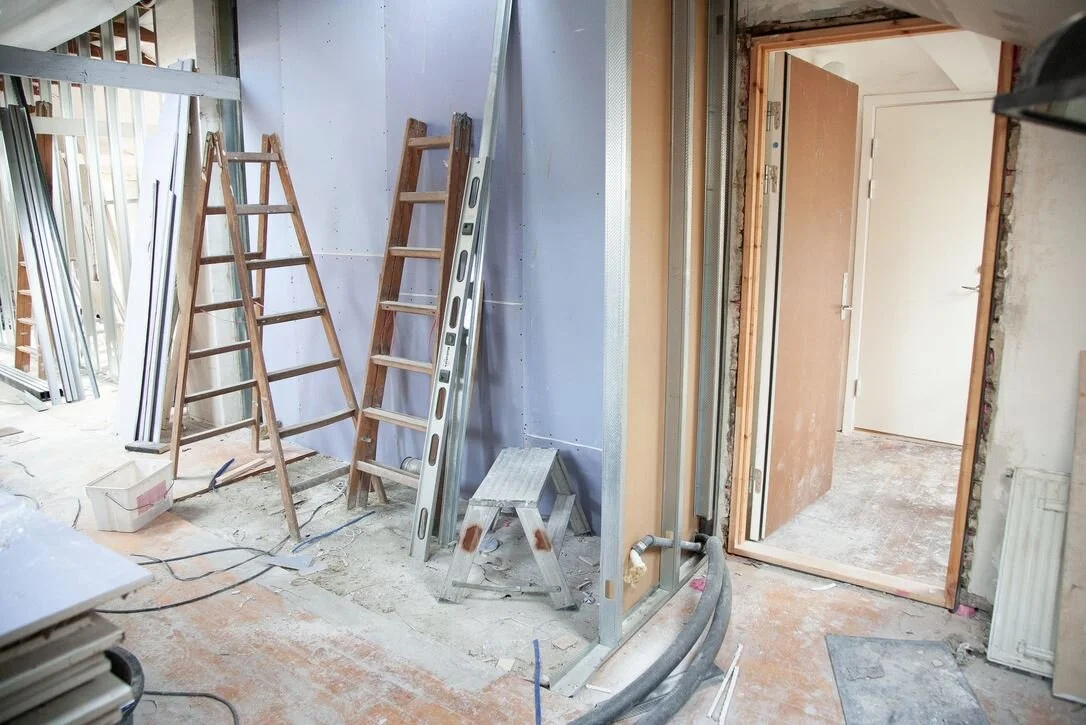
Home additions are often worthwhile, practical, and appreciative. It’s a need that strikes a more profound urge to improve your personal living space. You could be looking to build a new garage, a pool installation, replacing the roof, or even upgrade your entire house to perhaps accommodate your growing family. The requirements of each may vary, but the underlying principle remains constant. In this article, we will discuss four ways to keep things simple and streamlined.
Engage Professionals
Great and reliable architects and contractors are quite pricey. But paying for quality is often deserving of every penny you commit. Carrying out preceding consultation is crucial as it ensures you get all the information you need for the project. It’s essential to engage several professionals to get various proposals and choose the best that suits your expansion and financial needs.
Specification
It’s essential to be specific about what you want. For example, if you are looking to change your whole roof design, be precise with the roof trusses you wish to install. There are several to choose from, starting with a scissor truss, standard-fink trusses, raised-tie trusses, and a mono truss. It helps you estimate the cost of the addition. Specifying enables you to figure out what kind of roof you can afford and what fits your budget.
Local Building Codes, Zone Laws, and Homeowner’s Rules
Before you commence the addition, ensure you engage the professional to know these guidelines. The professionals might know them, but it’s your house, be responsible and ensure they are adhered to. If you are a member of the homeowner’s associations, you must be conversant with the rules that govern the kind of addition you plan to carry out.
Handle Disruptions
Professional builders know how to minimize dust, noise, and any activity that might be considered a nuisance during the addition process. However, your house will still be a construction zone. You can take a vacation during that time to avoid any inconvenience or injuries to your family and pets.
In conclusion, home addition is one way that increases the value of your home or estate. There are very many factors that result in a notable decision, such as renovation. It’s vital to look at it from as many angles as possible to ensure success. Spice up your home in style for a better living. Gi for professionals to ensure value for money.

6 Things to Consider Before Moving to a New Home
Whether you are moving into new construction, or just moving into a home that is new for you, relocating can be burdensome - unless you know the tricks. Here are 5 things to consider before you start moving:

Whether you are moving into new construction, or just moving into a home that is new for you, relocating can be burdensome - unless you know the tricks. Here are 5 things to consider before you start moving:
1. Preparation
Make the moving process significantly simpler by starting a to-do list. It may seem like a no-brainer to relocate - until you arrive and your new place has no power, or you can't find your birth certificates. Then you will see how important a list can be to the process.
2. Utilities
Nothing is worse than moving to a new home and being in the dark. The power company, cable or internet services, or even gas and water, could take several days to get your utility ready. In the meantime, you would have to live without it - unless you remembered to schedule ahead. Not only does this prevent you from forgetting, but it also allows you to have what you need in your new home while you are still moving in.
While you are at it, change your address so that your mail will follow you in a timely manner. You will need your new address for the utilities, so it only makes sense to update your address at the post office while you are getting your utilities in order.
3. Organizing the Move
Besides the moving into a house checklist, you will also want your other important documents bundled together for safe-keeping during the move. Consider a fire-proof safe for things like birth certificates, social security cards, insurance documents, and other important information. Mark the outside of your box with the words 'personal' 'sensitive' or some other keyword that lets you know what's inside the box. Don't forget photos of your valuables, jewelry, and expensive computers for insurance purposes. These photos need to be placed with the other important documents.
4. Color Codes
Using color-coded boxes (yellow for the kitchen, black for the bathroom, etc.) will save you time when you start sorting through boxes for things you need for a new house. Put all of the same color boxes in the same room. That way you can unpack bedroom items in the bedroom, kitchen items in the kitchen, and so forth.
5. Shipping
Depending on how far you go, or what you are transferring, you may decide that shipping is your best option. Make sure you purchase insurance so that if your items get damaged, they can be replaced. It is also important to note that some shipments may not arrive at the same time. Fragile glassware, art objects, and delicate vases may be shipped separately to avoid being damaged.
6. Foods
If you are shipping perishable items to your new home, the packaging is key to how your foods arrive. To avoid spoilage, leakage, and damage, make sure your air-tight cold boxes or thermal boxes are scheduled to be delivered and picked up in a reasonable amount of time. What good does it do to wrap and ship perishables perfectly if they are not picked up in a timely manner?
When you decide to purchase or move to a new home, making a list and doing some simple organizing will make the transition go smoothly.

Cost-Effective Ways to Save Money and Energy This Winter
The wintertime can wreak havoc on your checkbook if you're not prepared. While you know that you'll be spending an arm and a leg on heating expenses during the cold season, there are some things that you can do to lower your costs. To help you out, we're going to share our most cost-effective ways to save money on energy costs during this winter season.

The wintertime can wreak havoc on your checkbook if you're not prepared. While you know that you'll be spending an arm and a leg on heating expenses during the cold season, there are some things that you can do to lower your costs. To help you out, we're going to share our most cost-effective ways to save money on energy costs during this winter season.
Program Your Thermostat Effectively
Most people have a smart thermostat or at least a programmable one. One surefire way to save yourself some green in the cold winter months is to program different temperatures depending on the time of day. For example, you can drop the temperature 10 to 15 degrees during the daytime when no one is home. You can also drop it by that temperature at night to help save energy.
Get Your Furnace Serviced
One of the best things that you can do to save yourself a good chunk of change in the winter is to have your furnace serviced. This entails calling an HVAC expert who will come out to your home and evaluate the state of your furnace. They will lubricate motor fans and check belts and other components for wear. They will be able to alert you of any minor furnace repairs that should be done now before the dead of winter hits and the problem gets much worse.
Turn On Ceiling Fans
You're likely familiar with using ceiling fans in the summertime to assist with your air conditioning needs. However, the wintertime is also a great time to run your ceiling fan, just in the opposite direction. Your fan should be spinning clockwise in the winter months. This will bring cold air up towards the ceiling and naturally push the warm air towards the floor. This will make your home feel warmer.
Take Advantage of the Sunlight
If you've ever sat in front of a window on a sunny day, you know that the sunlight can provide an adequate amount of heat. Take advantage of that heat by opening up the windows of your house that face the sun. Try to let in as much sun as possible throughout the daytime as it will provide free heat for your home that you don't have to pay to produce.
Saving money on energy costs in the wintertime is all about identifying where you're losing it. From programming your thermostat to be more cost-effective to taking advantage of the natural heat that sunlight offers, there are many things that you can do. Your best bet is to perform multiple different methods to boost your energy savings this winter season.

Spring Cleaning Tips for Your Messy Closet
Spring is the best time to tackle the scariest monster in your closet—the clutter. Prepare for spring cleaning and master the art of cleaning your closet.
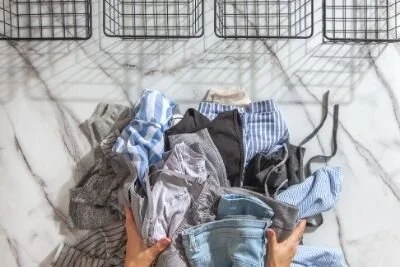
Closets are some of the most difficult parts of your home to clean and organize. You can find nearly anything in a cluttered closet, from decades-old clothing to documents that you forgot existed. If one of your goals this spring is to clean your closet and bring it back to a usable state, prepare yourself and keep yourself from becoming overwhelmed before you begin. Our spring cleaning tips for your messy closet will prepare you for anything you might find.
Take Small Steps
If your closet—or your child’s closet—has become less of a storage room and more of a landfill for miscellaneous objects, it’s easy to feel overwhelmed at the sight of it alone. Set smaller goals for yourself each day. These goals can include:
“I want to be able to easily open the closet’s doors again.”
“I want to see the floor.”
“I want to be able to hang clothes again.”
“I want to fill two trash bags.”
Starting small will prevent you from feeling overwhelmed, no matter how messy your closet is. You can sort the contents of the closet into piles and it might seem messier than before—but as you make progress, you’ll start feeling satisfied with the work you’ve done.
Sort Your Clothes
Take time at the end of each season to sort through your wardrobe. Keep the essentials that still fit and remove anything that no longer fits or that you don’t wear. It may be difficult to dispose of some clothing, but it’s necessary if you want to make room for new favorites. Donate clothes or reuse the material whenever possible to give your old favorites new life!
Use Organization Tools To Keep the Closet Clean
Once the closet is clean, your next goal is to keep it that way so you have less work to do in the future. Make it easier on yourself by organizing spaces for all the things you want to keep in the closet. You can place a small dresser in the closet for seasonal or situational clothes and utilize storage bins for other objects.
Setting yourself up for success is one of the most important spring cleaning tips for your messy closet so you won’t have to work as hard once it’s time to clean. Utilize your organization tools so you can accomplish the project quickly.

