

A resource for those seeking information on organizing and transforming spaces.
Transform Your Garage
If you've been doing projects in my garage, you've probably realized that keeping your tools organized is a struggle.
We partnered with a home improvement company for this post. The opinions in the post are honest. All reviews and opinions expressed in this post are based on our personal views. We are excited because we know you will love it.
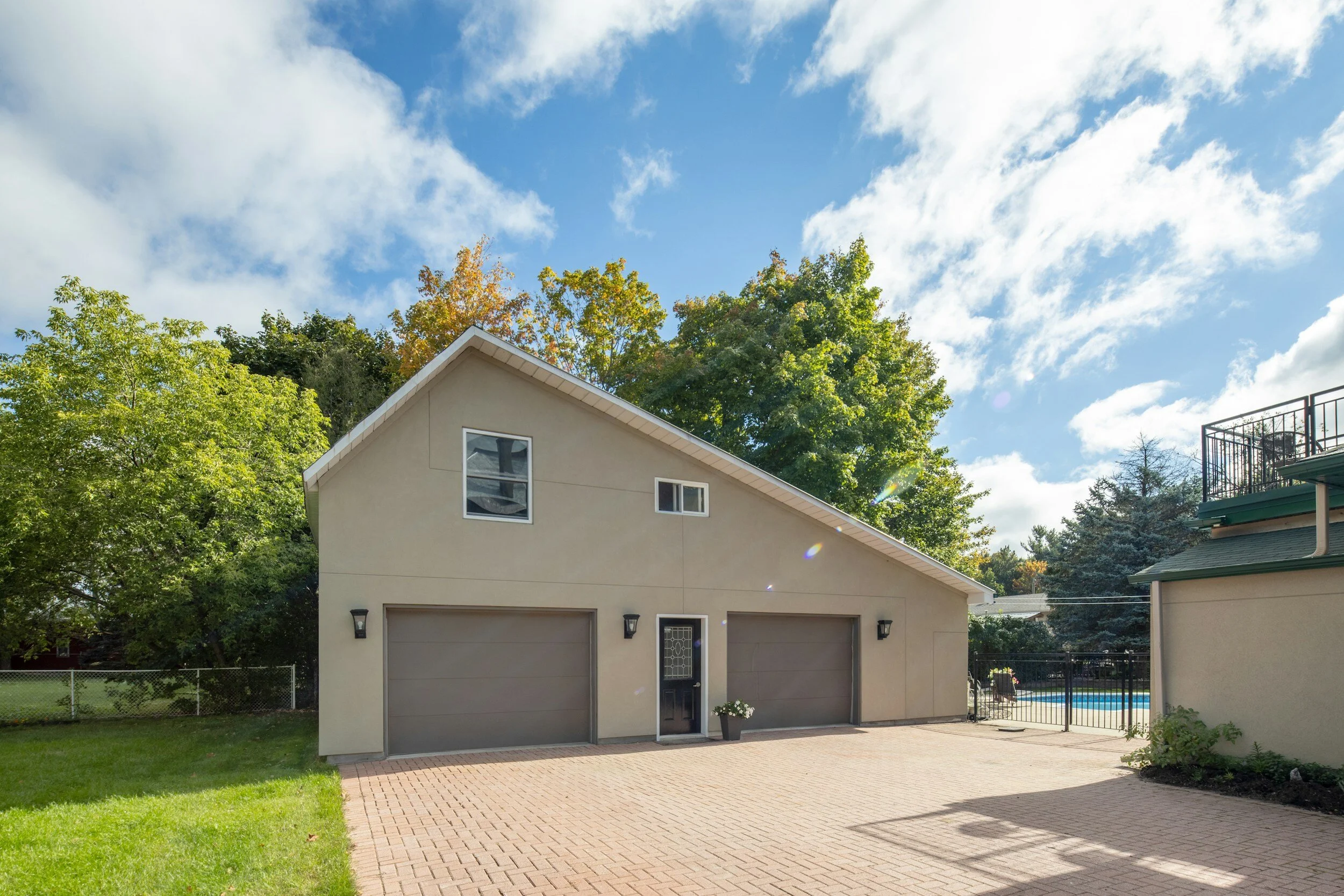
If you've been doing projects in my garage, you've probably realized that keeping your tools organized is a struggle.
With a lot of trial and error, I found some things that worked really well…and others that didn't.
You'd be surprised at how much space you can save with a few simple tips. Let's take a look at some of my favorite storage ideas.
Clean & Declutter First
Decluttering your garage is the first and most crucial step towards a well-organized, clean garage.
If your garage is full of old clothes, toys, sports equipment, and odd tools, there's no room for your next DIY project. No matter your garage's size, you need a dedicated space for you and your tools.
Once you have some open garage floor space to dedicate to tool storage, start by removing items you don't need anymore.
Dividing your stuff into two piles: one to dispose of and one to organize later.
This includes your tools!
Start by disposing of broken tools or ones that are missing pieces or attachments. Anything you can eliminate at this stage will save you room later on.
Once you know exactly what you have left, designing your perfect workspace will be easier!
Create a Specific Work Area
Everybody needs a dedicated place to work in your garage.
You might only need a workbench for smaller projects. For larger projects, you might need to use your entire garage.
Regardless of the size of your garage, you need to divide your space into smaller sections to make the most of it. This is especially critical for small garages.
Here are some garage storage ideas to help organize your tools:
A workbench – either foldable or mobile
Closed cabinets – for chemicals, power tools, and hazardous materials
Open shelves and drawers (preferably with clear plastic bins) – for equipment and items that need to be readily accessible
A wall-mounted organizer, wire shelving, or pegboards – for smaller items
Heavy-duty steel shelves for heavy or bulky items
Wire and cable organizers
Separate storage for rechargeable batteries and power tools
Extension-cord reels mounted to your garage ceiling so you have power wherever you need it.
Use these suggestions as a starting point and adapt them to your individual needs.
Once you've got an initial design set up, you'll be able to adjust the design of your garage from project to project.
Increase Storage Space with Shelves & Cabinets
Sturdy shelves and cabinets are at the core of your garage storage system. They'll store items like long-handled tools, gardening supplies, sports equipment, and other miscellaneous tools.
Take advantage of any open wall space that you have. This includes the vertical space directly above your workbench.
I use heavy-duty garage shelves to store bulky items I want to keep off my garage floor.
These include extra kitchen and bathroom tiles and floorboards for my bedroom. I've also dedicated a shelf to oversized items like air filters, accessories for my pressure washer, and some storage bins.
I have small wire shelving near our garage entry door as a catch-all area for car keys, hats, and umbrellas.
The right mix of shelves will see wall shelves above your work area and floor-standing units. You can use overhead storage above your garage door for additional storage space.
This way, you can keep the stuff you use most at arm's reach and keep the things you use less often out of the way until you need them.
Cabinets with doors are a safe place to store chemicals and other items that could be hazardous. They're also a great place to store things you want to keep away from kids or pets.
I use two freestanding Gladiator cabinets and several wall-mounted cabinets.
The smaller freestanding cabinet holds the garden supplies like fertilizer and weed killer that I want to keep out of the way. The larger freestanding cabinet holds all my old paint cans, wood stains, drywall tools, and supplies.
Garage cabinets range between $100 and $800, depending on the size and options.
Maximize Wall Space With Pegboards
Pegboards are perfect for storing tools you need every day or if you're the kind of person who likes having your tools on display.
The area above your workbench is the perfect area to store the tools we use the most. I also organize the tools I use most on a Wall-Control metal pegboard and accessories mounted above my workbench.
Leaving your tools out after a day's work makes your workspace look messy, which we're trying to avoid. However, simply tossing them in a drawer can quickly lead to clutter.
I prefer using pegboard on small sections of my walls. They're perfect for storing screwdrivers, glue, adhesive tape, scissors, wire cutters, and smaller electric tools.
If pegboards aren't your style, try a magnetic strip or mat. They're a great place to store knives, screwdrivers, or other small items like nails, nuts, and bolts for your current projects.
Use Mobile Tool Carts to Keep Tools Organized on the Go
Large workbenches are great, but they take up a lot of space.
Foldable workbenches can be stored out of the way against the wall or in the corner of your workshop. But if you have home improvement projects where you need to be able to move freely, a mobile tool cart could be the answer.
Some, like my Gladiator GearDrawer, even include closed cabinets and open shelves that make them perfect to follow you around the garage during the day.
When you start to organize your tool cart, I recommend subdividing it into at least two compartments.
One should host the tools you use more frequently, and the second should store the other tools you like to have at your fingertips.
Alternatively, you could mount a magnetic strip to your mobile workbench to access hand tools easily.
The Best Garage Organization Ideas Grow With You
Organizing your workshop tools can seem like a big project at first. But following these tips and tricks doesn't have to be.
If you're a weekend DIY warrior, every new project will have different needs. Your workshop can accommodate those needs by setting up your garage with mobile shelves, pegboards, cabinets, foldable workbenches, or flexible panels.
Proper garage organization will ensure you have enough space for all the stuff you need for your next project.

What Are the Best Basement Waterproofing Methods?
Basements are usually one or more floors that are below the ground floor of your building. Its construction provides valuable space in your commercial and residential construction. A basement is also known as a cellar. It gives you extra space without compromising your indoor or outdoor space. Sometimes, water running in and out of your house causes basement dampness or flooding with years of wear and tear. That’s when you should consider getting basement waterproofing to protect your basement from seeping water. In this article, we’ll get familiar with the concept of basement waterproofing, its causes, methods, and advantages in detail. Let’s get started!
We partnered with a home improvement company for this post. The opinions in the post are honest. All reviews and opinions expressed in this post are based on our personal views. We are excited because we know you will love it.

Basements are usually one or more floors that are below the ground floor of your building. Its construction provides valuable space in your commercial and residential construction. A basement is also known as a cellar. It gives you extra space without compromising your indoor or outdoor space. Sometimes, water running in and out of your house causes basement dampness or flooding with years of wear and tear. That’s when you should consider getting basement waterproofing to protect your basement from seeping water. In this article, we’ll get familiar with the concept of basement waterproofing, its causes, methods, and advantages in detail. Let’s get started!
What is Basement Waterproofing?
Basement waterproofing is a method where your hired professionals use different techniques to block unnecessary water seeping inside your basement. In exterior basement waterproofing, your skilled professionals will excavate the walls outside your foundation to preserve the structural integrity. Similarly, in interior sealants, sealants are applied to your basement’s wall and floor.
This process helps you protect and seal your basement from further water damage. Waterproofing your basement solves your house’s moisture problem, and you’ll be able to live in a safe and secure house.
While waterproofing your cellar, the professionals will perform an inspection, either for free or at a cost. Then, they’ll choose a suitable method and start their work according to your basement’s requirements.
Causes of a Wet Basement
You can face a wet basement due to various reasons. To make things easier for you to understand, we’ve listed down some of the most common reasons that cause a wet basement:
1. Condensation
Condensation is the reverse of vaporization. When there’s condensation, the basement’s gas phase turns into the liquid phase. As a result, you’ll see water sports, puddles, or droplets on your basement wall or floor. When you see this sign, you should consider waterproofing your basement.
2. Humidity
In the summer, when the cool air of your basement collides with external hot air, it causes humidity in your basement. Sometimes, a dehumidifier might help, but sometimes, it might not. However, when you fail to maintain your basement's humidity, it causes basement wetness.
3. Cracked Foundation
When there are crevices and cracks in your foundation, water seeps into your basement, which leads to wet basements. Cracked foundations can result from various factors, such as expansive soils, plumbing leaks, tree roots, drainage, earthquakes, poor soil, and more.
4. Plumbing Leaks:
Your basement is usually a dark and hidden space. Due to this, you might forget to check and repair it from time to time. If you forget to check it, you sometimes deal with different plumbing issues. We’d suggest you check your basement’s plumbing if you’re facing wet basement issues.
5. Mold Growth
The basement of your house is usually deprived of natural light. Due to this, you can maintain a good humidity level in your basement. Mold usually grows in damp places, so that you can face mold growth issues in your basement. When mold grows in your house, you’ll face a degradation of indoor air quality. Eventually, it will make your basement weak and wet.
6. Poor Drainage
Most basements are not well managed enough to face water drainage problems. As a result, they can’t handle an overflow of excessive water, which leads to a wet basement.
Methods of Basement Waterproofing
Check out our top four basement waterproofing methods as follows:
1. Interior Waterproofing
If you’re facing water issues in your basement due to condensation, that’s when you should consider doing interior waterproofing in the basement. This method redirects water that will enter your building into the drainage system. The coatings will be done on your basement’s floor and walls to prevent basement leakage.
Interior waterproofing is a perfect solution for you if you’re looking for an affordable and effective method. So, you should consider hiring a professional who is familiar with what they’re doing. If you do so, you’ll be able to rely on the waterproofing for many years to come.
2. Exterior Waterproofing
Exterior waterproofing is one of the most reliable waterproofing methods for your basement. This method prevents water from entering your house, so you’ll have no fear of damage inside the basement. In this method, your waterproofing service provider will fully excavate on the bottom and around your foundation to make it strong. This way, external water won’t seep inside your house's foundation walls at any cost. Polymers are used to coat the exterior of your house, which cures all the water issues instantly.
3. Foundation Crack Injections
In this method, your house foundation wall cracks are repaired from the inside without extracting any soil. The professionals you hire inject different types of liquid, like epoxy or polyurethane, around the cracked part. This process hardens your foundation, which prevents water from seeping inside your house.
This method is usually used to cover up cracks that aren’t too huge and can be repaired instantly. However, if you have seen large cracks around your foundation, we suggest you not use this method.
4. Drainage Systems
You get moisture in your basement when there’s drainage. If you want to get rid of drainage in order to keep your basement area dry. The drainage system available out there will redirect water away from your house foundation. Different kinds of soil drain away in different ways, so before installing any drainage system in your house, you should consider checking your soil type.
After that, you can install a sump pump to collect water that exists around your foundation or basement. No matter which drainage system you want to install in your home, it’s better to consult a professional before doing so.
Advantages of Doing Basement Waterproofing
We all wish to live in a problem-free house. With basement waterproofing, you can do so. To help you understand, we’ve listed some of the top advantages of waterproofing your basement.
Increases your house value: When you decide to waterproof your basement, you can count it as an aspect of increasing your house value. A healthy home and lifestyle can increase your home value by up to 25%.
Prevents water damage: If you don’t take care of your basement issues on time, it leads to severe issues like structural damage. To avoid this, we’d suggest you do waterproofing on time and save your basement from damage.
Reduce your energy bills: When your basement is not waterproofed, you need to heat and cool your house more to maintain humidity. But once you waterproof your home, you need to spend less on your water and electricity bills.
Enhance structural integrity: When water enters your basement from unexpected sources and places, it destroys your house's structure. You can protect your house against the damage of structural elements with basement waterproofing.
Improve air quality: When you do the basement waterproofing of your house, there’s no growth of mold, fungi, or bacteria. This will improve the air quality in your house and positively impact your health.
Conclusion
If you want to protect your basement, house, and belongings from water, doing basement waterproofing through right way is a must. It helps you maintain the structural integrity and visual appearance of your house. Our house is undoubtedly our biggest investment. Sometimes, we need to do its repair and maintenance to make sure that your basement, foundation, and other parts are in the right condition. In this blog, we’ve covered everything that you need to know about your basement and its waterproofing methods. We wish you all the best in waterproofing your basement and living in a safe and secure house.

Rookie Mistakes First-Time Homeowners Make and How to Avoid Them
Buying your first home is a thrilling experience that comes with new responsibilities and challenges. It's an exciting milestone that marks the beginning of a new chapter in your life. However, it's not uncommon for first-time homeowners to make mistakes that can result in unnecessary stress and expenses. In this post, we'll discuss some common mistakes that first-time homeowners make and offer tips on how to avoid them. If you're a first-time homeowner looking to make the most of your investment, read on!
Buying your first home is a thrilling experience that comes with new responsibilities and challenges. It's an exciting milestone that marks the beginning of a new chapter in your life. However, it's not uncommon for first-time homeowners to make mistakes that can result in unnecessary stress and expenses. In this post, we'll discuss some common mistakes that first-time homeowners make and offer tips on how to avoid them. If you're a first-time homeowner looking to make the most of your investment, read on!
Underestimating the True Cost of Homeownership
Owning a home comes with many unexpected expenses, such as repairs, maintenance, property taxes, and insurance. Before you buy a home, it's essential to create a budget that includes all of these costs. Make sure to do your research and consult with professionals such as real estate agents, home inspectors, and financial advisors to help you understand the true cost of homeownership.
Just as with any aspect of life, it's crucial to create a monthly home budget. Start by listing all of your necessary expenses, such as mortgage payments, property taxes, insurance premiums, and utility bills. Then factor in any additional costs like home maintenance and repairs. It's also important to leave room for unexpected expenses that may arise. Once you have a clear understanding of your monthly expenses, you can adjust your budget accordingly and plan for the future.
Skipping Home Inspections
Another common mistake first-time homeowners make is skipping home inspections. A home inspection is a critical step in the home buying process that can help you identify potential issues and avoid costly repairs down the line. Even if a home appears to be in great condition, a home inspection can reveal hidden problems that could be a deal-breaker. It's important to hire a reputable and experienced home inspector to thoroughly assess the property before you finalize your purchase.
It's also important to remember that home inspections aren't just for when you're buying a home. As a homeowner, it's recommended to schedule regular maintenance and inspection check-ups to ensure your home is in good condition. This can help catch any potential issues early on and save you money in the long run.
Not Planning for Renovations and Upgrades
Many first-time homeowners make the mistake of not planning for renovations and upgrades in their budget. If you're buying an older home, it's likely that you'll need to make some upgrades and renovations to make it feel like your own. It's essential to factor in the cost of renovation projects and upgrades when creating your budget. Make sure to prioritize necessary upgrades and renovations, such as fixing any safety hazards or improving energy efficiency.
Some common upgrades that first-time homeowners may need to consider include kitchen and bathroom renovations, roof repairs or replacements, HVAC and heating maintenance, and landscaping. These upgrades not only improve the functionality and aesthetics of your home but can also increase its value. It's important to do thorough research and consult with professionals to determine which upgrades are necessary for your home and budget.
Not Negotiating on the Purchase Price
It's easy to get caught up in the excitement of buying a home and overlook the fact that the asking price is negotiable. You should research the market and consult with your real estate agent before making an offer. Make sure to look at comparable sales in the area and identify any issues with the property that can be used to negotiate a lower price.
To negotiate effectively, it's important to come prepared with research and a clear understanding of your budget and priorities. Start by making an offer that is slightly lower than the asking price to leave room for negotiation. Then, focus on specific details such as necessary repairs or upgrades that can be used as leverage for a lower price. Be willing to compromise and stay firm on your desired price, but also be open to finding a middle ground that works for both parties. Remember to remain polite and professional throughout the negotiation process.
Not Planning for Emergencies or Unexpected Expenses
First-time homeowners often forget to plan for emergencies or unexpected expenses. It's important to have an emergency fund set aside to cover unexpected repairs or expenses that may arise. A good rule of thumb is to have enough saved to cover three to six months of living expenses. It's also a good idea to have a plan for what you'll do if you run into a financial emergency, such as a job loss or medical emergency.
Owning a home means being responsible for all aspects of maintenance and repairs. Some repairs and emergency situations can include plumbing issues, electrical problems, roofing leaks, or even natural disasters like floods or fires. It's recommended to set aside a portion of your budget each month for unexpected expenses and regularly review and update your emergency fund as needed. This will help you be prepared for any potential problems that may arise and avoid financial stress.
Buying your first home is an exciting and significant milestone in your life, but it comes with new responsibilities and challenges. By avoiding common mistakes that first-time homeowners make, you can make your home buying experience more enjoyable and save yourself from unnecessary stress and expenses. Remember to do your research, create a budget that includes all of the costs of homeownership, and plan for emergencies and unexpected expenses. With the right preparation and planning, you can make your dream of homeownership a reality. Happy house hunting!

How to Create a Business Strategy for Rental Arbitrage?
Are you intrigued by the idea of generating passive income through rental arbitrage but unsure where to start? You're not alone. With the rise of platforms like Airbnb and VRBO, rental arbitrage has become an increasingly popular investment strategy. However, achieving success in this competitive market requires more than just securing properties and listing them online. To maximize profitability and minimize risks, you need a well-defined business strategy. In this guide, we'll walk you through the essential steps to create a successful business strategy for rental arbitrage, empowering you to navigate this exciting venture with confidence and clarity.
Are you intrigued by the idea of generating passive income through rental arbitrage but unsure where to start? You're not alone. With the rise of platforms like Airbnb and VRBO, rental arbitrage has become an increasingly popular investment strategy. However, achieving success in this competitive market requires more than just securing properties and listing them online. To maximize profitability and minimize risks, you need a well-defined business strategy. In this guide, we'll walk you through the essential steps to create a successful business strategy for rental arbitrage, empowering you to navigate this exciting venture with confidence and clarity.
1. Define Your Goals and Objectives
The first step in creating a business strategy for rental arbitrage is to define your goals and objectives. What do you hope to achieve through rental arbitrage? Are you looking to generate supplemental income, replace your full-time job, or build a portfolio of rental properties? Clarifying your goals will help guide your decision-making process and ensure your strategy aligns with your long-term aspirations.
2. Conduct Market Research
Before diving into rental arbitrage, it's crucial to conduct thorough market research to identify lucrative opportunities and potential challenges. Research factors such as local rental demand, occupancy rates, average nightly rates, seasonal trends, and competition. Analyze data from platforms like Airbnb, VRBO, and local rental listings to gain insights into market dynamics and inform your pricing and marketing strategies.
3. Identify Target Properties
Once you've conducted market research, identify target properties that align with your investment goals and budget. Look for properties in desirable locations with high rental demand and competitive pricing. Consider factors such as proximity to tourist attractions, public transportation, amenities, and neighborhood safety. Evaluate properties based on their potential for generating positive cash flow and achieving your desired return on investment.
4. Negotiate Favorable Lease Terms
When leasing properties for rental arbitrage, negotiating favorable lease terms is critical to maximizing profitability and minimizing risks. Negotiate with landlords or property owners to secure favorable rental rates, flexible lease terms, and permission to sublease the property. Clarify any restrictions or requirements related to subleasing, property management, and maintenance responsibilities to avoid potential conflicts down the line.
5. Develop a Marketing Plan
To attract guests and maximize occupancy rates, develop a comprehensive marketing plan for your rental properties. Create compelling listings with high-quality photos, detailed descriptions, and competitive pricing. Utilize online platforms like Airbnb, VRBO, Booking.com, and Expedia to reach a wide audience of potential guests. Implement strategies such as search engine optimization, social media marketing, email marketing, and paid advertising to increase visibility and bookings.
6. Implement Efficient Operations
Efficient operations are essential for managing rental properties effectively and providing exceptional guest experiences. Establish streamlined processes for guest communication, booking management, check-in/check-out procedures, cleaning and maintenance, and financial management. Utilize property management software and automation tools to streamline tasks, track expenses, and monitor performance metrics.
7. Prioritize Guest Satisfaction
Guest satisfaction is paramount in rental arbitrage, as positive reviews and referrals can significantly impact your property's reputation and success. Prioritize guest satisfaction by providing clean, well-maintained properties, prompt communication, personalized amenities, and exceptional customer service. Address any guest concerns or issues promptly and proactively to ensure a positive experience for every guest.
8. Monitor Performance and Adapt
Finally, continually monitor the performance of your rental properties and business operations and adapt your strategy as needed. Track key performance indicators (KPIs) such as occupancy rates, average nightly rates, revenue, expenses, and guest reviews. Analyze data and feedback to identify areas for improvement and opportunities for growth. Stay informed about market trends, regulatory changes, and emerging technologies to remain competitive in the rental arbitrage industry.
In conclusion, creating a successful business strategy for rental arbitrage requires careful planning, research, and execution. By defining clear goals, conducting market research, identifying target properties, negotiating favorable lease terms, developing a marketing plan, implementing efficient operations, prioritizing guest satisfaction, and monitoring performance, you can build a profitable and sustainable rental arbitrage business.
Remember to stay informed, stay organized, and stay adaptable. With dedication, perseverance, and strategic planning, you can achieve success in the exciting world of rental arbitrage.

