

A resource for those seeking information on organizing and transforming spaces.

Design Trends in Roof Replacement for a Timeless Aesthetic
When it comes to upgrading your home, the roof is often an overlooked element that can make a big impact on the overall aesthetic and value of your property. By incorporating timeless design trends into your roof replacement project, you can create a classic and elegant look that will stand the test of time. In this blog post, we will explore some of the top design trends in roof replacement that can help elevate the look of your home.

When it comes to upgrading your home, the roof is often an overlooked element that can make a big impact on the overall aesthetic and value of your property. By incorporating timeless design trends into your roof replacement project, you can create a classic and elegant look that will stand the test of time. In this blog post, we will explore some of the top design trends in roof replacement that can help elevate the look of your home.
Natural Materials
One of the most popular design trends in roof replacement is the use of natural materials such as wood or slate. These materials not only add a touch of elegance and sophistication to your home but also have a timeless quality that will never go out of style. Wood shingles, for example, can give your home a rustic and cozy look, while slate tiles can add a sense of luxury and class. By opting for natural materials, you can create a roof that is not only beautiful but also durable and long-lasting.
Metal Roofing
Another trend that is gaining popularity in roof replacement is the use of metal roofing. Metal roofs are not only eco-friendly and energy-efficient but also offer a sleek and modern aesthetic that can complement a variety of architectural styles. Whether you choose a traditional standing seam metal roof or a more contemporary corrugated metal roof, you can achieve a timeless look that will enhance the curb appeal of your home.
Roofing Colors
In addition to materials, the color of your roof can also play a significant role in the overall design of your home. Neutral colors such as gray, beige, and taupe are classic choices that can blend seamlessly with any exterior color scheme. For a more dramatic look, you can opt for darker hues such as charcoal or deep blue. Regardless of the color you choose, it's important to consider the architectural style of your home and the surrounding environment to ensure a cohesive and visually pleasing result.
Textures
When it comes to new roof replacement, texture is another important factor to consider. Adding texture to your roof can create visual interest and depth, making your home more dynamic and inviting. Whether you choose a textured metal roof, a scalloped slate roof, or a cedar shake roof, incorporating different textures can help create a unique and timeless look that sets your home apart.
Architectural Details
To tie it all together, consider adding architectural details such as dormers, cupolas, or gables to your roof. These elements can enhance the character and charm of your home while adding a sense of sophistication and style. By paying attention to the details and incorporating elements that reflect your personal taste and the architectural style of your home, you can create a roof that is not only functional but also visually stunning.
Roof replacement is a significant investment that can greatly impact the look and value of your home. By incorporating timeless design trends such as natural materials, metal roofing, neutral colors, texture, and architectural details, you can create a roof that is not only beautiful but also enduring. Whether you prefer a classic and traditional look or a more modern and contemporary style, there are endless options available to help you achieve the aesthetic you desire. So don't overlook the roof when it comes to upgrading your home – elevate your space with these timeless design trends in roof replacement.
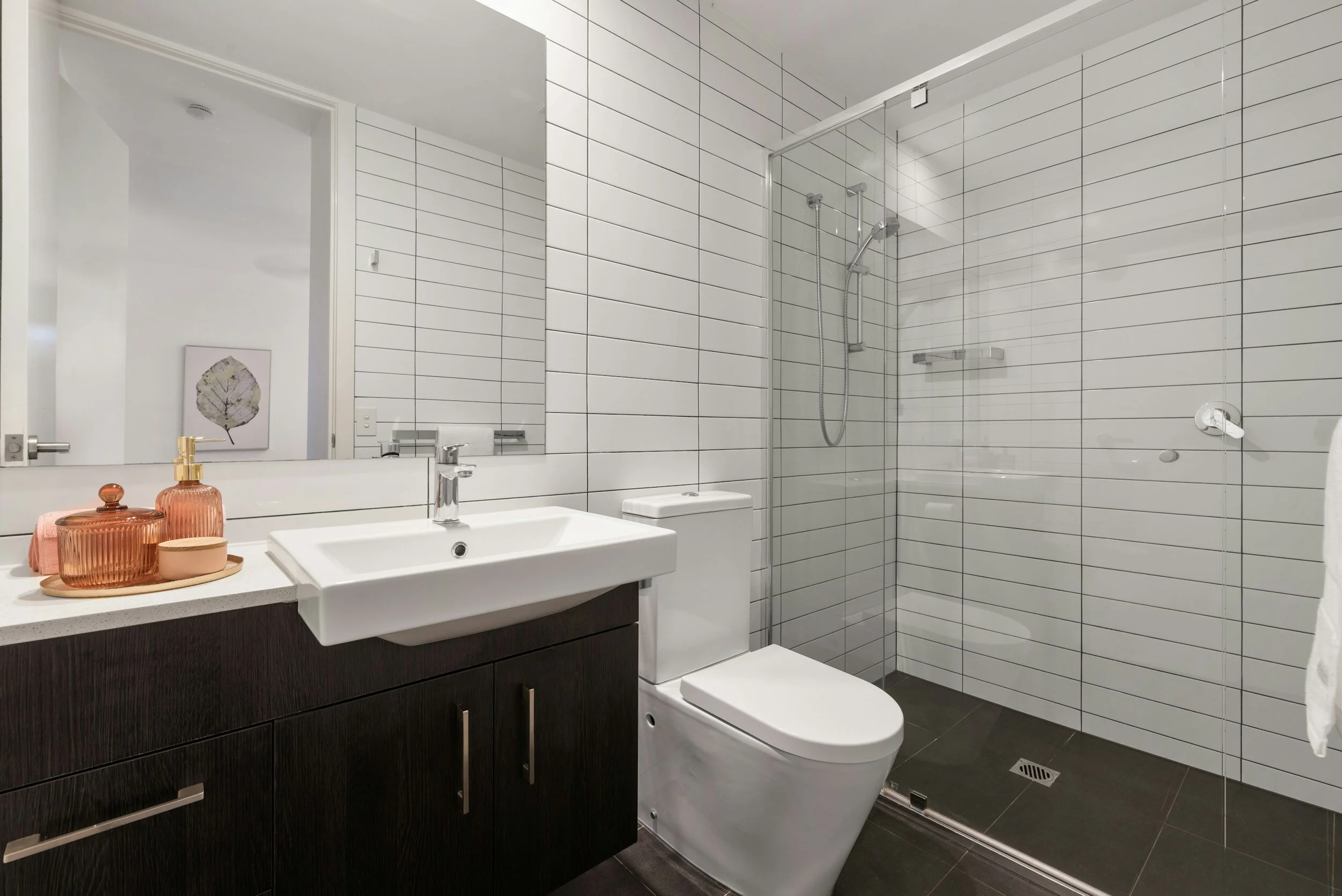
When is a Bathroom Remodel Necessary?
Is your bathroom in need of a makeover but you're not sure if it's really necessary? Knowing when to take on a bathroom remodel can be challenging, but this blog post will help guide you. We'll discuss key signs that indicate when a bathroom remodel may be necessary, from outdated fixtures and functionality issues to safety concerns and increasing home value. In this blog post, we will discuss some key signs that indicate when a bathroom remodel may be necessary.
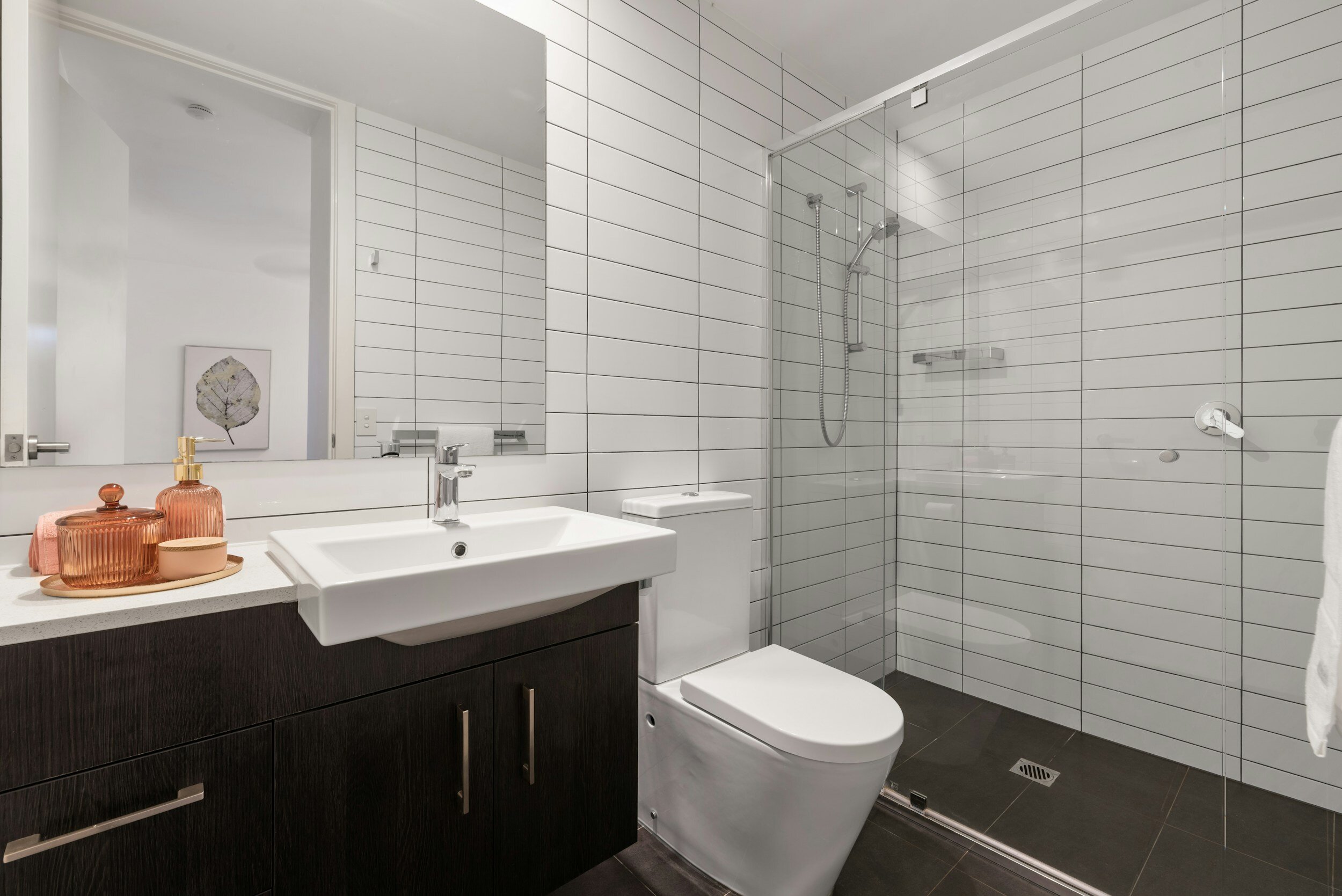
Is your bathroom in need of a makeover but you're not sure if it's really necessary? Knowing when to take on a bathroom remodel can be challenging, but this blog post will help guide you. We'll discuss key signs that indicate when a bathroom remodel may be necessary, from outdated fixtures and functionality issues to safety concerns and increasing home value. In this blog post, we will discuss some key signs that indicate when a bathroom remodel may be necessary.
Outdated Fixtures and Finishes
One telltale sign your bathroom is likely due for a bathroom remodeling project is outdated fixtures and finishes. Gone are the days of avocado green tiles and brass fixtures from the 70s. Modernizing these elements can do wonders for the overall appeal of your bathroom. But it's not just about aesthetics - functionality is also a major factor to consider when undertaking a remodeling project. Updating fixtures can improve water efficiency and reduce utility costs, while new finishes can be easier to clean and maintain. This not only saves you time but also adds value to your home.
To Better Match Your Aesthetics
Another reason for a bathroom remodel is to better align with the overall aesthetics of your home. Your bathroom should feel like an extension of the rest of your living space, not like a dated afterthought. If you've recently renovated other areas of your home or simply want to freshen up the look and feel, it may be time to give your bathroom a makeover as well. This will not only create a more cohesive design but also increase the value of your home.
Functionality Issues
Bathroom problems can be a real pain to deal with on a daily basis. Leaks, clogged drains, and poor ventilation can make your bathroom experience less than pleasant. Not only can these issues be frustrating, but they can also lead to more serious problems such as mold, mildew, and water damage. If you find yourself dealing with these issues frequently, it may be time to invest in things like an HVAC system replacement in order to improve the functionality and safety of your bathroom.
Lack of Storage Space
Have you ever found yourself standing in your bathroom, frustrated because you can't find a place to put your shampoo or towels? It's a struggle that many of us face, but luckily, there's a solution: more storage space! With just a few simple additions like shelves or a linen closet, you'll be amazed at how much more organized and clutter-free your bathroom can become. Don't let a lack of space stress you out any longer. Instead, consider a remodel and add the storage you need for a more enjoyable bathroom experience.
Safety Concerns
Safety is a top priority when it comes to any home, but especially the bathroom. If you have an older bathroom with outdated fixtures and slippery floors, it's essential to consider a remodel. Not only can these hazards lead to accidents, but they also create a breeding ground for harmful things such as mold and mildew. Updating your bathroom with non-slip tiles or installing grab bars in the shower can ensure a safer environment for everyone. Not only that but investing in things such as radon testers and mold remediation during your remodel process can provide peace of mind and a healthier living space. It's important to prioritize accessibility and safety in your home, and a bathroom remodel is a great place to start.
Increase Home Value
If you're thinking about selling your home, there are a variety of ways to increase its value and make it more appealing to potential buyers. One of the most effective ways to do this is by remodeling your bathroom. Having a modern and updated bathroom with all of the latest amenities can be a huge selling point and can make your home stand out from the competition. By investing in a bathroom remodel now, you'll be setting yourself up for long-term success in the housing market.
There are several key signs that indicate when a bathroom remodel may be necessary. Whether it's outdated fixtures and finishes, functionality issues, lack of storage space, safety concerns, or simply wanting to increase your home's value, there are many reasons why taking on a bathroom remodel could be beneficial. So, if you're experiencing any of these signs in your own bathroom, don't hesitate to start planning for a much-needed makeover.

5 Kitchen Design Upgrades Worth the Money

The kitchen is the heart of the home—a vibrant, dynamic space that nourishes our bodies and provides a canvas for aesthetic expression. Kitchen design is essential in our pursuit of the perfect home. It marries the elements of style and utility in one seamlessly functional space. But with the diversity in options and trends available, how does one elevate their kitchen to epitomize sophistication and functionality without breaking the bank? Here, we uncover five kitchen design upgrades that are worth the money.
Energy-Efficient Appliances
Enter the age of eco-consciousness and resource preservation. By upgrading to energy-efficient appliances, not only do you trim down on utility bills, but you also contribute to a sustainable lifestyle. The market is brimming with refrigerators, stoves, and dishwashers that display Energy Star labels and employ the latest technology to reduce environmental impact and operating costs. Think of it as an investment in the planet and your pocket.
Smart Storage Solutions
The perennial problem of kitchen clutter meets its match with innovative storage ideas. No longer do you need to compromise on the sprawl of your countertop or the accessibility of your goods? Custom cabinetry creates a sanctuary for every pot, pan, and spice. At the same time, specialty drawers and organizers ensure that every square inch of space serves a purpose, quietly serving the aesthetics and efficiency of your culinary haven.
Quality Countertops and Backsplashes
Countertops and backsplashes are the silent heroes in a kitchen, bearing the brunt of our daily activities with quiet elegance. When you opt for durable, high-quality materials like granite or natural stone, you enhance your kitchen’s visual appeal and ensure longevity and ease of maintenance. These fixtures can literally carry the entire look of the kitchen on their resilient shoulders, and investing in them is well worth your while.
Improved Lighting
Lighting in the kitchen is more than illumination—it’s a chef’s best friend, a silent choreographer of ambience, an enabler of security, and a backdrop for social interaction. With options ranging from the task-oriented brightness of under-cabinet lights to the welcoming glow of pendant fixtures, the right lighting can transform your kitchen from functional to fabulous.
Faucets and Fixtures
The workflow in the kitchen is only as good as the flow from your faucet. Upgrading to a modern, high-quality fixture improves functionality and anchors your design sensibilities with taste and elegance. Imagine the impact of a sleek, architectural faucet or the subtle charm of vintage-inspired hardware. The faucets and fixtures are the most cost-effective kitchen design upgrades worth the money that packs a punch in the smallest, most effective ways.

6 Useful Tips For Rearranging Your Furniture for a Fresh Look
Have you ever walked into a room and felt like something was off? The layout may have seemed cramped, or the flow could have felt better. That's where furniture rearrangement comes into play. By strategically repositioning your furnishings, you can breathe new life into your space and create a more harmonious environment.
Have you ever walked into a room and felt like something was off? The layout may have seemed cramped, or the flow could have felt better. That's where furniture rearrangement comes into play. By strategically repositioning your furnishings, you can breathe new life into your space and create a more harmonious environment.
Rearranging furniture not only gives your space a fresh look but can also improve functionality and mood. Optimized furniture layout means better use of available space, enhanced natural light, and better traffic flow. Plus, it's a cost-effective way to update your home without breaking the bank.
While rearranging furniture may sound daunting, it doesn't have to be. By breaking the furniture rearrangement process down into manageable steps and embracing creativity, you can easily overcome these hurdles and transform your space.
1. Assess Your Space Thoroughly
Before embarking on a furniture arrangement project, assess your current arrangement. Consider the room's layout, key pieces' placement, and how they interact. Note any cluttered or underutilized areas and any features you want to highlight.
Next, consider how you use the space daily. Identify its purpose, traffic flow patterns, and focal points. Determine where to place critical pieces of furniture for optimal functionality. Rearranging furniture always leads to space optimization.
Finally, consider your personal style and aesthetic preferences. Do you prefer a more traditional, formal look, or are you drawn to modern and eclectic designs? Consider your current living room design, space layout, decorations, color scheme, and any furniture you love and want to showcase.
2. Plan Your Furniture Rearrangement
Once you clearly understand your space and preferences, it's time to start planning your rearrangement. Consider creating a rough sketch or floor plan of the room, including the dimensions and placement of key architectural features like windows, doors, and built-in shelving.
If you need more confidence in your sketching abilities, don't worry. There are plenty of online tools and apps available that can help you visualize your rearrangement ideas. Input the dimensions of your room and drag and drop virtual furniture to see how different arrangements will look in your space.
Before diving into the rearrangement process, take a moment to establish your goals. Do you want to create a more open and spacious feel or carve out cozy nooks for reading or relaxing? Setting clear objectives upfront allows you to stay focused and make decisions aligning with your space vision.
3. Strategic Placement Techniques
Emphasizing Balance and Symmetry
One key to successful furniture rearrangement is balance and symmetry within the room. Start by arranging larger pieces of furniture, like sofas and armchairs, to create a sense of equilibrium. Then, add smaller pieces like side tables and accent chairs to complement the layout and fill any empty spaces.
The Power of Grouping: Arranging Furniture in Conversation Areas
When arranging furniture, think about creating distinct conversation areas within the room. Arrange seating around a focal point, such as a fireplace or television, to encourage interaction and socializing. Use area rugs and coffee tables to define each grouping and tie the space together visually.
Maximizing Space: Arranging Furniture for Small Rooms
Space optimization is key in smaller rooms. Choose multifunctional furniture pieces for multiple purposes, such as a sleeper sofa or ottoman with hidden storage. Consider mounting shelves and using vertical storage solutions to free up floor space and make the room more open and airy.
Creating Zones: Designating Areas for Different Activities
Finally, consider creating distinct zones within the room for different activities. For example, designate one area for lounging and watching TV, another for reading or working, and a third for socializing and entertaining. Use furniture arrangement and strategic lighting to delineate each zone and make them feel cohesive yet separate.
Optimizing Natural Light and Views
Natural light can significantly impact a room's look and feel. When rearranging furniture, consider maximizing the amount of natural light that enters the space. Position seating areas near windows to take advantage of sunlight and avoid blocking natural light sources with bulky furniture pieces.
Framing Views: Arranging Furniture to Highlight Scenic Vistas
If your room offers picturesque views of the outdoors, arrange your furniture to frame and highlight these vistas. Position seating areas facing windows or glass doors to take full advantage of the scenery. Consider installing sheer curtains or blinds that can be easily opened and closed to control the amount of light and privacy.
Dealing with Oddly Shaped Rooms
Arranging furniture can pose a unique challenge in rooms with unusual layouts or architectural features. Get creative and think outside the box to maximize your space. Consider using modular furniture that can be rearranged to fit different configurations, or experiment with non-traditional seating options like floor cushions or bean bags.
4. Experimenting with Different Layouts
Be bold and experiment with different furniture arrangements once you find the perfect layout. Start by moving larger pieces of furniture around and then fine-tune the placement of smaller items. Step back and evaluate each arrangement from different angles to see how it looks from various vantage points.
Invest in versatile furniture pieces that can be easily moved or repurposed to suit your changing needs. Consider items like modular sectionals, nesting tables, and lightweight accent chairs that can be rearranged or relocated. This will allow you to adapt your space to different occasions and activities.
If you're still deciding whether to commit to a significant furniture rearrangement, consider making temporary changes with decorative accents and accessories. Swap out throw pillows, rugs, and curtains for seasonal updates, or rearrange artwork and decorative objects to create a fresh look.
5. Considering Practicality and Functionality
When rearranging furniture, consider accessibility and convenience. Make sure there's enough space between pieces of furniture to allow for easy movement throughout the room, especially in high-traffic areas. Avoid blocking doorways or pathways, and consider the needs of all occupants, including children and pets.
Always consider comfort and ergonomics when arranging furniture. Choose seating options that provide adequate support for the back and legs and arrange them to promote good posture. Invest in ergonomic office chairs or adjustable standing desks for workspaces to reduce the risk of strain and injury.
Opt for durable, easy-to-clean materials that can withstand wear and tear. Avoid sharp corners or fragile items that could pose a safety hazard. Create designated play areas for kids and pets, and consider incorporating storage solutions to keep toys and pet supplies organized.
6. Adding Finishing Touches
Mix and match leather, velvet, and woven textiles to create contrast and dimension. Add throw blankets, accent pillows, and area rugs in varying textures and patterns to tie the room together and create a cozy, inviting atmosphere.
Incorporate artwork and personal collections into your furniture arrangement to make your space feel uniquely yours. Hang framed photos, paintings, and prints on the walls to add personality and character to the room.
Incorporate indoor plants such as succulents or snake plants into your furniture arrangement to bring a touch of nature indoors. Not only do plants add color and visual interest to the room, but they also have air-purifying properties that can improve indoor air quality.
Conclusion
Congratulations! By rearranging your furniture, you've successfully transformed your space and created a new look. Take a moment to appreciate the hard work and creativity that went into the process, and enjoy the fruits of your labor.
Feel free to continue experimenting with different furniture arrangements and design ideas in the future. Embrace the possibilities of furniture rearrangement as a fun and creative way to refresh your living space and express your style.
Finally, consider sharing your furniture rearrangement experience with others to inspire them to refresh their living spaces. Whether through social media posts, blog articles, or conversations with friends and family, please spread the word about the transformative power of furniture rearrangement and encourage others to try it.

