
10 Home Staging Tips for Virtual Tours
With virtual reality at its peak and everyone finding brilliant new ways to go digital, it makes sense to offer virtual tours on your real estate listings. Providing potential buyers with a rich, immersive experience from the comfort of their own home can lead to a quick sale and a great offer. It’s also a huge win for agents because it eliminates the need for multiple in-person showings and can help cut down on marketing costs.
While it’s easier in many ways, don’t write off the virtual home tour as being zero work. Making some small, simple adjustments can help you create a virtual tour that’s appealing to all kinds of buyers. And it doesn’t have to take a ton of money. With simple solutions like peel and stick wallpaper and a little decluttering, you can transform any home into a space that’s worthy of full ask. Here are some tips to ensure that you catch the eye of buyers before they even set foot on the property.
1. Clean Like You Would for a Normal Showing—The biggest difference between a virtual tour and a real-life tour is that potential buyers can freeze any frame in the home and stare at it—identifying any and all imperfections—for as long as they want. That means you won’t be able to get away with foregoing the deep, professional clean. Make sure you spiff up the place just like you would for any other showing.
2. Declutter and Go Minimal—Minimalism may be trendy, but top real estate agents have been using it to sell houses for decades. You don’t want any clutter whatsoever in the frame, as this can be distracting to buyers and suggest that there isn’t enough storage space. Be very selective about what décor you keep, making sure to eliminate any highly personalized items or pieces that are very specific to a certain style of interior design.
3. Go Neutral with a Few Pops of Personality—One downfall of virtual showings is that things can blend together if there’s too much or not enough going on in the frame. Hanging wall decals and temporary wallpaper is a great way to delineate rooms and create some dimension. Use stylish peel and stick wallpaper to cover up outdated or unappealing paint or wallpaper and to add a fresh, modern feel.
4. Enhance Your Lighting—Just like with any photo shoot, lighting can make a huge difference when you’re staging your home. You want to make sure you bring in as much natural light as possible to create the illusion of a bright, airy and welcoming space. Be sure to open up all curtains and maybe a few doors to let the light stream in. While you’re at it, be sure to swap out any harsh or off-colored lights that may distract or cast awkward shadows. Avoid using the blue-tinted lights that are so common with modern LED bulbs. These are often labeled as “daylight” or “cool white” and will only lead to a harsh visual effect. You want warm, natural lighting.
5. Leave No Questions Unanswered—Remember, the goal is to arm potential buyers with as much information as possible to cut down on the number of in-person showings. So you want to make sure you highlight all features of the home. For example, plan your route so it goes into the closets, pantry, basement and storage areas to give lookers the full picture.
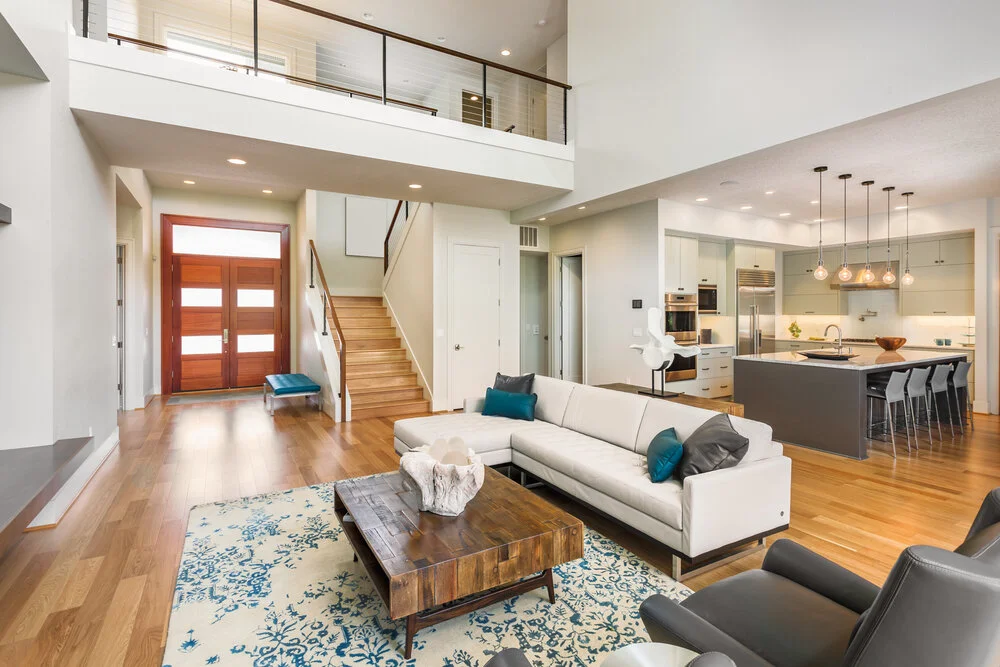
6, Make It Warm and Cozy—While you want to aim for a fresh, minimalist feel, the home shouldn’t feel cold or soulless. A good way to warm up a home when staging is to bring in a few throw pillows and blankets to create a warm, inviting atmosphere. While you won’t be able to burn an enchanting candle or serve fresh baked goods, some cozy accoutrements can still give potential buyers that homey feeling that so often leads to a sale.
7. Make a Few Quick Repairs—Again, remember that your audience will be able to deeply inspect every element of the home, even more so than they might when touring in person on a time limit. That means that they may actually spot the problem areas more easily. Make sure to fix up any big issues before debuting the home virtually, including small and large imperfections.
8. Arrange the Furniture Openly—To give a room a large and airy feel, consider arranging the furniture in a way that opens up the room. Usually that means placing pieces a bit further apart than you might normally in order to create more open, walkable spaces. Remember to declutter furniture, too, only keeping what’s necessary. Opt for neutral-colored furniture in solid colors. If you’re working with existing furniture that’s too colorful or busy, you can always use a slip-cover to dial things down.
9. Show How Space Could Be Used—An important part of staging is making suggestions to help potential buyers envision how they would use the space. It may be worth your while to create a small home office space in an unused bedroom. This is especially important to buyers now as many workers are making the big shift to remote work. If you live in an area attractive to families, it’s a good idea to create a fun space where parents could envision a playroom or hangout space for the kids.
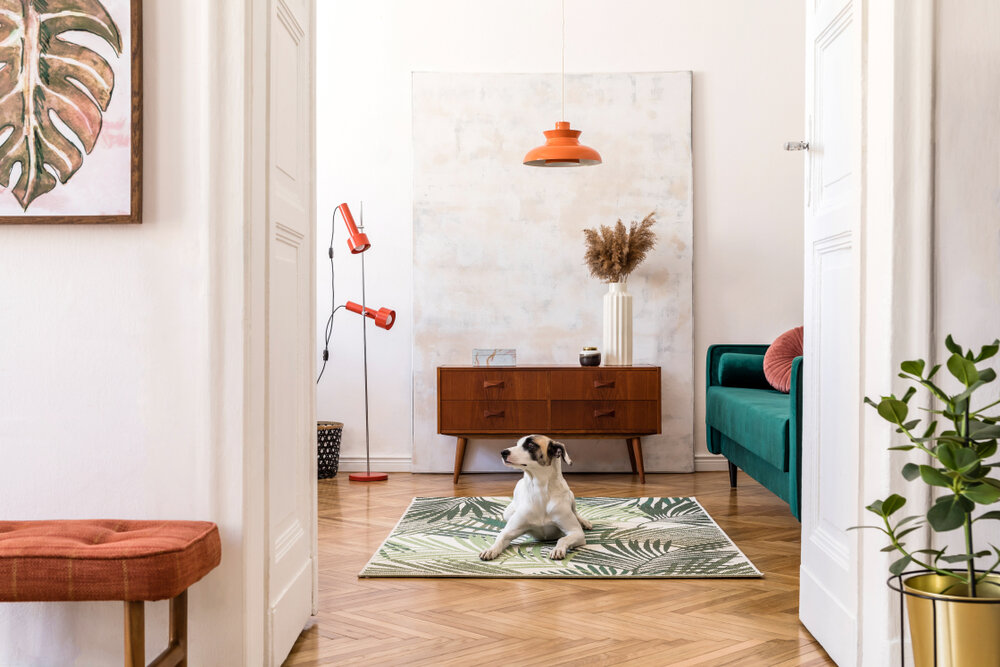
10. Send the Pets Out for a Walk—If the seller has pets, it’s important that you keep them—and every sign of them—out of the virtual home tour. Be sure to go through the entire house and get rid of any toys, bowls, litter boxes and other indications that a pet lived there. It’s also a good idea to do a thorough vacuum right after the pets are gone to eliminate any fur that may linger in your shot.
There’s no denying the appeal of the virtual home tour, especially right now. It can help you attract attention among buyers, including ones who are looking from afar. But just like a standard home tour, a virtual home tour can be made a lot better with the right staging. These tips will help ensure that you knock it out of the park and score that big sale!