

A resource for those seeking information on organizing and transforming spaces.
How To Plan A Fire-Smart Fence Line In Colorado
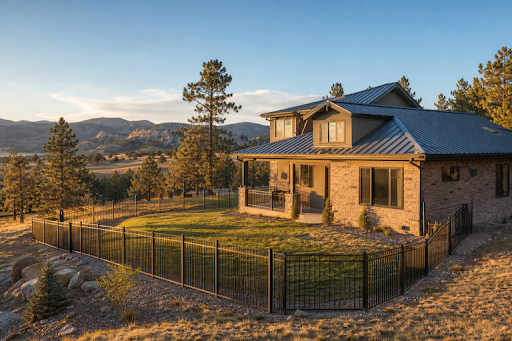
Colorado fences must handle more than privacy, pets, and property boundaries. Dry vegetation, wind, intense sun, snow, and freeze-thaw cycles can affect how a fence performs over time, especially on properties near open space or foothill vegetation. A fire-smart plan considers how the fence, the surrounding landscape, and the home work together.
We partnered with a home improvement company for this post. The opinions in the post are honest. All reviews and opinions expressed in this post are based on our personal views. We are excited because we know you will love it.
Key Takeaways
A fence should support property safety instead of creating a connected path for flames toward a structure.
The first five feet around a home, garage, deck, or porch need the closest attention.
Material selection matters, but fence placement, gates, posts, debris, and nearby plants matter too.
Fire-smart planning is ongoing work that includes inspection, cleanup, pruning, and repair.
Colorado fences must handle more than privacy, pets, and property boundaries. Dry vegetation, wind, intense sun, snow, and freeze-thaw cycles can affect how a fence performs over time, especially on properties near open space or foothill vegetation. A fire-smart plan considers how the fence, the surrounding landscape, and the home work together.
For homeowners comparing fence installation superior, CO options, GreenView Solutions offers a Superior-focused service page covering custom residential and commercial fencing, including wood, metal, vinyl, composite, gates, and fire-mitigation-oriented choices. As a family-owned contractor with more than 20 years of craftsmanship serving Superior and the Denver Metro area, GreenView Solutions brings practical experience with fence systems designed for Colorado sun, snow, wind, and changing seasonal conditions.
Why Fence Planning Matters In Colorado
A fence can define a yard, contain pets, add privacy, and control access. It can also connect combustible materials when it runs directly from dry grass, shrubs, mulch, or a wood pile to the house. The Colorado home ignition zone guidance explains why the structure and the immediately surrounding area should be evaluated together. Fire mitigation improves preparedness, but it does not guarantee that a home will survive a wildfire.
Start With The Fence's Main Job
Define the purpose before selecting a style or requesting estimates. A solid backyard privacy fence has different needs than an open front-yard boundary, pool barrier, pet enclosure, commercial perimeter, or driveway gate.
Privacy: Consider height, sightlines, panel style, and wind exposure.
Pet control: Check bottom clearance, gaps, digging risks, climbing points, and latch security.
Security: Review gate placement, locks, visibility, and lighting.
Property definition: Confirm the boundary before posts are set.
Wildfire readiness: Avoid a continuous combustible connection to buildings.
Review The First Five Feet Around Structures
The area nearest the home deserves the most careful review. Walk the perimeter and note where fencing touches siding, decks, porches, attached garages, or other connected features. Colorado wildfire guidance recommends replacing combustible fencing or gates within at least five feet of a home, so this transition area is an important place to consider metal, masonry, or another lower-combustibility approach.
Measure the gap between fence sections and each structure.
Remove leaves, needles, dry grass, and windblown debris at the fence base.
Move firewood, propane cylinders, planters, and combustible storage away from the fence.
Inspect connected gates and replace deteriorated sections promptly.
Compare Fence Materials By Location
No material is the best choice for every section of every lot. Matching the material to its location can improve durability and support broader defensible-space goals.
Steel: Strong and low-rot, with useful applications near structures, gates, and security-focused boundaries. Protect coatings and fasteners from corrosion.
Aluminum: Lightweight, corrosion-resistant, and often well-suited to open designs, front yards, and decorative gates.
Masonry: Sturdy and noncombustible, though it may require a larger budget and substantial footing design.
Wood: Adaptable and attractive for privacy, but it requires staining, repairs, and regular debris removal.
Vinyl and composite: Lower-maintenance options that should be evaluated by product specifications, installation requirements, and exposure conditions rather than treated as automatically fire-safe.
Think About Fence Shape, Wind, And Drainage
Tall, solid panels catch more wind than open designs. On an exposed property edge, spaced pickets, slatted panels, or open metal fencing may reduce pressure while still defining the property. Posts, footings, rail connections, slopes, drainage, frost movement, and snow accumulation can be just as important as the visible panel material. A sheltered backyard may support a solid privacy design, while a windy edge may benefit from more airflow.
Plan Gates, Posts, And Access
Gates are moving, weight-bearing parts of the system, so they need more planning than a standard fence panel. Use posts sized for the fence height and local exposure, and give wide driveway gates stronger support than walk-through gates. Choose outdoor-rated hinges, latches, and locks. Maintain enough access for mowing, repairs, waste removal, and emergency needs, particularly where narrow side yards could become difficult to navigate.
Pair Fencing With Defensible Space
Fence planning works best alongside landscape maintenance. The Colorado State Forest Service identifies defensible-space zones extending 0 to 5 feet, 5 to 30 feet, and 30 to 100 feet from structures. Homeowners can use the wildland-urban interface map as a neighborhood-level starting point, then seek property-specific guidance where needed. Separate grasses, shrubs, trees, sheds, wood piles, and fences when possible so they do not form one uninterrupted fuel path.
Questions To Ask Before Installation
Will any fence section connect to the home, deck, garage, or shed?
Which materials make sense near structures and which suit the farther property line?
How will posts and footings handle wind, snow, drainage, and freeze-thaw movement?
Are permits, utility locates, HOA approval, or a survey required?
What cleaning, staining, pruning, and repair work will be needed each year?
A Simple 2026 Fence Planning Checklist
Define the fence's purpose and desired access points.
Confirm property lines and local requirements.
Map the first five feet around each structure.
Choose materials, posts, gates, and fasteners as one complete system.
Plan annual debris removal, vegetation maintenance, and inspections.
Compare detailed estimates using the same scope of work.
Conclusion
A fire-smart fence line starts with placement and maintenance, not simply with a material choice. By reviewing the area closest to the home, reducing connected fuels, planning durable posts and gates, and accounting for Colorado weather, homeowners can build a fence that supports privacy, function, curb appeal, and wildfire-readiness goals.
Natural Look Tiles: For Organic and Earthy Bathroom Floors
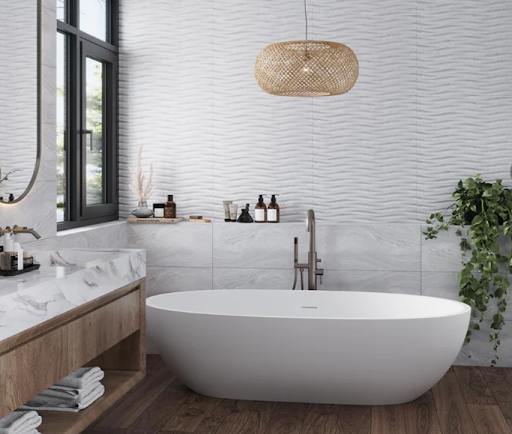
A comfortable, restorative, and calm bathroom can help you disconnect from the hustle and bustle of daily life and relax and recuperate. A simple and efficient way to make your bathroom feel inviting and appealing is through organic materials and designs. Wood, stone, marble, fiber, etc., can help you bring a lot of texture, warmth, and visual depth to your bathroom and connect it to Mother Nature.
We partnered with a home design company. for this post. The opinions in the post are honest. All reviews and opinions expressed in this post are based on our personal views. We are excited because we know you will love it.
A comfortable, restorative, and calm bathroom can help you disconnect from the hustle and bustle of daily life and relax and recuperate. A simple and efficient way to make your bathroom feel inviting and appealing is through organic materials and designs. Wood, stone, marble, fiber, etc., can help you bring a lot of texture, warmth, and visual depth to your bathroom and connect it to Mother Nature.
While natural materials can be used in bathrooms, some of them, especially wood, can be difficult to maintain. In such cases, using natural-look tiles is the best way to introduce nature’s beauty to your bathroom in a more practical and durable manner. These tiles combine the elegance of natural materials with the strength and practical benefits of tiling materials, making them the perfect tiling choice for any bathroom flooring.
With the help of modern manufacturing techniques, tiles are now able to mimic the fine details of natural materials such as veining, patterns, and surface variation with a high level of precision. This helps homeowners and designers alike to create a natural aesthetic without the hassle and constraints of the actual materials. Unlike actual materials, natural-look tiles can be used across bathroom floors where the real deal would be a strict no-no.
Defining Natural Look Tiles
Natural look tiles are designed to mimic the look of various natural materials such as stone, wood, marble, fabric, and concrete. These tiles not only try to achieve visual similarity, but also try to simulate the finish and surface of the real material. They are typically made using durable materials such as porcelain and ceramic, which provide them with structural reliability and aesthetic appeal.
Compared to actual natural materials, natural look tiles have many benefits. These include:
● Better moisture resistance compared to natural wood or porous stone.
● Easier cleaning and lower maintenance requirements.
● Improved durability for long-term use.
● Easy installation.
● Wider design flexibility across different bathroom styles.
This makes them suitable for bathroom floors where durability is just as important as appearance. Instead of limiting material choices based on environment, natural look tiles expand what is possible across different areas of the home. Here are the top five types of natural-looking tiles that are popular today.
1. Wood Look Tile: For Warmth and Wonder
As the name suggests, wood look tiles simulate the wooden grain and tonal shifts of real hardwood while discarding its many limitations. Available in various formats such as planks, large-format tiles, mosaic, and more, these tiles help create a natural and wooden feel in any space.
Unlike real wood, wood-like tiles are highly stable and do not contract or expand with changes in moisture or temperature. This makes them highly reliable for bathroom flooring where water exposure is unavoidable. Larger plank formats can also visually elongate smaller bathrooms, making the space appear more open and continuous. They work especially well in contemporary, Scandinavian, farmhouse, and Japandi-inspired interiors.
2. Concrete Look Tile: Simple Yet Bold
Concrete-look tiles are known for their understated elegance and a clean look that goes well with modern design styles. While real concrete is sturdy, it is susceptible to cracking and requires sealing. Concrete-look tiles provide a good alternative to real concrete as they are low on maintenance and high on aesthetics.
Instead of strong patterns, concrete-look tiles feature various soft tonal shifts that add depth and dimension to the surface. They serve as a great foundation on which you can add various design elements.
When you are on the lookout for tiles designed for wet-area flooring, concrete-look tiles provide exceptional traction for better footing. They are highly suitable not just for bathrooms but also for shower floors and other high-moisture zones. Concrete-look tiles create an uncluttered, calm look on bathroom floors, and their neutral colors go well with simple fixtures.
3. Stone Look Tiles: Where Tile Meets Substance
Stone-look tiles recreate the appearance of natural materials such as slate, limestone, and travertine, bringing organic texture and visual variation in a more durable and predictable tile format.
While natural stone often varies significantly in color, thickness, and finish, stone-look tiles offer a more controlled and refined interpretation of these characteristics. This allows for easier installation, greater consistency, and a more uniform overall appearance without losing the natural charm of real stone.
Perfect for all kinds of wet spaces, stone-look tiles not only add a natural beauty to your floors (and walls) but also provide traction to keep you safe. They are highly recommended in homes with pets, children, and the elderly.
4. Marble Look Tiles: Elegance with Ease
The natural veining and contrast found in natural marble are often recreated to perfection in marble-look tiles. By mimicking the beauty of marble patterns, the tiles create a more predictable design result.
These tiles are available in a range of styles, from subtle white marble effects to bold, dramatic veining. On bathroom floors, they help brighten the room and create a more refined, upscale atmosphere.
Because they do not require sealing and are less prone to staining, they are easier to maintain than natural marble. This makes them a practical choice for spaces that see regular use. Large-format marble look tiles can make smaller bathrooms feel more expansive, while mosaic versions work well in shower floors where additional grip is beneficial.
5. Fabric Look Tile: Fancy and Fabulous
Fabric look tiles bring a soft visual texture that looks just like textile or woven surfaces. Fabric tiles, given their textural and material differences, focus on creating a tactile and layered effect.
These tiles work particularly well in bathrooms designed around calm, muted palettes. Their understated surface patterns add depth without overwhelming the bath space, making them suitable for minimalist and contemporary interiors.
Their purpose is to add depth without introducing strong patterns, making them useful in spa-like bathrooms where subtlety is important.
Conclusion
Natural look tiles make it possible to create bathroom floors that feel warm, grounded, and visually connected to nature without compromising on durability or practicality.
When used thoughtfully, they can create bathrooms that feel cohesive, calming, and highly functional. Their value lies not only in how closely they replicate natural materials, but also in how well they withstand the demands of everyday use.
Modern Bathroom Hand Basins with Premium Designs
Ever wondered what single element could completely transform your bathroom from ordinary to extraordinary? Have you been scrolling through endless renovation inspiration, dreaming of that perfect blend of style and functionality? What if the secret to achieving that luxurious bathroom aesthetic was simpler than you thought?
Ever wondered what single element could completely transform your bathroom from ordinary to extraordinary? Have you been scrolling through endless renovation inspiration, dreaming of that perfect blend of style and functionality? What if the secret to achieving that luxurious bathroom aesthetic was simpler than you thought?
The humble hand basin has evolved dramatically over the years. No longer just a functional necessity, it's become a genuine design statement that sets the tone for your entire bathroom. Homeowners are increasingly recognising that investing in a premium hand basin isn't just about washing hands—it's about creating an experience, a moment of daily luxury that elevates your morning routine.
In this guide, we'll explore everything you need to know about selecting the perfect modern bathroom hand basins for your home. From popular styles and materials to trending designs for 2024, sizing considerations for compact spaces, and where to find quality options locally—we've got you covered. Whether you're renovating a heritage Fitzroy terrace or fitting out a sleek South Yarra apartment, you'll discover how to match your basin with the right tapware, understand installation requirements, and maintain your investment for years to come.
Why Choose Premium Hand Basin Designs for Your Home?
The Impact of Quality Basins on Bathroom Aesthetics
Your bathroom hand basins is often the first thing guests notice when entering your bathroom. It anchors the space visually and creates an immediate impression. A well-chosen premium basin can turn an average bathroom into something genuinely memorable.
Quality basins feature superior finishes, cleaner lines, and more refined proportions than budget alternatives. These subtle differences add up to create a polished, cohesive look. Plus, premium designs often incorporate innovative features—like concealed overflows or integrated soap dishes—that streamline the overall appearance.
Long-Term Value and Durability
While premium basins require a higher initial investment, they typically offer far better value over time. Quality materials resist staining, chipping, and wear much more effectively than cheaper alternatives. Many homeowners find themselves replacing budget basins within a few years, whereas a premium piece can last decades with proper care.
Popular Types of Modern Hand Basins
Wall-Mounted Basins
Wall-mounted basins are perfect for creating a clean, minimalist aesthetic. They attach directly to the wall, leaving floor space visible beneath. This makes bathrooms feel more spacious and simplifies cleaning—no more awkward manoeuvring around pedestal bases.
Countertop and Vessel Basins
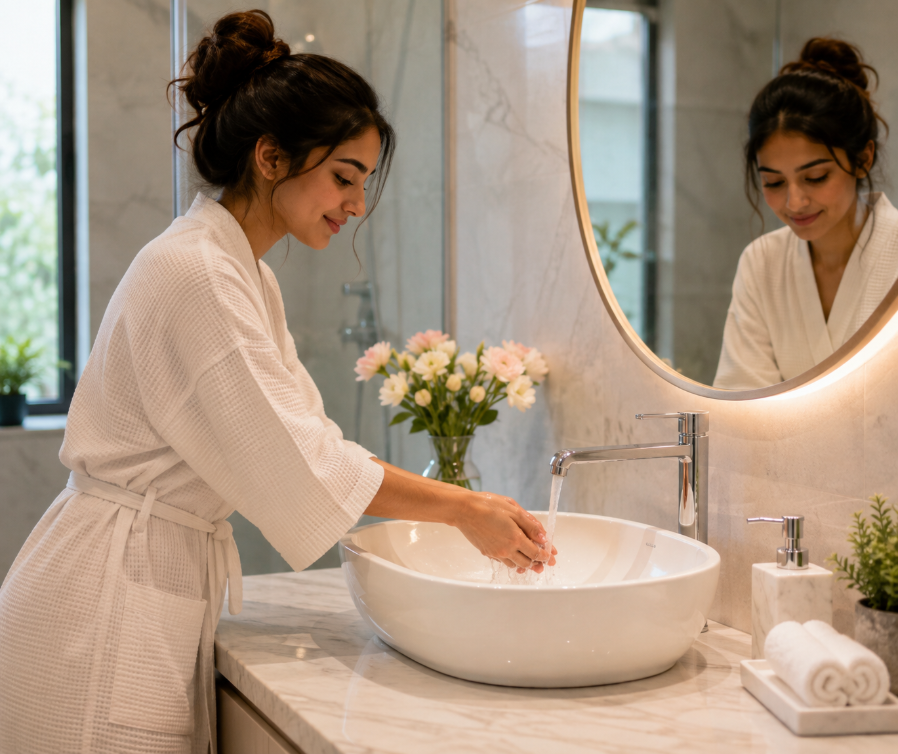
Vessel basins sit atop your vanity bench, creating a striking sculptural effect. They're incredibly versatile, available in everything from classic white ceramic to textured stone. Designers love them for their ability to serve as genuine focal points.
Semi-Recessed Basins
Semi-recessed basins offer a clever compromise between countertop and under-mount styles. Part of the basin sits within the vanity while the rest extends outward. They're ideal for narrower bathrooms where you need maximum bench space without sacrificing basin depth.
Pedestal and Freestanding Basins
For a more traditional or statement-making approach, pedestal basins remain popular. Modern interpretations feature sleeker columns and contemporary shapes. Freestanding versions take this further, with the entire basin and stand forming one unified piece.
Under-Counter Basins
Under-counter basins mount beneath your vanity top, creating seamless surfaces that are easy to clean. They're particularly popular in contemporary homes were streamlined aesthetics reign supreme.
What Are the Best Materials for Bathroom Hand Basins?
Ceramic and Porcelain
Ceramic and porcelain remain the most popular choices for good reason. They're durable, hygienic, and available at various price points. Premium porcelain features denser construction and more refined glazes that resist marks and staining.
Natural Stone
Natural stone basins—think marble, granite, or onyx—bring unmatched luxury to any bathroom. Each piece is unique, with natural variations in veining and colour. They do require more careful maintenance but reward you with timeless beauty.
Solid Surface and Composite Materials
Materials like Corian and various composites offer excellent versatility. They can be moulded into virtually any shape and repaired if damaged. Many features integrated antibacterial properties, making them particularly hygienic.
Glass and Concrete Options
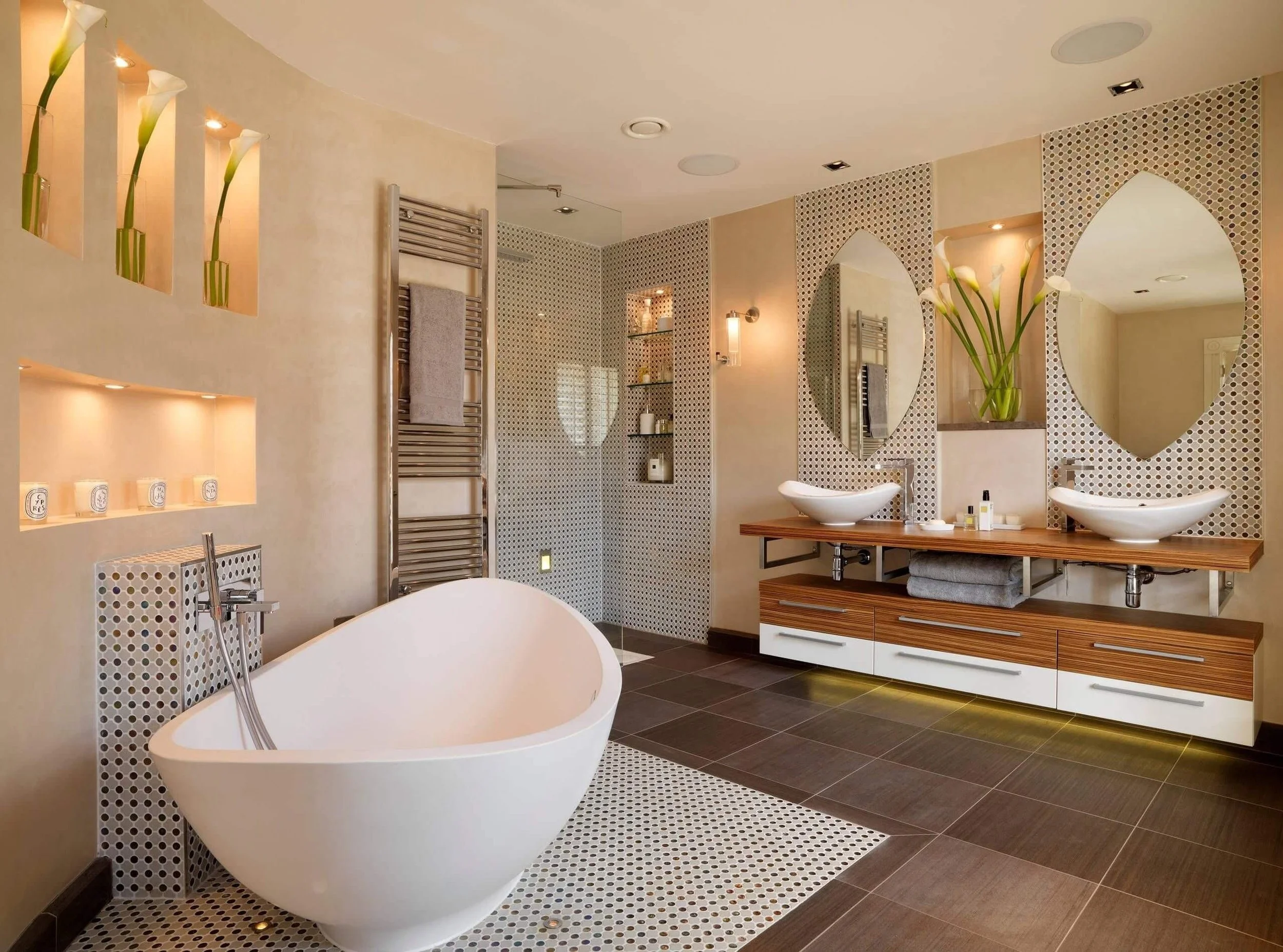
For something truly distinctive, glass basins create stunning visual effects, especially when paired with creative lighting. Concrete basins, meanwhile, suit industrial or minimalist spaces perfectly—they're tough, unique, and increasingly popular in inner suburbs.
How Do I Choose the Right Size Hand Basin for a Small Bathroom?
Small bathrooms present unique challenges, but the right basin choice can make all the difference. Start by measuring your available space carefully, including clearances for doors and movement.
Compact wall-mounted basins work brilliantly in tight spaces, typically ranging from 400mm to 500mm wide. Corner basins maximise awkward spaces that might otherwise go unused. Semi-recessed options let you have a generous basin without the vanity protruding too far into the room.
Consider depth as well as width. A deeper basin prevents splashing even in compact dimensions. Many suppliers now offer specifically designed compact ranges that don't compromise on style or functionality.
Trending Hand Basin Designs for 2026
Minimalist and Scandinavian Styles
Clean lines, neutral palettes, and understated elegance continue dominating bathrooms. Think soft curves, matte white finishes, and uncluttered designs. These basins complement virtually any bathroom style while creating calm, spa-like atmospheres.
Curved and Organic Shapes
Angular designs are giving way to softer, more organic forms. Oval and pill-shaped basins are particularly popular, referencing natural shapes and creating gentler visual energy. These designs feel approachable and contemporary simultaneously.
Matte Black and Coloured Finishes
While white remains classic, coloured basins are making waves. Matte black creates dramatic contrast, while soft pastels—sage green, blush pink, warm grey—add personality without overwhelming. Terrazzo-inspired finishes are also trending for those wanting something truly unique.
Where Can I Buy Quality Bathroom Basins
Offers excellent options for sourcing premium hand basins. Many suppliers also offer design consultations to help you make the right choice.
Specialist bathroom retailers typically stock curated selections from reputable manufacturers. Building design centres, often located in industrial areas, provide broader selections alongside other bathroom components. For unique pieces, consider visiting architectural salvage yards or artisan studios specialising in handcrafted basins.
Online purchasing has expanded options further, though viewing products in person remains valuable for assessing quality and scale.
How Much Does a Premium Bathroom Hand Basin Cost in Australia?
Budget ceramic basins start around $150-300, while mid-range options from quality manufacturers typically fall between $400-800. Premium designer basins range from $800-2000, with luxury natural stone or artisan pieces potentially exceeding $3000.
Remember to factor in tapware, waste fittings, and installation costs when budgeting. A complete basin setup—including quality mixer tap and professional installation—might add $500-1500 to your basin purchase.
Installation Considerations for Homeowners
DIY vs Professional Installation
While wall-mounted basins might seem straightforward, professional installation ensures proper support and waterproofing. Plumbers understand specific building codes and can identify potential issues before they become problems.
DIY installation risks include incorrect mounting heights, inadequate wall support, and improper waste connections. Given basins are used multiple times daily, investing in professional installation protects your premium purchase.
Plumbing Requirements
Consider your existing plumbing locations before selecting a basin style. Moving waste or supply pipes adds significant cost. Wall-mounted basins require in-wall plumbing, while pedestal styles can sometimes hide pipework more easily.
How to Match Your Hand Basin with Bathroom Tapware
Your tapware should complement your basin aesthetically and functionally. Consider spout height and reach—vessel basins require taller tapware, while shallow basins need controlled water flow. Match finishes consistently throughout your bathroom for cohesive design.
Popular tapware finishes include chrome, brushed nickel, matte black, and brushed brass. Ensure your chosen taps align with your basin's tap hole configuration—single-hole, three-hole, or wall-mounted options each suit different basin styles.
Caring for and Maintaining Your Premium Hand Basin
Regular cleaning with non-abrasive products keeps your basin looking pristine. Avoid harsh chemicals that might damage finishes or glazes. Natural stone requires periodic sealing to prevent staining, while glass needs streak-free cleaning solutions.
Address any chips or cracks promptly to prevent water damage. Most quality manufacturers offer repair services or guidance for maintaining their products long-term.
Elevating Your Bathroom with the Perfect Hand Basin
Choosing the right bathroom hand basins transforms your bathroom from purely functional to genuinely beautiful. We've explored the many options available to homeowners—from wall-mounted minimalism to statement stone vessels—and the materials, sizes, and styles that might suit your space.
The perfect basin balances aesthetics, functionality, and practicality. Consider your bathroom's size, your design preferences, and your daily needs when making your selection. Don't forget that quality installation and appropriate tapware choices complete the picture.
Your bathroom deserves more than an afterthought basin. Take time to visit local showrooms, feel different materials, and imagine each option in your space. The right premium hand basin will reward you with daily moments of luxury—and that's something truly worthwhile investing in.

Why Every Home Needs a Professional Gardener
Have you ever looked out at your garden and felt a pang of guilt? Perhaps the lawn's looking a bit patchy, the hedges have grown wild, or those weeds have staged a full-scale invasion? You're definitely not alone. Most of us dream of a beautiful outdoor space but struggle to find the time, energy, or know-how to make it happen.
Have you ever looked out at your garden and felt a pang of guilt? Perhaps the lawn's looking a bit patchy, the hedges have grown wild, or those weeds have staged a full-scale invasion? You're definitely not alone. Most of us dream of a beautiful outdoor space but struggle to find the time, energy, or know-how to make it happen.
Here's the thing – your garden is more than j ust a patch of grass and a few plants. It's an extension of your home, a place for relaxation, and often the first thing visitors notice. A well-maintained garden can transform your property, boost your mood, and even add serious value to your home. Yet so many of us let this precious space fall by the wayside.
In this post, we're going to explore why hiring a professional gardener might be one of the smartest decisions you'll make as a homeowner. We'll cover everything from what these experts actually do, to how much you can expect to pay, and why the investment is absolutely worth it. Whether you're a time-poor professional, a busy parent, or simply someone who'd rather enjoy their garden than work in it, this guide is for you.
What Does a Professional Gardener Actually Do?
Regular Maintenance and Lawn Care Services
Professional gardeners handle all the tasks that keep your outdoor space looking its best year-round. This includes mowing, edging, and feeding your lawn to achieve that lush, green carpet effect. They'll also tackle weeding, pruning shrubs, and keeping pathways clear.
Beyond the basics, they'll maintain your flower beds, deadhead spent blooms, and make sure everything stays healthy and vibrant. Many also offer services like mulching, composting, and soil improvement to give your plants the best possible growing conditions.
Seasonal Planting and Garden Design
A skilled gardener brings creative expertise to your outdoor space. They can design planting schemes that provide colour and interest throughout the year. From spring bulbs to winter evergreens, they'll make sure your garden never looks bare.
They understand which plants thrive in Australian conditions and can suggest drought-tolerant options that'll survive our harsh summers. Plus, they can completely redesign tired or outdated garden layouts to create something truly special.
Pest Control and Plant Health Management
One of the biggest advantages of hiring a professional is their ability to spot problems early. They'll identify pests, diseases, and nutrient deficiencies before they become major issues. This proactive approach can save your plants – and your wallet – from serious damage.
Why Should I Hire a Professional Gardener Instead of Doing It Myself?
Time-Saving Benefits for Busy Homeowners
Let's be honest – weekends are precious. Between work, family commitments, and trying to maintain some semblance of a social life, gardening often falls to the bottom of the priority list. Hiring a professional frees up your time for the things that matter most.
Instead of spending Saturday morning battling weeds or wrestling with the mower, you could be enjoying a barbecue with friends or simply relaxing with a good book. That's time you'll never get back.
Expert Knowledge and Horticultural Skills
Professional gardeners bring years of training and hands-on experience to your property. They know exactly when to prune roses, how to encourage reluctant plants to bloom, and which fertilisers work best for different soil types. This expertise simply can't be replicated by watching a few YouTube videos.
They also stay up-to-date with the latest gardening techniques and sustainable practices. This means your garden benefits from cutting-edge knowledge without you having to lift a finger.
Access to Professional Tools and Equipment
Quality gardening equipment is expensive and takes up valuable storage space. Professional gardeners come equipped with everything needed to do the job properly – from commercial-grade mowers to specialised pruning tools.
How Much Does a Professional Gardener Cost?
Understanding Hourly Rates vs. Fixed Contracts
In Australia, you can expect to pay anywhere from $40 to $70 per hour for basic gardening services. However, many gardeners offer fixed-price contracts for regular maintenance, which can work out more economical in the long run.
Monthly or fortnightly contracts typically include all routine tasks, giving you predictable costs and a consistently maintained garden. It's worth getting quotes from several local gardeners to compare rates and services.
Factors That Influence Gardening Service Prices
Several elements affect what you'll pay:
Garden size and complexity
Frequency of visits
Specific services required
Your location
The gardener's experience level
Is Hiring a Gardener Worth the Investment?
Absolutely. When you factor in the time saved, the improved appearance of your property, and the potential boost to your home's value, professional gardening services offer excellent return on investment.
How a Professional Gardener Can Increase Your Property Value
Boosting Curb Appeal for Potential Buyers
First impressions count, especially when selling your home. A beautifully maintained garden can add thousands to your property's value and help it sell faster. Buyers often make snap judgements before they've even stepped inside.
Creating Low-Maintenance Garden Designs That Sell
Professional gardeners can design outdoor spaces that appeal to modern buyers – think easy-care native plants, efficient irrigation systems, and practical layouts. These features are increasingly sought after in the Australian property market.
What Should I Look for When Hiring a Gardener?
Qualifications, Insurance, and References
Always check that your gardener has public liability insurance – this protects both you and them if something goes wrong. Ask about their qualifications and request references from current clients.
Questions to Ask Before Signing a Contract
Before committing, clarify:
What services are included?
How often will they visit?
What happens during bad weather?
Do they supply their own tools and materials?
How Often Should a Professional Gardener Visit My Home?
Weekly vs. Fortnightly Maintenance Schedules
Most Australian homes benefit from fortnightly visits during the growing season and monthly visits during winter. However, larger properties or gardens with extensive plantings may need weekly attention.
Seasonal Requirements Throughout the Year
Your garden's needs change dramatically throughout the year. Spring and autumn typically require more intensive work, while summer focuses on watering and winter on preparation and pruning.
The Mental Health and Lifestyle Benefits of a Beautiful Garden
Reducing Stress Through Outdoor Spaces
Studies consistently show that spending time in green spaces reduces stress and improves mental wellbeing. A beautiful garden provides a sanctuary from daily pressures – a place to unwind and reconnect with nature.
Enjoying Your Garden Without the Hard Work
Here's the beautiful irony: by hiring someone else to do the work, you actually get to enjoy your garden more. Instead of viewing it as a chore, it becomes a genuine source of pleasure and relaxation.
Common Gardening Problems Only Professionals Can Solve
Some issues require expert intervention. Persistent pest infestations, soil compaction, drainage problems, and diseased plants often need professional assessment and treatment. A trained gardener can diagnose these problems accurately and implement effective solutions that DIY approaches simply can't match.
Making the Smart Choice for Your Home
Making the Smart Choice for Your Home
To sum up, hiring a professional gardener isn't a luxury – it's a smart investment in your property, your lifestyle, and your wellbeing. From saving precious time to boosting your home's value, the benefits are clear and compelling.
Think about what you actually want from your outdoor space. Do you want to spend every weekend maintaining it, or would you rather enjoy it with family and friends? A professional gardener gives you the best of both worlds – a stunning garden without the backbreaking effort.
So, if you've been on the fence about making this investment, now's the time to take action. Reach out to a trusted gardener in Burwood, get some quotes, and start enjoying the garden you've always dreamed of. Your future self – relaxing in a beautiful, professionally maintained outdoor space – will thank you for it.