
Rising Heating Bill? Ways to Improve Your Home's Insulation
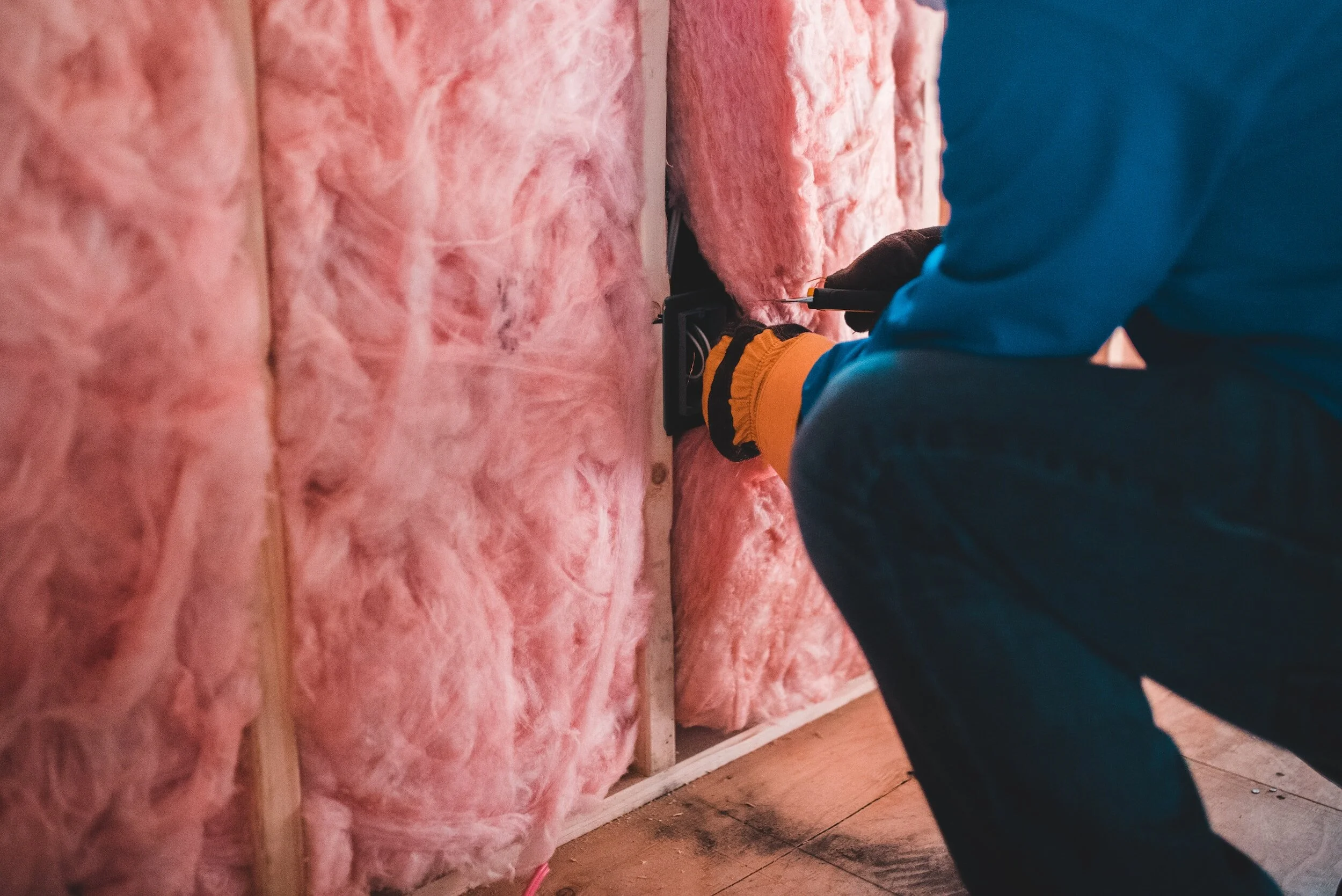
As winter approaches, many homeowners dread the prospect of high heating bills. Not only is it stressful for our wallets, but it's also harmful to the environment. The solution, however, lies in improving your home's insulation. By doing so, you can not only save money but also reduce your carbon footprint. In this blog post, we'll discuss some of the best ways to improve your home's insulation without having to break the bank. From sealing leaks to upgrading your windows, keep reading to learn how to keep your home warm and energy-efficient.
Seal the Air Leaks
Air leaks can cause cold drafts and heat loss, leading to higher heating bills. Here's how to seal them:
Check for gaps and cracks in windows, doors, and walls. Using caulking or weatherstripping can help fill them.
Use foam insulation to seal larger areas, such as around electrical boxes and plumbing outlets.
Install draft stoppers to eliminate gaps between doors and floors.
By minimizing air leaks, you can reduce your heating bill by up to 20%.
Upgrade Your Windows
Replacing old, drafty windows with new energy-efficient ones can significantly improve your home's insulation. Look for windows with a high energy star rating to keep your home warm in the winter and cool in the summer. If replacing all your windows is too costly, consider adding storm windows or using window insulation kits.
Insulate Your Attic
Heat rises, which means uninsulated attics are a primary source of heat loss in homes. By adding insulation, you can keep your home warm and save money on heating bills. The recommended insulation level for attics is usually around R-49. If you're unsure about how to insulate it yourself, consider hiring a professional to help you.
Insulate Your Walls
If you live in an older home, your walls may not be adequately insulated. You can check by drilling a small hole in an interior wall and measuring the depth of the insulation. If it's less than 9.5 inches, it's time to add more. You can do so by blowing insulation into the walls using a machine. Again, if you're not comfortable doing it yourself, consider hiring a professional.
Install Energy-Efficient Doors
Installing a new energy-efficient door can significantly improve your home's insulation. Look for doors with a high R-value, which indicates how well they resist heat flow. Also, make sure it has a tight seal to prevent cold drafts.
Add More Insulation to Your Basement/Crawl Space
If your basement or crawl space is unfinished, it's likely uninsulated and a significant source of heat loss. By insulating it, you can reduce your heating bills and keep your home warmer. You can do so by using either foam board, spray foam or fiberglass batts.
Insulate Your Ceilings
Similar to attics, insulating your ceilings can help prevent heat from escaping. If you have a cathedral ceiling, consider adding insulation in between the rafters rather than on top of them. For flat ceiling insulation, you can use blown-in cellulose or fiberglass insulation.
By improving your home's insulation, you can reduce your heating bills while also contributing to the environment. Sealing leaks, upgrading your windows, insulating your attic, walls, basement/crawl space, and doors are all effective ways of increasing your home's energy efficiency. Remember, small changes can make a big difference, and every little bit helps when it comes to preserving our planet.