
Decluttered & Daylight: How Organised Homes Maximise Light and Space
We partnered with a home design company for this post. The opinions in the post are honest. All reviews and opinions expressed in this post are based on our personal views. We are excited because we know you will love it.
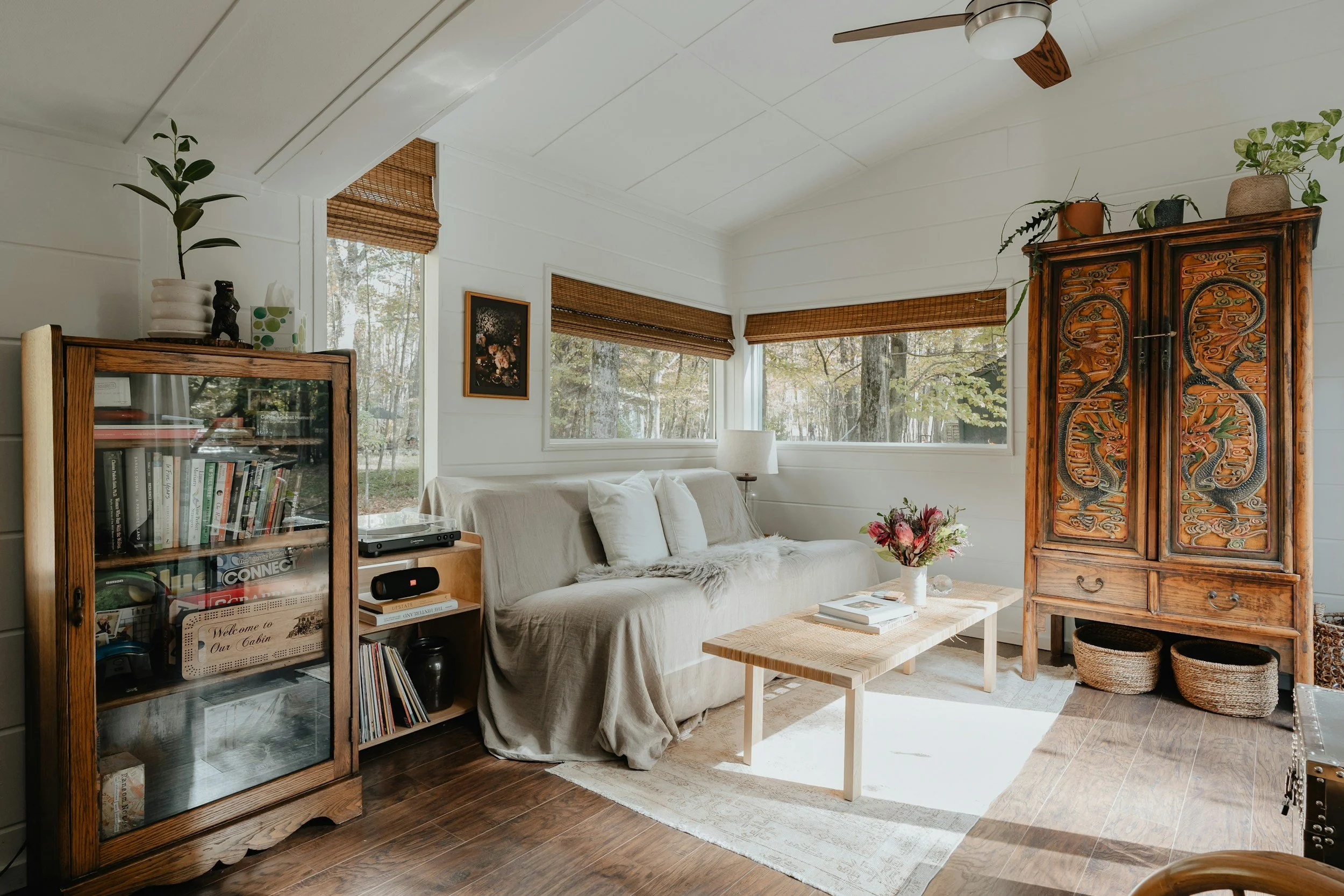
One of the most underrated contributors to how bright a home feels is the amount of visual clutter in it. We often assume daylight levels are fixed — as if the brightness of a room is simply dependent on window size or location. In reality, the way objects, furniture and storage are arranged has a direct effect on how light moves. When belongings are piled into corners, surfaces are covered and pathways are obstructed, daylight gets trapped. Conversely, when objects are given a logical place to live, the space between them becomes brighter and easier to inhabit.
This is why organization is not just a lifestyle trend. It has a measurable architectural effect. Light doesn’t just illuminate objects — it interacts with surfaces, materials and volume. When a room is visually lighter, it becomes perceptually larger. And when the room feels larger, it becomes more comfortable to use.
Start With Surfaces
Flat surfaces are where clutter shows up first. Kitchen counters, console tables, desk tops — these are the areas where daily life accumulates. The most useful future-forward habit is to categorize objects and give them a dedicated place. If everything is always on display, it creates visual noise that disrupts how the eye reads a space. A room with clean surfaces allows daylight to bounce more evenly, which contributes to a calmer, more balanced feel.
Storage That Doesn’t Crowd The Walls
A common mistake in smaller homes is lining every wall with furniture. When walls become storage barriers, daylight loses the ability to ‘float’ across the room unobstructed. Selecting fewer pieces but giving them higher functionality keeps the room readable and removes the sense of heaviness that pulls the space inward.
Tall storage can work well, but ideally with breathing room around it — especially near windows. The more air you allow between the structural elements and the glazing, the more room daylight has to flow.
Triangle Windows Need Smart Shading
Architectural statements are no longer limited to rectangles. Many modern homes — especially new-builds and remodels with vaulted ceilings — incorporate triangle windows in peak roof sections or dramatic clerestory shapes. These windows bring in fantastic
daylight, but they also require shading to prevent glare and overheating.
Triangle window blinds are specifically designed to handle these unique angles. Electric triangle blinds are becoming more popular because they allow homeowners to control shading without physically reaching for awkward angles. With motorized operation, the homeowner can maintain the sculptural impact of the geometry while still protecting comfort, privacy and daylight balance in the home.
Light Zones Instead of Light Everywhere
Decluttering isn’t just about removing objects — it’s about deciding where attention should be directed. In interior design terms, this is known as visual weighting. When everything is highlighted, the room feels busy. When the eye has a clear hierarchy, rooms feel calmer. Future-ready organization means directing daylight to places that benefit from focus — reading chairs, dining areas, creativity corners — while letting the non-essential zones recede.
Choosing Reflective Elements With Intention
Glossy surfaces reflect light, but too much gloss can feel artificial or visually aggressive. A more tasteful approach is to use subtle reflectivity: satin metals, pale stone, lightly reflective paint sheens. Organization gives you the room to make these material choices matter. When surfaces are clear, the light they reflect is more even and more pleasing to experience daily.
Conclusion: Organization Is A Light Strategy
Homes don’t need massive windows to feel bright. The interior can work with the light if the space is given clarity. Organization allows daylight to become a design tool rather than an afterthought. When things have logical homes, when surfaces are clear, and when architectural features — even triangular glazing — are managed thoughtfully, houses become brighter, calmer and more human-centered.
Decluttering isn’t a chore — it’s a spatial choice that reveals the light you already have.