
What Does It Mean To Bleed a Radiator? The More You Know
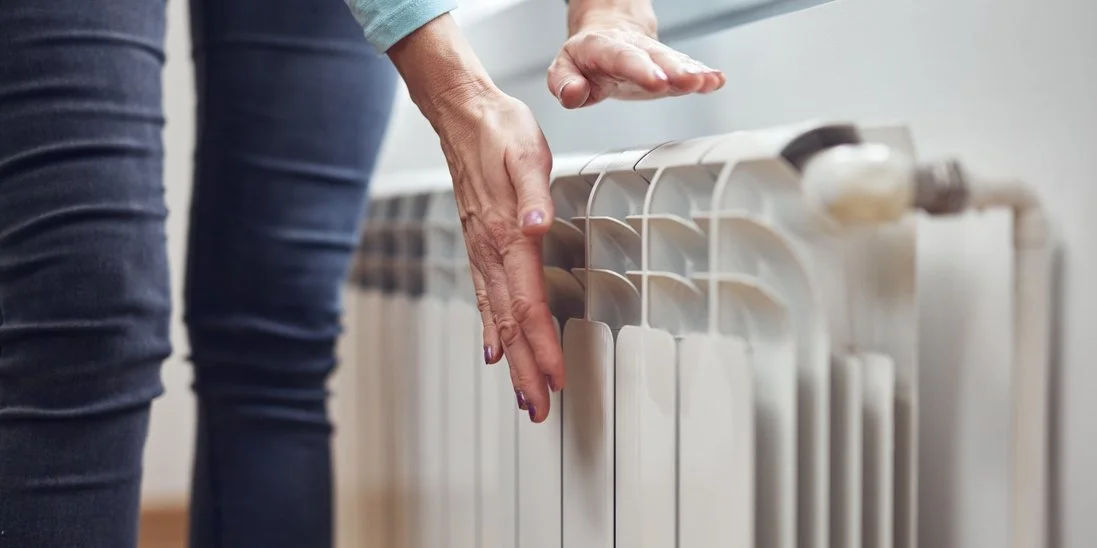
When the weather gets chilly, the last thing you want is a radiator that isn’t working properly. If you’ve noticed your radiator is cold at the top and warm at the bottom, or it’s making gurgling sounds, it might be time to bleed it. This simple maintenance task can improve your home’s heating and save you money on energy bills.
Below, you’ll learn what it means to bleed a radiator, why it’s important, and how you can do it yourself.
Why Radiators Need Bleeding
Over time, air can get trapped inside your central heating system. Since water can’t circulate effectively when air is in the way, this trapped air creates cold spots on your radiators. Bleeding a radiator is simply the process of releasing this trapped air. When you let the air out, hot water can fill the entire radiator again, allowing it to heat your room evenly and efficiently.
This process ensures your heating system runs at its best. A system with trapped air must work harder to warm your home, which increases your energy consumption and, consequently, your heating bills. Regularly bleeding your radiators is a key part of home maintenance.
How To Know When To Bleed Your Radiator
You don’t need to be a heating expert to spot the signs. Here are the main indicators that your radiator needs bleeding:
The top of the radiator feels cold yet the bottom feels warm.
You hear bubbling or clanking noises coming from your radiators or pipes.
The room feels colder than usual, even when the heating is on full.
If you notice any of these signs, bleeding your radiator is a good first step. It’s a quick fix that often solves the problem without needing to call a professional.
How To Bleed a Radiator
Bleeding a radiator is a straightforward job you can do yourself. First, gather your tools: you will need a radiator key (available at any hardware store), a cloth or rag, and a small bowl to catch any water.
Start by turning off your central heating and waiting for the radiators to cool down completely. This prevents you from getting burned by hot water. Find the bleed valve, which is a small metal square located at the top corner of your radiator. Place your cloth on the floor and hold the bowl under the valve to catch drips.
Insert the radiator key into the bleed valve and turn it counterclockwise. You’ll notice a hissing noise as the trapped air begins to release. Once the hissing stops and water starts to trickle out, quickly turn the key clockwise to close the valve. Make sure not to overtighten it. After you bleed all the necessary radiators, turn your heating system back on.
Check your boiler’s pressure gauge, as you may need to top it up. For even greater control over your heating, you might consider having a professional install a thermostatic radiator valve on each unit.
Bleeding your radiators is a simple task that makes a big difference in your home’s comfort and energy efficiency. By performing this quick maintenance check, you ensure your heating system works effectively, keeping your family warm throughout the colder months.