
Signs Your Home's Pipes Need Immediate Attention
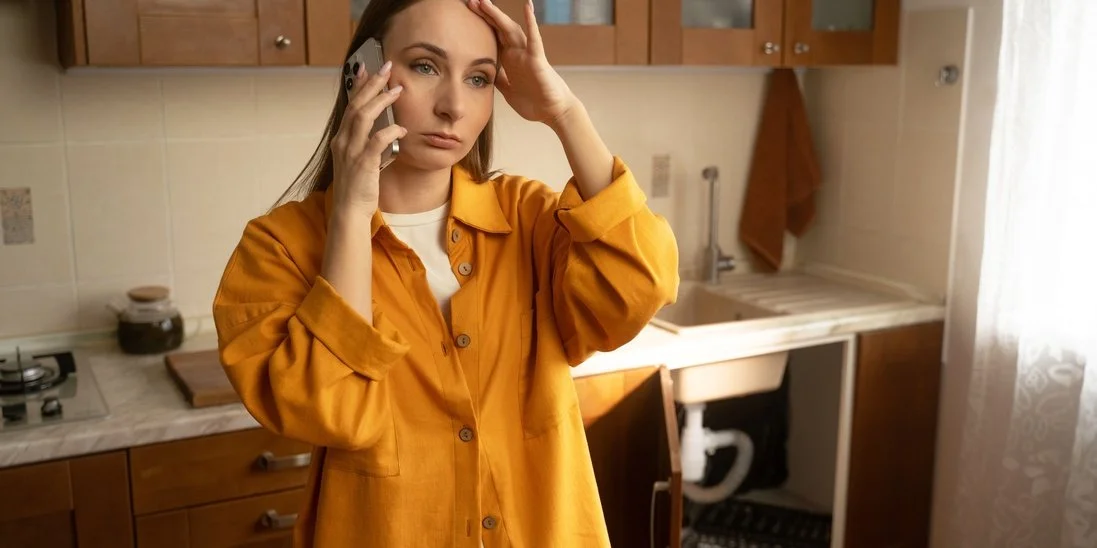
Most homeowners don't think about their plumbing until something goes wrong. A dripping faucet or a slow-draining sink might seem like minor annoyances, but they can often be early warnings of bigger, more expensive problems lurking in your pipes. Ignoring these signs that your pipes need attention can lead to water damage, mold growth, and costly emergency repairs.
1. Discolored or Foul-Smelling Water
One of the most apparent signs of a plumbing issue is a change in your water's color or smell. If the water coming from your taps is brown, yellow, or has visible particles, it could indicate that your pipes are corroded or rusted. This is particularly common in older homes with galvanized steel or iron pipes. As these pipes age, they can release rust and other sediments into your water supply, affecting its quality and taste.
Similarly, if your water has a foul odor, like rotten eggs or sewage, it's a major red flag. A sulfurous smell often indicates bacterial buildup in your pipes or water heater. This is when you should call the pros for plumbing repairs.
A sewage odor, on the other hand, could signal a cracked or blocked sewer line. In either case, it's crucial to address the issue immediately, as contaminated water poses a significant health risk.
2. Low Water Pressure
Have you noticed your shower turning into a weak trickle or your faucets delivering less water than they used to? A sudden or gradual drop in water pressure is a common symptom of plumbing problems. This could be caused by several issues, ranging from simple to severe.
A clog is often the culprit. Mineral deposits, rust, and other debris can accumulate inside your pipes over time, restricting water flow. In other cases, low water pressure could indicate a hidden water leak in your system.
If water is escaping through a crack or a broken pipe, less of it will reach your fixtures. Ignoring low water pressure not only makes daily tasks more frustrating but also risks allowing a small leak to become a major flood.
3. Slow or Clogged Drains
A single slow drain might be a localized clog from hair or soap scum. But if you have multiple slow drains in your home, especially in the lowest levels like a basement, it often points to a more serious blockage in your main sewer line.
When the main line is obstructed, wastewater has nowhere to go and begins backing up into household drains. You might also hear gurgling sounds from your toilets or drains as trapped air tries to escape. A main sewer line clog is a plumbing emergency that requires professional attention. If left untreated, it can lead to a messy and unsanitary sewage backup in your home.
Don’t Wait for a Disaster
Your home's plumbing is a complex system, and ignoring warning signs that your pipes need attention can lead to disastrous consequences. If you notice any of the issues discussed in this post, don't hesitate to call a licensed plumber. A professional can diagnose the problem accurately and perform the necessary repairs, ensuring your home stays safe, dry, and comfortable.