
Legal Remedies for Easement Disputes
We partnered with a legal services company for this post. The opinions in the post are honest. All reviews and opinions expressed in this post are based on our personal views. We are excited because we know you will love it.
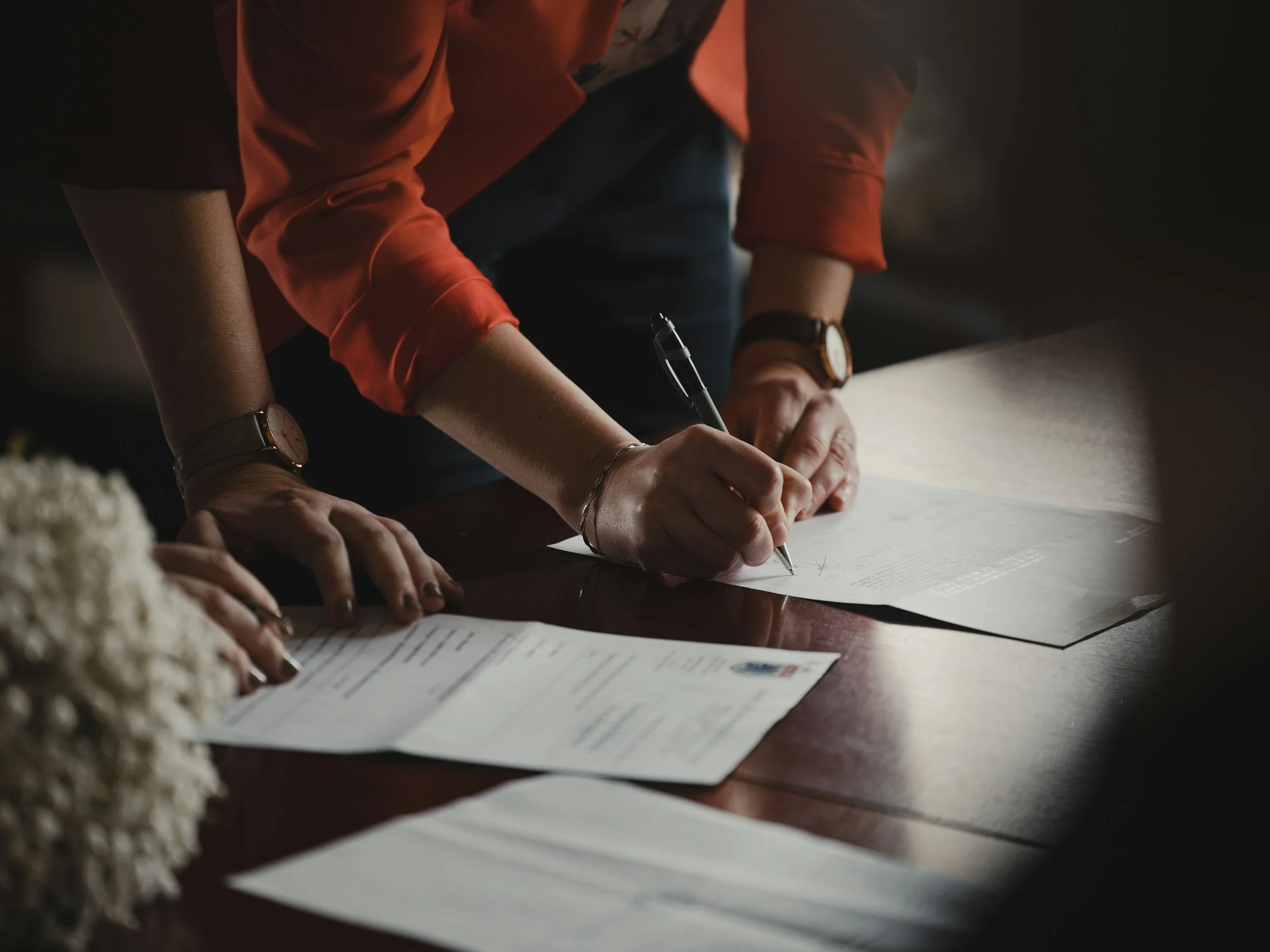
You don't need to own land to have the right to use it for specific purposes. Nowadays, conservation easements have become a prevalent method for conserving forestland in the United States in the face of housing and other development. But sometimes, disagreements still happen.
In some states, for example, under California easement violations, like blocking access, overusing the easement, or failing to maintain the land, legal remedies are often required.
Let’s look at the remedies that can protect your rights while keeping your neighborly relationships from turning sour.
Understanding Easements and Their Types
Easements are legal rights that let one person use another person's land for certain amounts of time. Having good relationships with your neighbors and making sure everyone can enjoy their land are both dependent on them. There are various types of rights.
One type of easement is a right-of-way easement, which lets you cross someone else's land. Another type is a utility easement, which lets utilities like water and power flow across the land.
A prescriptive permit, on the other hand, is earned by using something without permission for a long time. Excluding these types may help you navigate issues related to property use. Knowing what you can and can't do for your friends can help you get along better with them and make your life easier.
Negotiation Strategies for Easement Conflicts
What are some good ways to settle disputes over amicable easements? First, pay attention to what the other side has to say. Show some empathic resonance to confirm you value their opinion. Thus, rapport is created and provides a ground for cooperation.
Now, look for common ground. Acknowledge common interests that may lead to a mutually rewarding solution. Be open to compromise; often, this adaptability leads to a resolution. In either scenario, maintain your composure.
Allow the discussions to create a path that acknowledges emotions without assigning blame. Keep discussions bounded and focused.
If you see things heating up, call in a third party. Remember, after all, it is not so much about winning. It is about creating understanding and healing relationships where everyone is heard and respects each other.
The Role of Mediation in Resolving Disputes
Mediation enters as a resolution option when it comes to easement disputes. The process gives you and your friend a chance to talk about your problems in a safe space and find things you both agree on.
Unlike court battles, mediation focuses on collaboration of both parties to communicate. A neutral mediator supervises the discussion and may even propose possible solutions acceptable to both parties. Meanwhile, the process preserves the parties' relationship and helps create a sense of community.
In mediation, you directly oversee the outcome decision instead of relying on a judge. The two parties share an outcome-interactive process where both parties gain their rights and needs while solidifying their relationship as neighbors.
When to Consider Litigation for Easement Issues
If none of the other ways to settle an easement issue work, you can go to court. If your property rights are being violated or there is a threat to your safety, you may need to look into your legal choices.
Parties can officially settle their rights through litigation, which is enforced by a court order. If one side refuses to work together, it may be necessary to go to court. In such cases, you might have to consider the time, money and mental stress that come with it.
When rights are in danger, restoring them will bring peace to the property relationship and prompt decisive action.
Preventative Measures to Avoid Future Disputes
Clear communication and boundary-setting with the neighbors would keep any disputes raging on easements from actually starting. Make sure to have an open conversation about property rights in general and the way easements affect all parties.
All parties should go through the documentation to ensure there is no disagreement in the future.
Regular check-ins about occurrences that might alter the easement must be done. Being neighborly builds trust, and that has no price when it comes to dispute avoidance. If, however, the issue does worsen, mediation should then be sought.
It should be worth the time to contribute to the creation of a cooperative world where everyone feels respected and valued. That will surely save some headaches later.