
7 Lawn Care Mistakes to Avoid for a Greener Backyard
We partnered with a home improvement company for this post. The opinions in the post are honest. All reviews and opinions expressed in this post are based on our personal views. We are excited because we know you will love it.
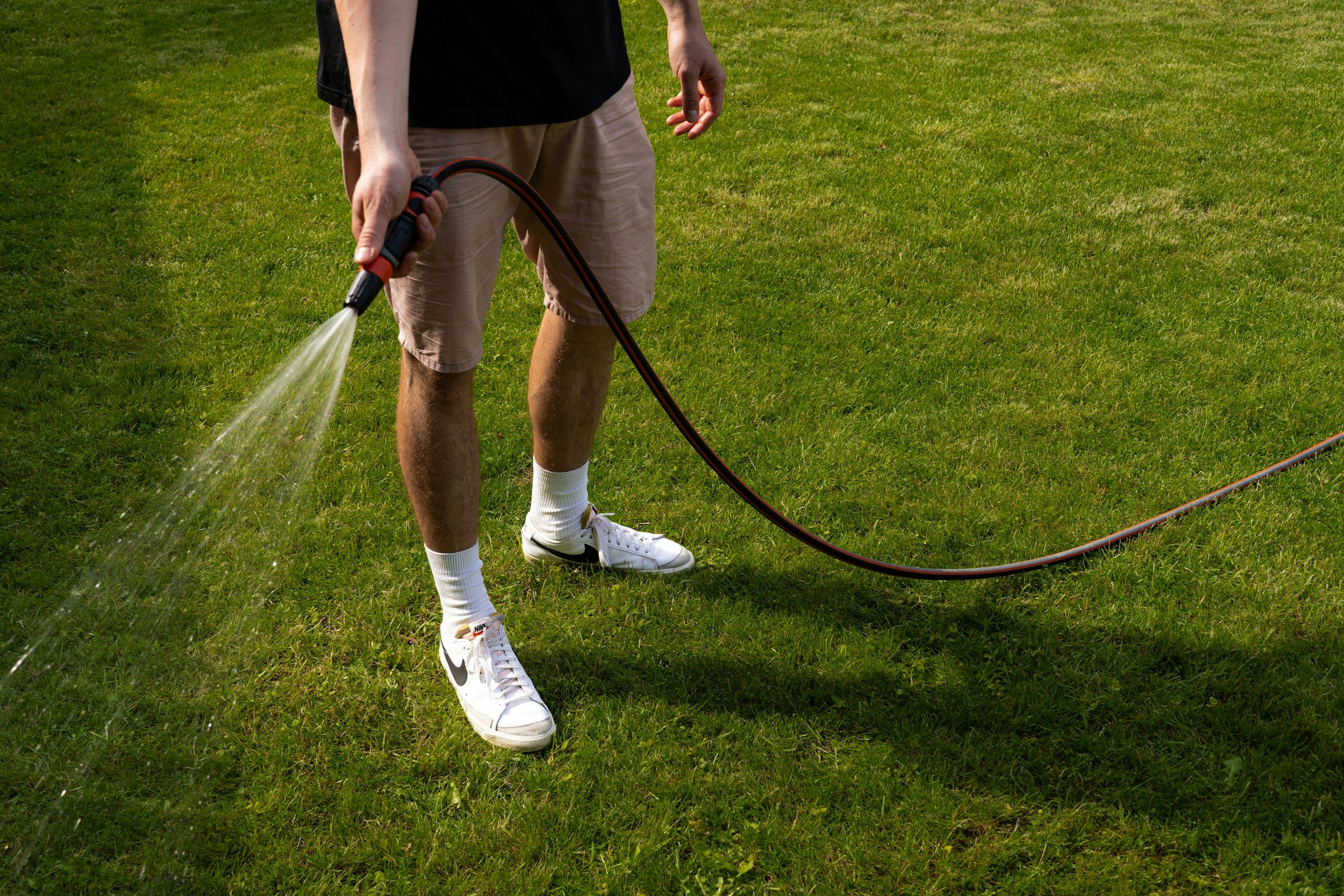
A healthy backyard looks simple from the outside. But anyone who’s tried keeping grass green knows it takes more than luck. One week it’s thriving, the next it’s patchy and dull. Guests notice, kids complain, and you’re left wondering what went wrong.
The truth is, most lawns don’t fail because of neglect—they fail because of small mistakes. Cutting too short, watering at the wrong time, or forgetting soil health quietly weakens the yard. The upside? These mistakes are easy to avoid once you know what to watch for.
In this article, you’ll find seven common lawn care mistakes that might be holding your backyard back, along with fixes that keep grass strong, green, and healthy all season long.
1. Mowing Too Short
Many homeowners think shorter grass means less mowing. But mowing too close to the ground weakens roots and leaves soil exposed. That dry soil invites weeds and pests while robbing your grass of the strength it needs. Over time, the lawn starts looking stressed and thin.
The fix is simple: raise the mower blades. For most grass types, only cut one-third of the blade length at a time. This keeps grass tall enough to shade soil and thick enough to block weeds. A little extra length can make a big difference in lawn health.
2. Not Knowing When to Mow
Timing matters as much as blade height. Some people cut whenever they have time, but inconsistent schedules confuse growth. Cutting too often stresses plants. Waiting too long leaves thick, uneven clumps that are harder to manage.
If you’ve wondered how often should you mow your lawn, the answer depends on grass type, season, and growth rate. In warm months, weekly mowing usually works. Cooler months require less frequent trims. The goal is steady height—not too short, not too tall. A consistent rhythm keeps the grass strong and visually even.
3. Not Having the Right Equipment
A mower with dull blades doesn’t cut—it tears. Torn grass turns brown at the tips and looks messy. Outdated or poorly maintained machines also leave uneven patches, wasting your effort.
The right tools protect your time and your lawn. Sharp blades slice cleanly, reducing plant stress. Modern equipment is easier to handle and more efficient.
Homeowners who prefer to handle lawn care themselves should invest in dependable machines from trusted retailers. Reliable ones, such as Bethel Power, provide equipment designed to match different lawn sizes and needs, helping you keep every cut smooth and effective. Choosing the right mower or trimmer makes the work easier and delivers better results.
4. Ignoring Soil Health
Lush grass begins below the surface. Without healthy soil, even the best mowing or watering won’t deliver results. Nutrient-poor soil weakens roots, leaving grass dull and fragile.
Regular testing tells you what the soil lacks. Sometimes it’s nitrogen, and other times it's phosphorus or potassium. Once you know, you can add the right fertilizer or organic material. Healthy soil locks in moisture, supports deep roots, and gives grass the fuel it needs to thrive. Think of it as feeding the lawn from the ground up.
5. Watering at the Wrong Time
A sprinkler on at noon may feel productive, but most of that water evaporates before reaching the roots. Midday watering also risks scorching blades. Night watering creates another problem: moisture lingers, which encourages fungal growth.
The best schedule is early morning. Watering before the heat gives grass time to absorb moisture, then dry naturally as the day warms. Deep, occasional watering also works better than frequent light sprinkles because it trains roots to grow deeper and stronger.
6. Overlooking Weed Control
Weeds don’t just make lawns look messy—they compete for water, nutrients, and sunlight. If ignored, they spread quickly and choke out healthy grass.
Prevention is the best strategy. Keep grass thick enough to block invaders and deal with weeds as soon as they appear. Spot-treat problem areas or pull them before they seed. A little attention early on saves you the frustration of battling a lawn full of invaders later.
7. Forgetting Seasonal Care
Grass isn’t the same year-round, and treating it as such leads to problems. Spring growth demands more mowing and nutrients. Fall is the time to overseed and prepare for winter. Summer requires extra attention to watering. Many homeowners skip these seasonal changes, leaving lawns unprepared.
Adjusting your care plan to the calendar makes lawns stronger. Fertilize in spring, mow regularly in summer, overseed in fall, and let the grass rest more in winter. Each step prepares your lawn for the next season, keeping it healthier throughout the year.
Conclusion
A greener backyard doesn’t mean endless hours of work. It means avoiding simple mistakes. Cutting grass at the right height, knowing when to mow, and using proper equipment set the foundation. Healthy soil, smart watering, weed prevention, and seasonal adjustments do the rest.
The reward is a lawn that feels alive—thick, green, and welcoming. With a few small changes, you’ll transform patchy grass into the kind of backyard you’re proud to enjoy and share.