
Steel Roof Replacement: What To Consider Before Investing
When you’re juggling work, family, and household responsibilities, the last thing you want to worry about is another roofing repair. Steel roof replacement offers a long-term solution that many homeowners find appealing, but this investment requires careful consideration. Take a look at what to consider before investing, from your options, the costs, and expectations to make the right decision for your family’s needs and budget.
Understanding Your Steel Roofing Options
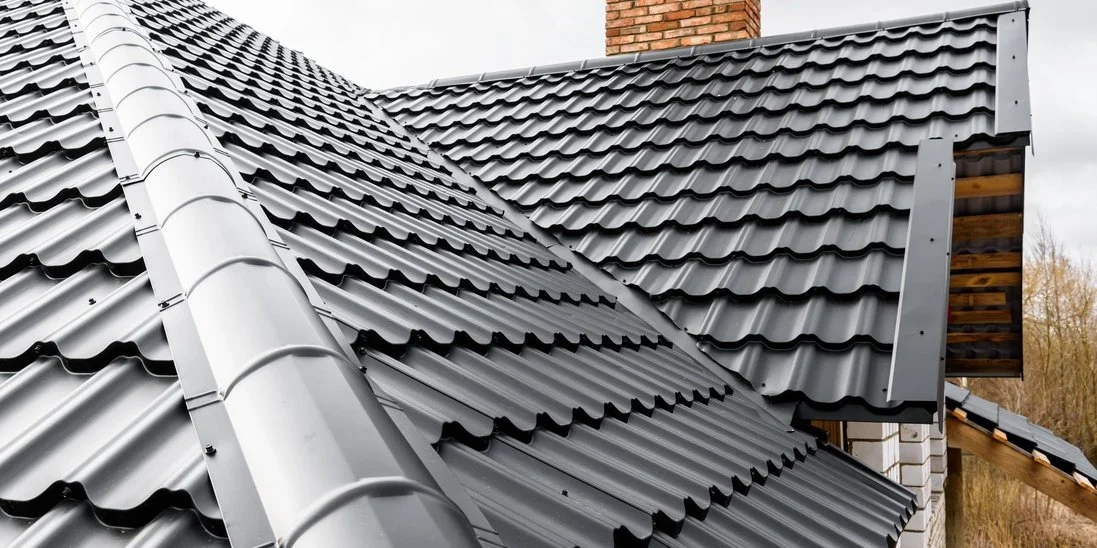
Steel roofing comes in several varieties, each with distinct characteristics that affect performance and appearance. Standing seam steel features vertical panels with raised seams that create a sleek, modern look. This option provides excellent weather resistance and typically lasts 40 to 70 years with minimal maintenance.
Stone-coated steel combines the durability of steel with the aesthetic appeal of traditional roofing materials. Manufacturers coat steel panels with stone chips and acrylic film, creating surfaces that mimic tile, shake, or shingle appearances. This option works well if you want steel’s benefits without dramatically changing your home’s look.
Cost Considerations You Should Know
Steel roof replacement represents a significant upfront investment, typically costing two to three times more than asphalt shingle replacement. However, this initial expense often pays off through reduced maintenance costs and extended lifespan. While asphalt shingles may need replacement every 15 – 20 years, quality steel roofing can protect your home for 50 plus years.
The energy-efficiency benefits of stone-coated steel roofs can also reduce your monthly utility bills. The reflective properties of steel deflect heat, keeping your home cooler during summer months and reducing air conditioning costs. Many steel roofing products qualify for energy efficiency tax credits, providing additional financial benefits.
Installation Process and Timeline
Steel roof installation requires specialized knowledge and equipment, making professional installation essential. The process typically takes two to five days, depending on your home’s size and complexity. Contractors will remove existing roofing materials, inspect and repair the underlying structure if needed, install appropriate underlayment, and secure the steel panels.
Weather delays extend installation timelines, so plan accordingly. Most contractors recommend scheduling steel roof installation during dry seasons when possible. The installation process creates noise and disruption, so you might want to arrange temporary accommodations for young children or pets sensitive to construction sounds.
Maintenance Requirements
Steel roofing requires minimal maintenance compared to other roofing materials. Annual inspections can identify potential issues before they become costly problems. You’ll want to clear debris from gutters and remove any branches or leaves that accumulate on the roof surface.
Touch-up painting may become necessary after 15 to 20 years, depending on your local climate and the quality of the original coating. However, this maintenance requirement pales in comparison to the regular repairs and replacements needed for traditional roofing materials.
Steel roof replacement offers excellent value for homeowners seeking long-term protection with minimal ongoing maintenance. The higher upfront costs balance against decades of durability, energy savings, and reduced repair needs.
Before moving forward, obtain quotes from multiple certified steel roofing contractors and verify their licensing and insurance coverage. This investment provides peace of mind for busy families who need reliable, low-maintenance home solutions.