
How Construction Waste Management Services Improve Site Safety
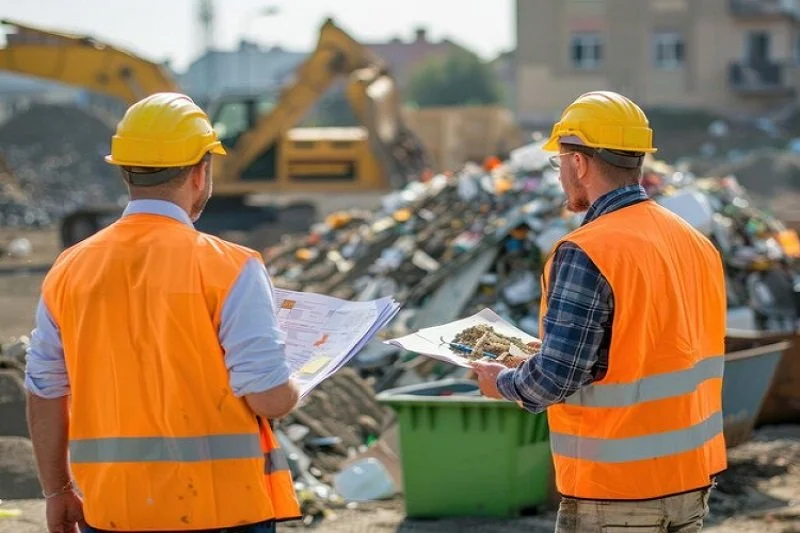
Have you ever walked onto a construction site and noticed piles of debris scattered everywhere? Does the sight of tangled materials, broken timber, and discarded packaging make you wonder how anyone works safely in such conditions? What if the key to reducing workplace injuries was simpler than you thought?
Construction sites are inherently busy, chaotic places. With multiple trades working simultaneously, heavy machinery operating constantly, and materials arriving daily, it's easy for waste to accumulate quickly. However, what many site managers overlook is the direct connection between proper waste management and worker safety. When rubbish piles up unchecked, it creates hidden dangers that can lead to serious injuries—or worse.
In this article, we'll explore how professional construction waste management services do far more than simply remove rubbish. You'll discover the real safety risks lurking in poorly managed waste, learn about your legal obligations under Australian law, and understand why investing in proper waste removal is one of the smartest decisions you can make for your project. Whether you're a site supervisor, project manager, or contractor, this guide will show you how smarter waste management leads to safer worksites.
Understanding Construction Waste Management Services
What Are Construction Waste Management Services?
Construction waste management services handle the collection, sorting, transport, and disposal of all materials generated during building projects. These providers work alongside construction teams to keep sites clean, compliant, and safe throughout every stage of a project.
Professional waste management goes beyond simply dropping off a skip bin and collecting it when full. Quality providers offer tailored solutions that include regular scheduled pickups, waste segregation assistance, and guidance on handling hazardous materials. They understand the unique challenges of construction environments and adapt their services accordingly.
Types of Waste Commonly Found on Australian Construction Sites
Australian construction sites generate an enormous variety of waste materials. Common types include concrete, bricks, timber offcuts, plasterboard, metal scraps, packaging materials, and soil. Each requires different handling and disposal methods.
Beyond these everyday materials, sites often produce hazardous waste such as asbestos, lead-based paint, chemicals, and contaminated soil. These substances demand specialised handling to protect workers and the environment. Understanding what waste your site generates is the first step toward managing it properly.
How Do Waste Management Companies Handle Construction Debris?
Professional waste management companies use systematic approaches to handle construction debris efficiently. They typically provide appropriately sized bins for different waste streams, arrange regular collection schedules, and transport materials to licensed facilities.
Many providers prioritise recycling, diverting materials like concrete, metals, and timber from landfill. This approach benefits both the environment and your project's sustainability credentials. The best providers also offer detailed reporting, helping you track waste volumes and demonstrate compliance with regulations.
The Real Safety Risks of Poor Waste Management on Site
Slip, Trip and Fall Hazards
Cluttered worksites are breeding grounds for slip, trip and fall accidents. Loose timber, tangled cables, scattered packaging, and debris-covered walkways create constant hazards for workers moving around the site.
These incidents aren't minor inconveniences—they're among the most common causes of construction injuries in Australia. A worker tripping over discarded materials could suffer anything from minor bruises to broken bones or head injuries. Regular waste removal eliminates these hazards before they cause harm.
Fire Risks from Combustible Materials
Accumulated combustible materials pose serious fire risks on construction sites. Timber offcuts, cardboard packaging, foam insulation, and chemical containers can ignite quickly, especially during hot work activities like welding or grinding.
Construction site fires spread rapidly and can cause devastating damage to partially completed structures. More importantly, they endanger everyone on site. Proper waste management ensures combustible materials are removed promptly, reducing fire risk significantly.
Exposure to Hazardous Substances
Poor waste management increases the risk of workers encountering hazardous substances unexpectedly. Asbestos-containing materials, chemical residues, and contaminated debris require careful handling by trained professionals using appropriate protective equipment.
When hazardous waste isn't properly identified, segregated, and removed, workers may be exposed unknowingly. The health consequences can be severe and long-lasting, including respiratory conditions, chemical burns, and cancer. Professional waste management services ensure hazardous materials are handled correctly from identification through to disposal.
Equipment and Machinery Accidents
Scattered waste creates dangerous obstacles for heavy machinery operators. Excavators, forklifts, and trucks require clear pathways to operate safely. Debris on the ground can cause equipment to tip, slip, or strike workers.
Additionally, materials piled haphazardly may fall unexpectedly when disturbed by passing machinery. Keeping sites clear through regular waste removal protects both equipment operators and nearby workers from these preventable accidents.
How Professional Waste Removal Reduces Workplace Injuries
Why Is Proper Waste Disposal Important on Construction Sites?
Proper waste disposal directly reduces injury rates by eliminating physical hazards before they cause accidents. Clean sites allow workers to move freely, see clearly, and focus on their tasks without navigating obstacle courses of debris.
Beyond immediate safety benefits, good waste management practices create a culture of professionalism and care. When workers see management prioritising site cleanliness, they're more likely to take safety seriously themselves. This positive cycle reinforces safe behaviours across the entire team.
Creating Clear Walkways and Emergency Access Points
Emergency situations require rapid response. Ambulances, fire crews, and rescue teams need unobstructed access to reach injured workers or control dangerous situations. Waste blocking pathways can delay critical responses when seconds matter.
Regular waste removal maintains clear walkways and access routes throughout the project. This ensures emergency services can reach any location quickly and workers can evacuate safely if necessary. It's a simple measure that could save lives.
Regular Skip Bin Collection and Site Cleanliness
Consistent skip bin collection prevents waste from accumulating to dangerous levels. Rather than allowing bins to overflow and debris to spread across the site, scheduled pickups maintain cleanliness continuously.
Professional providers work with you to determine appropriate collection frequencies based on your project's waste generation rates. During busy construction phases, more frequent collections keep pace with increased waste volumes, ensuring safety standards never slip.
Compliance and Legal Requirements in Australia
What Are the Legal Requirements for Construction Waste Disposal?
Australian environmental legislation sets strict requirements for construction waste disposal. The Environment Protection Acts in each state and territory regulate how waste must be handled, transported, and disposed of at licensed facilities.
Specific materials face additional regulations. Asbestos disposal, for example, requires licensed removalists and approved disposal sites. Chemical waste must be handled according to dangerous goods regulations. Working with professional waste management providers helps ensure you meet all applicable requirements.
Meeting Work Health and Safety (WHS) Obligations
Under WHS legislation, persons conducting a business or undertaking (PCBUs) must provide safe workplaces. This includes managing hazards created by construction waste. Failure to maintain clean, safe sites can result in regulatory action.
Safe Work Australia provides guidance on managing construction site hazards, including waste-related risks. Implementing proper waste management demonstrates your commitment to WHS obligations and protects workers from preventable injuries.
Avoiding Costly Fines and Project Delays
Non-compliance with waste disposal regulations can result in substantial fines. Environmental authorities actively monitor construction sites and investigate complaints. Penalties for illegal dumping or improper hazardous waste handling are severe.
Beyond financial penalties, regulatory investigations can delay projects significantly. Stop-work orders may halt construction entirely until issues are resolved. Investing in professional waste management avoids these costly disruptions.
The Role of Waste Segregation in Site Safety
How Does Separating Waste Improve Safety Outcomes?
Waste segregation involves separating different materials into distinct streams for appropriate handling. This practice improves safety by ensuring hazardous materials are identified and managed separately from general waste.
Segregation also reduces handling risks by keeping incompatible materials apart. Chemicals that might react dangerously are stored separately. Sharp materials go in designated containers. This systematic approach minimises accidents during waste handling and collection.
Handling Asbestos and Other Hazardous Materials Safely
Asbestos remains present in many Australian buildings undergoing renovation or demolition. Disturbing asbestos-containing materials releases dangerous fibres that cause serious lung diseases and cancer.
Professional waste management providers understand asbestos regulations and work with licensed removalists to ensure safe handling. They also manage other hazardous materials including lead paint, PCBs, and contaminated soils according to strict safety protocols.
Benefits Beyond Safety: Cost Savings and Sustainability
How Can Construction Waste Management Save Money?
Effective waste management reduces costs through multiple mechanisms. Fewer workplace injuries mean lower workers' compensation premiums and reduced project delays. Avoiding regulatory fines protects your bottom line directly.
Additionally, recycling valuable materials like metals, concrete, and timber generates returns that offset disposal costs. Some providers offer competitive pricing for recyclable waste streams, making responsible disposal economically attractive.
Environmental Responsibility and Recycling Initiatives
Modern construction waste management emphasises recycling and resource recovery. Concrete is crushed for road base, metals are melted for reuse, and timber is chipped for mulch or biomass energy.
These practices reduce landfill volumes and conserve natural resources. Clients increasingly value environmental responsibility, making sustainable waste management a competitive advantage for construction companies.
Choosing the Right Construction Waste Management Partner
What Should You Look for in a Waste Management Service?
Look for providers with experience in construction environments and appropriate licences for handling all waste types of your project generates. Check their safety record and ask about their approach to hazardous materials.
Reliability matters enormously missed collections create safety hazards quickly. Choose providers with proven track records for consistent, timely service. Flexible scheduling that adapts to your project's changing needs is also valuable.
Questions to Ask Before Hiring a Provider
Before engaging a waste management provider, ask about their licensing, insurance, and safety procedures. Request references from similar construction projects and follow up with those contacts.
Clarify pricing structures, including any additional charges for hazardous waste or emergency collections. Understand their recycling capabilities and ask for reporting on waste volumes and diversion rates.
Prioritising Safety Through Smarter Waste Management
Throughout this article, we’ve highlighted how effective construction waste management plays a vital role in maintaining safe worksites. From reducing trip and slip hazards to ensuring the compliant handling of hazardous materials, professional waste removal helps minimise risks that could otherwise lead to serious injuries or delays.
While the link between site cleanliness and safety is straightforward, it’s often underestimated when deadlines loom. Partnering with experienced waste management providers not only protects your workforce and supports compliance with Victorian regulations but can also improve efficiency and reduce unnecessary costs. Added environmental benefits make responsible waste handling an even stronger business decision.
If you’re reviewing your current approach, now is the right time to explore reliable construction waste management services in Melbourne that prioritise safety, compliance, and sustainability across every stage of your project.
Ultimately, every construction professional shares responsibility for creating safer working environments. Treating waste management as a core part of site operations—not an afterthought—shows genuine commitment to worker wellbeing. Take action today by assessing your waste processes and making improvements where needed. Your team—and your project outcomes—will benefit.