
How to Design an Organized and Stylish Home
We partnered with a home design company. for this post. The opinions in the post are honest. All reviews and opinions expressed in this post are based on our personal views. We are excited because we know you will love it.
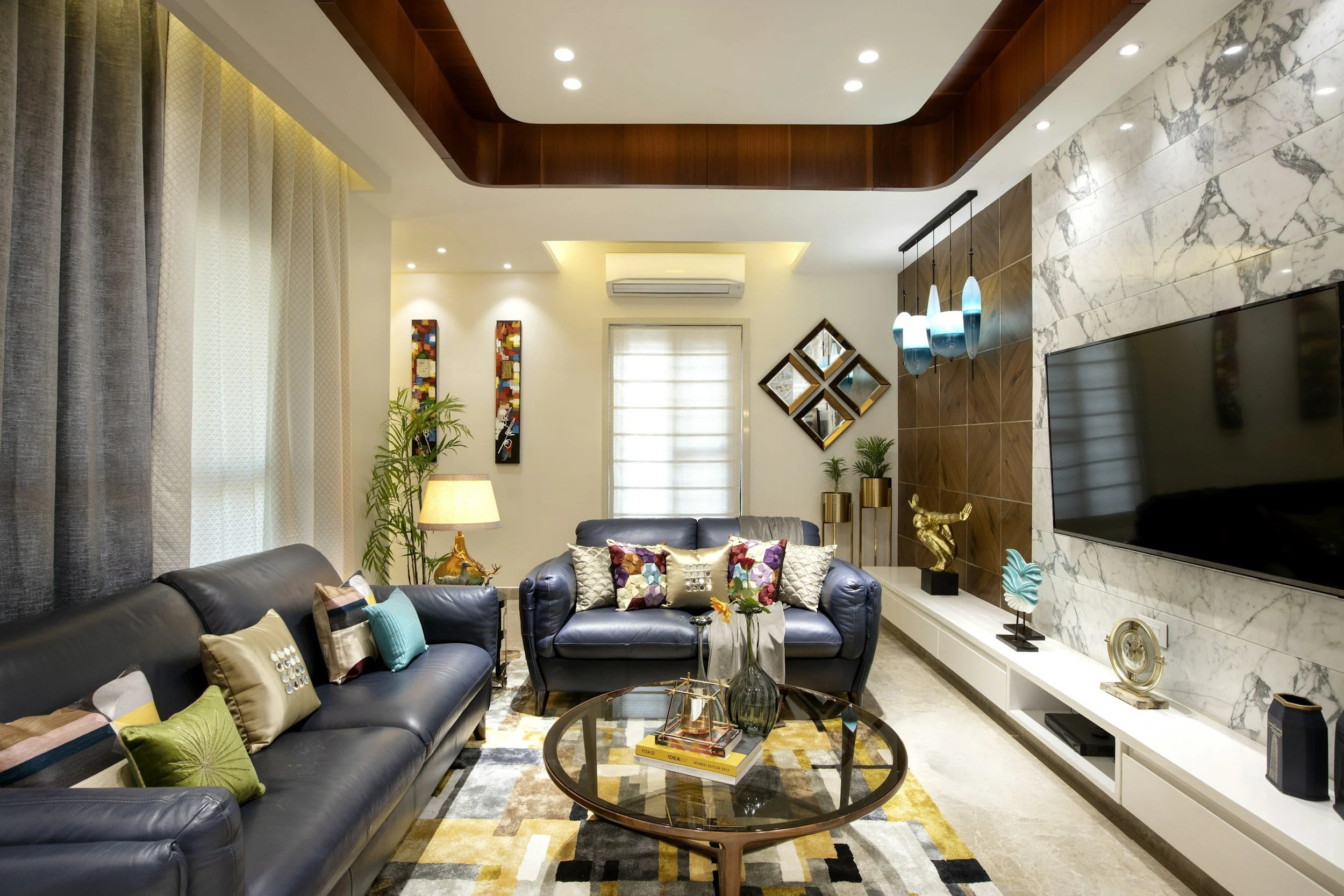
A stylish home that does not function is a showroom. An organized home with no style feels flat. The goal is both.
Good design starts with systems. Style comes after. This guide walks through the process in order: measure, plan, zone, store, then decorate.
Start With a Layout Plan
Measure every room before you buy anything. Record wall lengths, window positions, door swings, and outlet locations. Many homeowners now test layouts with AI interior design tools before moving a single chair. Upload a floor plan, try three arrangements, and compare traffic flow.
Keep main walkways at least 36 inches wide. Leave 14 to 18 inches between a sofa and a coffee table. Check clearances for drawers and cabinet doors too. A door that hits a chair gets ignored, and ignored storage fills with clutter.
Work one room at a time. Sort every item you own into one of four groups:
Keep and use weekly
Keep and use seasonally
Donate or sell
Discard
Divide Each Room Into Zones
Every room needs defined zones. A living room might hold a seating zone, a media zone, and a reading corner. Give each zone one purpose and its own storage. Mixed purposes create mixed piles.
Store items where you use them. Keep remotes near the sofa. Keep a blanket basket within arm's reach. Entry hooks, shoe trays, and a mail slot stop clutter at the door. Distance creates clutter. If an item takes more than ten seconds to put away, it will stay out.
Leave open surfaces partly empty. Shelves and counters look best with about 30 percent free space. That gap is a design choice. It gives the eye a place to rest and shows off what you chose to display. Clear the counters daily. Surfaces set the tone for the whole room.
Choose Storage That Works Hard
Vertical space is the most overlooked asset. Install shelving up to 80 inches high and keep rarely used items on the top tier. Add wall hooks, rails, and pegboards in entryways and kitchens. Use the zone between 30 and 60 inches for daily items. Label bins on the front edge so contents are visible at a glance.
Choose storage with a clean look. Matching bins, uniform labels, and closed cabinets reduce visual noise. Limit finishes to two or three across a room. Wood, black metal, and white work well together. Label shelves by category, not by owner. Fewer materials make a space feel calm.
Small tools support the system too. A set of ceramic coasters protects wood tables, and a tray near the seating area keeps them in reach. It is a minor habit that prevents rings, spills, and stray cups.
Build a Color and Texture System
Build color with the 60-30-10 rule. Use a neutral base for 60 percent of the room. Add a secondary color for 30 percent. Keep the final 10 percent for accents like pillows, art, or a vase. Test paint samples on two walls and check them at noon and at night.
Layer texture to add depth without adding objects. Wool throws, linen curtains, wood grain, and matte metal all work. Mix at least three textures per room. Texture gives a room character that clutter only imitates.
Light the Space in Layers
Plan lighting in three layers. Ambient light covers the whole room. Task light supports reading and cooking. Accent light highlights art and shelving. Choose bulbs between 2700K and 3000K for warm living areas. Dimmers add control and cost little.
Do not forget daylight. Keep window areas clear of tall furniture. Sheer curtains let light in and control glare. Mirrors placed across from windows push light deeper into the room.
Maintain the System
Design lasts only if you maintain it. Set a ten minute reset each evening:
Return items to their zones
Clear counters and tables
Fold throws and straighten cushions
Start the next day with empty surfaces
Review each zone every season. Remove what you no longer use. Adjust storage when habits change. If the task feels heavy, hire one of the professional organizers listed through NAPO. They can build a system that fits your routine. Donate unused items within a week so they do not drift back.
Start small. Pick one drawer, shelf, or corner. Finish it before moving on. Small wins build the habit faster than a weekend marathon.
An organized home is built on measurements, zones, and routines. A stylish home is built on restraint, consistency, and good light. Combine both, and the result looks effortless because the work happened early. Use that sequence on every room you touch.