
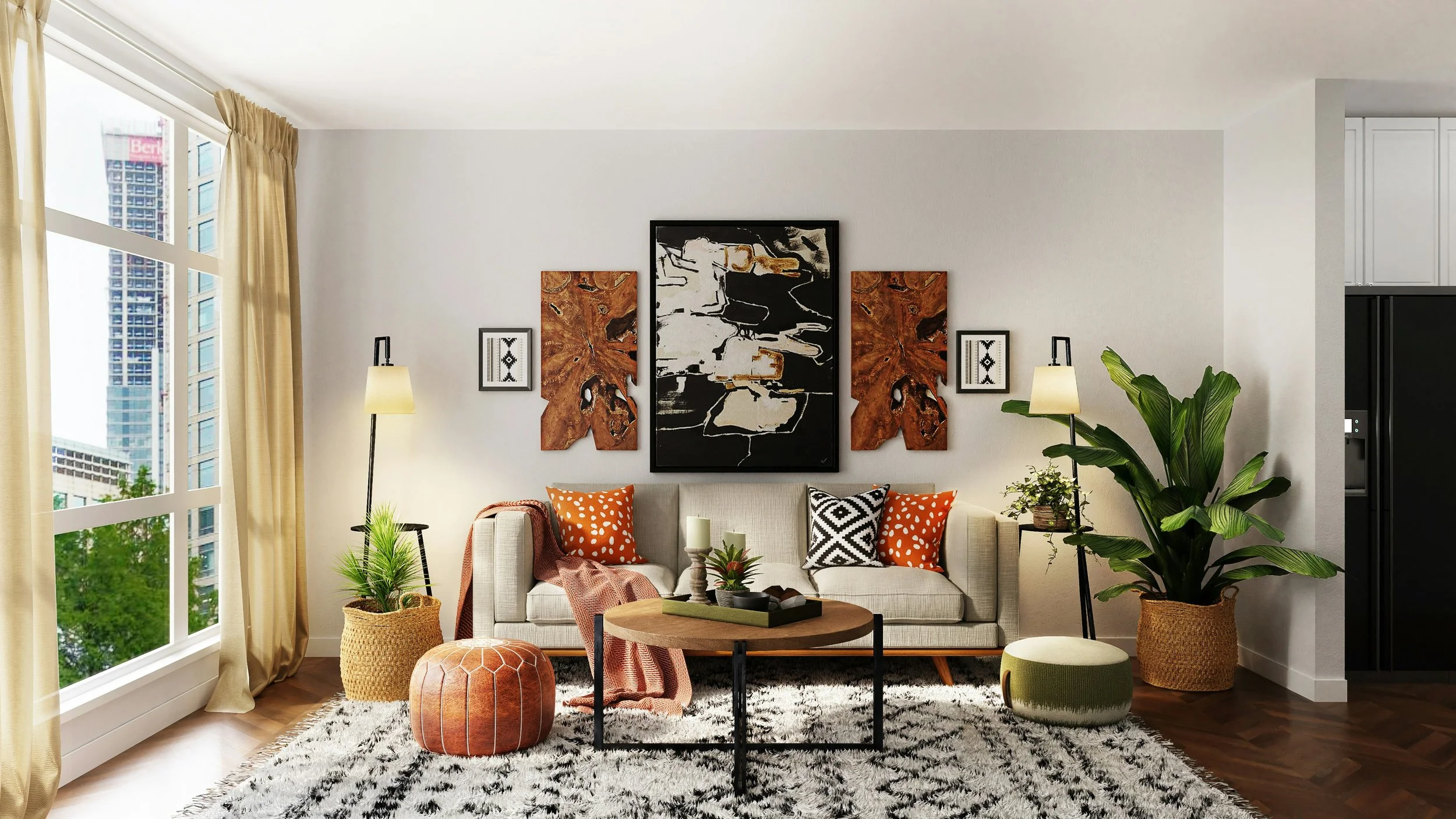
Some homes look beautifully put together, yet somehow feel uncomfortable to live in. Others have personality, interesting details, and warmth without looking like every corner was carefully staged. The difference often comes down to how decorations are chosen and used. It's easy to get carried away with pretty accessories, especially when interior trends make everything seem must-have. But a home doesn't need another decorative bowl every time a shelf looks a little empty. Good styling comes from understanding what suits a space, what makes it feel personal, and when to leave things alone. The goal is to create rooms that look considered without feeling overly arranged or difficult to live in.
Start With What You Already Have
Before heading to the shops or browsing endless home decor inspiration online, take a proper look at what is already in the house. Many people own decorative pieces that have been sitting in storage, forgotten in cupboards, or pushed to the back of shelves. Bringing these items back into the picture can refresh a room without introducing anything new. Start by looking at each space and deciding which existing pieces still suit its style and purpose. Perhaps a ceramic vase would look better on the dining table than hidden inside a cabinet, or a framed print could finally get the attention it deserves in the hallway. It also helps to remove decorations that no longer fit the room or personal taste. There is no reason to keep displaying something simply because it was expensive or once looked good. A little editing can make familiar spaces feel completely different, and it gives favorite possessions room to stand out.
Choose a Few Statement Pieces Instead of Filling Every Surface
One of the easiest ways to make a room feel cluttered is to treat every empty surface as an opportunity for another decoration. Coffee tables, kitchen counters, bedside cabinets, and console tables can quickly become collections of objects with no clear connection. Instead, choose a few gorgeous homewares that deserve attention and leave some space around them. A large mirror, decorative bowl, an interesting lamp, or a piece of artwork can have more impact than several smaller accessories competing for attention. This doesn't mean every room needs to follow a strict minimalist style. Collections, personal keepsakes, and colorful decorations can absolutely have a place in a well-organized home. The trick is being selective about where and how they are displayed. For example, a living room coffee table might only need a small stack of books and one decorative object. Leaving part of the surface clear also makes it easier to use the table for everyday activities, which is a practical benefit that shouldn't be overlooked.
Be Selective When Shopping for Homewares
Shopping for homewares can be tempting, especially when new collections and attractive interior trends make it easy to imagine a complete room makeover. However, buying something simply because it looks good in a store doesn't guarantee it will work in an existing space. Before purchasing anything, consider its size, color, material, and intended purpose. Does it complement the furniture already in the room? Is there a suitable place to display or use it? Will it replace something that is no longer needed, or will it simply become another item to store? These questions help prevent unnecessary purchases and encourage more thoughtful decorating decisions. It is also worth considering whether an accessory serves a practical purpose. A stylish storage basket can hold blankets, while an attractive tray can keep frequently used items together. Decorative pieces don't always need to be functional, of course, but every purchase should have a clear place in the home. Choosing items carefully makes it easier to maintain a consistent look without gradually filling every cupboard and shelf.
Use Color and Texture to Add Interest
A room doesn't need dozens of decorative objects to feel finished. Color and texture can do much of the work without taking up additional space. For instance, cushions, throws, curtains, rugs, and upholstery can introduce different materials and shades while remaining part of the room's everyday setup. Combining soft fabrics with natural wood, glass, metal, or ceramic finishes can also create visual variety without requiring lots of small accessories. The key is to think about how these elements work together. If the furniture already has strong patterns or bold colors, simpler accessories may create a more balanced result. On the other hand, a neutral room can benefit from a few carefully chosen contrasting shades or textured materials. Repeating certain colors or finishes in different parts of the room can help the overall design feel connected. This approach is particularly useful for anyone who enjoys changing their decor throughout the year. Swapping cushion covers or a throw is generally easier than finding space for an entirely new collection of seasonal decorations.
Make Storage Part of the Decorating Plan
Good organization and attractive interiors should work together. Storage doesn't have to be hidden away or look purely practical, especially when there are plenty of ways to incorporate it into the overall design. Woven baskets, decorative boxes, cabinets, and storage ottomans can help keep everyday belongings under control while complementing the furniture and accessories around them. The important thing is choosing storage based on what actually needs to be put away. A basket near the sofa might hold blankets, while a small cabinet in the hallway can keep shoes, bags, and other daily essentials from spreading across the entrance. Open shelving can also be useful, provided it isn't treated as a place to display every possession. Keep frequently used items accessible and group similar belongings together so the arrangement remains easy to manage. It is equally important to avoid buying storage containers before sorting through what needs organizing. Otherwise, unnecessary belongings simply end up packed into attractive boxes, creating a tidier appearance without solving the underlying problem.
Leave Room for Everyday Life
A beautifully decorated room still needs to function for the people who live in it. That sounds obvious, but it is easy to forget when trying to recreate interiors seen in magazines or on social media. Real homes need clear walking paths, accessible furniture, usable surfaces, and enough room for everyday activities. A decorative chair that becomes a dumping spot for laundry or a coffee table covered with accessories that cannot be moved easily may look appealing initially, but it doesn't necessarily make the space more enjoyable. When arranging furniture and decorations, consider how each room is actually used throughout the day. Leave enough room to move comfortably, keep frequently used items within reach, and avoid placing fragile accessories in busy areas where they are likely to get knocked over. Families with children or pets may also need to prioritize durable materials and practical arrangements. A home doesn't have to look untouched to feel organized. In fact, the best decorating decisions are often the ones that make everyday routines easier while still allowing personal style to shine through.
There is no perfect formula for getting a room right, and personal taste will always matter more than following every new interior trend. Some people love carefully arranged displays, while others prefer a few meaningful pieces and plenty of breathing room. Both approaches can work beautifully when there is a little thought behind them. The real achievement is creating a space that feels natural, reflects the people who live there, and doesn't demand constant attention to stay looking good.