
Ways to Prepare Your Home for the Rainy Season
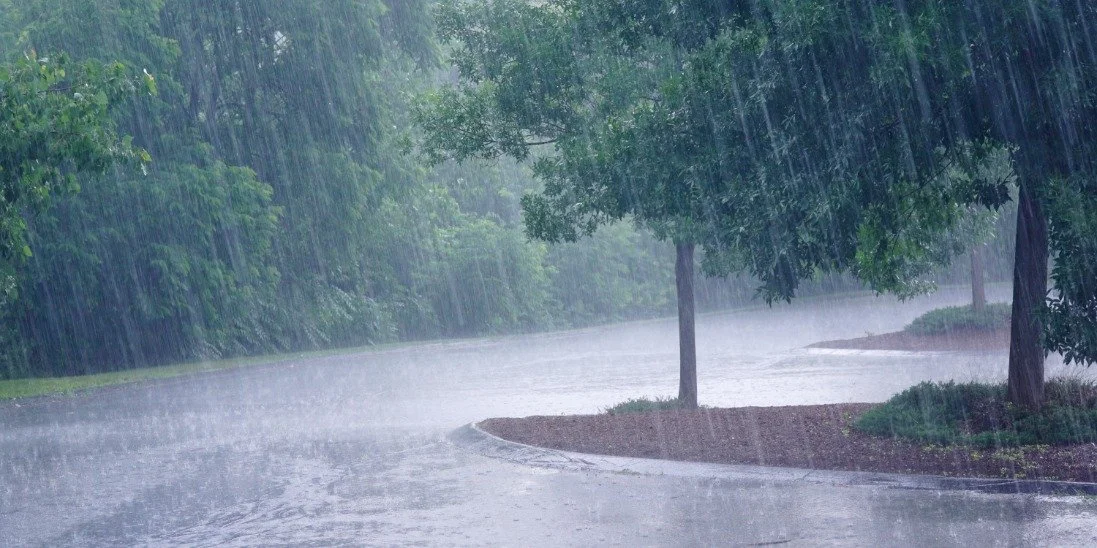
When the rainy season arrives, homes are exposed to increased moisture, heavy downpours, and potential water damage. Without proper preparation, rain can lead to leaks, mold growth, foundation issues, and costly repairs. Taking time to implement the ways to prepare your home for the rainy season can protect your property and give you peace of mind. From roof maintenance to improving drainage, small preventative steps can make a significant difference in keeping your home safe and dry.
Inspect and Maintain Your Roof
Your roof is the first line of defense against rain, making it one of the most important areas to inspect before the rainy season begins. Over time, shingles can crack, loosen, or fall off due to age or weather exposure. Even minor roof damage can allow water to seep into your attic and walls during heavy rain.
Start by visually inspecting your roof for missing or damaged shingles. Look for signs of sagging areas or debris buildup that could trap moisture. If you notice any issues, scheduling repairs promptly can prevent small problems from turning into major leaks. Professional roof inspections can also help identify hidden weaknesses that may not be obvious from the ground.
Clean and Repair Gutters and Downspouts
Gutters and downspouts play a crucial role in directing rainwater away from your home. When they become clogged with leaves, dirt, or debris, water can overflow and collect around your foundation. This can eventually lead to basement flooding, soil erosion, or structural damage.
Before the rainy season begins, thoroughly clean out your gutters and check that water flows freely through the downspouts. Make sure downspouts direct water several feet away from your home. Installing gutter guards can also help reduce debris buildup and make maintenance easier throughout the season.
Seal Windows and Doors
Rain often finds its way into homes through small gaps around windows and doors. Over time, weatherstripping and caulking can deteriorate, allowing moisture to seep indoors. This can cause water damage, drafts, and increased humidity inside your home. With doors and other entrances, it’s equally important to know the best types of mats to prevent rainwater from entering the home.
Inspect the edges of your windows and doors for cracks or worn seals. Reapply caulk where necessary and replace old weatherstripping to create a tighter barrier against moisture. Proper sealing not only keeps rainwater out but also improves your home's energy efficiency by reducing drafts.
Improve Yard Drainage
Poor drainage around your home can create serious problems during periods of heavy rainfall. Water that pools near your foundation can slowly seep into basements or crawl spaces, leading to mold growth and structural damage.
Start by checking the slope of the ground around your home. Ideally, the soil should slope away from the foundation to guide water outward. If pooling occurs in certain areas, consider adding soil to improve grading or installing drainage solutions such as French drains or gravel trenches. Maintaining proper yard drainage can greatly reduce the risk of water entering your home.
Prepare for a Safer Rainy Season
Preparing your home for the rainy season does not have to be complicated, but it does require attention to key areas that protect your property from moisture. Regular roof inspections, properly functioning gutters, sealed windows and doors, and effective drainage all play a role in preventing water damage.
By addressing these areas before heavy rains arrive, homeowners can reduce the risk of costly repairs and maintain a safe, comfortable living environment throughout the season. A little preparation now can go a long way toward protecting your home from the challenges that rainy weather can bring.