
How Texture Brings Depth And Comfort To Your Home
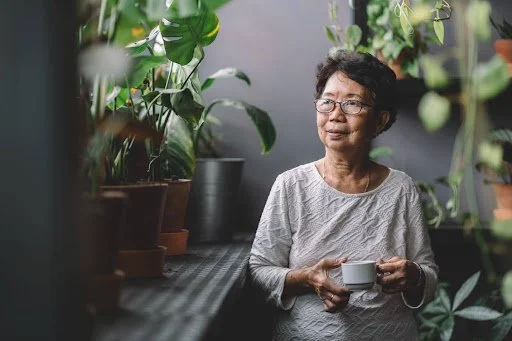
Indoor comfort is not fixed. It changes as people move through different stages of life. What feels practical in one phase may not work as well in another. A home that adapts over time can support daily routines, health, and long-term satisfaction.
Early Adulthood and Flexible Living
In early adulthood, comfort often depends on flexibility. Many people need spaces that support work, relaxation, and social life in one area. Open layouts and multi-use furniture help make smaller spaces feel more functional.
Lighting and airflow also play a role. Natural light can improve focus and mood, while proper ventilation keeps indoor air fresh. Simple layouts and easy-to-maintain materials support a fast-paced lifestyle.
Growing Families and Shared Spaces
As households grow, comfort shifts toward space and durability. Living areas need to support multiple people at once. Kitchens and common rooms often become central gathering spots.
Durable materials are important. Floors, surfaces, and furniture must handle daily use. Storage also becomes more valuable, helping reduce clutter and keep shared areas organized. Noise control can improve comfort as well. Soft materials and thoughtful layouts help reduce sound between rooms.
Work From Home and Daily Function
Many homes now include dedicated work areas. Comfort in these spaces supports focus and productivity. Proper seating, good lighting, and quiet surroundings help create a more effective work environment.
Temperature control also matters. Rooms that are too warm or too cold can affect concentration. Adjustable systems allow better control throughout the day.
Aging in Place and Accessibility
As people age, comfort becomes closely linked to ease of movement. Homes should support safe and simple navigation. Features like wider walkways and step-free entry points can make daily tasks easier.
Lighting should be bright and evenly distributed to improve visibility. Updates such as home replacement doors can improve both accessibility and insulation, helping maintain a stable indoor environment.
Indoor comfort evolves with each stage of life. A home that supports these changes can remain functional, welcoming, and practical for years to come. Thoughtful design helps create spaces that grow along with the people who live in them. For more information, look over the infographic below.
