
What Homeowners Regret Most After a Renovation
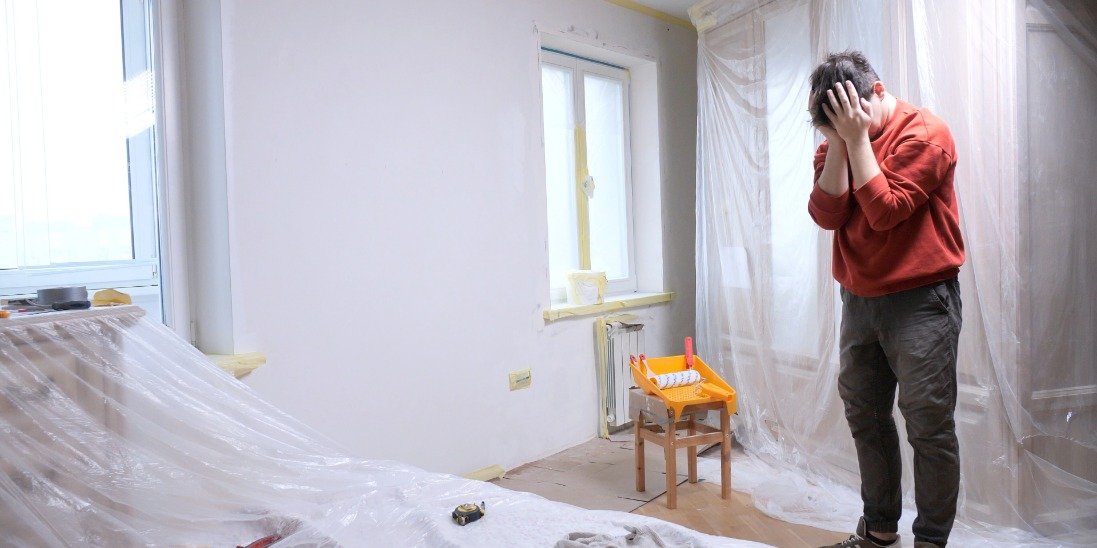
A home renovation can completely transform the way a space looks and functions, but not every remodeling project ends with total satisfaction. In fact, many homeowners look back on their projects wishing they had made different choices along the way. Understanding what homeowners regret most after a renovation can help others avoid the same costly mistakes and create a smoother remodeling experience from start to finish.
Failing to Set a Realistic Budget
One of the most common regrets is failing to establish a realistic budget. Renovation costs can rise quickly when unexpected structural issues, material delays, or design changes appear mid-project.
Many homeowners focus only on the visible upgrades without accounting for hidden expenses like permits, labor adjustments, or temporary living arrangements. A contingency fund of at least 10–20% can help absorb surprises without derailing the project.
Choosing Trends Over Functionality
Another major regret is prioritizing trends over long-term functionality. While trendy finishes and layouts may look appealing on social media, they do not always fit a homeowner’s lifestyle or age well over time.
Open shelving, ultra-modern fixtures, or overly customized features can lose their appeal quickly. Homeowners who focus on timeless design and practical functionality are often happier with the final result years later.
Lack of Communication With Contractors
Poor communication with contractors is another issue that frequently leads to dissatisfaction. Misunderstandings about timelines, materials, or project expectations can create frustration on both sides.
Before construction begins, homeowners should take time to discuss detailed plans, scheduling expectations, and contingency procedures. Knowing the critical questions to ask before starting any remodeling project can help homeowners feel more prepared and confident before committing to a renovation plan.
Underestimating the Disruption
Many homeowners also regret underestimating how disruptive renovations can be. Noise, dust, limited access to rooms, and extended project timelines can affect daily routines more than expected.
Kitchen remodels, for example, may leave families without a functional cooking space for weeks. Preparing alternative living arrangements and setting realistic expectations beforehand can reduce stress throughout the process.
Using Low-Quality Materials
Choosing cheaper materials to save money is another common source of regret. While staying within budget is important, low-quality flooring, cabinetry, or fixtures often wear out faster and require replacement sooner than expected.
In many cases, investing slightly more upfront results in better durability and lower long-term costs.
Renovate Without Regrets
What homeowners regret most after a renovation usually comes down to rushed decisions and insufficient planning. Renovations are significant investments, and taking extra time to think through goals, budgets, and functionality can make a substantial difference in the final outcome. Homeowners who approach remodeling with patience, clear communication, and realistic expectations are far more likely to enjoy both the process and the finished space for years to come.