
How Your Home Affects Your Decision Fatigue
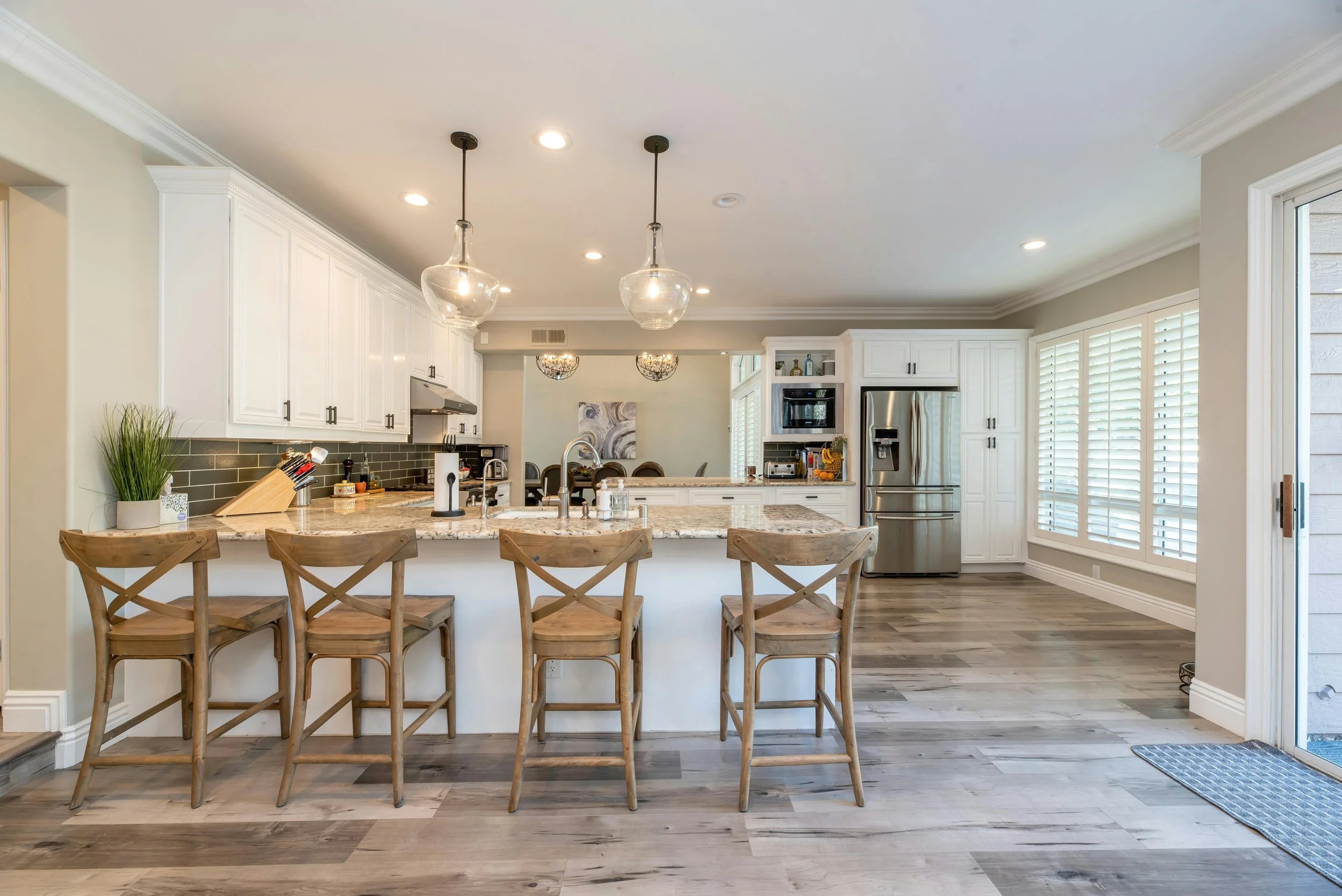
In the past, we thought of home as just a place to sleep, a neutral backdrop to a busy life. But our homes are actually "doers." They actively influence how much brainpower we have left. Every pile of mail or mismatched lid is a tiny "talker" demanding a decision. It’s like asking for a relaxing evening and being handed a manual for a complex machine instead. By understanding how your space drains your mental battery, you can turn a stressful environment into a sanctuary that works for you.
The Silent Drain of Visual Clutter
The biggest mistake we make is looking at a cluttered countertop and seeing a dead end. We think, "I'll get to it later," but our brains are already processing it. Clutter forces constant micro-decisions: Should I move this? Where does it go? This is a win for anxiety and a loss for focus. By clearing the clutter, you stop the stream of questions your brain has to answer.
● The One-Touch Rule: If a task takes less than a minute—like hanging a key—do it now. It removes a future decision.
● Closed Storage: Swap open shelving for cabinets. If you can't see the mess, your brain doesn't have to process it.
● Surface Zero: Keep your kitchen island clear. It provides instant mental peace.
Establishing "Auto-Pilot" Stations
To get the most out of your home, value routines as much as square footage. You can't let your morning start with a scavenger hunt for your shoes while deciding what to eat. Creating a dedicated "launch pad" near the door gives you a system that handles the heavy lifting. When everything has a fixed home, the "where is it?" decision disappears entirely.
● The Command Center: One spot for mail, chargers, and keys removes major daily decisions.
● Uniform Hangers: Identical hangers make it easier to see your clothes without visual distraction.
● Pre-Set Lighting: Use smart bulbs to dim the lights at 9:00 PM. The house should tell you when it’s time to wind down.
Designing for Intentionality
When looking for a new home or renovating, layout is the ultimate "doer." In the competitive world of Point Cook real estate, modern designs focus on reducing friction. Open-plan living is great, but if your office is in the middle of the kitchen, your brain has to decide between "work mode" and "snack mode" every five minutes. A well-designed home creates boundaries that make life easier.
● Zoned Living: Define rooms for specific tasks so your brain knows when work is officially over.
● Built-in Functionality: Look for clever storage solutions that hide the mess.
● Natural Flow: A home that makes sense to walk through removes the subconscious decision of how to navigate.
The "Doer" Kitchen: Reducing Mealtime Stress
The kitchen is often the headquarters of decision fatigue. By turning your kitchen into a "doer," you take the advice and turn it into action. Setting up your workspace so tools are within arm's reach removes the headache of digging through drawers. It turns a stressful chore—cooking—into a finished job that doesn't feel like a mountain to climb.
● The Pantry Audit: Keep healthy snacks at eye level so the "healthy choice" is the easiest one.
● Meal Planning Kits: Store all your baking or pasta gear in one bin so you don't have to hunt.
● Limited Choices: You don't need twenty different mugs. Reducing options leads to a clearer mind.
Sensory Cues and Mental Reset
Your home should complete the task of relaxation for you. Sensory cues like scent, sound, and temperature are the backend systems of your mood. If your home is too loud or bright, your brain is constantly filtering out discomfort. Giving these agents the power to execute a "mood shift" makes life easier. It provides high-tier, reliable comfort, turning a tired house into a high-functioning home.
● Soundscaping: Use white noise or soft music to drown out street sounds.
● Scent Association: Lighting the same candle every evening tells your brain that the "deciding" part of the day is finished.
● Temperature Control: A cool bedroom removes the micro-decisions of trying to get comfortable.
Your home is either a partner helping you manage your day or a silent competitor for your attention. There’s something incredibly rewarding about walking through your front door and feeling your shoulders drop because the house has already handled the "micro-tasks" for you. Don't wait for a "perfect" renovation to start. Grab a box and clear one countertop this weekend. You’ll be surprised at how much more brainpower you have once you start focusing on the potential of a space that truly supports you.