
Areas Homeowners Should Check After Severe Weather
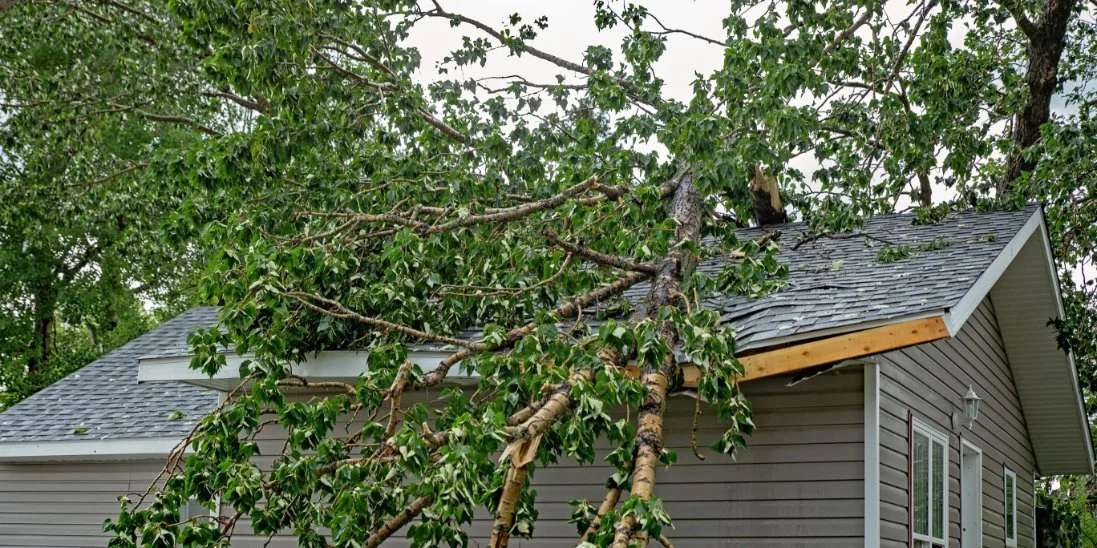
Severe weather can leave working mothers with unexpected stress long after the storm passes. Heavy rain and strong winds often damage homes in ways that homeowners do not notice right away. A quick inspection can help families stay safe while preventing expensive repairs later. When homeowners know what areas to check after severe weather, they can protect their homes and return to their normal routine with more confidence.
Start With a Calm Walk Around the Yard
Severe weather often leaves busy mothers with another urgent task before the next workday begins. You can protect your family and prevent costly repairs by inspecting your property right away. A quick outdoor check helps you catch dangerous hazards before children or pets wander outside. Before going outside, carry your phone and put on sturdy shoes. Once you’re outside, move slowly through every part of your yard.
Check Trees, Fences, and Outdoor Areas
Strong winds often scatter branches, loosen fence panels, and damage outdoor furniture during heavy storms. You should remove large limbs quickly because sharp debris can injure children during outdoor play.
Pay close attention to leaning trees because weak trunks can fall during the next round of rain. Many mothers also save time by photographing damage immediately for insurance records and repair estimates.
Focus on these outdoor areas during your first inspection:
Gutters that overflow with leaves or broken shingles
Walkways that contain slippery mud or cracked concrete
Play equipment with loose bolts or bent support bars
Patio furniture that blocks exits or emergency pathways
Power lines that hang low near trees or rooftops
Look Closely at the Roof and Gutters
Roof problems often lead to costly leaks when homeowners ignore minor warning signs after rough weather. You can learn how to spot roof damage after a storm by checking for curled shingles and loose flashing. The earlier you check, the better, since early action reduces the need for long repair appointments later. You should also inspect the gutters closely, as clogged drainage systems often push water toward walls and foundations.
Heavy rain can pull granules from shingles and scatter them near downspouts or driveway edges. You should contact a roofing professional quickly when you notice sagging areas or exposed roofing material. Small leaks often spread fast through the interior of your home during humid weather. Fast action helps families avoid mold growth and major disruptions during busy school weeks.
Watch for Indoor Warning Signs
Indoor inspections matter just as much because storms often create hidden damage behind walls and ceilings. You should check every room for unusual smells, peeling paint, or damp carpet near windows and corners. Children often spend more time indoors after severe weather, so mothers should address moisture problems quickly. Early attention helps families avoid ruined furniture and stressful cleanup projects later.
You do not need advanced tools or professional training to complete a basic inspection after severe weather hits your home. A calm walkthrough and careful notes can help working mothers stay organized during stressful situations after major storms. Your quick response today can protect both your home and your peace of mind for months ahead.