
Sources of Indoor Air Pollution Most Homeowners Overlook
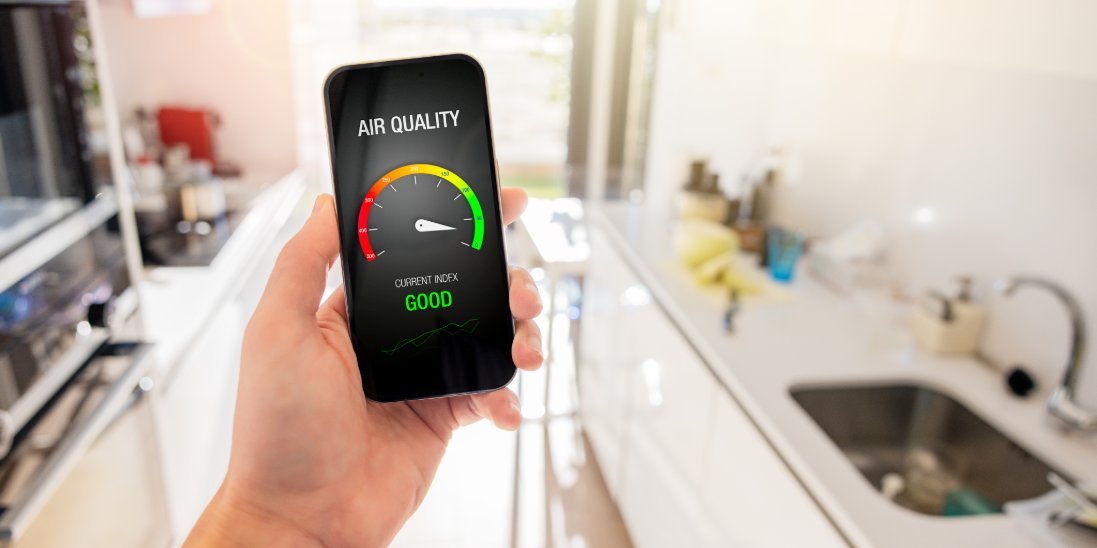
Many people think of outdoor smog, pollen, or wildfire smoke when they hear the phrase air pollution, but the air inside a home can also contain a surprising number of irritants. Because people spend so much time indoors, it is important to understand the sources of indoor air pollution most homeowners overlook and how small household habits can affect overall air quality.
Cleaning Products and Fragrances
Household cleaners are designed to make a home feel fresh, but some sprays, disinfectants, air fresheners, and scented candles can release chemicals into the air.
Strong fragrances may mask odors, but they do not always remove the particles or compounds causing them. Using products with fewer harsh chemicals, opening windows when cleaning, and avoiding unnecessary fragrance sprays can help reduce buildup indoors.
Cooking Fumes and Kitchen Particles
Cooking is another common source of indoor pollutants. Gas stoves, high-heat frying, burnt food, and even normal meal preparation can release smoke, grease particles, moisture, and odors.
Without proper ventilation, these particles can linger long after dinner is over. Running a range hood, cracking a window, and cleaning grease from surfaces can help keep the kitchen from becoming a major contributor to poor indoor air.
Dust Trapped in Soft Surfaces
Carpets, rugs, curtains, upholstered furniture, and bedding can hold dust, pollen, pet dander, and other allergens. Even when a room looks clean, movement across soft surfaces can send particles back into the air.
Regular vacuuming with a quality filter, washing bedding, and reducing clutter can make it easier to manage dust. Air purifiers can also support cleaner air when used correctly, especially when homeowners know how to get the most out of their purifier to help the unit work more effectively.
Moisture, Mold, and Poor Ventilation
Bathrooms, basements, laundry areas, and kitchens often collect excess moisture. When humidity stays too high, mold and mildew can develop behind walls, under sinks, around windows, or in poorly ventilated corners.
These hidden growths can release spores into the air and create musty odors. Fixing leaks, using exhaust fans, and keeping indoor humidity under control can help prevent moisture-related air quality problems.
Pets, Shoes, and Everyday Traffic
Pets bring comfort and companionship, but they also contribute dander, hair, outdoor particles, and odors. Shoes can track in dirt, pesticides, pollen, and other contaminants from outside.
Creating a shoe-free entry area, grooming pets regularly, and washing pet bedding can reduce the amount of debris moving through the home.
Building Materials and Furnishings
New furniture, paint, flooring, cabinetry, and certain building materials can release volatile organic compounds over time. This process, often called off-gassing, may be most noticeable when a room has a “new” smell.
Ventilating after renovations, choosing low-VOC materials, and allowing new items to air out before heavy use can help reduce exposure.
Understanding the sources of indoor air pollution most homeowners overlook makes it easier to build healthier routines. Cleaner indoor air does not usually come from one solution alone. It often requires better ventilation, consistent cleaning, moisture control, thoughtful product choices, and proper use of filtration tools throughout the home.