
Bad weather rarely arrives when your schedule is clear, and everything around the house feels under control. If you're balancing work and family responsibilities, yard preparation can easily slip down the priority list. When you know how to keep your yard ready for bad weather, you can reduce stress and avoid scrambling at the last minute. Your yard does not need to look perfect, but it should be prepared to handle challenging conditions safely.
Start With Loose Items
Strong winds can quickly turn everyday yard items into hazards. Take a walk around your outdoor space and identify anything that could blow away during a storm. Patio furniture, children's toys, and lightweight decorations often need attention first.
Once you know what needs to be secured, create a designated storage spot for those items. That way, when severe weather is in the forecast, you can move everything quickly without searching for a place to put it.
Check Trees and Branches
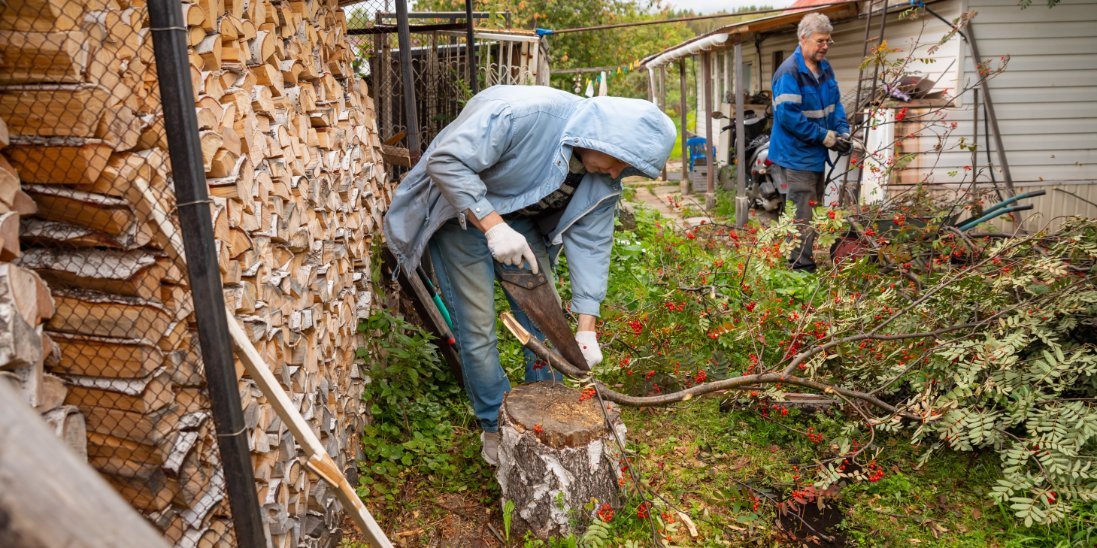
Trees add beauty and shade to your yard, but damaged or overgrown branches can become dangerous during storms. As you inspect your property, pay close attention to limbs that hang over your roof, driveway, play areas, or utility lines.
If you notice large branches that need trimming, contact a professional rather than attempting a risky job yourself. While you're outside, remove smaller fallen branches and debris before they create additional problems!
Keep Drains and Gutters Clear
Heavy rain can only drain properly when water has a clear path. Unfortunately, debris often blocks gutters and drainage areas without much warning. Before storm season arrives, check your gutters and downspouts to make sure water can flow freely. Then inspect low areas around your yard where water tends to collect. By staying ahead of these issues, you can help protect your home's foundation and avoid dealing with unnecessary flooding or muddy cleanup afterward.
Think About Backup Power
Power outages can make an already stressful situation feel even more challenging. When electricity goes out, you may suddenly need to manage food storage, work responsibilities, and family routines all at once.
If you use a generator, take time to plan its placement and review safe operating procedures before an emergency occurs. You may also want to explore ways to silence your generator so you can maintain backup power without creating unnecessary noise for nearby neighbors.
Make Yard Prep Part of Home Care
Storm preparation becomes much easier when you treat it as a regular part of home maintenance rather than an emergency project. Set aside a little time each month to inspect your yard and address small concerns before they become larger problems.
By following these steps to keep your yard ready for bad weather, you'll create a safer outdoor space without adding unnecessary pressure to your schedule. Most importantly, you'll gain peace of mind knowing your home is better prepared when the forecast takes a turn for the worse.