
How Routine Yard Care Can Prevent Costly Damage
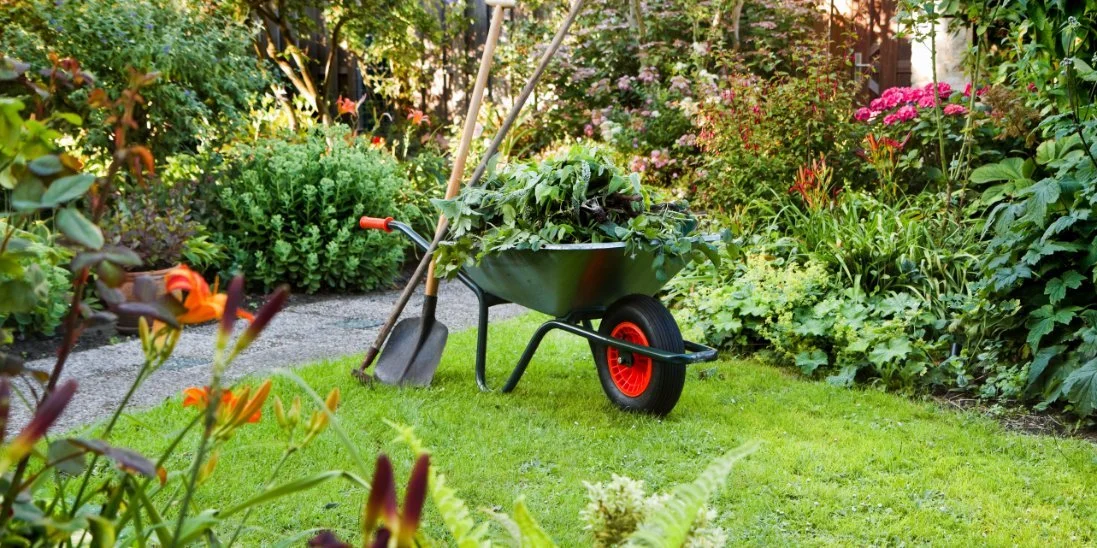
A tidy yard does more than make your home look welcoming after a long workweek. Regular yard care can protect your roof, siding, foundation, driveway, fencing, and outdoor equipment from problems that grow more expensive with time. For working moms with already packed schedules, a simple maintenance routine can prevent stressful surprises and eliminate the need for marathon cleanup weekends. The goal doesn’t involve creating a perfect landscape but keeping small outdoor problems from becoming major household repairs.
The easiest approach treats yard maintenance much like organizing a busy home. Give common tasks a regular place on the calendar, focus on the areas that create the greatest risk, and handle manageable problems before they multiply. You can divide larger jobs into short seasonal tasks instead of trying to tackle the entire property in one weekend. This system makes your outdoor space easier to maintain while protecting the investment you have made in your home. Explore how routine yard care can prevent costly damage that takes a fun family weekend and turns it into a grumbling chore.
Keep Trees From Becoming a Household Hazard
Mature trees provide shade, privacy, and plenty of character, but neglected branches can threaten your home. Look for dead limbs, cracked branches, leaning trunks, exposed roots, or branches that hang directly over the roof. Limbs that repeatedly scrape shingles or siding can cause damage even when the weather remains relatively calm. Regular visual checks help you recognize changes before a falling branch creates an emergency.
Pay extra attention to trees before seasons that typically bring severe weather to your area. The reality that high winds create emergency storm damage risks makes weak or damaged trees especially important to address before a storm arrives. Homeowners can manage small pruning jobs from the ground when they have appropriate tools, but large branches and questionable trees deserve professional attention. Never climb a damaged tree or work near utility lines because those situations require specialized training and equipment.
Direct Water Away From the House
Water can create expensive problems when your yard repeatedly directs it toward your home instead of away from it. After a heavy rain, walk around the property and look for standing water near the foundation, patio, driveway, or other structures. Persistent puddles may indicate poor drainage, compacted soil, clogged drainage channels, or low areas that need attention. Addressing those patterns early can reduce moisture problems and protect landscaping from excessive saturation.
Keep leaves, mulch, soil, and other debris away from drainage openings so that water has somewhere to go. Check downspout outlets as part of your yard routine and make sure they send water away from the foundation. Avoid piling mulch against the house simply because a thick layer looks neat around planting beds. A clean border around the foundation also makes it easier to notice moisture, pests, cracks, or other changes.
Manage Leaves Before They Create Bigger Jobs
A few fallen leaves rarely create trouble, but thick layers can trap moisture against grass, patios, decks, and walkways. Wet leaves can also make hard surfaces slippery and clog outdoor drains when rain carries them across the yard. Regular cleanup keeps the workload manageable instead of leaving your family with an exhausting seasonal project. You don’t necessarily need to remove every leaf immediately, especially when appropriate mulching can benefit the lawn.
Create a simple leaf-management routine during the busiest part of autumn. Choose one manageable area at a time, such as the front walkway, patio, lawn, or driveway, rather than approaching the entire property as one giant task. Kids who are old enough can gather lightweight debris or handle other age-appropriate cleanup jobs. Breaking the work into small sections makes the yard easier to manage alongside jobs, school schedules, errands, and family commitments.
Protect Fences and Gates From Small Problems
Fences often receive attention only when something breaks, yet small maintenance checks can extend their useful life. Walk along your fence occasionally and look for loose boards, leaning posts, damaged panels, rusting hardware, or gates that no longer close correctly. Plants and vines can also hold moisture against some fencing materials or hide developing damage. Catching a loose component early usually creates a much simpler project than replacing a collapsed section later.
Keep shrubs and other heavy growth from pressing constantly against the fence. Check gate latches and hinges because frequent family use can loosen hardware over time. Wooden fences may also need cleaning, sealing, staining, or other care depending on the material and local climate. A few minutes of inspection can reveal exactly where you need to focus your next maintenance session.
Build a Quick Yard Inspection Routine
Routine care becomes much easier when you know what to look for each time you step outside. A short monthly walk around the property can reveal many developing problems before they require major repairs. Keep a simple note on your phone so that you can record tasks without trying to remember everything during a busy week. During your walk, check the following areas:
Look for dead or damaged tree branches.
Check fences and gates for loose hardware.
Clear debris from outdoor drains and drainage paths.
Watch for standing water near the house.
Notice cracked or uneven walkways and paving.
Trim plants that crowd siding or outdoor equipment.
Check outdoor furniture and equipment for damage.
Remove debris that could block frequently used paths.
Watch Walkways and Driveways for Changes
Driveways, paths, and patios experience weather, foot traffic, vehicle weight, plant growth, and changing soil conditions throughout the year. Small cracks may expand as water enters them and temperatures change, so keep an eye on areas that begin showing deterioration. Weeds growing through joints can also make an otherwise cared-for outdoor space look neglected surprisingly quickly. Routine cleaning makes cracks, movement, stains, and other problems easier to spot.
Pay particular attention to uneven surfaces along routes your family uses every day. A raised paver or damaged walkway can create a tripping hazard for children, guests, delivery drivers, and anyone rushing out the door. Address manageable issues promptly and contact an appropriate professional when you notice major movement or extensive cracking. Keeping paths clear and stable supports property maintenance and a smoother family routine.
Start with the outdoor areas that sit closest to your home, then gradually expand your routine as time allows. Schedule seasonal tasks, organize supplies, involve family members when appropriate, and call professionals when a project exceeds your abilities. These small habits can reduce surprise repairs while making your yard safer, tidier, and easier to enjoy. Routine yard care can prevent costly damage and ultimately give your family one less source of stress and one more place to feel at home.