
How to Organise a Kitchen So It Actually Stays That Way
We partnered with a home improvement company for this post. The opinions in the post are honest. All reviews and opinions expressed in this post are based on our personal views. We are excited because we know you will love it.
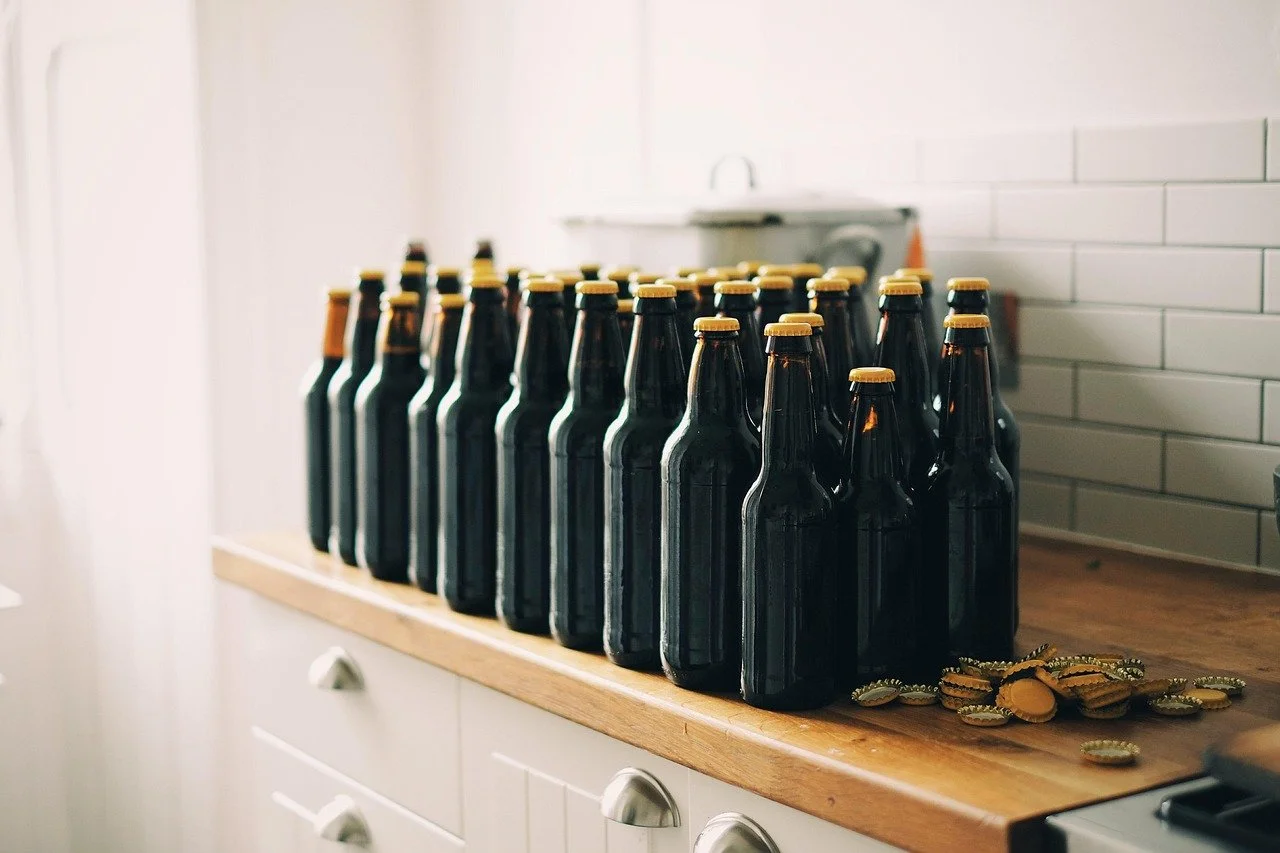
The kitchen is usually the first room in a house to fall out of order and the hardest to keep organised, because it gets used constantly by everyone in the household, often several times a day. Unlike a closet or a garage, you cannot simply close the door on it when things slip. A pile of post on the counter, a drawer of mismatched lids, or a cupboard where nothing quite fits, and within a week the whole room can feel like it is working against you rather than for you.
The good news is that a genuinely organised kitchen is less about willpower and more about setting the space up properly in the first place, so that putting things away is actually the easier option than leaving them out. Get the structure right, and the day-to-day tidiness tends to take care of itself.
Organise by Zone, Not by Surface
The biggest mistake in kitchen organising is thinking in terms of surfaces, the counter, the drawer, the cupboard, rather than tasks. A kitchen that is organised by zone groups everything needed for one activity in the same place, so you are never crossing the room mid-task to find something, and nothing ends up living somewhere just because there was a gap.
A simple version of this looks like:
Prep zone: chopping boards, knives, mixing bowls and measuring equipment, close to a clear stretch of worktop
Cooking zone: pots, pans, utensils, oils and spices near the hob, so nothing needs carrying across the room mid-recipe
Cleaning zone: washing up liquid, cloths, bin and recycling together near the sink
Everyday zone: mugs, plates and cutlery near the dishwasher or drying rack, since these get used and put away most often
Once items live where they are actually used, tidying up stops being a chore and starts being the path of least resistance. It also makes it far easier to spot when something genuinely does not have a home, which is usually the first sign that a category of items needs a proper sort rather than another squeeze into an already full drawer.
Let the Cabinetry Do the Organising Work
Storage design has more influence on how organised a kitchen stays than any amount of decluttering effort. Deep drawers with proper dividers hold far more than a low cupboard, and they let you see everything at a glance instead of stacking items on top of each other and forgetting what is at the bottom. Pull-out larders make better use of narrow gaps than a standard cupboard ever could, and a dedicated bin drawer keeps recycling out of sight without it becoming a dumping ground on the floor.
This is one of the reasons a well-planned shaker kitchen, by Smile Kitchens, tends to stay tidier for longer than an older kitchen with shallow cabinets and awkward corner units. When drawers and cupboards are sized around what actually needs to live in them, from baking trays to small appliances, there is simply less pressure on the counters and less temptation to leave things out because there was nowhere sensible to put them.
If you are working with an existing kitchen rather than starting from scratch, even small upgrades can make a real difference. Adding drawer dividers, a slide-out bin, or a simple corner carousel is usually enough to unlock storage that a kitchen already has but is not using well.
Watch the Places Clutter Naturally Collects
Every kitchen has one or two spots that attract clutter no matter how organised the rest of the room is. It is often the counter nearest the door, where post, keys and school bags land the moment someone walks in, or the drawer nearest the kettle, which somehow ends up holding everything from spare batteries to takeaway menus.
Rather than fighting these spots, it is usually more effective to design around them. Giving the "landing zone" near the door a proper tray or small basket, and accepting that one drawer will always be a catch-all rather than pretending it will stay perfectly sorted, takes the pressure off the rest of the kitchen and stops the clutter spreading further.
Build in a Daily Reset
Organising a kitchen once is only half the job. Keeping it that way depends on a couple of small daily habits rather than one big weekend clear-out. A five-minute reset before bed, clearing the counters, loading the dishwasher and wiping down surfaces, means the room starts every morning the way it is supposed to look, rather than slowly sliding into clutter over the week.
The "one-touch" rule helps here too: put an item away the first time you pick it up, rather than setting it down "for now" somewhere else. It sounds small, but it is usually the difference between a kitchen that stays organised and one that needs a full reset every few weeks.
Keep the Pantry Working For You
Food storage is often where kitchen organisation breaks down fastest, because it is easy to lose track of what you already have. Decanting dry goods into clear, labelled containers makes stock visible at a glance and stops half-used bags getting pushed to the back and forgotten. Grouping items by type, baking, breakfast, snacks, tins, rather than by when they were bought, also makes it far easier to see what needs restocking before you shop, and cuts down on buying duplicates of things you already have.
It is worth doing a proper pantry reset every few months rather than only when things get visibly out of hand. Checking dates, consolidating half-empty containers and returning items to their proper zone takes far less time than letting the whole cupboard drift out of order again.
A well-organised kitchen is not about owning fewer things or living a more minimal life. It is about making sure everything has a logical home, so tidying up takes minutes rather than hours, and the room stays functional even on the busiest days, whether that is a rushed weekday breakfast or hosting a full family dinner.