

A resource for those seeking information on organizing and transforming spaces.

Wall Treatments to Transform Your Space with Style
Walls represent the largest visual surfaces in any home, serving as the backdrop for daily life and setting the tone for every room. Whether you're creating a serene bedroom retreat, an energizing living space, or a sophisticated dining area, wall treatments play a crucial role in enhancing style, adding texture, and establishing focal points that draw the eye. This article explores practical and creative wall treatment methods that can elevate your interior design, from timeless paint techniques to contemporary textured applications and artful framing strategies.
Walls represent the largest visual surfaces in any home, serving as the backdrop for daily life and setting the tone for every room. Whether you're creating a serene bedroom retreat, an energizing living space, or a sophisticated dining area, wall treatments play a crucial role in enhancing style, adding texture, and establishing focal points that draw the eye. This article explores practical and creative wall treatment methods that can elevate your interior design, from timeless paint techniques to contemporary textured applications and artful framing strategies.
Paint Options
Paint remains the most versatile and accessible wall treatment available. Classic finishes create distinct atmospheres: matte absorbs light for a sophisticated, modern look; satin offers subtle sheen with easy cleanability; and gloss reflects light dramatically while highlighting architectural details. Accent walls using bold colors or contrasting shades can define a space without overwhelming it, directing attention to specific architectural features or furniture arrangements.
Trendy techniques like ombré gradients, geometric patterns, and color blocking allow homeowners to express creativity beyond solid colors. These approaches transform ordinary walls into artistic statements with relatively minimal investment. Additionally, eco-friendly paints with low-VOC (volatile organic compound) formulations contribute to healthier indoor air quality while delivering beautiful results, making them ideal for bedrooms and nurseries where air purity matters most.
Wallpaper and Alternatives
Traditional wallpaper has evolved far beyond grandmother's floral prints, now offering countless patterns, textures, and contemporary designs that suit any aesthetic. Peel-and-stick wallpaper revolutionizes temporary spaces, providing renter-friendly solutions that update instantly without permanent commitment or damage. Large-scale murals create dramatic impact by transforming entire walls into scenic landscapes, abstract art, or custom photography that becomes the room's defining feature. Wall decals offer simple, customizable graphics perfect for children's rooms or adding playful touches to kitchens and home offices, with easy application and removal when tastes change.
Textured Wall Treatments
Dimensional treatments add tactile interest that flat paint cannot achieve. Wood paneling options like shiplap, beadboard, or reclaimed barn wood introduce warmth and character, particularly effective in farmhouse or coastal design schemes. Stone or brick veneer brings rustic or industrial vibes without the weight and expense of genuine masonry, ideal for accent walls in living rooms or commercial-style kitchens. Plaster and stucco finishes evoke old-world charm with their handcrafted, irregular surfaces that catch light beautifully throughout the day. Modern 3D wall panels create sculptural designs that cast intriguing shadows, adding contemporary depth and sophistication to minimalist interiors.
Framing as a Wall Treatment
Gallery Walls and Display Strategies
Picture frames and gallery walls transform collections of photographs, prints, or artwork into compelling visual narratives that tell personal stories. These curated displays work beautifully in living rooms, hallways, and stairwells, turning otherwise blank expanses into engaging focal points. Oversized frames create particularly bold statements, whether showcasing large-scale artwork or strategically placed mirrors that expand spatial perception and reflect light throughout the room.
Mixing Styles for Personality
Combining different frame styles prevents visual monotony and adds distinctive character to wall displays. Mix modern metallic finishes with vintage wood frames and eclectic painted options to create dynamic compositions that reflect evolving tastes and collected treasures. This eclectic approach works especially well in transitional spaces where multiple design eras coexist harmoniously, allowing homeowners to honor both contemporary preferences and cherished heirlooms.
Professional Custom Framing
For treasured artwork, important photographs, or investment pieces, professional custom framing elevates presentation significantly beyond ready-made options. Custom framers, for example, Picasso Gallery Custom Framing, offer expert guidance on matting colors that complement artwork, frame profiles that enhance without overpowering, and protective glazing that guards against UV damage and environmental deterioration. The precision craftsmanship and archival-quality materials provided by professionals ensure your most meaningful pieces receive the presentation they deserve, transforming them into true focal points that command attention and preserve value.
Practical Considerations
Successful wall treatments balance aesthetic vision with practical realities. Budget considerations vary dramatically—simple paint costs least while specialty treatments like reclaimed wood or custom murals require greater investment. Maintenance requirements differ too: painted walls need occasional touch-ups, wallpaper resists scuffs but can tear, and textured treatments collect dust, requiring specific cleaning methods. Room function dictates appropriate choices; bathrooms demand moisture-resistant solutions, while high-traffic areas benefit from durable, washable finishes.
Walls serve as blank canvases awaiting creative expression, from simple paint transformations to bold textures and thoughtfully curated framing displays. Experimenting with treatments that reflect personal style and accommodate lifestyle needs turns generic spaces into distinctive environments. Well-designed walls don't merely decorate—they transform houses into homes filled with character, comfort, and visual delight.

5 Beautiful Ways to Showcase Your Art Pieces at Home
Art has the power to transform a house into a home. The way you display your pieces can highlight their beauty while also reflecting your personality and style. If you own a few cherished paintings, the right presentation can make all the difference.
Art has the power to transform a house into a home. The way you display your pieces can highlight their beauty while also reflecting your personality and style. If you own a few cherished paintings, the right presentation can make all the difference.
Here are five beautiful and practical ways to showcase your art pieces at home.
Create a Gallery Wall for Impact
A gallery wall is one of the most striking ways to display art in your home. By grouping several pieces together, you create a focal point that immediately draws attention. The key is to balance variety with cohesion. Mix different sizes and frames, but keep a consistent theme or color palette to avoid visual clutter.
This approach works well in living rooms, hallways, or staircases where guests naturally pause and look around. A gallery wall also allows you to tell a story with your collection, whether it’s family portraits, abstract paintings, or travel photography. With careful arrangement, your wall becomes a personal museum that evolves as your collection grows.
Use Lighting to Elevate Each Piece
Lighting can completely change how art is perceived. A painting under poor lighting may look flat, while the right spotlight can bring out its depth and texture. Consider installing track lighting or adjustable wall-mounted fixtures to highlight specific pieces. Natural light can also enhance artwork, but be mindful of direct sunlight, which may cause fading over time.
For sculptures or three-dimensional pieces, soft ambient lighting can create dramatic shadows that add dimension. Investing in good lighting not only elevates your art but also enhances the overall atmosphere of your home. It’s a subtle yet powerful way to make your collection shine.
Incorporate Art into Everyday Spaces
Art doesn’t have to be confined to formal areas like living rooms or entryways. Incorporating pieces into everyday spaces makes your home feel more personal and inspiring. A small painting in the kitchen, a sculpture in the bathroom, or framed prints in the bedroom can bring unexpected joy. These placements remind you that art is not just for display but for daily enjoyment.
When choosing art for functional spaces, consider durability and scale. For example, moisture-resistant frames work well in bathrooms, while smaller pieces fit perfectly in cozy corners. By weaving art into your daily life, you create a home that feels both beautiful and lived-in.
Invest in Professional Installation
Sometimes, the best way to showcase art is to let professionals handle the installation. Large or valuable pieces often require secure mounting to ensure safety and longevity. Professional services specializing in residential art installation can help you position each piece for maximum impact while protecting your walls and artwork.
They also understand how to balance scale, spacing, and alignment, which can be challenging to achieve on your own. This option is especially useful for homeowners with extensive collections or oversized works that demand precision. By trusting experts, you not only safeguard your investment but also ensure that your art is displayed in the most flattering way possible.
Rotate Your Collection for Freshness
One of the joys of owning art is the ability to change how it’s displayed. Rotating your collection keeps your home feeling fresh and dynamic. You might highlight certain pieces during different seasons or swap artwork between rooms to create new moods.
This approach also prevents visual fatigue, as even the most beloved piece can lose its impact if it’s always in the same spot. Rotating art encourages you to engage with your collection more actively, appreciating each piece anew. It’s a flexible and creative way to keep your home environment inspiring without needing to constantly purchase new works.
Conclusion
Showcasing art at home is about more than decoration—it’s about creating an environment that reflects your taste and enhances your daily life. From gallery walls and lighting to professional installation and rotation, each method offers a unique way to highlight your collection.
By thoughtfully displaying your pieces, you transform your home into a space that celebrates creativity and beauty every day.
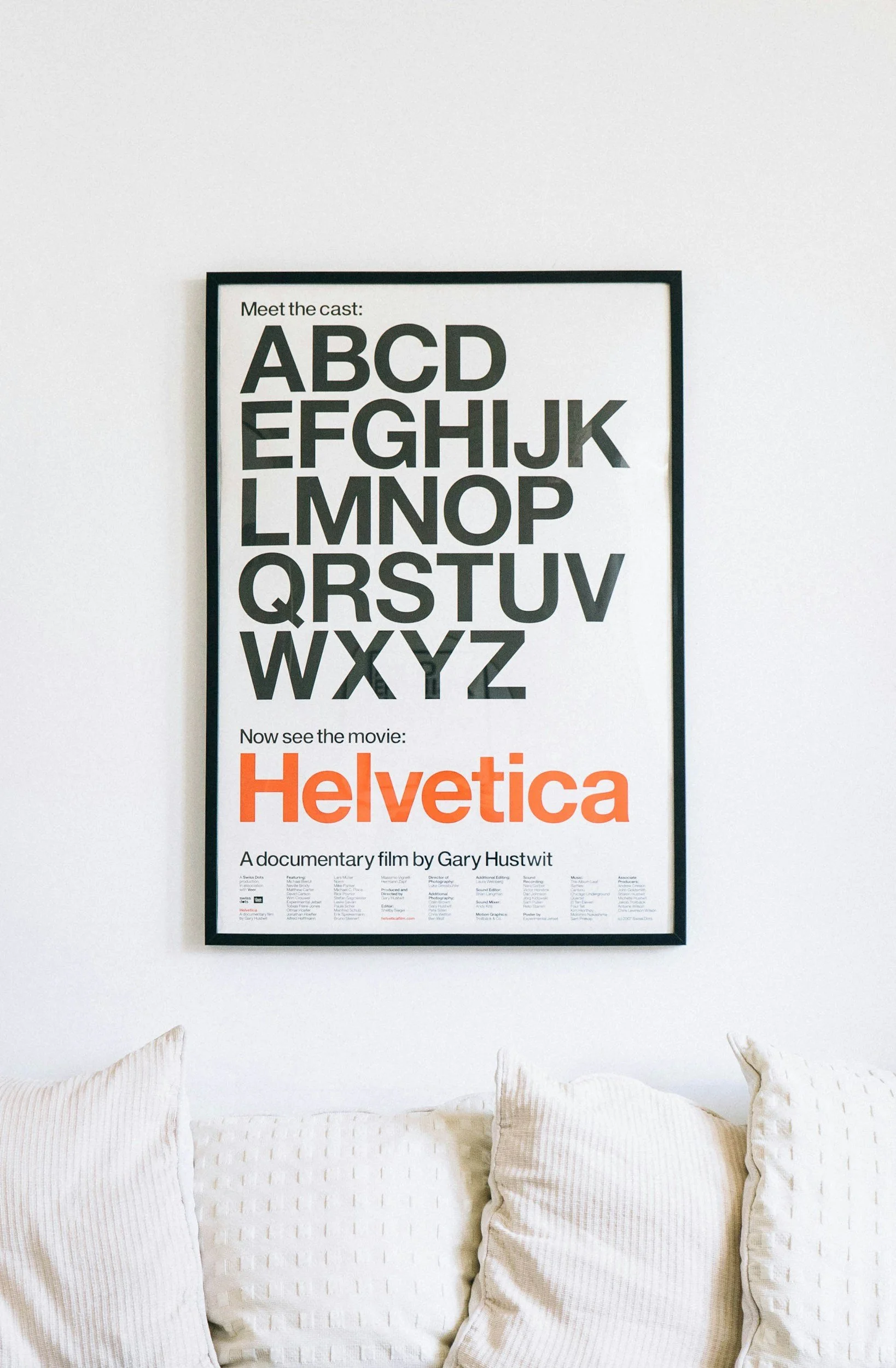
Wall Space Wisdom: Planning Poster Displays That Complement Your Home, Not Compete With It
When you have a collection, it’s nice to be able to display it. Showcasing your favorite artwork or classic bands can make your home a reflection of your style and interests. If you want to have the perfect design, however, you’ll need to put in some planning. Use these tips to help you create a poster display that works well with your home.
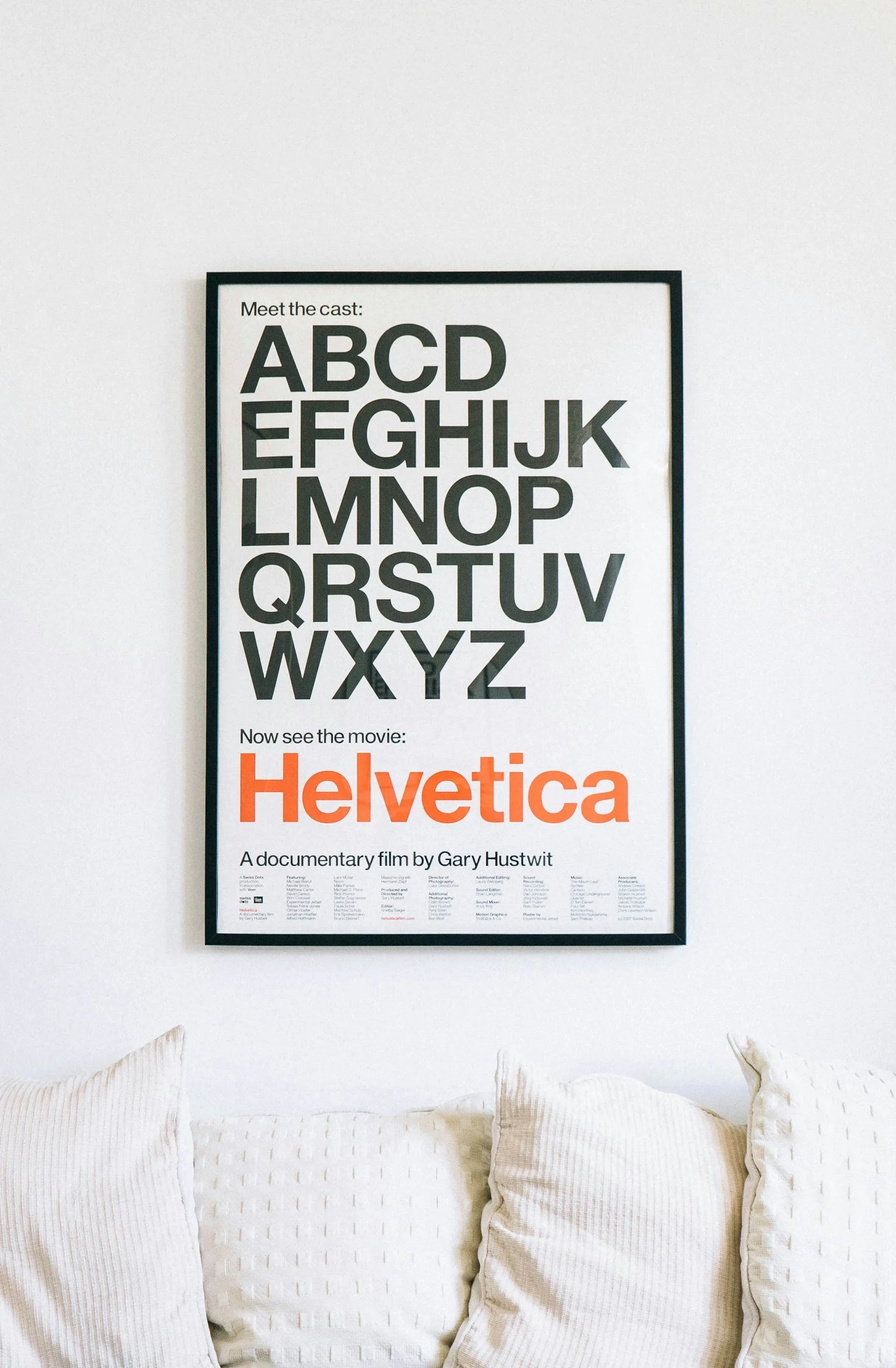
When you have a collection, it’s nice to be able to display it. Showcasing your favorite artwork or classic bands can make your home a reflection of your style and interests. If you want to have the perfect design, however, you’ll need to put in some planning. Use these tips to help you create a poster display that works well with your home.
Find the Focal Point
Every room has a focal point. To understand how you should organize and place your poster displays, you need to find the focal point of the room. It might be a fireplace in the center of one wall or a massive plant in the corner. If you’re trying to draw attention to the displays, you can adjust the design and layout of the room so that they are the focal point. Choose the most eye-catching of them, and select a spot that is easy to see when you first enter the room. You’ll be able to plan the rest of the space around it.
Consider Scale
If you want to have a display that shows off your collection and makes your room look great, you’ll need to consider scale as part of the package. The scale of the posters help you create a focal point and balance out the room. Framed posters that are identical in size are easy to group, which is perfect for larger collections. But don’t worry if the posters are very slightly different in size. You can choose different frame sizes for each one to create balance or asymmetry that draws the eye to the right spot.
Tell a Story
Every room in your home has a story, and you can use the poster display to feature yours. When you consider how to organize your autograph store posters, think about the aesthetic you’re trying to depict. Is it fandom? Whimsy? Artsy? Do more than just choose a color scheme and style. Figure out what you are trying to accomplish with the room and the poster display, and make sure they work together.
Coordinate With the Color Scheme
To avoid clashing with the rest of the room’s décor, you should aim to make a color scheme that fits. Choose posters that work well with the furniture and paint color in your room, or select coordinating frames to help you unify the layout. Although cohesion is an important part of room design, be careful of being too matchy-matchy. You don’t need to select everything to coordinate perfectly with every item. Instead, choose one or two colors or prints to serve as a throughline throughout the room.
Frame Each Depiction
If you’re going to the effort of creating a poster display that unifies the room, you need effective framing to achieve it. The kind of frames you choose should reflect the content of the poster and the display. A framed print of famous artwork might call for an ornate frame that can be a statement piece all by itself. Film posters might need a simple plastic or metal trim that does not draw too much attention.
Don’t Forget the Lighting
Ideally, every room has a combination of lighting options that help you illuminate the space at any time of day. For rooms with detailed displays on the walls, you should consider customizing the lighting to suit. Use a combination of lighting temperatures. Use brighter, downward-facing lights so you can see what you’re doing and lamps or wall sconces for soft evening lighting. For large or ornate frames, look for lighting options that allow you to illuminate from an adjacent wall.
Your posters deserve to have a prominent place in your home. By considering focal point, color scheme, framing, lighting, and other factors, you can design a display that highlights the best of your collection.
SOURCES
https://npiweb.com/blog/posts/how-to-design-the-perfect-gallery-wall-for-you/
https://drool-art.com/blogs/inspiration/8-clever-ways-to-organise-and-lay-out-your-prints-and-art-posters?srsltid=AfmBOoqy1Fp8IovqdDc5q6LeHHEEBfcYI0YMMjzXfdO4SEYx79It8_Gm
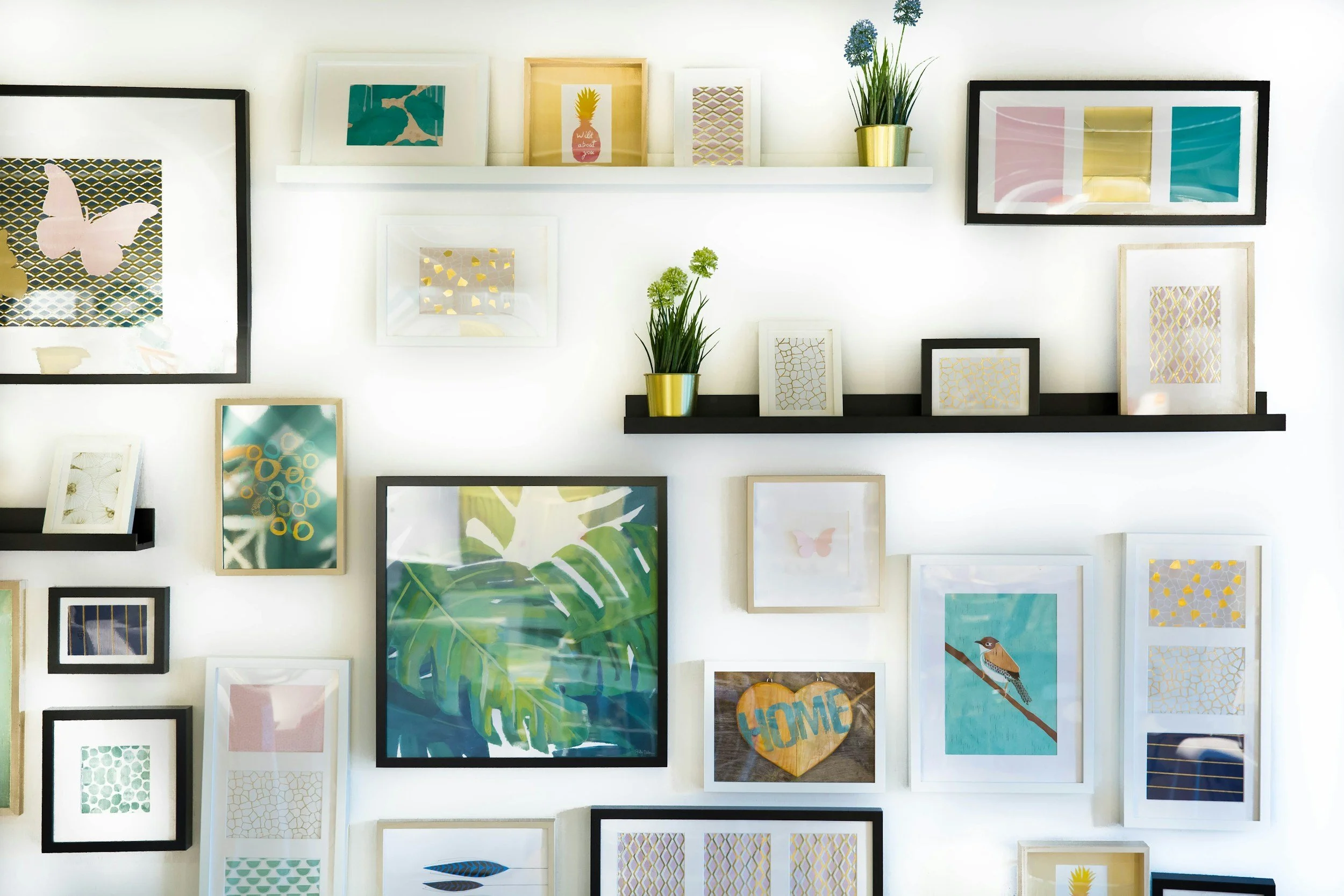
The Timeless Appeal of Wall Art: Why It Still Matters in Modern Homes
Walk into any home, and one of the first things you’ll notice is what’s on the walls. Whether it’s a bold painting above the sofa, a gallery of family photos in the hallway, or a quiet landscape in the bedroom, wall art sets the tone for how a space feels. Furniture and lighting matter, of course, but it’s often the art that gives a room its soul.
We partnered with a home design company for this post. The opinions in the post are honest. All reviews and opinions expressed in this post are based on our personal views. We are excited because we know you will love it.
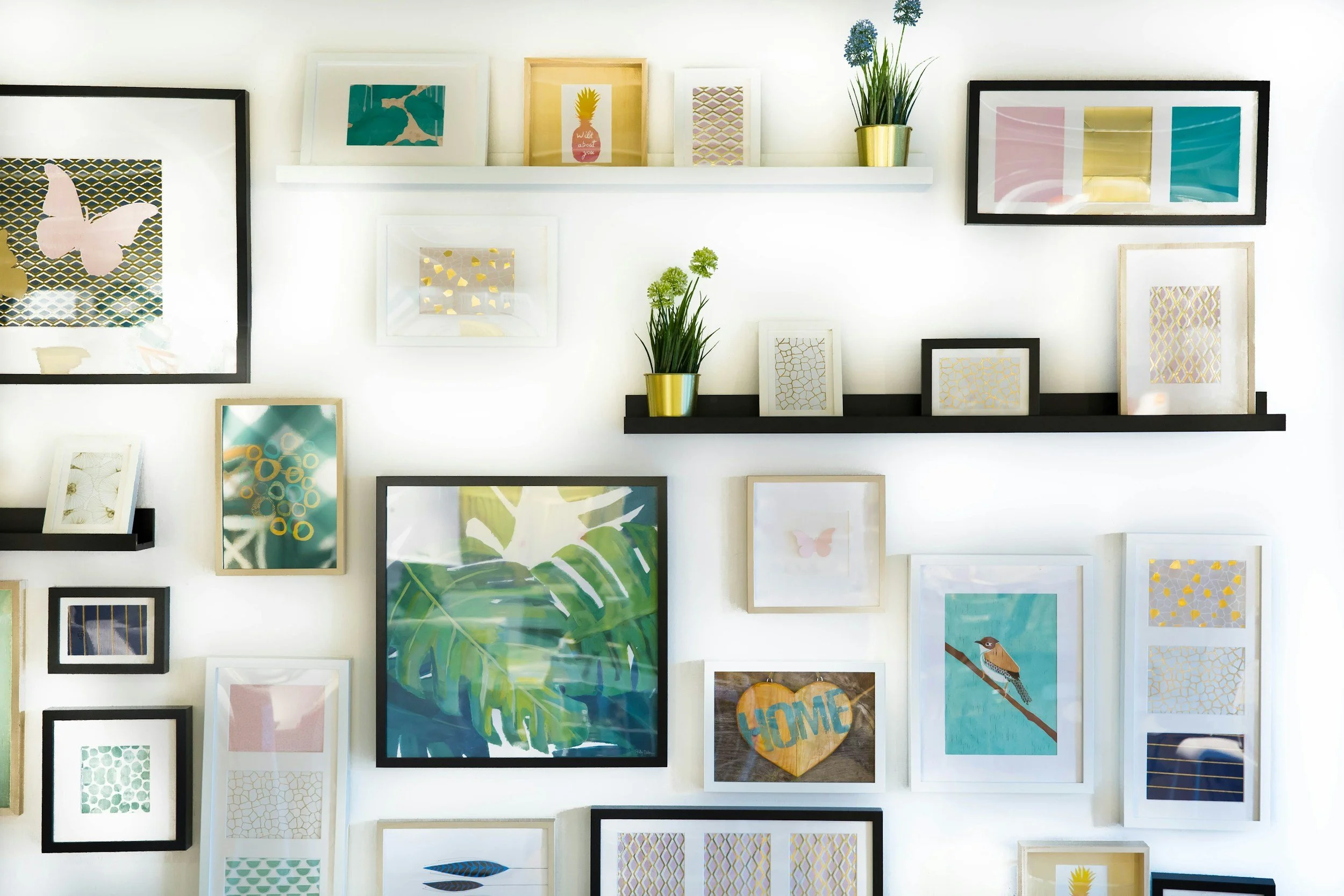
Walk into any home, and one of the first things you’ll notice is what’s on the walls. Whether it’s a bold painting above the sofa, a gallery of family photos in the hallway, or a quiet landscape in the bedroom, wall art sets the tone for how a space feels. Furniture and lighting matter, of course, but it’s often the art that gives a room its soul.
In today’s world of fast-changing design trends, wall art remains one of the simplest, most personal, and most powerful ways to transform a home. It has the ability to refresh a space instantly without requiring a major renovation or large investment.
Art as a Reflection of Personality
Your home is more than just a place to live—it’s an extension of who you are. Wall art reflects your tastes, interests, and even your values. A vibrant abstract piece may suggest a love for creativity and boldness. A serene nature print might reveal your need for calm and grounding.
Unlike mass-produced décor items, art is deeply personal. Even when you choose affordable prints, the selections you make tell your story. Guests can often get a sense of your personality simply by noticing what hangs on your walls.
How Wall Art Shapes Mood
It’s not just about looks—art influences how we feel. Studies in environmental psychology show that visual surroundings can impact emotions, productivity, and even stress levels.
Calming Art: Landscapes, soft color palettes, and nature prints can bring peace and quiet to bedrooms or meditation corners.
Energizing Art: Bold abstracts or colorful geometric designs work well in living rooms or home offices, creating a sense of movement and motivation.
Uplifting Art: Bright florals, sunny seascapes, or playful designs can lift the mood in kitchens, hallways, or children’s rooms.
The right piece of art doesn’t just decorate—it sets the emotional tone for the entire space.
Affordable Ways to Refresh Rooms with Art
One of the great things about wall art is that it doesn’t have to be expensive to make an impact. Here are a few budget-friendly ways to give your home a makeover using art:
Statement Pieces: A single large canvas can anchor a room. Hang it above a sofa, bed, or dining table for an instant focal point.
Gallery Walls: Combine several smaller pieces into a curated collection. Mix prints, personal photos, and even decorative mirrors for variety.
Seasonal Art Swaps: Rotate art with the seasons—bright, airy prints for summer and warm-toned landscapes for fall.
Prints Instead of Originals: Museum-quality art prints provide the look of original paintings at a fraction of the cost.
Mixing Styles: Blend vintage-inspired art with modern pieces for a fresh, eclectic feel.
With just a few thoughtful choices, you can completely refresh the look of a room without replacing furniture or repainting walls.
The Role of Color in Wall Art
Color is a powerful tool in home décor, and art is one of the easiest ways to experiment with it.
Neutrals: Beige, gray, and soft whites create a timeless look that pairs well with almost any style.
Earth Tones: Browns, greens, and muted golds bring warmth and a natural feel.
Bright Colors: Reds, blues, and yellows can energize a space and make a bold statement.
Using art as a source of color allows you to add vibrancy without committing to paint or permanent changes. A bright canvas can liven up a neutral room instantly, or check guide on home decor
Making Your Home Feel Complete
A home without art can sometimes feel unfinished, like something is missing. Adding even a few simple prints brings balance and personality, turning plain walls into meaningful focal points.
Once the basics of a room are set—furniture, lighting, rugs—it’s the artwork that completes the picture. Think of it as the final touch that ties everything together, both visually and emotionally.
Final Thoughts
Wall art has been part of human living spaces for centuries, and its appeal hasn’t faded. In modern homes, it continues to play an essential role in shaping atmosphere, reflecting personality, and bringing joy to everyday life.
The best part? You don’t need a big budget or an art degree to make it work. With thoughtful choices, a few popular pieces of artwork , and colors that resonate with you, wall art can turn any space into one that feels inspiring, uplifting, and uniquely yours.
So if your home feels like it’s missing something, start with the walls. Sometimes, the right piece of art is all it takes to make a house truly feel like home.