

A resource for those seeking information on organizing and transforming spaces.
Dream Kids' Rooms: Decor and Wall Ideas for Creative Development
Designing your child's room is more than just aesthetics. You need to focus on creating an environment that fosters your child's creative development. From nurturing their imagination to fostering emotional creativity and growth, every aspect must be looked into.
We partnered with a home design company for this post. The opinions in the post are honest. All reviews and opinions expressed in this post are based on our personal views. We are excited because we know you will love it.
Designing your child's room is more than just aesthetics. You need to focus on creating an environment that fosters your child's creative development. From nurturing their imagination to fostering emotional creativity and growth, every aspect must be looked into.
A kids' room, when designed well, can make all the difference. It becomes their personal universe where they can thrive. It becomes a space where new stories will unfold, ideas will take root, and their confidence grows. There are multiple things you can try, from playful colour wall palettes to expressive wall elements.
Let's explore some of the best decor and wall ideas to boost creative development for kids.
1. Pretty Pink for the Walls
Every child has a favorite color at a young age. It would be wrong to say that they don't. Well, pink is the favourite colour for many. Walls painted in a subtle shade of pink can play an important role in boosting kids' creative development.
A light pink color creates a calming atmosphere for the kids and helps them focus. Kids who face anxiety can have this colour around to foster creative expression and imaginative play. Moreover, the subtle shade of pink also boosts fine motor skills in arts and crafts.
2. Include Fun Wall Themes
Kids love having themed walls. So, from chalkboard walls to cartoon characters and stories, you can include them all. Every time the kid looks at the wall, they should feel excited. These themed walls also set the mood for play and even calm them down to fall asleep.
Chalkboard walls also work wonders, serving as a canvas for the kids. The children can write, draw, and be as creative as they want. It sets the space for learning while also playing. These walls spark their imagination, which can be really helpful for cognitive development. The best part? These chalkboard walls are super easy to clean.
3. Have Nursery Wall Art for Early Development
If you have infants and young children around, it is best to have Nursery wall art. These play a subtle yet important role in a kid's overall development. From soft illustrations to high-contrast patterns and even simple shapes for visual recognition in babies, there's a lot that these walls can foster.
As children grow, these walls can also evolve into pieces of storytelling featuring animal characters, cultural motifs, and more. To introduce your child to concepts such as curiosity, empathy and identity, these wall arts can come in really handy. It's crucial to have such informative walls, especially during kids' early developmental stage.
4. Add a Creative Furniture
If you want to educate your kids, you have to take the creative route. So, you don't always have to include boring furniture, but you do have to include the fun ones. For example, furniture in different shapes, a tent, or a bunk bed can do wonders. These bunk beds are not only cool to have but also save space. Kids love the adventurous vibe these beds bring.
Now that you're experimenting with bunk beds, why not do the same for furniture? Go beyond the regular furniture and choose a different shape. These look cool and keep your child excited about what's next. These can also be great for your kids' cognitive development.
5. Celebratory Corners with Happy Birthday Signs
Celebrations are among the biggest parts of your child's life, especially the memories they will hold dear. Incorporate a dedicated space in the celebration corner that adds excitement for the kids. You can include reusable decor such as banners, Happy Birthday signs, fairy lights, and more.
Apart from temporary signs, you can also choose reusable birthday signage as the decorative element. Use items that can be kept throughout the year. As the birthday approaches, you can make it even better by including photos, themed accessories, and balloons. This should build an emotional connection to the celebrations.
6. Create a Reading Corner for Them
Introduce your child to the habit of reading from a very young age. For this reason, you should create a reading for your young kids. Decorate the space with fairy lights, a small tent and floor cushions. Let them snuggle into the space with a book.
Building a reading habit early should support early cognitive development. Furthermore, you can also keep low bookshelves for the kids. The kids can keep their own books and stack them as they like. Allowing the kids to be in charge of the bookshelf should help them become more independent.
Conclusion
The kids' dream room should be more than visually appealing. It should support learning and creativity and drive emotional well-being. Adopt interactive strategies that help your child become independent. You should create a space that grows with your child. Be careful with the design elements, and include components that make your kids' dream room stand out. Let your child's room tell their story and be a part of their daily routine.

Decluttering Before Baby: Creating Space For Your New Arrival
Bringing a baby into your home is an exciting and transformative experience, but it also comes with new challenges – especially when it comes to space. Whether you live in a small apartment or a spacious home, preparing for your little one means making room for baby essentials while maintaining a sense of order.

Bringing a baby into your home is an exciting and transformative experience, but it also comes with new challenges – especially when it comes to space. Whether you live in a small apartment or a spacious home, preparing for your little one means making room for baby essentials while maintaining a sense of order.
Why Decluttering Matters Before Baby Arrives
Babies may be small, but they require a surprising amount of space. From cribs and changing tables to diaper supplies and baby clothes, new parents quickly realize how much room is needed to accommodate their child’s needs.
By eliminating unnecessary items, parents can create a calm and peaceful environment that fosters relaxation for both them and their newborn. A clutter-free home can also improve mental clarity, allowing parents to focus on bonding with their baby rather than managing household chaos.
No matter if you’re welcoming a baby through traditional pregnancy or a surrogacy process, creating a well-organized space supports a smooth and joyful transition for both parents and child.
Step 1: Clear Out the Non-Essentials
First things first, start by evaluating each room and identifying items you no longer need. This could include outdated clothing, unused kitchen gadgets or excess furniture that takes up valuable space. The goal is to simplify your surroundings to make room for baby gear without feeling cramped.
Consider sorting items into four categories: keep, donate, recycle and discard. If something hasn’t been used in a year, chances are you don’t need it.
Step 2: Create Safe and Functional Spaces
A clutter-free home is a safer home. With a newborn in the house, safety should be a top priority. Decluttering allows you to eliminate potential hazards, such as loose cords, unstable furniture or breakable decor. As you prepare your baby’s nursery, keep essentials within arm’s reach while maintaining an uncluttered, soothing environment. Make sure you also avoid overcrowding shelves and surfaces.
Step 3: Optimize Storage for Baby Essentials
Once you’ve cleared out unnecessary items, it’s time to maximize storage for baby supplies. Consider investing in smart storage solutions such as:
Under-crib storage bins – Perfect for extra diapers, blankets or clothing.
Hanging organizers – Ideal for keeping small essentials like pacifiers, burp cloths and socks within reach.
Multi-functional furniture – Look for pieces like changing tables with built-in drawers or ottomans with hidden storage.
Having a designated place for everything helps streamline daily routines, making it easier to find what you need when caring for your baby.
Step 4: Designate Baby-Friendly Zones
Keep things organized by setting up designated areas for baby care. You should have a feeding station with all your nursing supplies in one spot and a diaper-changing area with wipes, diapers and creams ready to go in another. If you have older kids, consider creating a play zone to keep toys contained and your home tidy. Setting these zones up ahead of time can make day-to-day tasks easier and keep everything in its place in times of chaos.
Step 5: Establish a System for Managing Clutter
Of course, decluttering before baby arrives is just the first step – maintaining an organized home requires ongoing effort. A few habits can help keep your space clutter-free:
Adopt a “one in, one out” rule – For every new item that enters your home, find something to donate or discard.
Do small daily tidy-ups – A few minutes each day can prevent clutter from piling up.
Rotate baby clothes and toys – Babies grow quickly, so regularly sorting through outgrown items can prevent overflow.
A Smooth Transition for a Growing Family
Welcoming a baby is a beautiful yet demanding transition and an organized home can make all the difference. Taking the time to declutter now sets the stage for a calm, comfortable and loving home – the perfect environment for your new arrival!

Creating Your Dream Nursery: How To Create A Safe Haven For Your Little One
When you have a little one on the way, it’s so exciting to start thinking about what the nursery will look like. We also know that it can be overwhelming when you want to get it right but aren’t sure where to start. Don’t worry, as we’re here to help simplify the process and help you to create the space that you’ve always dreamed of! From the initial choices through to the finishing touches, we’ve got you covered.
When you have a little one on the way, it’s so exciting to start thinking about what the nursery will look like. We also know that it can be overwhelming when you want to get it right but aren’t sure where to start. Don’t worry, as we’re here to help simplify the process and help you to create the space that you’ve always dreamed of! From the initial choices through to the finishing touches, we’ve got you covered.
Choose A Colour Palette
The best place to start is to choose a colour palette. The majority of people will want to go for something relatively neutral, then include pops of colour throughout to bring the space to life, whilst still making sure that it’s nice and calming for both you and baby. So, you could go for all neutral walls and then add pastels throughout, or perhaps go for a main pastel colour all over, taking Scandinavian design inspiration. Starting with a nice fresh base will then help everything else to fall into place!
From here, think about how you’re going to introduce some colour or texture. Wallpaper and/or panelling is a good way to do this, as it's subtle but brings something different to the space. We love either a more bold colourful wallpaper or a neutral colour with more of a bold pattern. You can then compliment everything with the right shade of furniture, with either white or a classic natural wood shade both being really popular and these will also stand the test of time.
Make Sure It’s Practical and Safe
You should also focus on making sure your space is practical and safe in terms of the furniture you're choosing. It’s recommended that you create a safe zone around the cot, so it’s not near radiators, lamps, cords, any soft furnishings or windows, then you also need to make sure that all of the furniture is secured. Get safety covers for any outlets, choose a firm mattress and make sure nothing is within grabbing distance! Life gets a bit hectic once your baby arrives, and so it’s best just to get everything sorted now so that when the baby gets a bit more mobile, you’re covered.
Think About Your Lighting
Something else to consider is your lighting in the nursery. We’d definitely recommend getting black out blinds or curtains so you can block out any light during nap times. You’ll likely want to choose a cute ceiling light for decor, but in terms of practical lighting, we’d recommend really soft lighting for things like changes in the night and feeds when you don’t want to be sat in bright lights! So, look for a dim, warm toned light with an amber hue, to help prevent any disruption to baby’s sleep. You can get good bulbs that you can change the colour of and also dim if you need, so you’ve got flexibility for when the baby arrives.
Don’t Forget The Finishing Touches
Last but not least, you want to add some meaningful finishing touches. From cute wall hangings to drawings, book shelves and rugs, nursery room accessories can make a huge difference to how the room feels. These aren’t essential but can really help transform the room from something plain to something really special.
How to Prepare Your Home for the Arrival of Your Little One
Having a baby is an exciting time filled with anticipation and preparation. As you eagerly await the arrival of your little one, it's essential to ensure that your home is ready to welcome them with open arms.
We partnered with a Furniture company for this post. The opinions in the post are honest. All reviews and opinions expressed in this post are based on our personal views. We are excited because we know you will love it
Having a baby is an exciting time filled with anticipation and preparation. As you eagerly await the arrival of your little one, it's essential to ensure that your home is ready to welcome them with open arms.
From setting up the nursery to babyproofing your space, there are several steps you can take to create a safe and comfortable environment for your newest family member including getting nursery furniture.
Create the Perfect Nursery Room
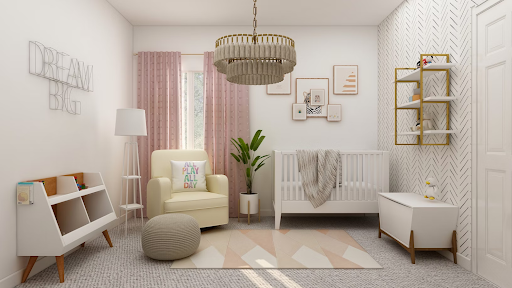
One of the first steps in setting up your nursery is deciding on a theme or color scheme. Whether you prefer a classic pastel palette or a bold, modern design, choosing a cohesive theme will help tie the room together and create a visually appealing space for your baby.
Once you have chosen a theme, it's time to select furniture and decor for the nursery. Essentials such as a crib, changing table, and dresser are key to consider, along with decorative elements like wall art, rugs, and curtains. Opt for both functional and stylish furniture.
Lastly, effective storage is essential for keeping your nursery organized and clutter-free. Invest in storage solutions such as baskets, bins, and shelves to keep diapers, wipes, and other essentials within easy reach. Use modern solutions such as ottomans and hidden storage if you must.
Creating a Safe Baby-Proof Environment
Before your baby arrives, take the time to identify and address potential hazards in your home. Common dangers include sharp corners, electrical outlets, and choking hazards such as small objects or loose cords. Conduct a thorough inspection of each room in your home and take steps to mitigate any risks.
Heavy furniture and fixtures pose a tipping hazard for curious toddlers. Secure your bookcases, dressers, and other tall furniture to the wall using anchors or braces to prevent them from tipping over. Use furniture corner guards to soften sharp edges and minimize the risk of injury.
Install baby gates at the top and bottom of stairs to prevent falls and ensure all cords and wires are securely out of reach. Safety gates and latches are essential for restricting access to hazardous areas of your home, such as staircases and rooms with potential dangers.
Safe and Comfortable Sleep Environment
Safety should be your top priority when choosing a crib for your baby. Look for cribs that follow safety standards and avoid models with drop-down sides, which can pose a risk to your baby. Also, select a firm mattress that fits snugly within the crib frame to reduce the risk of suffocation or Sudden Infant Death Syndrome (SIDS).
Proper crib placement is essential for creating a safe sleep environment for your baby. Position the crib away from windows, blinds, and cords to prevent accidents, and avoid placing it near heaters or radiators, which can pose a risk of overheating.
To help your baby sleep soundly:
Create a comfortable and soothing sleep environment in the nursery by keeping it neat all the time.
Use blackout curtains or shades to block out light, and maintain a comfortable room temperature between 68-72 degrees Fahrenheit.
Use a white noise machine or gentle music to help drown out household noises and promote better sleep for your little one.
Electrical Safety and Protection
Exposed electrical outlets pose a serious risk of electric shock for curious infants and toddlers. Install outlet covers or safety plugs to prevent your baby from inserting objects into the sockets. Choose tamper-resistant outlet covers that cannot be easily removed by small children.
Loose cords and wires are not only a tripping hazard but also pose a risk of strangulation or injury to your baby. Use cord organizers or cable clips to secure cords along walls and baseboards, keeping them out of reach of curious hands.
Additionally, avoid using extension cords whenever possible and keep cords for blinds and curtains out of your baby's reach. Blind and curtain cords present a strangulation hazard for young children, especially those under the age of five.
Stocking Up on Baby Essentials
Stock up on diapers and wipes in various sizes to accommodate your baby's changing needs. Consider purchasing disposable and cloth diapering options to see what works best for your family. Keep diaper rash cream and diaper pail liners on hand for easy cleanup.
Whether you plan to breastfeed or formula feed, having the right feeding supplies on hand is essential. Stock up on bottles, nipples, and formula if you intend to formula feed, or invest in a breast pump and milk storage bags if you plan to breastfeed.
Invest in baby-friendly toiletries and cleaning supplies to keep your little one clean and comfortable. Choose gentle, hypoallergenic baby wash, shampoo, lotion, soft washcloths, and towels for bath time. Additionally, stock up on baby-safe laundry detergent and cleaning products to keep your home clean and free of harsh chemicals.
Feeding and Diaper Changes Routine
Know your baby's hunger cues and feeding patterns to establish a successful feeding routine. Look for signs such as rooting, sucking motions, or hand-to-mouth movements, indicating that your baby is ready to eat. Offer your baby the breast or bottle whenever they show hunger cues, rather than waiting for a set feeding schedule.
While newborns may feed frequently, establishing a flexible feeding schedule can help provide structure and predictability for you and your baby. Aim to feed your baby every 2-3 hours day and night, adjusting the frequency and duration of feedings based on your baby's cues and needs.
Diaper changes are a frequent part of caring for a newborn, so having a routine can help streamline the process. Set up a designated diaper changing station with all the essentials within easy reach, including diapers, wipes, and diaper rash cream. Change your baby's diaper before or after each feeding and when they show discomfort or wetness.
Preparing Emotionally and Logistically for Parenthood
Open and honest communication with your partner is key to navigating parenthood's emotional ups and downs. Take the time to discuss your hopes, fears, and expectations for parenthood, and work together to create a support system that works for both of you.
Be patient and understanding with each other as you navigate this new chapter together. Don't be afraid to lean on friends and family for support during this exciting but challenging time. Reach out to loved ones for emotional support, practical assistance, or a listening ear when needed.
Taking care of yourself is essential for your well-being and ability to care for your baby. Make self-care a priority by prioritizing sleep, eating nutritious meals, and finding time for relaxation and rejuvenation. Practice stress management techniques such as deep breathing, meditation, or yoga to help alleviate feelings of anxiety or overwhelm.
Conclusion
As you prepare your home for the arrival of your little one, take comfort in knowing that you've done everything you can to create a safe, welcoming environment for your baby. From setting up the nursery to stocking up on baby essentials and preparing emotionally and logistically, you've taken proactive steps to ensure a smooth transition into parenthood. Embrace the excitement and anticipation of this new chapter in your life, knowing that you are ready to welcome your little one with open arms and hearts full of love.