

A resource for those seeking information on organizing and transforming spaces.
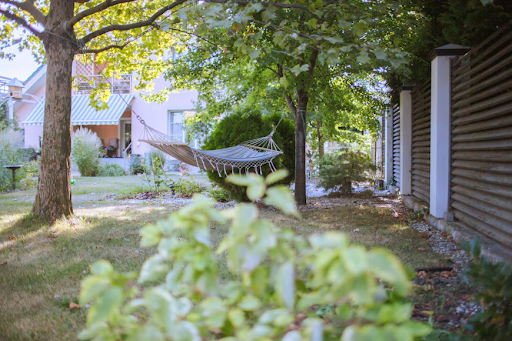
Creating a Serene Backyard Retreat
A backyard retreat works best when every feature supports the way you want to use the space. Clear walking paths, comfortable seating, and organized supplies can turn even a modest yard into a calm place for reading, dining, or spending time with family. Start with the basics, then add the details that make the area feel welcoming and easy to maintain.
We partnered with a home improvement company for this post. The opinions in the post are honest. All reviews and opinions expressed in this post are based on our personal views. We are excited because we know you will love it.
A backyard retreat works best when every feature supports the way you want to use the space. Clear walking paths, comfortable seating, and organized supplies can turn even a modest yard into a calm place for reading, dining, or spending time with family. Start with the basics, then add the details that make the area feel welcoming and easy to maintain.
Envision Your Outdoor Sanctuary
Decide what you want to do outside before buying furniture or starting a large project. A quiet reading corner may need one shaded chair and a small table, while an outdoor dining area requires level ground, lighting, and convenient access to the house. Sketch the yard and note existing shade, drainage patterns, and electrical outlets.
A few focused backyard sanctuary projects can help you identify realistic upgrades. Include pest prevention in this early plan too. Learning how to treat your yard for mosquitoes can help you choose a suitable DIY method before peak outdoor season arrives.
Smart Storage for Outdoor Items
Give every outdoor item a dry, accessible home. A weather-resistant deck box works well for cushions, small toys, and garden tools used each week. Place it close enough to the seating area for convenience without blocking a walkway. Larger items may fit better in a shed or covered storage cabinet.
Use labeled containers inside larger storage units so sunscreen, table linens, and outdoor games don’t become a mixed pile. Store frequently used items near the front and check containers each season for moisture. Hooks can hold hoses and lightweight tools off the ground, while a lidded bin keeps smaller accessories together. Good storage reduces visual clutter and makes cleanup after an evening outside much faster.
Design for Relaxation and Comfort
Choose furniture that fits both the available space and the people who use it. Before ordering a sectional or dining set, mark its dimensions on the ground with painter’s tape or string. Leave at least 3 feet of open space along main walking routes so guests can move comfortably.
Shade makes a major difference on warm afternoons. Consider a patio umbrella, pergola, or shade sail based on sun exposure and available mounting points. Outdoor cushions, a washable rug, and warm-toned lighting can soften hard surfaces. For more ideas, review this guide to a comfortable outdoor living space. A detailed backyard retreat design can also help you connect seating, planting, and activity zones.
Keep Unwanted Guests Away
Remove standing water at least once a week, including water collected in plant saucers, toys, tarps, and clogged gutters. Mosquitoes can develop in surprisingly small amounts of water, so a quick inspection after rain is useful. Refresh birdbaths regularly and keep rain barrels tightly covered.
Trim dense vegetation near patios to improve airflow and reduce damp resting areas. An outdoor fan can make a seating zone less appealing to flying insects while also keeping guests comfortable. If you use any yard treatment, read the full label and follow its directions for application, protective clothing, and reentry times. Store products in their original containers inside a locked cabinet that children and pets can’t access.
Enjoy Your Pest-Free Haven
A serene yard becomes easier to enjoy when its upkeep follows a simple routine. Spend 10 minutes each week returning cushions and supplies to storage, emptying collected water, and checking that lighting still works. Sweep food crumbs from dining areas soon after meals and keep trash containers closed.
Pay attention to when you use the retreat most often. If late-afternoon sun reaches the chairs, adjust the umbrella before your next gathering. If water repeatedly gathers in one low spot, improve drainage or move containers away from that area. These small observations help the space work better over time. Once the practical details are handled, settle into your favorite chair and let the backyard serve its purpose.

Turn Your Patio Into a Place You Actually Use After Dark
Most backyards have a season. Somewhere around the first cool evening, the outdoor furniture stops getting used, and it stays that way until spring.
Most backyards have a season. Somewhere around the first cool evening, the outdoor furniture stops getting used, and it stays that way until spring.
That is a lot of space sitting idle for a lot of the year. The frustrating part is that the temperature keeping everyone inside is often only a few degrees away from pleasant, which is a much smaller problem than it feels like from the kitchen window.
Getting More Evenings Out of the Year
Outdoor heating is really about the shoulder seasons.
Spring arrives with beautiful afternoons and evenings that turn sharp the moment the sun drops. Autumn does the same thing in reverse. Those months contain a great many evenings that would be perfect outside with a modest amount of warmth in the right place.
A well-placed heater turns those evenings into usable ones. People stay after dinner instead of drifting inside, and a patio stops being a summer feature and becomes part of the house.
Choosing Radiant Heat Over Blown Air
The reason outdoor heating works at all comes down to how it delivers warmth.
Heating outdoor air is futile, because the air simply moves away. Radiant heaters do something different. They warm people and surfaces directly, the same way sunlight feels warm on your face even on a cold day.
That distinction matters practically. Radiant warmth reaches you immediately rather than waiting for a space to come up to temperature, and it holds up in a breeze that would carry heated air away entirely.
It also explains why placement matters so much. Radiant heat travels in a direction, so a unit aimed at where people actually sit does far more than a more powerful one pointed at empty pavement.
Deciding Between Electric and Gas
Both work well, and the right answer depends on the space.
Electric units are compact, quiet, and produce no emissions, which makes them suitable for covered porches and enclosed spaces where combustion would be a problem. They mount close to a ceiling and disappear visually.
Gas delivers higher output, which is the better choice for open areas and for colder climates where the heater has more work to do. Wind resistance tends to be stronger as well.
Dealers such as PHD Outdoor Comfort, an authorized Bromic dealer specializing in permanent outdoor heating for residential and hospitality spaces, size systems to the actual patio rather than selling a unit and hoping it covers the area. Coverage is easy to underestimate, and an undersized installation is a disappointment that shows up on the first genuinely cold night.
Mounting configuration matters too. Ceiling, wall, and pendant options each suit different structures, and a pergola presents different constraints than a covered porch does.
Mounting Heaters Where They Disappear
The visual argument is the one most people underestimate.
Freestanding propane heaters are effective and they look like equipment. They occupy floor space, need refilling, and never quite belong in a designed outdoor room.
Permanently mounted units read as part of the architecture instead. Slim profiles, ceramic glass fronts, and stainless finishes sit quietly overhead, and once installed, most people stop noticing them entirely until the moment they are switched on.
Layering Warmth With Light
This is where heating becomes ambiance rather than utility.
Radiant elements produce a soft glow of their own, and that low warm light does something to a patio after dark that overhead fixtures never manage. Some pendant units combine heat with dimmable lighting in a single fixture, which handles both jobs from one clean mounting point.
Dimming is worth specifying. Being able to bring both heat and light down as the evening goes on is the difference between a functional patio and one people want to linger on.
Planning the Installation Properly
Permanent heating is an electrical or gas project, not a purchase.
Electric units frequently require dedicated circuits, and gas installations need a properly sized supply line. Both need clearances from combustible surfaces observed carefully, which is the sort of detail that gets overlooked and matters enormously.
Building this into a renovation while walls and ceilings are open is far simpler than retrofitting afterward. If a patio project is already being planned, that is the moment to have the conversation rather than a season later.

Homeowners’ Guide to Boosting Backyard Luxury
Many homeowners focus on upgrading the interior of their houses, but outdoor spaces deserve just as much attention. A well-designed outdoor area isn’t just for summer—it can be a year-round escape that adds value and enjoyment to your everyday life.
Many homeowners focus on upgrading the interior of their houses, but outdoor spaces deserve just as much attention. A well-designed outdoor area isn’t just for summer—it can be a year-round escape that adds value and enjoyment to your everyday life.
Small improvements can make a big difference if you want to relax, entertain, or enjoy a meal under the stars. This guide covers simple ways to turn your outdoor space into something stylish, functional, and truly inviting.
Focus on Comfortable Seating and Layout
Comfort starts with where you sit. Investing in quality outdoor furniture makes a space feel more inviting and encourages people to spend more time outside. Choose weather-resistant materials like aluminum, teak, or wicker that can stand up to sun and rain. Look for cushions made from fade-resistant fabrics, and don’t forget to include a table or side surface for convenience. Arranging your seating in a circular or conversational layout helps create a relaxed atmosphere for gatherings or quiet evenings.
Build a Temperature-Controlled Outdoor Swimming Pool
Water features are a major highlight in any outdoor space. But if the water is too cold, you’ll only use it for a few months each year. Keeping the water at a steady, comfortable temperature makes your pool more enjoyable throughout the seasons. That’s why many homeowners turn to temperature-controlled swimming pools that let them enjoy their pool all year round. If you’re looking for a reliable way to keep your swimming pool warm in the winter months, it’s worth checking out these pool heaters from Pentair. Known for fast heating, digital controls, and energy efficiency, they offer a smart way to enjoy your outdoor pool on cooler days. Their compact design also fits easily into most setups.
Add Shade and Shelter for All-Weather Use
Creating shade is key to making outdoor areas usable in both hot and rainy weather. Consider adding pergolas, retractable awnings, or shade sails to offer relief from direct sun. Install a canopy or covered patio to protect against unexpected rain for added comfort. These features help extend the use of your space and protect your furniture from fading or damage. Shade options come in many styles, so you can pick one that fits your layout and complements your design.
Upgrade Your Outdoor Lighting Scheme
Lighting helps define the look and function of your space once the sun sets. Use a mix of light types—path lights, wall-mounted fixtures, and string lights—for safety and style. Solar-powered lights are great for saving energy and are easy to install without wiring. For added convenience, consider motion-sensor lights or smart controls that can be operated from your phone. Proper lighting turns your outdoor area into a space you can enjoy any time, day or night.
Create Zones for Cooking and Dining
Separating your space into zones helps keep it organized and more enjoyable to use. A cooking area with a grill or outdoor kitchen setup lets you prepare meals without leaving the party. Add a dining area with a sturdy table and chairs to encourage guests to gather and eat together. Position your cooking and dining zones away from seating areas to avoid smoke or noise getting in the way of relaxation. These setups help make your space more functional and enjoyable for everyone.
Incorporate Greenery and Landscape Design
Adding plants and greenery brings life and texture to your outdoor area. The right landscaping softens hard surfaces and adds color, whether it’s flower beds, potted plants, or climbing vines. You don’t need a large space to make a big impact. Even a few well-placed planters can transform the feel of your setup. Choose low-maintenance plants suited to your climate for easier upkeep. You can also use tall shrubs or hedges to add natural privacy or define different sections within your space.
Invest in Smart Technology for Outdoor Living
Smart tech isn’t just for indoors. Adding smart features outside can make your setup easier to manage and more enjoyable. Devices like outdoor speakers, lighting systems, and even irrigation controls can now be run from your smartphone. You can also automate features like lighting or water temperature to save time and energy. Some systems even allow remote control of pumps and filters if you have a pool or hot tub. These upgrades make life more convenient and give your setup a modern, high-end touch.
Enhance Privacy with Fencing and Screens
Privacy plays a big role in how comfortable and relaxed you feel. If you’re overlooked by neighbors or close to the street, adding fencing or privacy screens can help. Options include wood slats, bamboo panels, or even outdoor curtains. Tall plants or trellises with vines also offer a natural way to create a sense of seclusion. When choosing your materials, think about both function and style—your privacy solution should blend well with the rest of your space and not feel too closed off.
Warm It Up with Fire Pits or Outdoor Fireplaces
Adding a fire feature creates warmth, both in temperature and atmosphere. Fire pits are popular because they come in many sizes and can be moved easily. Built-in outdoor fireplaces offer a more permanent, stylish touch. Gas models are cleaner and easier to use while wood-burning ones provide a classic look and feel. These features are great for evening gatherings, toasting marshmallows, or simply relaxing with a book. Just be sure to follow safety guidelines and keep a clear area around the fire source.
Keep It Clean with Storage and Organization
A tidy setup is easier to enjoy. Outdoor storage helps protect cushions, tools, and other items from the elements. Use storage benches, deck boxes, or cabinets to keep things organized. Having everything in its place also means less time setting up and more time relaxing. Look for options made from weather-resistant materials that match your décor. Keeping things neat will help your space feel more like an extension of your indoor living area.
Improving your outdoor space doesn’t have to mean starting from scratch. Thoughtful upgrades can make a big difference. With the right planning and a focus on comfort, your outdoor area can be just as inviting and functional as any room inside your home.

5 Essentials for a Beautiful, Low-Maintenance Yard
Creating a visually appealing yard doesn't have to mean endless hours of upkeep. With the right tools and additions, you can maintain a thriving, picturesque outdoor space while keeping maintenance to a minimum.
Creating a visually appealing yard doesn't have to mean endless hours of upkeep. With the right tools and additions, you can maintain a thriving, picturesque outdoor space while keeping maintenance to a minimum.
The key lies in choosing the right essentials that blend beauty with practicality. In this article, we’ll share five must-haves that will keep your yard looking gorgeous year-round with minimal effort. Read on!
Native Plants for Effortless Beauty
If you’re looking to reduce the upkeep of your garden, native plants are a must-have. These species are naturally suited to your local climate and soil, requiring less water, fertilizer, and care compared to exotic plants. Once established, native plants thrive with minimal intervention, making them ideal for busy homeowners.
Beyond their low-maintenance appeal, native plants also benefit the environment. They attract pollinators like bees and butterflies, fostering a healthy ecosystem in your backyard. Choose native flowers, shrubs, and grasses that align with your yard’s design for an effortlessly vibrant garden.
Efficient Sprinkler Systems for Healthy Lawns
A lush, green lawn begins with proper hydration. However, manually watering your yard is time-consuming and often inconsistent. Installing sprinkler systems, such as those from The Green House Nursery, ensures your lawn and plants receive optimal water at the right times.
These systems are designed to distribute water evenly across your yard, reducing waste and preventing overwatering. Most modern sprinkler systems often come with smart controls that can adapt to weather conditions, further minimizing your workload. By automating your watering routine, you’ll save time while keeping your yard vibrant and healthy year-round.
Mulch for Weed Control and Soil Health
Mulch is the unsung hero of low-maintenance landscaping. Applying a fresh layer of mulch around flower beds and trees not only boosts the visual appeal of your yard but also keeps weeds at bay. Mulch acts as a natural barrier, blocking sunlight from reaching weed seeds, which stops them from germinating.
Additionally, mulch helps retain soil moisture, providing your plants with consistent hydration while reducing the need for frequent watering. Organic mulches, like wood chips or bark, break down over time, enriching the soil with nutrients while keeping maintenance minimal.
Paver Walkways for Structure and Style
A well-planned paver walkway can completely transform your outdoor space. It creates a functional path while adding structure and style to your yard. Paver walkways also require little maintenance compared to gravel or grass paths that need constant attention.
To ensure a durable and appealing walkway, consult professional builders like Guaranteed Greener Grass. Experts can install pathways that stand up to heavy foot traffic and weather conditions while complementing your yard’s aesthetic. With their help and expertise, you can enjoy a thoughtfully designed walkway that not only elevates your space but also reduces wear and tear on your lawn.
Outdoor Lighting for Ambiance and Safety
Strategically placed outdoor lighting enhances both the safety and beauty of your yard. Energy-efficient options, such as solar or LED lights, require little maintenance and are easy to install. Use pathway lights to illuminate walkways, string lights for a cozy atmosphere, or spotlights to highlight architectural features or trees.
Not only does outdoor lighting add charm to your space, but it also improves security by deterring intruders. With minimal upkeep, you'll enjoy a yard that’s as welcoming at night as it is during the day.
A breathtaking yard doesn’t have to demand hours of backbreaking labor. By incorporating these five low-maintenance essentials, you’ll save time and effort while ensuring your outdoor space remains a source of pride.
Whether it’s installing a smart sprinkler system, choosing native plants, or laying durable paver walkways, small changes can make a lasting impact. Keep these tips in mind, and watch your yard bloom with ease. Happy landscaping!