

A resource for those seeking information on organizing and transforming spaces.

Grandkid-Proofing Your Home
Welcoming grandchildren into your home creates opportunities for memorable family moments, but it also introduces new safety considerations. Many homes are designed for adults, leaving everyday features that may present risks for young children. Taking time to prepare the living space helps create an environment where children can explore more safely while giving grandparents greater peace of mind.
Welcoming grandchildren into your home creates opportunities for memorable family moments, but it also introduces new safety considerations. Many homes are designed for adults, leaving everyday features that may present risks for young children. Taking time to prepare the living space helps create an environment where children can explore more safely while giving grandparents greater peace of mind.
Secure High-Risk Areas
Begin by identifying areas where accidents are most likely to occur. Kitchens, bathrooms, stairways, and garages deserve extra attention because they often contain sharp objects, cleaning products, medications, or slippery surfaces.
Install safety gates where appropriate, keep hazardous items in locked cabinets, and use non-slip mats in bathrooms. Furniture with sharp corners can also be fitted with protective guards to reduce the chance of injuries during active play.
Reduce Everyday Hazards
Children are naturally curious, making it important to secure items that adults may overlook. Anchor bookshelves and televisions to prevent tipping, cover unused electrical outlets, and keep cords out of reach whenever possible.
Smoke detectors and carbon monoxide alarms should be tested regularly to confirm they are working properly. Families completing electrical upgrades or adding child safety features may also consult licensed electricians to ensure home electrical systems continue meeting current safety standards.
Create Safe Play Spaces
A designated play area helps keep toys organized while reducing clutter in walkways. Choose age-appropriate toys and inspect them regularly for broken pieces that could create choking hazards.
Outdoor spaces deserve attention as well. Check fences, gates, decks, and playground equipment for signs of damage before children arrive. Removing tripping hazards from sidewalks and patios also helps create a safer environment for outdoor activities.
Prepare for Emergencies
Every household should have an emergency plan that all adults understand. Keep a well-stocked first aid kit in an easily accessible location and store emergency contact numbers where they can be found quickly.
If grandchildren visit frequently, learning basic first aid and CPR can provide additional confidence during unexpected situations. Reviewing emergency procedures with other caregivers also helps everyone respond consistently if an accident occurs.
Grandkid-proofing focuses on preventing common hazards while preserving a comfortable home for the entire family. Securing high-risk areas, reducing everyday dangers, creating dedicated play spaces, and preparing for emergencies all contribute to a safer environment. Look over the infographic below to learn more.


A Parent's Guide To Toy Safety: Protecting Your Child
With the abundance of toys available, ensuring the safety of your child's playthings is a top priority for parents. While most toys are safe, accidents can happen. By understanding potential hazards and taking proactive steps, you can create a secure play environment for your child. Child development experts and pediatricians emphasize the importance of toy safety, highlighting the potential risks associated with improper use and selection of toys. When implementing these safety measures, parents can significantly reduce the risk of injuries and ensure a safe playtime experience for their children.
With the abundance of toys available, ensuring the safety of your child's playthings is a top priority for parents. While most toys are safe, accidents can happen. By understanding potential hazards and taking proactive steps, you can create a secure play environment for your child. Child development experts and pediatricians emphasize the importance of toy safety, highlighting the potential risks associated with improper use and selection of toys. When implementing these safety measures, parents can significantly reduce the risk of injuries and ensure a safe playtime experience for their children.
Read Toy Labels Carefully
Before purchasing a toy, carefully examine the packaging and labels. Look for safety certifications from reputable organizations such as the American Society for Testing and Materials (ASTM) and the Consumer Product Safety Commission (CPSC). Avoid toys made with potentially toxic materials, and ensure that electric toys carry the UL approval mark.
Consider Your Child's Age and Development
Toy safety is closely linked to a child's age and developmental stage. Always adhere to the manufacturer's age recommendations. Small toys with detachable parts can pose choking hazards for young children. Loud toys can potentially damage a child's hearing, especially in infants and toddlers.
Inspect Toys Regularly
Even toys that meet safety standards can become hazardous over time. Regularly inspect toys for signs of wear and tear, such as broken parts or loose components. Discard any toys that show signs of damage or deterioration.
Stay Informed About Recalls
Stay updated on toy recalls issued by the CPSC. If you own a recalled toy, remove it from your child's environment immediately. Contact the manufacturer for instructions on returning the toy or obtaining a replacement. In cases of serious injuries caused by defective toys, consulting with lawyers for defective products can help protect your child's rights.
By following these guidelines and staying informed about toy safety, you can create a safe and enjoyable play environment for your child. Remember, prevention is key when it comes to protecting your child from toy-related injuries. To understand more, the resource below provides a visual overview along with safety tips. When parents take proactive steps to ensure toy safety, they can foster a sense of confidence and peace of mind while their children explore and grow through play.

Creating A Haven For The Senses: A Guide To Sensory-Friendly Homes
For individuals with Autism Spectrum Disorder (ASD), the world can be a place of overwhelming sensory experiences. Lights may seem brighter, sounds louder, and textures more irritating. This sensory overload can lead to anxiety, meltdowns, and difficulty functioning in daily life. Fortunately, creating a sensory-friendly home environment can significantly improve comfort, reduce stress, and promote overall well-being, fostering a space where they feel safe, secure, and able to thrive.
For individuals with Autism Spectrum Disorder (ASD), the world can be a place of overwhelming sensory experiences. Lights may seem brighter, sounds louder, and textures more irritating. This sensory overload can lead to anxiety, meltdowns, and difficulty functioning in daily life. Fortunately, creating a sensory-friendly home environment can significantly improve comfort, reduce stress, and promote overall well-being, fostering a space where they feel safe, secure, and able to thrive.
Understanding Sensory Needs
People with ASD experience sensory input differently. Some may be hypersensitive, meaning sights, sounds, and textures feel amplified. Others may be hyposensitive, seeking out stronger sensory experiences. The key to creating a sensory-friendly home lies in identifying the individual's specific sensitivities and tailoring the environment accordingly.
Building a Sensory Sanctuary
Imagine a space bathed in calming blue hues, where soft textures underfoot provide comfort, and strategically placed noise-absorbing materials create a tranquil atmosphere. This sensory haven can become a reality for your loved one with Autism Spectrum Disorder (ASD). This resource below explores design principles that cater to sensory needs, offering practical tips for transforming your home. Think dedicated activity zones that encourage focused play and strategic lighting that minimizes glare while providing ample illumination. You can create a space that fosters well-being and empowers your loved one to thrive through sensory regulation.
A Collaborative Effort
While the infographic offers valuable insights, it's important to remember that every individual with ASD is unique. Consulting with occupational therapists or autism therapeutic services can provide personalized guidance and support in crafting a sensory-friendly environment that fosters comfort, growth, and a sense of belonging.
Let's embark on a journey of creating a sensory sanctuary together! Explore the infographic to discover practical tips and strategies for transforming your home into a haven for the senses, empowering your loved one to thrive in a calming and supportive environment.
How to Child-Proof Your New Home Before Moving In
Moving into a new home is an exciting time for any family. But if you have little ones, safety is a paramount concern that can't be overlooked. Child-proofing your new home is an essential step to creating a safe and friendly environment for your children to explore and grow. This guide will provide you with a comprehensive plan to effectively child-proof your new home before moving in, ensuring peace of mind as your children embark on new adventures in their new surroundings.
Moving into a new home is an exciting time for any family. But if you have little ones, safety is a paramount concern that can't be overlooked. Child-proofing your new home is an essential step to creating a safe and friendly environment for your children to explore and grow. This guide will provide you with a comprehensive plan to effectively child-proof your new home before moving in, ensuring peace of mind as your children embark on new adventures in their new surroundings.
Storing Dangerous Items
One of the first things you should do before moving in is to gather all potentially dangerous items and store them out of reach or in secured cabinets. This includes cleaning products, sharp objects such as knives and scissors, medications, and any other hazardous materials. Consider installing child-proof locks on your cabinets for an added layer of security.
It's also a good idea to invest in child-proof containers for items like medications, which can be easily opened by curious little hands. The folks at https://everlastingsafes.com/pages/best-gun-safes note that a gun safe is a must-have for any household with firearms, especially with children around. Properly storing and securing dangerous items will greatly reduce the risk of accidents or injuries.
Living Area Safety
Your living room needs to be a safe place for play and relaxation. Cover all electrical outlets with safety caps and keep cords and blinds out of reach to prevent choking or strangulation. Secure tall furniture pieces like bookcases and TV stands to the wall to prevent them from tipping over.
When it comes to the fireplace, consider using a safety gate or a fireplace screen to keep children at a safe distance. Ensure that any small decorative items that could be a choking hazard are removed or kept out of reach.
As with the kitchen and bathroom, use corner guards on coffee tables, TV stands, or any other furniture with sharp edges. Always keep remote controls, batteries, and other small items that can be swallowed out of reach.
Securing the Kitchen
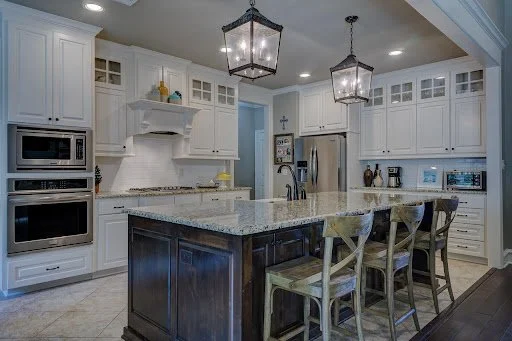
The kitchen can be a dangerous place for little explorers. Keep cleaning supplies, sharp utensils, and other hazardous items out of reach or locked away. Install safety latches on drawers and cabinets, and consider adding stove knob covers to prevent your child from accidentally turning on the burners.
Appliances like refrigerators, dishwashers, and ovens could potentially tip over if a child tries to climb on them. Secure these with appliance straps or anchor them to the wall. Don't forget to make sure garbage cans have child-resistant lids to keep curious hands out of harm's way.
For added precaution, use corner guards on sharp-edged furniture such as tables and chairs to prevent injuries. Install door and drawer pinch guards to prevent little fingers from getting caught. Remember to keep chairs and stools away from counters and stove tops to discourage climbing.
Baby-Proofing the Bathroom
Similar to the kitchen, the bathroom poses several risks to small children. Always keep the toilet lid closed, or better yet, install a toilet lock. Never leave your child unattended in a bath and ensure bath water is at a safe temperature.
Medicines, cosmetics, and other personal care products should be stored in a locked cabinet. Make sure to keep small items that can be easily swallowed like hairpins, razors, or toothpaste caps out of reach.
Remember to secure the bathroom door with a child-proof door knob cover to ensure your child cannot enter without adult supervision. Also, consider adding a non-slip mat to the bathtub and bathroom floor to prevent falls and injuries.
Making the Bedrooms Safe
In your children's bedrooms, ensure all furniture is sturdy and secure. Anchor heavy furniture, such as dressers and bookcases, to the wall to prevent them from toppling over. Avoid using drop-side cribs as they can pose a risk of injury.
Ensure windows have locks and limit how much they can be opened with window guards. Keep blind cords out of reach, and never place a crib or bed near a window.
Remove small toys, pillows, and blankets from cribs as they can pose a suffocation risk for younger children. For older children, ensure toys are age-appropriate and without small parts that can be a choking hazard.
Safeguarding the Garage and Garden
Garages and gardens can hold a multitude of dangers for small children. Keep all tools, garden equipment, and chemicals locked away. Ensure vehicles are always locked, and never leave your child unattended in a car.
Garden ponds or pools should be securely fenced off. Install self-locking gates to prevent children from wandering into potentially dangerous areas. Always supervise your child when they are playing outside.
Check outdoor play equipment regularly for wear and tear. Make sure they are securely anchored and have no sharp edges. Keep sandboxes covered when not in use to prevent animals from getting in.
In conclusion, child-proofing your new home before moving in is a crucial step to ensuring the safety of your children. By following these guidelines and constantly staying vigilant, you can create a safe and nurturing environment for your little ones to thrive in. Remember, accidents can happen at any time, but with proper precautions and preparation, you can greatly reduce the risk and provide peace of mind for you and your family.