

A resource for those seeking information on organizing and transforming spaces.
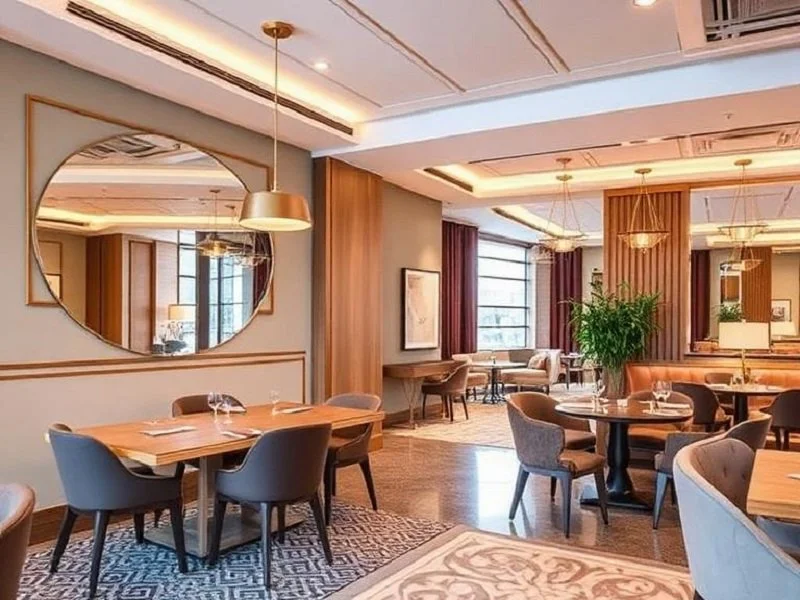
Hospitality Fitouts: Complete Guide to Designing Spaces That Impress & Perform
Have you ever walked into a café and instantly felt at home? Or perhaps you've stepped into a restaurant where something just fell off, even though you couldn't quite put your finger on it? What makes some hospitality venues absolutely magnetic while others struggle to attract repeat customers?
Have you ever walked into a café and instantly felt at home? Or perhaps you've stepped into a restaurant where something just fell off, even though you couldn't quite put your finger on it? What makes some hospitality venues absolutely magnetic while others struggle to attract repeat customers?
The answer often lies in the fitout. Your hospitality space is so much more than walls, floors, and furniture. It's the physical embodiment of your brand, the silent salesperson working around the clock, and the backdrop to countless customer memories. In Australia's competitive hospitality scene, getting your fitout right isn't just nice to have—it's absolutely essential for survival.
In this guide, we'll explore everything you need to know about hospitality fitouts. From understanding the basics and costs involved to navigating current design trends and avoiding common pitfalls, you'll walk away with a thorough understanding of how to create spaces that truly deliver results. Whether you're opening a new venue or refreshing an existing one, this is your roadmap to success.
What Is a Hospitality Fitout? Understanding the Basics
A hospitality fitout involves transforming an empty or existing space into a fully functional venue ready to welcome guests. This includes everything from structural modifications and electrical work to installing kitchen equipment, furniture, and decorative elements.
The Difference Between Fitouts, Refurbishments, and Renovations
These terms often get thrown around interchangeably, but they mean different things. A fitout typically starts with a bare shell and builds everything from scratch. A refurbishment updates existing elements without major structural changes—think new paint, furniture, or fixtures. Renovations involve more significant structural alterations to the building itself.
Types of Hospitality Spaces That Require Professional Fitouts
Professional fitouts are essential for cafés, restaurants, bars, hotels, pubs, nightclubs, and food courts. Each venue has unique requirements. A fine dining restaurant needs an entirely different approach compared to a casual beachside café or a bustling hotel lobby.
Why Do Hospitality Fitouts Matter for Business Success?
Your fitout directly impacts on your bottom line. It's that simple. But let's break down exactly why.
First Impressions and Brand Identity
Guests form opinions within seconds of entering your venue. Your fitout communicates your brand values, target market, and quality standards before a single word is spoken. A mismatched or poorly executed design creates doubt, while a cohesive aesthetic builds immediate trust.
The Link Between Interior Design and Customer Spending
Research consistently shows that thoughtfully designed spaces encourage customers to stay longer and spend more. Comfortable seating, appropriate lighting, and pleasant acoustics all contribute to an experience worth paying premium prices for.
Staff Efficiency and Operational Flow
A well-planned fitout makes your team's lives easier. When the bar is positioned correctly, when storage is accessible, and when service pathways flow naturally, everything runs more smoothly. This is due to faster service, happier staff, and ultimately, satisfied customers.
Key Elements of a Successful Hospitality Fitout
Getting your fitout right requires attention to multiple interconnected elements.
Space Planning and Layout Optimisation
Every square metre counts. Smart space planning balances customer capacity with comfort, ensures clear circulation paths, and maximises revenue-generating areas. Back-of-house spaces need equal attention—efficient kitchens and storage areas keep operations running seamlessly.
Lighting Design: Setting the Right Mood
Lighting transforms atmospheres. Natural light energises daytime venues, while warm ambient lighting creates intimacy for evening dining. Task lighting in service areas ensures staff can work effectively. The best designs layer multiple lighting types for flexibility throughout the day.
Material Selection for Durability and Aesthetics
Hospitality environments cop serious wear and tear. Materials must look stunning while withstanding constant use, spills, cleaning chemicals, and heavy foot traffic. Balancing durability with aesthetics requires careful consideration and often specialist advice.
Furniture and Fixtures That Balance Form and Function
Your furniture needs to support your service style, fit your space proportions, and withstand commercial use. Cheap domestic furniture rarely survives in hospitality settings. Investing in quality commercial-grade pieces pays dividends over time.
Acoustic Considerations for Guest Comfort
Nobody enjoys shouting over background noise. Acoustic design—through ceiling treatments, soft furnishings, and strategic layout—creates comfortable sound levels that encourage conversation and repeat visits.
How Much Does a Hospitality Fitout Cost in Australia?
Let's talk about numbers. Fitout costs vary enormously depending on your venue type, location, and finish level.
Factors That Influence Fitout Pricing
Key cost drivers include venue size, complexity of services (plumbing, electrical, gas), material quality, custom joinery requirements, kitchen equipment, and labour rates in your area. Heritage buildings or spaces requiring significant remediation work typically cost more.
Budget Breakdown: Cafés, Restaurants, Hotels, and Bars
As a rough guide, basic café fitouts might start around $1,500-$2,500 per square metre. Mid-range restaurants typically fall between $3,000-$5,000 per square metre. High-end venues and hotels can exceed $8,000 per square metre or more. These figures exclude furniture, kitchen equipment, and professional fees.
How to Get the Best Value Without Compromising Quality
Work with experienced fitout specialists who understand hospitality requirements. Get multiple detailed quotes, check references thoroughly, and be realistic about your budget from the start. Cutting corners on critical elements often costs more in the long run.
How Long Does a Hospitality Fitout Take?
Timing is critical when you're paying rent but not yet trading.
Typical Project Timelines by Venue Type
Small cafés might take 8-12 weeks from design to completion. Medium-sized restaurants typically require 12-20 weeks. Large venues and hotels can take six months or longer. These timelines assume smooth approvals and no major complications.
What Can Cause Delays and How to Avoid Them
Common delay culprits include slow council approvals, unexpected site conditions, supply chain issues, and design changes mid-project. Thorough planning, early engagement with authorities, and decisive decision-making help keep projects on track.
Current Hospitality Design Trends in Australia
Australian hospitality design continues to evolve, reflecting changing customer expectations and values.
Sustainable and Eco-Friendly Fitout Solutions
Sustainability isn't just trendy, it's increasingly expected. Recycled materials, energy-efficient systems, and waste-reducing designs appeal to environmentally conscious customers while often reducing operating costs.
Biophilic Design: Bringing Nature Indoors
Plants, natural materials, water features, and natural light create calming environments that guests love. Biophilic design improves wellbeing and creates Instagram-worthy backdrops that generate free marketing.
Flexible and Multi-Use Spaces
Venues that can adapt for different purposes throughout the day—from morning coffee to evening cocktails—maximise revenue potential. Moveable furniture, adjustable lighting, and clever zoning support this flexibility.
Local and Indigenous Design Influences
Australian venues increasingly celebrate local identity through Indigenous artwork, native materials, and regional design references. This creates authentic experiences that resonate with domestic and international visitors alike.
Choosing the Right Hospitality Fitout Company
Your fitout partner significantly impacts your project's success.
What to Look for in a Fitout Specialist
Seek companies with proven hospitality experience, strong portfolios of completed venues, and positive client testimonials. They should understand compliance requirements, have established supplier relationships, and communicate clearly throughout the process.
Questions to Ask Before Signing a Contract
Ask about their experience with similar venues, typical timelines, how they handle variations, their approach to project management, and who specifically will manage your project. Request references and actually call them.
Red Flags to Watch Out For
Beware of quotes significantly lower than competitors, reluctance to provide references, vague timelines, and poor communication during the quoting stage. If they're difficult to reach before signing, imagine how they'll be during construction.
Common Hospitality Fitout Mistakes and How to Avoid Them
Learn from others' expensive errors.
Underestimating Budget and Timeline
Add contingency—typically 10-15%—for unexpected costs. Build buffer time into your opening plans. Rushing to open before the fitout is properly complete creates ongoing headaches.
Ignoring Workflow and Back-of-House Needs
Beautiful front-of-house areas mean nothing if your kitchen is dysfunctional. Ensure adequate storage, logical service flows, and comfortable staff areas. Your team works there every day.
Choosing Style Over Substance
Trendy design choices can date quickly. Prioritise timeless quality and practical functionality over fleeting fashions. Your fitout should remain relevant for years, not months.
Do You Need Council Approval for a Hospitality Fitout?
Short answer: almost certainly yes.
Understanding Australian Building Codes and Permits
Hospitality venues require development applications, building permits, food premises registrations, and potentially liquor licensing approvals. Requirements vary by state and local council. Non-compliance can result in costly delays or forced modifications.
Working with Certifiers and Local Authorities
Engage early with relevant authorities to understand requirements. Many fitout companies include approvals management in their services, streamlining this often complex process.
Creating Hospitality Spaces That Deliver Results
Your hospitality fitout represents one of the biggest investments you'll make in your business. Getting it right requires careful planning, experienced partners, realistic budgets, and a clear understanding of your brand and customers.
The most successful venues balance stunning aesthetics with practical functionality. They create memorable first impressions while supporting efficient operations. They reflect current design trends without sacrificing timeless appeal.Whether you're launching a new venture or refreshing an existing space, take the time to get your fitout right.
To ensure long-term success, consider working with professionals who specialise in hospitality fitout in Melbourne, helping you create spaces that balance design and functionality.
The effort you invest now will pay dividends for years to come—through increased customer satisfaction, improved staff efficiency, and a stronger bottom line. Your space should work as hard as you do—make sure it's set up for success.
Bold Design Statements: Unique Designs for Your Home
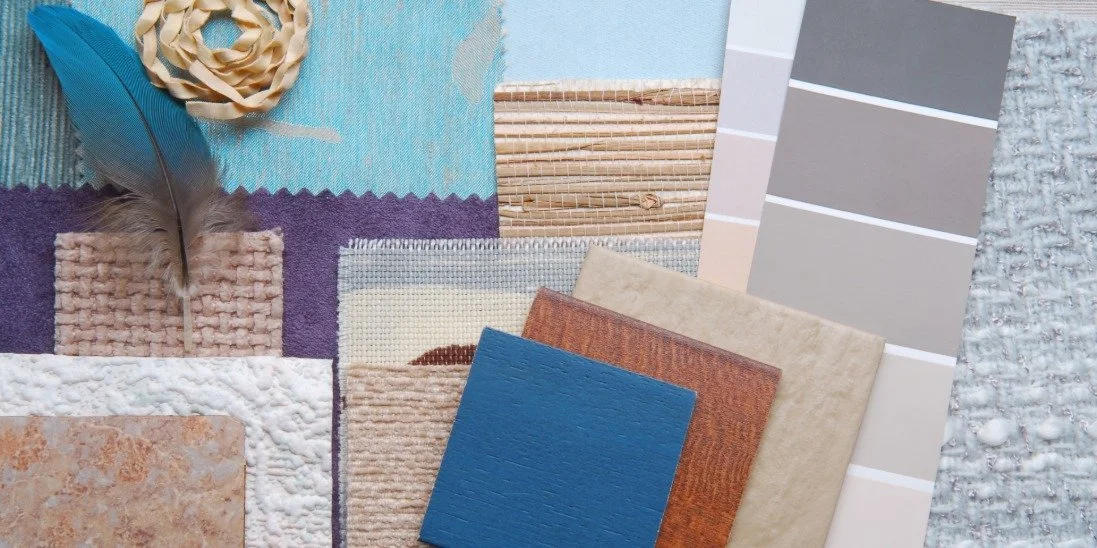
Make bold design statements with unique home décor ideas, eye-catching tile options, and creative features that transform every room into a standout space.
Creating a home that feels memorable and personal often comes down to bold design choices. While neutral palettes and minimalist trends have their place, unique design statements can bring character, energy, and individuality into your living space. Whether you are renovating a single room or reimagining your entire home, incorporating bold design statements and unique designs for your home can turn ordinary interiors into unforgettable environments.
Embracing Statement Pieces
One of the simplest ways to introduce bold design into your home is through statement pieces. This could be a vibrant velvet sofa in a jewel tone, an oversized piece of abstract art, or a sculptural light fixture that commands attention. Statement pieces act as focal points, anchoring a room and setting the tone for the overall design.
When choosing a standout item, consider balance. A bold centerpiece works best when the surrounding décor complements rather than competes with it. Neutral walls can make a colorful couch pop, while understated furnishings can allow a dramatic chandelier to shine. The goal is to create visual harmony while still letting your personality take center stage.
Playing with Color and Contrast
Color is one of the most powerful tools in bold home design. Deep navy walls, emerald green cabinetry, or even a dramatic black accent wall can transform a space from plain to striking. For those who prefer lighter tones, contrast can be just as impactful. Pairing light and dark shades, mixing matte and glossy finishes, or combining modern and rustic materials can add dimension and intrigue.
Do not be afraid to experiment with unexpected combinations. Mustard and charcoal, blush and forest green, or terracotta and teal can create a sophisticated yet adventurous look. The key is confidence. When colors are chosen intentionally and repeated subtly throughout the room, the result feels cohesive rather than chaotic.
Tile Design Options That Stand Out
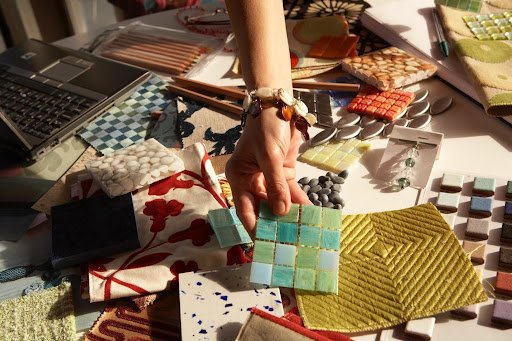
Tile offers endless possibilities for making a bold statement in kitchens, bathrooms, and even living spaces. From geometric patterns to textured finishes, tile can serve as both a functional surface and a striking design feature. Large-format tiles create a sleek, contemporary feel, while intricate mosaic patterns add artistic flair.
Patterned encaustic tiles can bring personality to a bathroom floor, while a dramatic backsplash with high-contrast grout can become the centerpiece of a kitchen. For a truly unique approach, consider the different and unique patterns of Zellige tiles.
Mixing Materials and Textures
Another way to create a bold design statement is by layering materials and textures. Combining wood, metal, glass, and stone can produce a rich, multidimensional aesthetic. For example, pairing reclaimed wood beams with sleek marble countertops balances rustic charm with modern elegance.
Texture plays an equally important role. Plush rugs, woven wall hangings, and textured wallpaper add warmth and character. Even subtle changes, like incorporating fluted cabinetry or ribbed glass panels, can elevate a space. The interplay of smooth and rough surfaces keeps the eye engaged and makes the room feel thoughtfully curated.
Personalizing with Artistic Touches
Ultimately, bold design is about expressing who you are. Incorporating custom artwork, handcrafted furniture, or meaningful décor pieces ensures your home reflects your story. Gallery walls filled with personal photographs or curated art collections can add depth and individuality.
Bold design statements do not require overwhelming every corner of your home. Instead, they rely on intentional choices that reflect confidence and creativity. By embracing statement pieces, experimenting with color, exploring unique tile options, layering textures, and adding personal touches, you can create a home that feels distinctive, dynamic, and unmistakably yours.
How To Use Exposed Posts and Beams as Your Primary Interior Design Element
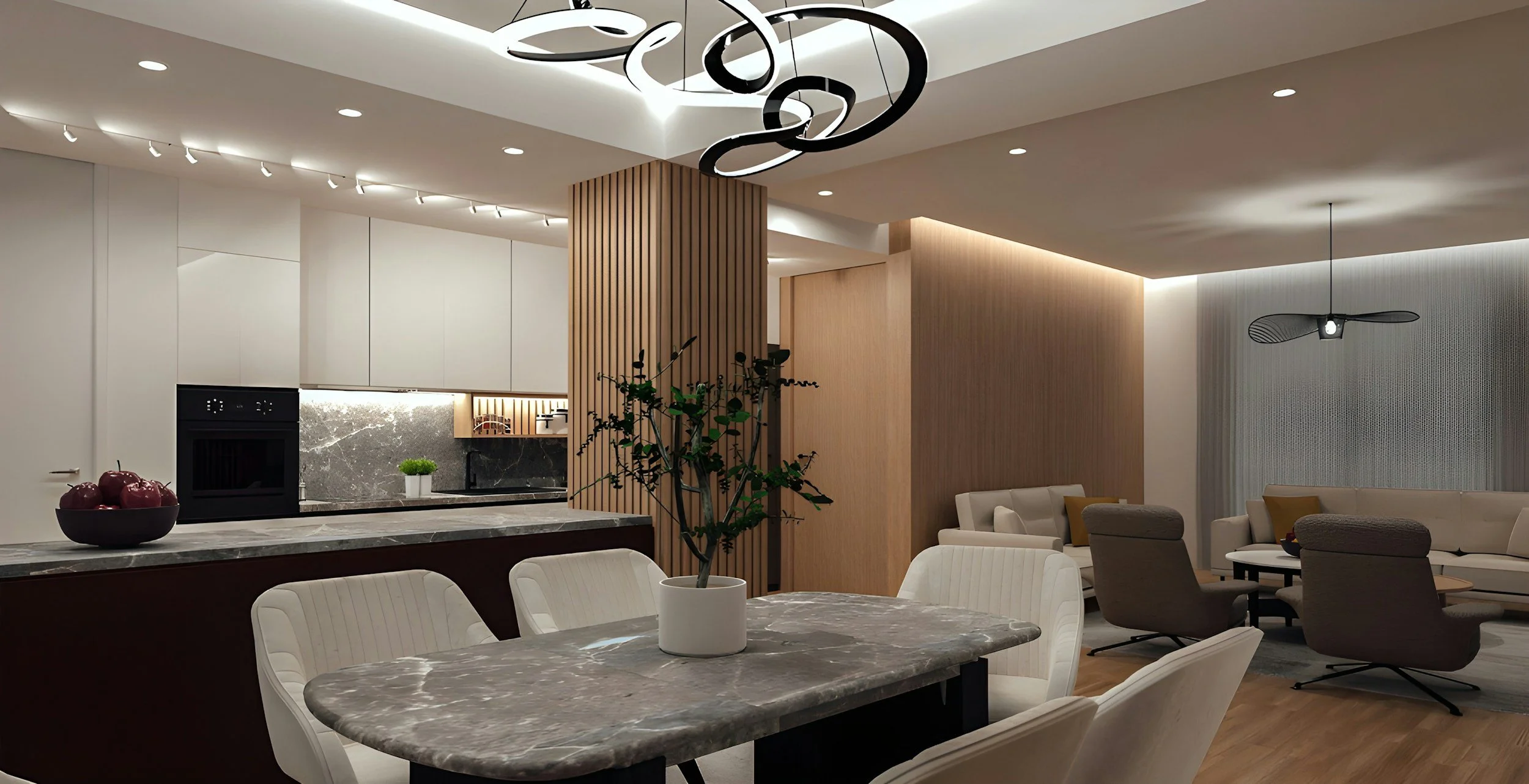
Exposed posts and beams feature prominently in modern design. When you look at inspirational pictures of modern decor, you’ll almost certainly see at least one example. This aesthetic has found its way into a variety of interior design styles, from rustic to minimalist. Whether you have a home with exposed timber that you need to design around, or you’re looking to build a home with such features, you’ll need a good plan. Use these ideas to help you find a theme, colors, and features that showcase the beauty of exposed posts and beams.
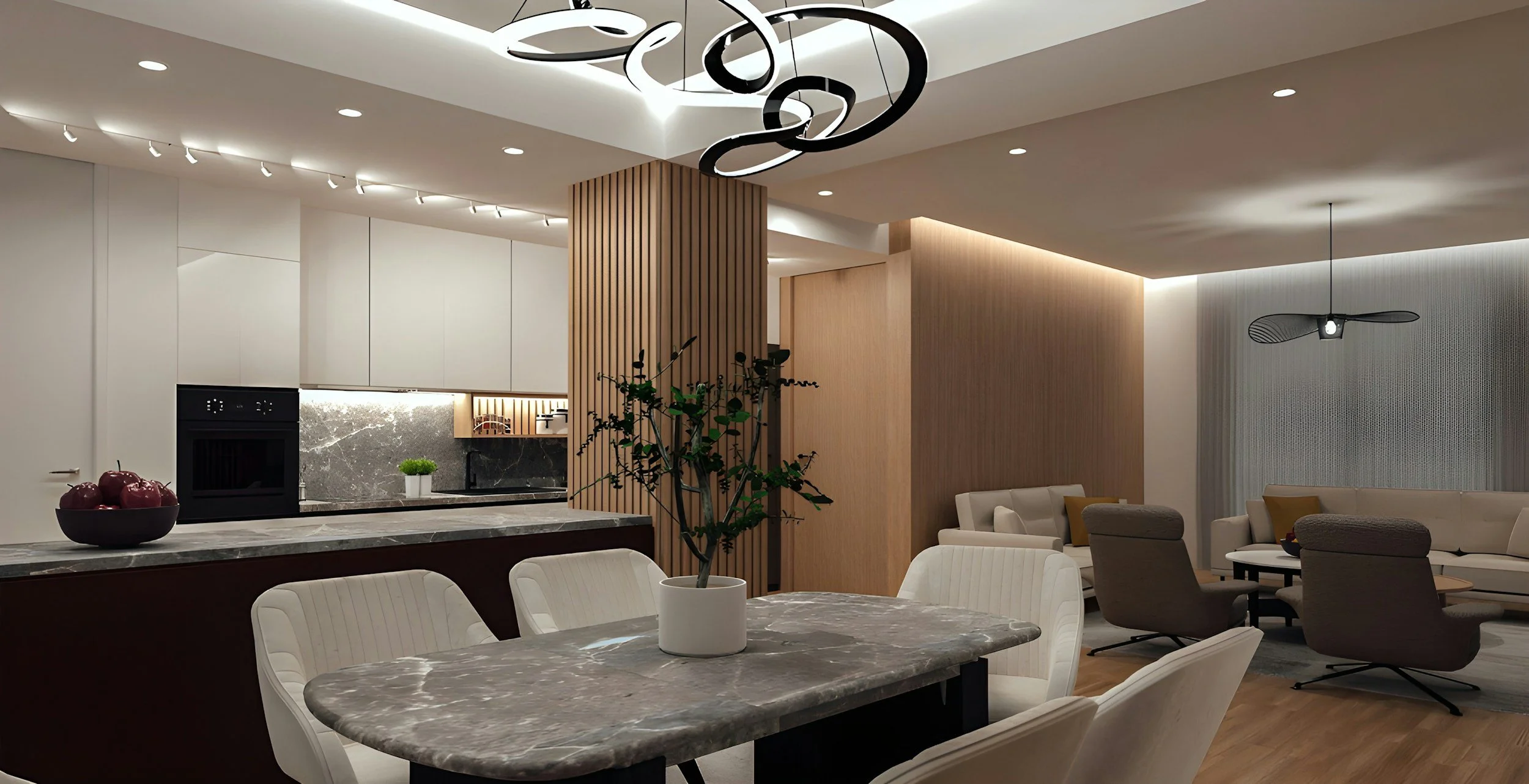
Exposed posts and beams feature prominently in modern design. When you look at inspirational pictures of modern decor, you’ll almost certainly see at least one example. This aesthetic has found its way into a variety of interior design styles, from rustic to minimalist. Whether you have a home with exposed timber that you need to design around, or you’re looking to build a home with such features, you’ll need a good plan. Use these ideas to help you find a theme, colors, and features that showcase the beauty of exposed posts and beams.
Select a Cohesive Theme
Although you can fit exposed timber into almost any aesthetic, it’s important to choose a cohesive theme to go with it. Exposed beams tend to draw attention, much like a grand staircase. Think about the ways that you plan to use the space, and then come up with a few ideas. Do you want to lean into the warm, rustic charm, or incorporate brick and metal accents to go along with an urban industrial style? Make sure you have the theme in place before you go shopping for décor and furniture. That way, you can be sure that everything you choose will feel like it belongs in the room.
Follow the Natural Lines
Whether you ask your timber frame architects to expose the beams and posts as part of the home design process, or you choose to expose them as part of a renovation project, you’ll need to follow the natural lines. That’s the difference between incorporating existing design elements from the home structure and adding to the existing flow of the space. This design approach generally means that you should pick one direction for beams to follow, typically the layout of the existing frame. Longer beams help maintain an open feel, while shorter beams can help divide the space.
Choose an Engaging Color Palette
With exposed timber, you may choose to accentuate it or help it to blend in with the room décor. In most cases, you’ll probably want to select a contrasting palette to help the beams and posts stand out. White is a popular choice, especially for minimalist designs. White helps to make the beams a focal point as the major source of color on the walls and ceiling. You may choose to paint the beams the same color as the ceiling, but you’d need to incorporate lighting and other methods to call attention to them.
Illuminate Key Features
For such a striking feature in the room, you definitely need the right lighting. Room lighting should provide effective illumination for the tasks you might engage in while you’re there, but you can also use accent lighting to emphasize the room’s key features. Consider installing spotlights that point upward, toward the exposed beams. This approach will create moderate illumination for the room that avoids glare while creating a track that the eye can easily follow to see the ceiling.
Incorporate Natural Wood Accents
To keep the exposed timber from standing out too much, you may want to consider incorporating natural wood accents into the room. Look at the post-treatment colors of the posts and beams, and choose a type of wood that you can put in the room as a unifying accent. For example, you might pick a dining table with similar wood, or a coffee table with the same stain. Add a few coordinating pillows or decorative accents can emphasize the cohesiveness of the space without detracting from the beauty of the timber.
If you’re eager to incorporate exposed timber into your home design, you’re not alone. This design element fits into a variety of themes, and with good upkeep, you can enjoy it for decades. Focus on choosing the right theme, color palette, lighting, and accents. That way, you’ll have a space that feels perfectly natural, functional, and unified.
Sources reviewed
https://renoquotes.com/en/blog/exposed-ceiling-beams
https://www.thespruce.com/decorative-ceiling-beams-ideas-7499063
https://www.suzieandersonhome.com/a/blog/the-complete-guide-to-urban-industrial-style-interior-decorating
Nature At Home: Biophilic Touchpoints That Transform Interiors
Biophilic design focuses on strengthening the connection between people and nature within built environments. In home interiors, this approach is less about dramatic statements and more about thoughtful touchpoints that quietly improve comfort, mood, and daily experience. By integrating natural elements in practical ways, homeowners can create spaces that feel grounded and restorative without sacrificing function or style.
Biophilic design focuses on strengthening the connection between people and nature within built environments. In home interiors, this approach is less about dramatic statements and more about thoughtful touchpoints that quietly improve comfort, mood, and daily experience. By integrating natural elements in practical ways, homeowners can create spaces that feel grounded and restorative without sacrificing function or style.
Natural Materials as Everyday Anchors
Wood, stone, clay, and natural fibers form the foundation of biophilic interiors. Exposed wood beams, hardwood flooring, or stone countertops introduce visual warmth and tactile interest. These materials age gracefully, developing character over time rather than appearing worn. Even small additions like linen upholstery, jute rugs, or ceramic accessories can reinforce a sense of material honesty throughout the home.
Daylight as a Design Driver
Access to natural light is one of the most impactful biophilic touchpoints. Large windows, clerestory glazing, and glass doors support circadian rhythms while reducing reliance on artificial lighting. Sheer window treatments allow daylight to diffuse without sacrificing privacy. Thoughtful orientation, often considered during the development of semi-custom home floor plans, helps maximize light penetration across shared living spaces.
Plants as Living Infrastructure
Indoor plants serve both aesthetic and environmental roles. Beyond visual appeal, they support humidity regulation and air quality. Placement matters more than volume. A tall plant in a corner can soften hard edges, while herbs in a kitchen window reinforce daily interaction with living elements. Consistency across rooms creates a subtle rhythm rather than a decorative afterthought.
Nature-Inspired Patterns and Colors
Biophilic design also extends to visual references. Organic patterns, muted earth tones, and textures inspired by leaves, water, or terrain can be integrated through textiles, wall finishes, and artwork. These elements provide visual continuity with the outdoors, especially in urban or colder climates where direct access to nature may be limited.
Sensory Variety and Movement
Nature is dynamic, and interiors benefit from variation. Operable windows that allow fresh air, water features that introduce gentle sound, or textured surfaces that invite touch add layers of sensory engagement. These details contribute to spaces that feel alive rather than static.
Biophilic touchpoints do not require a complete redesign. Small, intentional choices layered over time can reshape how a home feels and functions. Look over the infographic below for more tips and tricks.
