

A resource for those seeking information on organizing and transforming spaces.
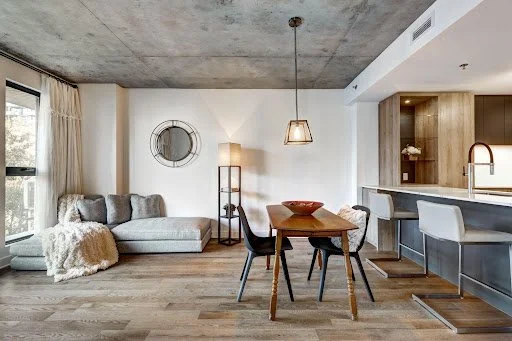
Downsizing Your Home: A Practical Guide for Empty Nesters
When the kids leave home, a large house can feel like extra upkeep you no longer need. Downsizing offers a way to reduce costs, simplify your daily routine, and unlock equity for your next chapter. Whether you plan to travel more, focus on hobbies, or cut back on maintenance, a smaller home can suit your current lifestyle.
When the kids leave home, a large house can feel like extra upkeep you no longer need. Downsizing offers a way to reduce costs, simplify your daily routine, and unlock equity for your next chapter. Whether you plan to travel more, focus on hobbies, or cut back on maintenance, a smaller home can suit your current lifestyle.
In this guide, you will discover downsizing tips for empty nesters on how to:
• Spot the signs that it’s time to move on
• Create a realistic timeline and plan for aging in place
• Sort and declutter your belongings room by room
• Estimate moving expenses and use home equity wisely
• Compare property types and find the right community
• Organize a smooth packing and moving process
• Style a compact space for maximum comfort
Ready to see if downsizing is the right move? Let’s start by exploring why and when empty nesters choose to downsize their homes.
Why and When to Downsize
Empty nesters often find that a large family home no longer fits their lifestyle or goals. Downsizing offers both practical and emotional benefits. This section provides empty nesters downsizing tips by highlighting key reasons and signs that it may be time to move.
Financial Benefits
Moving to a smaller home can lower mortgage payments, property taxes, and utility bills. Selling a large house also frees equity to boost retirement funds, travel, or other plans. Reduced maintenance costs add up over time.
Lifestyle and Emotional Gains
Smaller, easier-to-manage spaces save time on chores and upkeep. That extra time can go toward hobbies, social activities, and travel. Decluttering can reduce stress, sharpen focus, and improve sleep. A simplified home also feels more welcoming for spontaneous gatherings.
Timing Considerations
The empty nest milestone, when children move out, is a natural trigger to reassess space needs. Emotional readiness plays a role, as honoring memories while making room for new priorities helps ease the transition.
Experts recommend starting decluttering and planning six months to two years before a move to avoid last-minute pressure. Many empty nesters say they wish they had downsized earlier, so watch for signs of underused space and rising upkeep burdens.
Planning and Future-Proofing Your Move
Setting realistic timelines
Experts suggest beginning the downsizing process 1 to 2 years before your target move date. Sell or remove excess furniture 6 to 9 months before listing. Create a month-by-month plan that breaks down tasks such as:
• Sorting belongings room by room
• Packing and labeling boxes by room or function
• Setting aside an “open first” box with essentials
• Scheduling movers or DIY transport
• Allowing buffer days for delays and final walkthroughs
Assessing aging-in-place features
Choose a single-level layout with zero-step entryways and wider doorways to support mobility. Plan for lever-style door handles, reinforced walls for grab bars, and non-slip flooring. These features add safety and comfort as your needs evolve.
Evaluating future needs
Reflect on your daily routines to decide how many bedrooms and bathrooms you actually use. Design multi-purpose spaces, for example, a guest room that doubles as an office. Prioritize built-in cabinetry and vertical shelving to maximize storage and adapt to changing lifestyles.
Decluttering and Categorizing Your Belongings
A clear plan keeps the process on track and reduces stress. Aim to begin 12 to 24 months before your move. The first step is a detailed inventory to guide your sorting decisions.
Inventory and categorization
Create a list of items in each room and note what you plan to keep. Check if each furniture piece fits your new space. Sort everything into keep, donate, sell, or discard. Sell large items six to nine months before listing to stage the home and find buyers.
Room-by-room strategy
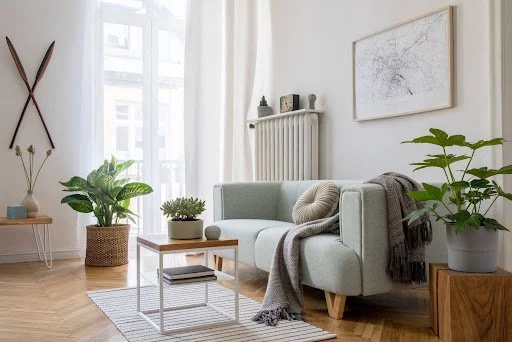
Work through your home in a set order to build momentum. A suggested sequence is: vehicle, living room, bedroom, closet, bathroom, kitchen, home office, guest spaces, and storage areas. Focus on one room at a time and complete sorting before moving on.
Piling method
• Keep: essentials and space-friendly items
• Donate: good-condition pieces
• Discard: broken or unusable objects
Managing sentimental items
Tackle keepsakes last. Reviewing these with a clear head avoids decision fatigue. Photograph or digitize items you cannot part with. Set a limit on how many you keep to honor memories while saving space.
Financial and Practical Considerations
Moving to a smaller home affects your budget now and later. Outline key costs, tap into home equity wisely, and plan for ongoing fees to avoid surprises.
Check yourcredit score early on to determine what mortgage terms or home equity loan rates you may qualify for. Draft a detailed spreadsheet to track all line items and update it as estimates firm up. Review your budget at each planning milestone to stay on track.
Budgeting your move
• Obtain multiple moving quotes and compare services
• Account for packing supplies, labor, or professional packers
• Factor in short-term storage if needed
• Include realtor commissions and closing costs
• Build in a 10 percent contingency fund for unexpected fees
Equity and tax considerations
Calculate net sale proceeds by subtracting your remaining mortgage balance, selling costs, and taxes from your sale price.
Remember the IRS allows up to $250,000 of capital gains exclusion for single filers and $500,000 for joint filers if you meet the two-out-of-five-year residency rule.
Consult a tax advisor to explore strategies like timing your sale or qualifying for primary residence exemptions.
Maintenance and ongoing costs
• Compare utility rates and estimate monthly bills
• Review insurance premiums and property tax changes
• If you join an HOA, study fee schedules and reserve fund policies
• Set aside at least 1 percent of the new home’s value annually for repairs
• Maintain an emergency fund to cover unexpected maintenance
Choosing Your Next Home
Selecting a downsized home means balancing comfort, costs, and lifestyle. Focus on property type, access needs, and upkeep to find a fit that supports your goals.
Comparing Home Types
Condos and townhomes simplify life with shared maintenance, giving you more time for hobbies and travel. They often feature pools, fitness centers, and lock-and-leave security. HOA fees vary, so factor in monthly dues.
55+ communities cater to mature residents with organized activities, clubhouses, and enhanced safety measures. These neighborhoods foster social ties but may restrict younger guests.
Single-story houses deliver privacy and outdoor space without shared walls. You can customize both interior and exterior, though yard care and repairs become your responsibility.
Accessibility and Maintenance
Plan for aging in place by choosing single-level floor plans, step-free entryways, and wider doorways. Condos and 55+ communities often cover exterior upkeep, snow removal, and landscaping in HOA fees. In a single-family home, budget for annual maintenance and emergency repairs. Set aside at least 1 percent of your home’s value each year.
Location and Community Factors
Prioritize walkability, transit access, and proximity to healthcare services. Check neighborhood safety ratings and nearby social clubs or volunteer opportunities. A supportive community enhances both convenience and quality of life as you settle into your next chapter.
Streamlining Your Move
Moving day runs more smoothly when you streamline each step. Use the following strategies to plan packing, schedule services, and choose the right movers.
Packing and labeling tips
• Color-code boxes by room (e.g., red for kitchen, blue for bedroom)
• Write contents and destination on each label
• Pack fragile items in sturdy boxes with cushioning
• Reserve an "open first" box with essentials: toiletries, chargers, basic tools
Logistics and scheduling
Plan utility transfers at least two weeks before move day. Schedule shut-off and activation dates for electricity, water, internet, and phone. Arrange mail forwarding with the postal service. Confirm elevator or parking permits for movers. Create a move-day timeline assigning tasks like loading, cleaning, and the final walkthrough.
DIY vs professional movers
DIY moves cut costs but require more time and muscle. Professional movers handle heavy lifting and offer insurance but add to expenses. Consider hybrid options: hire pros for bulky items and move smaller boxes yourself. Request binding estimates from at least two companies and verify online reviews before booking.
Optimizing and Styling Smaller Spaces
Downsizing does not mean sacrificing style or comfort. With the right choices, a compact home can feel open, organized, and inviting.
Multifunctional Furniture
Choose pieces that serve more than one purpose:
• Storage ottomans or benches
• Sofa beds or daybeds
• Expandable dining tables
Properly scaled furniture prevents overcrowding and keeps pathways clear. A guest room can double as a home office with a fold-down desk.
Maximizing Storage
Use built-in and hidden solutions:
• Under-bed drawers and closet organizers
• Ceiling-height shelves and wall-mounted hooks
• Woven baskets or decorative bins for quick cleanup
These ideas leverage vertical space and under-furniture areas to reduce visible clutter.
Design and Color Techniques
Light paint colors and glossy finishes reflect natural light. Strategically placed mirrors open sightlines. A cohesive palette across walls, rugs, and accessories unifies the space. Keep surfaces clear to enhance flow and maintain an airy feel.
Conclusion
Downsizing your home as an empty nester is more than a move to a smaller space. It is an opportunity to align your living environment with your current lifestyle, financial goals, and long-term needs. By following the steps in this guide, you can navigate each phase of the process with confidence.
Key takeaways:
• Recognize the signs that it is time to downsize, from underused rooms to rising upkeep costs
• Build a realistic timeline and factor in aging-in-place features for future comfort
• Declutter methodically using room-by-room sorting and manage sentimental items last
• Plan your budget carefully, tap into home equity wisely, and allow for ongoing expenses
• Compare home types, prioritize accessibility, and choose communities that match your lifestyle
• Streamline the move with clear packing, logistics planning, and the right mix of DIY and professional help
• Style your new space using multifunctionalfurniture, smart storage, and light-enhancing design techniques
Keep these empty nesters downsizing tips on hand to guide each step of your transition.
Sara Young

Sarah Young holds a Bachelor's in Marketing Communications from California Lutheran University. She enjoys running her website glitternglue.com where she can share her own and others' thoughts on lifestyle tips! During her spare time, she enjoys going to the beach with her dog or painting nature murals.

Empty Nest, Right-Sized Life: A Downsizing Guide For Baby Boomers
For many empty nesters, the echoes bouncing off once-bustling hallways can be a bittersweet reminder of a different era. With children venturing out on their own paths, the sprawling family home that once held so much joy can begin to feel like a burden. Downsizing, often referred to as "right-sizing" for retirement, presents an exciting opportunity to tailor your living space to your current needs and aspirations.
For many empty nesters, the echoes bouncing off once-bustling hallways can be a bittersweet reminder of a different era. With children venturing out on their own paths, the sprawling family home that once held so much joy can begin to feel like a burden. Downsizing, often referred to as "right-sizing" for retirement, presents an exciting opportunity to tailor your living space to your current needs and aspirations.
Why Downsize?
The decision to downsize is driven by a multitude of factors. The freedom from the demands of raising a family allows empty nesters to reimagine their living situation. Financial considerations, such as reduced income and the desire to free up capital, also play a significant role. Many retirees crave a simpler lifestyle, one that prioritizes low-maintenance living and fosters a stronger sense of community.
Planning for a Smooth Transition
Downsizing doesn't have to be an overwhelming process. Starting early allows for a gradual decluttering process, a crucial step in determining the ideal size and layout for your new home. Carefully consider your future lifestyle. Understanding your preferences will guide you in your search for the perfect downsizing location.
The Downsizing Landscape
For empty nesters, navigating the local real estate market requires a keen understanding of the downsizing landscape. Consulting with experienced real estate agents familiar with the downsizing trends can be invaluable. Their expertise can streamline the search process and ensure you find a home that aligns with your budget and vision. It’s also a great time to explore movers in your area. For instance, moving services in Boston, Dallas, or wherever you’re interested in moving to.
Downsizing isn't just about square footage; it's about creating a lifestyle that fosters your golden years. The accompanying infographic delves deeper into key strategies for a smooth and successful downsizing journey. Remember, downsizing presents an opportunity to embrace new hobbies, explore new communities, and craft a future filled with purpose and joy.

Guest Post - Create Your Next Chapter: Remodeling Tips for Empty Nesters
When children spread their newly-adult wings and leave the nest, you may experience strong, conflicting feelings as you feel a sudden new quiet in your home. While you’re excited for your children as they craft their own lives, you’ll find a shift in both your daily activities and your living space. While your home will always be their home, you can experience joy by renovating vacated spaces like bedrooms into something special as you transform your new life.

When children spread their newly-adult wings and leave the nest, you may experience strong, conflicting feelings as you feel a sudden new quiet in your home. While you’re excited for your children as they craft their own lives, you’ll find a shift in both your daily activities and your living space. While your home will always be their home, you can experience joy by renovating vacated spaces like bedrooms into something special as you transform your new life.
What is Empty Nest Syndrome?
Those varying emotions you feel as your last child moves out are collectively called Empty Nest Syndrome. This phenomenon is not uncommon, and for many, it can result in profound feelings of loss and sadness. It can seem like the sudden loss of a relationship or the abrupt end of a longtime job that you loved. Even though you’ve spent years helping your child (or children) gain skills in independent living, letting go physically and emotionally can take a toll on you.
The transition from being an active, daily, caring parent to watching and worrying from afar can be difficult. You’re also used to having that consistent companionship and now he or she is gone. Single parents, those who only have one child or a parent whose main focus was raising his or her child can feel significant emotional trauma.
How Can Becoming an Empty Nester Impact You?
Not everyone experiences Empty Nest Syndrome the same. Some parents are ready for the change, while others will mourn what once was. We all deal with life changes in different ways.
Many parents need time to adjust to the change in daily life when the last child leaves the house. Daily routines and responsibilities you’ve maintained for years may suddenly vanish, leaving you feeling like you’ve forgotten to pick up a child from sports practice or you need to rush home from work because hungry kids are waiting. You may still wake up, wondering whether your sociable teen has come in before curfew. Or, you might breathe a sigh of relief that those college entrance applications no longer dominate your evenings.
The empty-nest journey certainly is different for everyone. Some parents may find their relationships with others improve, while others may encounter marital issues or conflicts, an identity crisis, alcoholism, or depression. Having an empty nest may be the catalyst to get to know your spouse again, especially if you no longer have arguments about child-rearing decisions. You may also find more satisfaction in your job.
While some feel sad or anxious with Empty Nest Syndrome, other parents are ready to celebrate and enjoy their (mostly) more carefree life, traveling and taking up new activities while feeling pride that they’ve raised an independent child. After 18 years of responsibility and attending to your beloved child’s needs, it’s your time to shine.
No matter what your reaction to an empty house is, be kind to yourself and your significant other during this transition to a new normal and a new lifestyle. Take the leap from putting your child’s needs first to taking care of yourself physically, emotionally, and spiritually.
Help for Coping
Accepting that Empty Nest Syndrome may happen is a step toward finding ways to cope well. This is your adult child’s journey, and he or she may be doing things on a different timetable than you did, so resist the urge to say “when I was your age, I…” Instead, look for ways to be supportive and help your child become independent.
There’s no reason you can’t remain close with your children after they move out but don’t over-parent. Most newly adult children still yearn for some contact and guidance, so don’t cut your child loose and assume he or she will be fine. Make the effort to stay in his or her busy life with regular visits, phone calls, texts, or video chats. Tempting as it may be, though, try not to smother your adult children – they will be busy figuring this adult thing out, so give them some space.
Look into local or online support groups where you can share your feelings with others going through the same thing. Plan outings with other new empty-nesters. Consult your doctor or a counselor if you’re feeling depressed or anxious.
Before your youngest gets ready to leave your home, use that time to start planning for the future, whether it’s making changes professionally, starting a hobby, or increasing your social circle. This is a major life change for both parents and children, so try to stay positive and busy to help ease what may be some tough days or weeks after moving day.
Good News for Empty Nesters
There is good news for empty nesters. Think about all the extra time and energy you’ve uncovered. Now maybe the time for that hobby you’ve put off forever. Invest more time in relationships or pick up a new sport. Remember that college degree or rewarding job with a longer commute that you couldn’t consider while you were your child’s taxi service? They’re within reach now. This can be a time of great joy as you dream of and make room for new endeavors.
Sell or Renovate Your Empty Nest Home?
Now that your house is quieter, it’s time to take stock in how well your house fits you. Does it seem too big now, or are you enjoying the extra elbow room? Does your home’s space still work for you? Do you want to renovate your existing home or relocate to a new one that is more appropriate for your next phase of life? Make a list of the positives and the negatives of both choices and take some time to decide.
Pros and Cons
If you choose to renovate, know it is an exciting process. On the plus side, you won’t have to deal with the hassle and expense of moving your belongings unless it’s from that room being remodeled. You can also decide which rooms to remodel, how much to budget, and what your ideal timeframe needs to be. Both budget and timeframe need to be flexible. Do you want to remodel small sections of your home while living in other rooms? Some empty nesters combine two small bedrooms into a spacious, dreamy master suite. Are you longing for a welcoming guest room, a library, or a craft room? Do you want a whole-house makeover? When pondering options, ask fellow empty-nester friends what renovation ideas they settled on.
There are a few downsides to remodeling your home. You may not recoup all the costs of your remodeling project if you sell your home. However, if you’re happy with the changes, why move? Most people can also confirm that a remodeling project can be messy, inconvenient, and stressful. However, other homeowners love the excitement of transforming spaces.
If you can’t imagine a remodeling project solving your housing needs, you may consider selling your current home and moving to one that immediately meets your needs. Does navigating a flight of stairs seem more unpleasant on your knees? Maybe a single-story dream home is in your future. Some empty nesters yearn to downsize, while others want to upsize to more square footage. Becoming an empty nester opens up all kinds of possibilities.
When deciding whether to renovate or sell, don’t forget to consider outdoor spaces. That big yard was perfect when you had kids burning off energy and practicing soccer skills. But do you need expansive green space anymore, or is it a drag to maintain? Can you re-make that space into a lower-maintenance patio area? Or, is a no-yard, gated duplex or condo more appealing? It would free up time so you can travel or enjoy evenings dining out, going to the movies, or napping. If you renovate, however, consider designing an entertainment-friendly yard space with a fire pit and outdoor seating or a relaxing oasis with hammocks under shade-giving landscaping.
Innovate and Renovate
If you’re remaining in your home, it’s time to update and craft your home’s space to fit your own preferences since you no longer have to accommodate your children’s needs. We’ve included some empty nest home renovation ideas as you get creative and ponder the possibilities of a transformed space.
If your child is away at college and comes home for weekends, summers, or home-cooked meals, you may want to make small renovations for now while keeping enough of his or her room as-is so it still feels like home. Or, you can include a cozy guest room.
However, if your last one has left for good, have fun planning the next use for that space. Do you want a look of sophistication or whimsy, exotic decor or cottage charm?
Hobby Room
The free time you have now as an empty nester may be the catalyst you need to go for the hobby you never seemed to have time for. Are you a budding painter, jewelry maker, or woodworker? Turn that now-vacant bedroom into a hobby room. Find your creative passion and nurture it. You can escape work or life stress, or take your mind off nagging empty-nest sadness. Make this space comforting, soothing, and organized, a place you can’t wait to spend time in.
Reading Nook or Library
Take advantage of the new peace and quiet of an “empty” house by indulging in reading. You probably have 20 years of books waiting to be enjoyed. Consider turning unused space into a reading nook or library. Move-in (or have someone custom-craft) bookcases. Include a comfortable chair, a good light source, a table for holding an inviting cup of tea and an afternoon snack, and you’re all set to lose yourself in a good story.
Home Gym / Meditation Room
For years, your focus has been on someone else – now, take time to care for yourself. Turn that space into a home gym or even a meditation room. Focusing on yourself with exercise, meditation or both can boost your energy levels, your immune system, and your overall health. It can also be a great activity to do with your spouse, significant other, friends, or visiting child. Make your home gym as grand or as intimate as you want. You can add a treadmill, free weights, an elliptical, and space for a low-impact yoga practice. A gym or yoga studio renovation can help jumpstart a new, active, and health-focused lifestyle.
Enlarge Your Master Bedroom
Tired of having a cramped master bedroom so the kids could have their space? Why not enlarge your bedroom, borrowing some space from a now-spare bedroom? You could design a larger, more luxurious, and relaxing master suite and perhaps add that adjoining bathroom you always wanted. Add a fresh coat of soothing paint, hang some new pictures, and refresh your bedding for an irresistible ambiance.
Create Your Dream Closet
You’ve seen those dream walk-in closets, right? Why not create your own? Once considered a luxury, in today’s society a walk-in closet is almost a necessity and can add resale value to your home. Now’s your chance to custom-design to your specific needs. Stretch out while you’re dressing and select your wardrobe in spacious surroundings instead of reaching into a cramped closet or dresser drawers. Don’t forget bright lighting, a full-length mirror, a table, and a chair for relaxing while putting on shoes and accessories.
If you’re tired of lugging the laundry downstairs and then back upstairs, consider adding a washer and dryer to your new closet.
Couple’s Lounge
Why not turn that extra room into a media room or a couple’s lounge? Collaborate on recording or listening to music with your honey, or catch up on chess. Position a couple of comfy recliners or a sectional over a plush rug, add mood lighting, and create a movie room or nightclub-themed couple’s lounge where you stream movies, play games, or snuggle with your loved one while sharing a bucket of popcorn or glasses of wine.
Enlarge a Room for Family Reunions
Become the house everyone gathers at for holidays, birthdays, or family reunions. As an empty nester, you’ll have more space available, and if you love get-togethers, restructure your home to host those loved ones. To handle all of the extra cooking, you may consider enlarging and upgrading your kitchen.
Guest Room
Remember all those times your friends or relatives had to book a hotel room because your bedrooms were all occupied? Turn a spare bedroom into a welcoming guest room. Take your mind off missing your child by shopping for the perfect touches, including decor, new wall color, and super-soft bedding, totally transforming your space. When your child comes home for a visit, this can double as a private space to stay.
Create a Playroom for Your Grandkids
Once your kids are on their own, it’s possible you may hear the future pitter-patter of little feet in your home in the form of delightful grandchildren. Design empty space into a playroom and become the ultimate favorite grandparent. You can tailor the room to your grandchild’s favorite movie or television show characters or favorite sport with decals or paintings on the wall.
Empty Nest Checklist
In addition to keeping busy with renovations, there are some things you can do to help transition into your new life, including working on a relationship with your partner, making sure your finances are updated, and getting to know yourself again. Check out this useful empty nest checklist,
Revive your Relationship
Once your last child is out of the house, you may be staring awkwardly at your partner. This is normal. After almost two decades of talking mostly about your children, and at times disagreeing on child-raising decisions, you’ll need to invest in your relationship. Gone are conversations about the kids’ latest boo-boos, homework assignments, and young love drama. Now, you may be facing each other from across the kitchen table, unsure of how to start a conversation that doesn’t involve the kids.
Take the time to revive your relationship, remembering why you two became one so long ago. Spark romance with a weekend away. Plan the trips that you put off while you raised children together. Get to know one another all over again. Whether you’re a married or single empty-nester, this can be an exciting time as you shift toward making yourself happy instead of only focusing on enriching others’ lives.
Invest Time in You
You’ve dedicated years to nurturing little bundles of joy into young adults ready to take on the world. You kept them clean, clothed, and fed. Now, it’s time to invest in yourself. Find your non-parenting passions and feed those. Clothe yourself with a new wardrobe if it’s in your budget and makes you feel renewed. Join a healthy cooking class and feed that culinary interest.
Skydive if that’s your thing. Write your book, Get to know yourself.
Make Financial Plans
Take stock of your finances now that your food bill, utilities, and other expenses will be shrinking. Are there projects you’ve been putting off? Are you set for retirement? Is your will up to date? Set up a meeting with your financial planner to run new figures since your budget and expenses have changed.
Declutter and Organize
Remember those decluttering and organizing dreams you had long ago? Resurrect them. You no longer have a messy teen in your house, and you’re no longer sidetracked with helping with homework, cooking meals, and running your teen to weekend sports leagues or robotics tournaments. With new free time, unleash your inner organizing guru. Sort and donate what’s still in good shape. Organize your space. Invest in shelving or drawer space so you have a place for everything and everything in its place. If you’re someone who values tidy spaces, now’s your chance to make that a reality.
Write Your Next Chapter
Your children may have moved out, but they’re still in your life. They’ll visit, even if they’re just toting their dirty duds home and pleading for Mom’s Laundry Service. In the future, they’ll bring your grandchildren over. You’ll cherish seeing your now-grown children walk through the door with their own ideas and opinions, ripe for in-depth, enjoyable discussions.
Perhaps the most rewarding part of parenting is realizing that all those years of love, support, and guidance have created an independent adult capable of adjusting to life without you. You’ll always be mom and dad in their eyes, but what they need from you has shifted.
It’s a success story, so enjoy watching your children branch out on their own. You’ll still embrace all those memories, from first teeth to last home runs, first words to last book report. Now, it’s time to plan and enjoy the next fulfilling chapter of your own life.
Originally posted on Porch.com

Guest Post - Home Redecorating Tips & Advice for Empty Nesters
Your kids have spread their wings and flown, leaving you with an empty nest and plenty of mixed emotions. While you are probably happy to see your teens embarking on their own lives, seeing their empty bedrooms on a daily basis can leave you feeling quite lonely.
Look on the bright side, though. With your kids out of the house, you finally have the extra space for that study, home office, craft room, or guest bedroom you’ve been longing for. Transforming a no-longer-used childhood bedroom into a brand-new space makes it much easier to process your emotions and enjoy being an empty nester. Here are a helpful home redecorating tips and some advice on how to transform the spaces in your once-bustling home.

Your kids have spread their wings and flown, leaving you with an empty nest and plenty of mixed emotions. While you are probably happy to see your teens embarking on their own lives, seeing their empty bedrooms on a daily basis can leave you feeling quite lonely.
Look on the bright side, though. With your kids out of the house, you finally have the extra space for that study, home office, craft room, or guest bedroom you’ve been longing for. Transforming a no-longer-used childhood bedroom into a brand-new space makes it much easier to process your emotions and enjoy being an empty nester. Here are a helpful home redecorating tips and some advice on how to transform the spaces in your once-bustling home.
Reorganize
If your kids left their rooms behind as shrines to their teenage years, you will need to do a lot of organizing before you can transform the space. It may be too soon to pack up all of your kids’ belongings and donate them to charity if they have only recently left for college and still plan on coming home on vacations for school. In this case, your best bet is to reorganize their stuff to make room for yourself.
Tuck personal effects in baskets or boxes and store them in closets or dresser drawers for easy access. Consider installing a large shelving unit that can be used to display some of your child’s favorite possessions. This will allow you to maintain the personality of the room while giving yourself a bit more space.
When the kids are finished with college or have already moved into their own homes, feel free to pack up the things they left behind and either put them in storage, donate them, or throw them away. Of course, it’s always a good idea to check with your kids before getting rid of things that may still have sentimental value.
Come Up with a New Purpose

How do you want to use the newly available extra space? Would you like to transform your teen’s former room into an elegant guest bedroom? Set up the craft room you’ve always dreamed of having? Put in a home office where you can pursue your own entrepreneurial dreams? Create a home gym? Deciding exactly how you want to use the space is the first step in figuring out exactly what you will need to do to redecorate.
Once you’ve decided on a purpose, consider what furniture you will need. In many spaces, large furniture pieces serve as the main focal point. Selecting furniture like living room sofas, desks, and bedrooms sets early in the redecorating process will help you determine a color scheme. Look for high-quality furniture that you love that will withstand the test of time. With no more kids running around destroying everything, now is the time to invest in that classic leather recliner or sofa you’ve always dreamed of having!
Upgrade the Lighting
Changing the lighting in a room can change the entire feel of a space. If your son had a sports-themed ceiling fan or your daughter had a Hello Kitty bedside lamp, replace them with more elegant, mature fixtures. You may also want to upgrade basic fixtures and ceiling fans to more elegant styles that are better suited to your personal taste.
Add a nice floor lamp or some wall sconces. If you plan on spending a lot of time in the room, think about investing in a lamp that mimics natural sunlight to create a comfortable, inviting space. Choose lights that are appropriate for the type of room you are trying to create. A chandelier may be an amazing touch if you are converting a room into an elegant walk-in closet, but it may look out of place if you are converting the room into a home gym.
Replace the Flooring

Kids are messy, and there is a good chance that the floors in their old bedrooms aren’t in the greatest shape. Whether it’s nail polish in the carpet, water stains on the hardwood, or any other type of problem, a damaged floor can really detract from a space.
If it is in your budget, replacing damaged flooring gives any room an instant facelift. Even if the carpet is in good condition, getting rid of the baby pink and replacing it with carpet in a more grown-up color or hardwood will help you make the space your own. If completely redoing your floor doesn’t quite fit into your budget, pick up a nice rug to hide the damage. Also, arrange your furniture strategically to keep spots and stains out of sight.
Conclusion
For parents, living in an empty nest brings a lot of mixed emotions. While they are happy to see their kids starting at college, beginning their careers, and exploring the world on their own for the first time, the sudden emptiness in the home can bring sadness. By redecorating your kids’ old bedrooms, though, you can eliminate the depression that can come from staring at a shrine to their teenage years day after day. Redecorating also allows you to reclaim the space and transform it into something you will enjoy.
Your kids’ old bedrooms aren’t the only places you can redecorate. With the kids out of the house, you are now free to purchase higher-end furniture pieces and décor without fear of it being ruined by careless children or teens. You can decorate with your own style preferences in mind to create a beautiful home that feels less like an empty nest.
About the author: Jeff King serves as Vice President of Club Furniture (One Source Plus, Inc.). Jeff oversees all marketing related functions from the Charlotte, NC headquarters. When not busy playing bass guitar... Jeff enjoys reading, playing tennis, and spending time with his wife and two children.