

A resource for those seeking information on organizing and transforming spaces.
Sell your restaurant with confidence how buyers evaluate opportunities
Selling your restaurant is a decision that often starts quietly, like a thought you revisit after a long shift when the chairs are stacked and the kitchen finally goes silent.
We partnered with a real estate company for this post. The opinions in the post are honest. All reviews and opinions expressed in this post are based on our personal views. We are excited because we know you will love it.
Selling your restaurant is a decision that often starts quietly, like a thought you revisit after a long shift when the chairs are stacked and the kitchen finally goes silent.
I remember talking to an owner who stood in his empty dining room at midnight, wondering if he still loved the place or just felt responsible for it.
If you want to move forward with clarity, you need to understand how buyers actually think when they evaluate a deal, especially if you’re planning to sell your restaurant.
That moment matters because buyers sense it when you’re ready to move on and when you’re still emotionally tied to every corner.
If you want to move forward with clarity, you need to understand how buyers actually think when they evaluate a deal.
What buyers look for first
Buyers rarely fall in love with the décor or the menu first.
They start with numbers.
Revenue consistency is usually the first filter, followed by profit margins and cost stability.
If your monthly sales swing wildly, expect questions.
If your expenses are unclear, expect hesitation.
A buyer once told me he walked away from a great-looking space simply because the owner couldn’t explain three months of missing invoices.
Clarity builds trust faster than anything else.
The story behind your numbers
Numbers alone don’t sell a business.
They need context.
Was there a dip because of construction outside your restaurant?
Did you recently change suppliers or pricing.
Explain those details early.
I’ve seen deals fall apart because the buyer assumed the worst when simple explanations were missing.
On the flip side, I’ve seen average-performing restaurants sell quickly because the story behind the numbers made sense.
Location and lease matter more than you think
A strong location can save a mediocre concept.
A weak lease can kill a strong one.
Buyers pay close attention to lease terms, renewal options, and rent increases.
One owner I worked with lost a serious buyer because there were only six months left on the lease.
The food was great, the reviews were solid, but the risk was too high.
If your lease is solid, highlight it early.
If it’s not, be ready to negotiate.
Operations tell the real story
Buyers want to know how the business runs when you’re not there.
If everything depends on you, that’s a problem.
Documented processes, trained staff, and reliable managers increase value instantly.
I once visited a restaurant where the owner handled ordering, scheduling, and even payroll manually.
The buyer walked away because it felt like buying a job, not a business.
The more independent your operation is, the more attractive it becomes.
Reputation and customer loyalty
Online reviews are the new word of mouth.
Buyers will check them before they even ask for financials.
Consistent ratings, customer engagement, and repeat business all signal stability.
One buyer told me he reads negative reviews first because they reveal patterns.
If complaints repeat, it raises concerns.
If they’re handled professionally, it builds confidence.
The emotional side of selling
This part gets ignored, but it shouldn’t.
Selling a restaurant is personal.
You’ve likely invested years of effort, stress, and identity into it.
Buyers can feel that energy.
If you’re defensive, they get cautious.
If you’re open and realistic, they lean in.
I’ve seen owners sabotage deals by refusing to accept fair feedback.
And I’ve seen others close quickly because they stayed flexible.
Pricing your restaurant realistically
Overpricing is the fastest way to lose serious buyers.
Underpricing leaves money on the table.
The sweet spot comes from understanding market comparisons, financial performance, and growth potential.
A buyer once told me, “I don’t mind paying a premium if I can see the path to growth.”
That’s the key.
Show potential, not just current performance.
Timing the market
Timing plays a bigger role than most people expect.
Selling during a strong economic period can bring more buyers.
Selling during uncertainty requires stronger positioning.
I’ve seen restaurants sit for months simply because they entered the market at the wrong time without adjusting expectations.
Flexibility helps you navigate this.
Marketing your opportunity the right way
How you present your restaurant matters.
Clear listings, professional photos, and transparent details attract better buyers.
Vague descriptions attract tire-kickers.
When you present your business clearly, you filter for serious interest.
Negotiation is where deals are won or lost
Most deals don’t fail because of price.
They fail because of terms.
Payment structure, transition support, and contingencies all matter.
I’ve seen deals saved by offering short-term training support after the sale.
And I’ve seen deals collapse over small misunderstandings that could have been avoided.
Stay focused on the bigger picture.
Preparing for due diligence
Once a buyer is interested, they will dig deep.
Expect requests for financial records, permits, employee details, and vendor agreements.
Being prepared speeds everything up.
I once worked with an owner who had everything organized in advance.
The deal closed in weeks instead of months.
Preparation signals professionalism.
Transitioning smoothly after the sale
The sale doesn’t end at signing.
A smooth transition protects the business and your reputation.
Introducing the new owner to staff, suppliers, and regular customers helps maintain stability.
Buyers value sellers who stay involved briefly to ensure continuity.
It builds trust and protects the legacy you’ve built.
Final thoughts on making the move
Deciding to sell your restaurant is not just a financial decision.
It’s a strategic and emotional one.
The more you understand how buyers think, the better positioned you are to succeed.
Focus on clarity, preparation, and realistic expectations.
When those pieces come together, the process becomes less stressful and far more rewarding.

The Hidden Price Of Spoiled Food: More Than Just Waste
Food spoilage is more than just a disappointing find in the back of the refrigerator. The impact stretches far beyond the household, touching the economy, the environment, and even public health. While many think of food waste as a minor inconvenience, the consequences of what gets tossed in the trash each week ripple out in ways that affect everyone.
Food spoilage is more than just a disappointing find in the back of the refrigerator. The impact stretches far beyond the household, touching the economy, the environment, and even public health. While many think of food waste as a minor inconvenience, the consequences of what gets tossed in the trash each week ripple out in ways that affect everyone.
Economic Losses Stack Up
The average American family throws out hundreds of dollars’ worth of food every year. Multiply that by millions of households, and the economic toll is staggering. Spoiled produce, expired dairy, and forgotten leftovers represent money wasted at every step of the food supply chain. These losses affect not just individuals but also the industries that rely on consistent consumer demand.
Environmental Impact Is Far-Reaching
Rotting food contributes heavily to landfill volume, where it releases methane. Resources used to produce, store, and transport that food also go to waste. Water, fuel, electricity, and materials used in food packaging are consumed even when the end product never gets eaten. Many manufacturers, including a plastic packaging company that plays a role in food preservation, face increased pressure to reduce environmental impact while still protecting products. Preventing spoilage can ease this burden.
Health Risks and Nutritional Gaps
Spoiled food that goes unnoticed can pose serious health hazards. Mold, bacteria, and contamination from expired goods may lead to illness. At the same time, frequent food waste often indicates an unbalanced grocery routine that can leave homes without fresh, nutritious options. This can impact overall wellness, especially in households with children or elderly family members.
How Organization Can Prevent Waste
One of the most effective ways to reduce spoilage is better organization. Clear containers help you spot what needs to be used first. Labeling items with purchase or open dates can serve as a visual reminder to eat them in time. Keeping older products toward the front of shelves ensures they are not forgotten. Planning meals around what you already have helps eliminate unnecessary purchases that might end up in the trash. A tidy fridge and pantry encourage better habits and more thoughtful consumption.
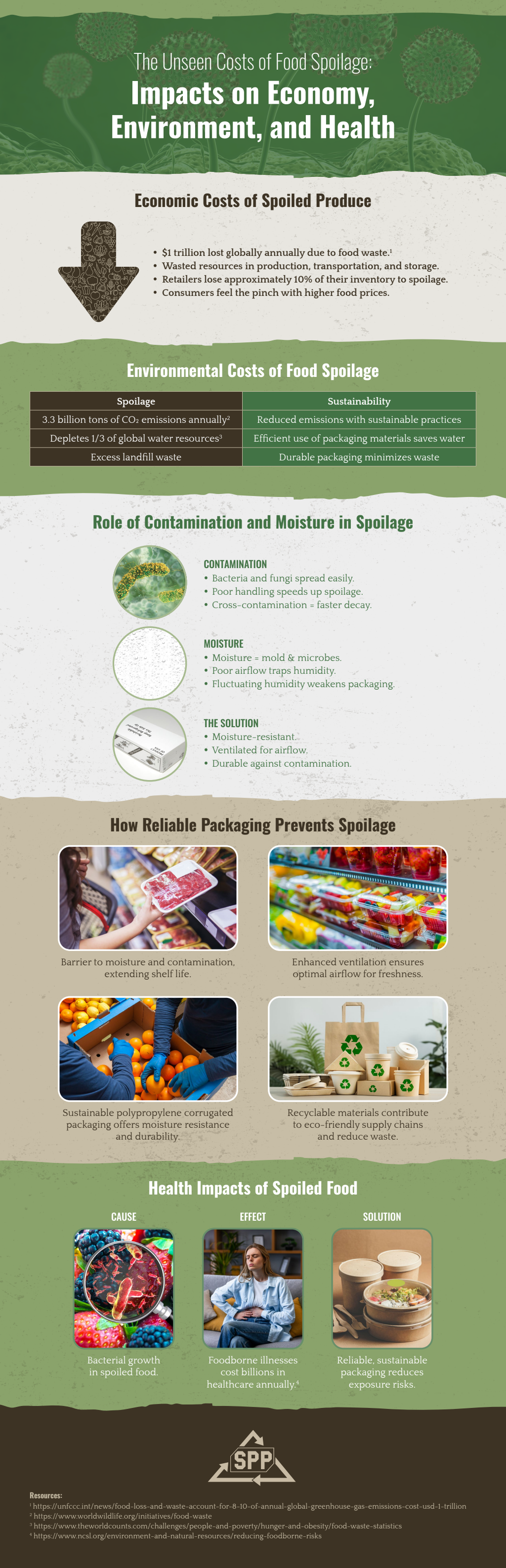
Food spoilage often hides in plain sight but carries a heavy price. Through simple organization and awareness, households can reduce their waste, lower their expenses, and make choices that benefit both their families and the planet. Look over the accompanying infographic below for more information.

Dining Al Fresco: Designing an Outdoor Kitchen with a Mediterranean Soul
Transform your backyard into a warm, inviting space with Mediterranean-style outdoor kitchen ideas. Discover earthy materials and unique ideas to enhance the beauty of outdoor dining.
We partnered with a home design company for this post. The opinions in the post are honest. All reviews and opinions expressed in this post are based on our personal views. We are excited because we know you will love it.
Who doesn't like a lunch or dining experience under the sky, enjoying the gentle breeze rustling through the olive trees and the golden glow of the sunset hitting your patio area? You are enjoying your drink while soaking in the beauty of space. Well, it's not a holiday in Greece or a Tuscan villa, it's your backyard. And yes, designing can dramatically change the look and feel of your space and make it a haven. Designing an outdoor kitchen with a Mediterranean soul isn’t just about adding a grill and calling it a day. It's about creating summer vibes and enjoying them whenever you want. Let’s see how you can create that charm in your home.
Design Ideas for an Outdoor Kitchen
An outdoor kitchen is for enjoying food and views without worrying about the to and fro from the kitchen to the table. It's a mindful setup that allows you to enjoy your meals with beauty. Let's see how:
1. Set the Foundation Right
Mediterranean design is deeply rooted in natural textures and earthy tones. When planning your outdoor kitchen, start from the ground up literally. Think of stone like Outdoor Sandstone Tiles, in shades of ivory, beige or grey that absolutely complements the architectural design needs. These natural pavers not only look beautiful but also make your space airy due to their light shade, which is ideal for hot climates.
You can go with a different design like the French pattern for your outdoor kitchen. It looks great and also blends with the environment with charm.
2. Create Warmth with Stone Cladding
No Mediterranean kitchen is complete without textured stone walls. Stone wall cladding can effortlessly enhance the beauty of any space. A beautifully clad wall behind your cooking area adds visual depth and acts as a stunning backdrop for your kitchen appliances and other uses. Especially for outdoor kitchens, you can use any stone of your choice, whether it's Outdoor Indian Sandstone or Australian Sandstone, even Limestone. Warm shades like golden beige, sandy cream and charcoal are more preferred due to their beautiful colours.
3. Built-in BBQ and Wood-Fired Pizza Oven
Let’s talk about the heart of the outdoor kitchen - the cooking station. A built-in BBQ is a no-brainer, but if you are looking for true Mediterranean authenticity, go for a wood-fired pizza oven. A stone dome not only serves a purpose (hello, crispy wood-fired pizza!) but it is also a design element all on its own. You can install floating timber shelves for herbs and spices; this setup will look straight out of a coastal villa.
5. Add a rustic Dining Area with Earthy Touches
Mediterranean outdoor kitchens are much about the dining experience as they are about cooking. So, go for a long timber table paired with mismatched chairs or bench seating. You can pair with handmade ceramics, linen and candles to make it inviting. Let it be relaxed and soulful, like dining in a courtyard in Spain or a garden in Greece.
6. Keep it Low Maintenance
While design matters, so does functionality. So, you must pick the materials accordingly, such as those that are heat resistant and don't become slippery when wet. Antique finished Outdoor Limestone Tiles are a popular option, known for their balance of beauty and functionality. Make sure the flooring is sealed properly. Ensure that you cover your appliances or opt for built-in systems to protect them during changing weather conditions. This ensures your outdoor kitchen stays beautiful and functional every season.
7. Surround the Space with Mediterranean Greenery
No Mediterranean kitchen is complete without nature surrounding it. Plants herbs like rosemary, oregano and thyme in stone planters not only smells good but also add liveliness to the space. You can keep them on the window shill them within arm's reach to quickly use when required. This enhances your cooking experience and makes it more enjoyable. For the surrounding area, you can add potted plants like lemon trees, lavender and flowering vines. The best thing about the plants is that their presence softens the surroundings, adding contrast and fragrance. The greenery turns your outdoor space into a private Mediterranean garden.
Final Thoughts
Designing an outdoor kitchen with a Mediterranean soul is not just about the looks but also creating a space where memories are made. Whether you are hosting a sunset dinner party, brunch or just flipping pizzas for the family, this setup invites connection and conversation. Whatever materials you are using, whether it's natural stone or wood, ensure that you are using A-grade material. It is important to opt for good-quality materials so that they can withstand external conditions. Every small detail matters and together you can create a beautiful Mediterranean-themed kitchen in your backyard. So what are you waiting for? Go ahead and live your outdoor kitchen dream!

Kitchen Shortcuts To Make Your Life Easier!
Life is busy, and if you don’t want to be spending hours and hours in the kitchen to eat well, then you’re in the right place. We’re here with some great kitchen shortcuts to help make your life easier and to help you save time, whilst never compromising on the quality of food that you’re eating!
Life is busy, and if you don’t want to be spending hours and hours in the kitchen to eat well, then you’re in the right place. We’re here with some great kitchen shortcuts to help make your life easier and to help you save time, whilst never compromising on the quality of food that you’re eating!
Get Your Food Shops Delivered
Our first tip is to get your food shops delivered. Many people are guilty of heading to the shops and picking up lots of random bits and pieces, and bits they don’t need, then find out throughout the week that things are missing or they didn’t have enough substantial meal ingredients. So, we’d really recommend that you figure out your schedule for the week, look at which nights you’ll be at home for your dinners, then plan out what you’ll eat on those nights.
From here, you should utilise home deliveries from supermarkets! Usually you can pay a small amount per month for free unlimited delivery, or you can pay a small amount each time (higher demand slots are slightly more and lower demand ones can be really cheap). Everything is packed for you in the shop, then it’ll get delivered on a day and in a time window of your choice, it couldn’t be easier. You’ll be able to make sure you have all the ingredients you need for your planned meals, and it just takes the stress away.
In terms of items you need more often throughout the week, like your milk, eggs and yogurt, we’d really recommend milk delivery. It’s hassle free, and you can just select how often you want a delivery of these essentials, then by the time you wake up, they’ll be on your doorstep. Just search “milk delivery near me” to find a great local supplier. You won’t have to worry about no milk for that morning cereal or drink ever again!
Rely On Your Slow Cooker
Another great hack to save time and make life easier is to rely on your slow cooker. If you know you’ve got a busy evening and won’t be back until later, but want a nutritious and delicious meal, you can simply add everything into your slow cooker in the morning, set it to low, then when you get home you’ll have a really delicious meal that is filled with flavour and if you’re using meat, it will be delicious and tender. Sometimes you’ll need to add some cornstarch to thicken the sauce, but this is really easy to add at the end.
There are endless amounts of slow cooker recipes out there, and so many cook books too for you to take inspiration from. From soups to ribs, roast chicken, beef stroganoff, chilli con carne, stews, pulled meat to go in wraps and sandwiches, curries, tagine and so much more. Then when you get home, you could just have a microwave pack of rice ready to go with it, boil some pasta, make some mashed potatoes, etc.
This saves so much time, helps you eat great food and is just a real life saver!
Use Lazy Chilli, Garlic and Ginger
Something else you can do as a shortcut is to use lazy chilli, garlic and ginger. They come in pre-chopped jars and you can literally use however much you need without any fuss of chopping. Rather than settling for blander mid-week foods when you don’t have time to cook, this is a great middle ground so you can add flavour whilst also saving time and staying organised in the kitchen!
Have A Freezer Supply
Last but certainly not least, we’d recommend you have a freezer supply. As much as you can plan ahead, sometimes things get in the way and we end up staring at an empty fridge. So, when you’re cooking, try to plan to make larger portions or to batch cook, so you can freeze a few portions for emergencies. Say you’re making a slow cooker curry, it’s no trouble to add some extra ingredients, put some portions in a freezer bag, then you’re sorted.