

A resource for those seeking information on organizing and transforming spaces.
Bold Design Statements: Unique Designs for Your Home
Make bold design statements with unique home décor ideas, eye-catching tile options, and creative features that transform every room into a standout space.
Creating a home that feels memorable and personal often comes down to bold design choices. While neutral palettes and minimalist trends have their place, unique design statements can bring character, energy, and individuality into your living space. Whether you are renovating a single room or reimagining your entire home, incorporating bold design statements and unique designs for your home can turn ordinary interiors into unforgettable environments.
Embracing Statement Pieces
One of the simplest ways to introduce bold design into your home is through statement pieces. This could be a vibrant velvet sofa in a jewel tone, an oversized piece of abstract art, or a sculptural light fixture that commands attention. Statement pieces act as focal points, anchoring a room and setting the tone for the overall design.
When choosing a standout item, consider balance. A bold centerpiece works best when the surrounding décor complements rather than competes with it. Neutral walls can make a colorful couch pop, while understated furnishings can allow a dramatic chandelier to shine. The goal is to create visual harmony while still letting your personality take center stage.
Playing with Color and Contrast
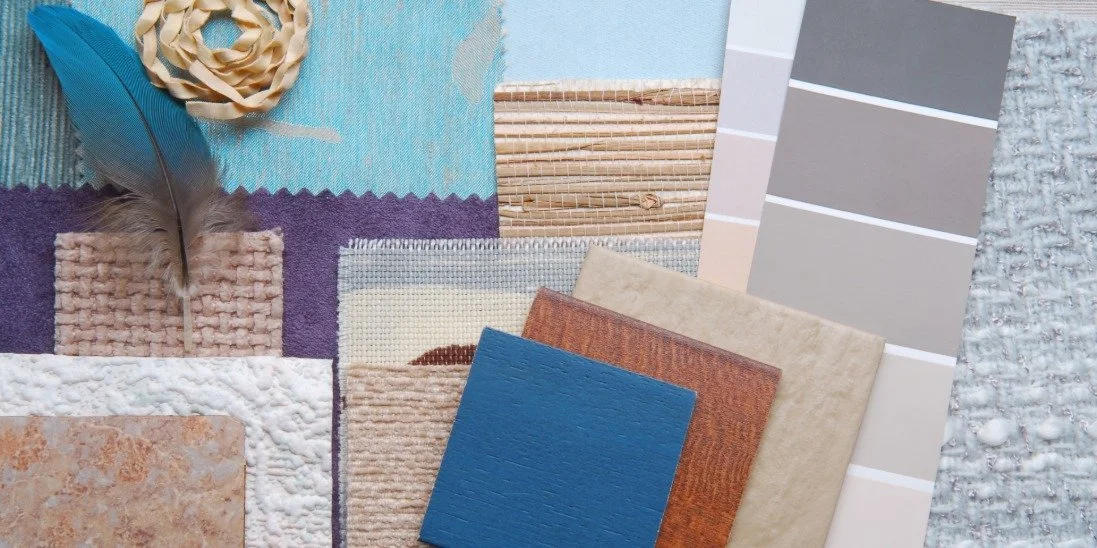
Color is one of the most powerful tools in bold home design. Deep navy walls, emerald green cabinetry, or even a dramatic black accent wall can transform a space from plain to striking. For those who prefer lighter tones, contrast can be just as impactful. Pairing light and dark shades, mixing matte and glossy finishes, or combining modern and rustic materials can add dimension and intrigue.
Do not be afraid to experiment with unexpected combinations. Mustard and charcoal, blush and forest green, or terracotta and teal can create a sophisticated yet adventurous look. The key is confidence. When colors are chosen intentionally and repeated subtly throughout the room, the result feels cohesive rather than chaotic.
Tile Design Options That Stand Out
Tile offers endless possibilities for making a bold statement in kitchens, bathrooms, and even living spaces. From geometric patterns to textured finishes, tile can serve as both a functional surface and a striking design feature. Large-format tiles create a sleek, contemporary feel, while intricate mosaic patterns add artistic flair.
Patterned encaustic tiles can bring personality to a bathroom floor, while a dramatic backsplash with high-contrast grout can become the centerpiece of a kitchen. For a truly unique approach, consider the different and unique patterns of Zellige tiles.
Mixing Materials and Textures
Another way to create a bold design statement is by layering materials and textures. Combining wood, metal, glass, and stone can produce a rich, multidimensional aesthetic. For example, pairing reclaimed wood beams with sleek marble countertops balances rustic charm with modern elegance.
Texture plays an equally important role. Plush rugs, woven wall hangings, and textured wallpaper add warmth and character. Even subtle changes, like incorporating fluted cabinetry or ribbed glass panels, can elevate a space. The interplay of smooth and rough surfaces keeps the eye engaged and makes the room feel thoughtfully curated.
Personalizing with Artistic Touches
Ultimately, bold design is about expressing who you are. Incorporating custom artwork, handcrafted furniture, or meaningful décor pieces ensures your home reflects your story. Gallery walls filled with personal photographs or curated art collections can add depth and individuality.
Bold design statements do not require overwhelming every corner of your home. Instead, they rely on intentional choices that reflect confidence and creativity. By embracing statement pieces, experimenting with color, exploring unique tile options, layering textures, and adding personal touches, you can create a home that feels distinctive, dynamic, and unmistakably yours.

Easy Ways to Make Your Garden More Productive
Transform your home with these easy ways to make your garden more productive. Learn soil health, efficient watering, and more ways to boost your harvest.

Every gardener dreams of a thriving, abundant garden that produces more with less effort. The good news? Easy ways to make your garden more productive don't require expensive equipment or years of experience.
With a few strategic changes, you can boost your harvest and create a space that works harder for you. Explore three game-changing approaches that'll transform your outdoor space.
Build Foundation-Strong Soil Health
Your soil acts as the foundation for everything that grows above it. Poor soil means struggling plants, no matter how much you water or fertilize them.
Start with a simple soil test to understand what you're working with. Most garden centers sell affordable test kits that reveal pH levels and nutrient content.
Armed with this knowledge, you can add exactly what your soil needs.
Compost remains one of the most powerful tools in your gardening arsenal. Mix kitchen scraps, fallen leaves, and grass clippings to create nutrient-rich gold for your plants.
Even a small compost bin can dramatically improve your soil structure and fertility over time.
Don't forget about mulch around your plants. Organic materials like straw or shredded leaves retain moisture, suppress weeds, and slowly break down to feed your soil.
It's like giving your garden a nutritious blanket that works around the clock.
Master Water Efficiency Techniques
Smart watering can double your garden's output without doubling your water bill.
Most gardeners water too frequently and too shallowly, which creates weak root systems. Deep, infrequent watering encourages roots to grow down rather than spread across the surface.
Water your plants thoroughly once or twice a week instead of light daily sprinkles.
Your plants will develop stronger root systems that can access water during dry spells. Consider drip irrigation or soaker hoses for consistent moisture delivery.
These systems put water exactly where plants need it, reducing waste and preventing fungal diseases that thrive on wet leaves.
Morning watering gives plants time to absorb moisture before the heat of the day. This timing also means less water loss to evaporation, so more of your effort reaches the roots.
Harness Companion Planting Power
Strategic plant partnerships can boost your harvest while reducing pest problems naturally. Some plants work together like best friends, supporting each other's growth and health.
Plant basil near your tomatoes to improve their flavor and repel harmful insects. The aromatic herbs create a natural pest barrier while taking up minimal space. Marigolds scattered throughout your vegetable beds deter nematodes and other soil-dwelling pests.
Lettuce and other leafy greens thrive in the partial shade created by taller plants like peppers or eggplants. This vertical layering approach helps you grow more food in the same square footage.
Don’t forget about cross-pollination. For example, the role cross-pollination plays in nut tree production is critical because it encourages hefty harvests.
Enjoy the Rewards of Smart Gardening
These easy ways to make your garden more productive work together to create a thriving ecosystem that practically runs itself. Better soil feeds stronger plants, efficient watering systems save time and resources, and companion planting creates natural balance.
Start with one technique that appeals to you most, then gradually incorporate the others. You’ll be happy you did when you're harvesting armloads of fresh produce from a garden that works as hard as you do.
The Best Places in Your Home To Install Porcelain Tile
If you’ve been considering a home refresh, it’s time to get serious about porcelain tile. Here are some of the best places to install it in your home.
Porcelain tile offers durability, style, and easy maintenance—three things every busy mom appreciates. You want flooring that looks great but doesn’t demand constant attention between school pickups and weekend activities.
Porcelain tile handles spills, scratches, and heavy foot traffic better than most other flooring options. It’s water-resistant, stain-resistant, and comes in countless designs that mimic everything from hardwood to natural stone. Let’s explore the best places in your home to install porcelain tile.
Kitchens: The Heart of Family Life
Your kitchen sees constant action. Kids grab snacks, you prep dinner while helping with homework, and weekend cooking projects can get messy. Porcelain tile handles all this beautifully.
The nonporous surface resists stains from spilled juice, dropped spaghetti sauce, and muddy shoes. Unlike natural stone, porcelain doesn’t require sealing every few years. A simple sweep and mop keep it looking fresh.
Choose larger format tiles—12 by 24 inches or bigger—to minimize grout lines, which makes cleaning even easier. Textured surfaces provide slip resistance when little hands carry drinks across the floor.
Bathrooms: Moisture and Style Combined
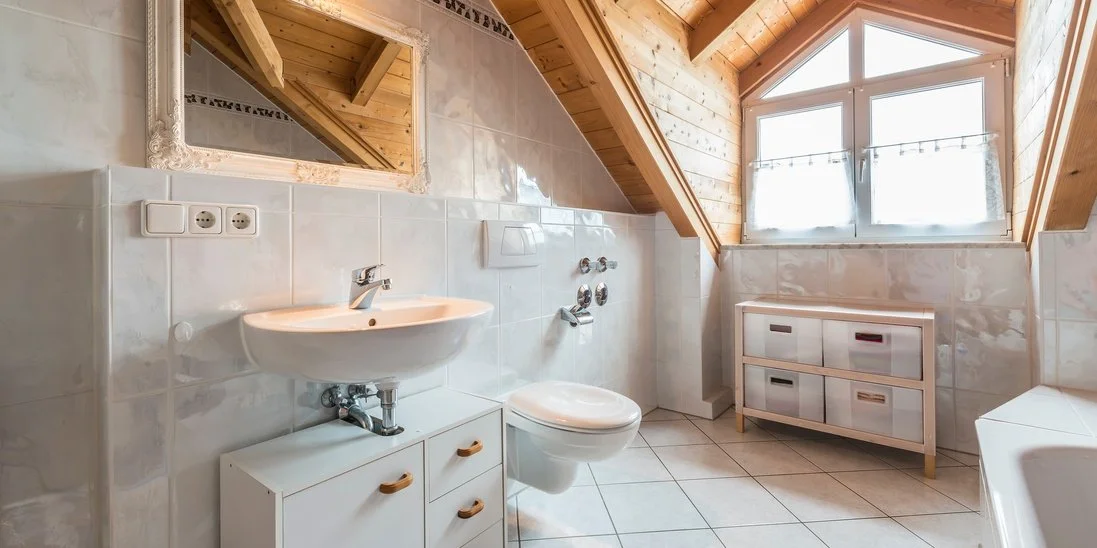
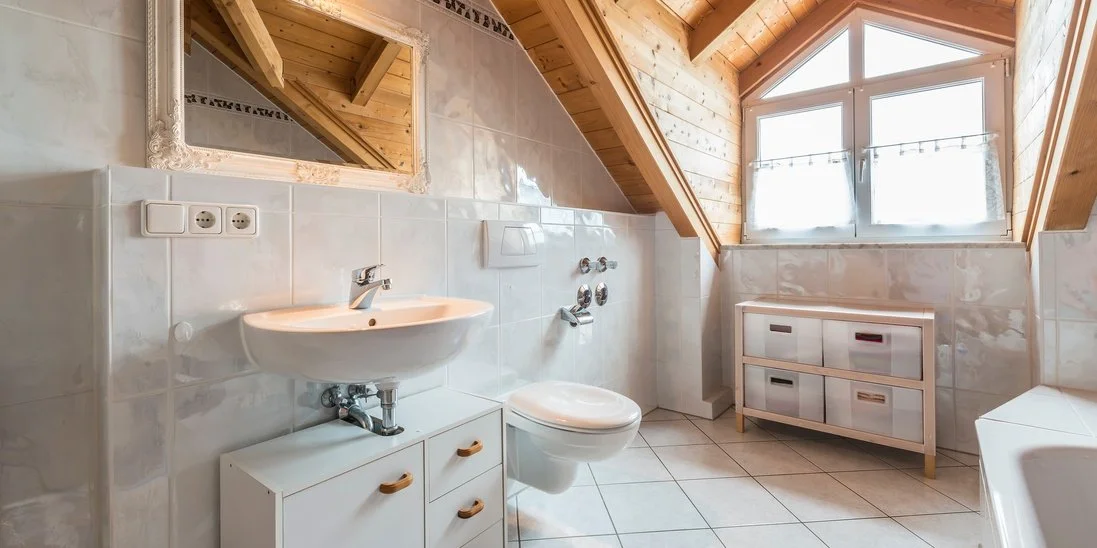
Bathrooms present unique challenges with humidity, water splashes, and frequent cleaning. Porcelain tiles excel here because they absorb less than 0.5 percent of water, making it virtually waterproof.
Install porcelain on floors and walls for a more cohesive look. Subway-style porcelain tiles create timeless appeal, while large format options make small bathrooms appear larger. The grout lines stay cleaner than with ceramic alternatives, reducing your scrubbing time.
Entryways and Mudrooms: First Line of Defense
These high-traffic areas take a beating from shoes, backpacks, sports equipment, and weather. Porcelain tile’s hardness rating makes it nearly impossible to chip or crack under normal use.
Consider these practical features for busy entryways:
Slip-resistant textures for wet conditions
Darker colors or patterns that hide dirt
Easy-to-clean surfaces that handle daily mopping
Durable construction that withstands dropped items
When you invest in quality porcelain tiles from a reputable supplier, you’ll notice the difference in appearance and longevity, especially in these demanding spaces.
Laundry Rooms: Function Meets Practicality
Laundry rooms need flooring that handles detergent spills, wet clothes, and frequent washing machine use. Porcelain’s chemical resistance means household cleaners won’t damage the surface.
The smooth finish prevents lint and dust from settling into tiny crevices, unlike textured flooring options. This keeps your laundry area cleaner with minimal effort.
Living Areas: Comfort and Durability
Modern porcelain tiles convincingly replicate hardwood, creating warm, inviting spaces without wood’s maintenance requirements. Your family can play games on the floor, pets can’t scratch the surface, and spilled drinks wipe up instantly.
Large format planks minimize visual interruption while providing the comfort of consistent temperatures year-round. Unlike hardwood, porcelain won’t expand, contract, or show wear patterns in high-traffic paths.
Basements: Moisture Control Below Ground
Basement moisture challenges defeat many flooring options, but porcelain tile thrives in these conditions. Its imperviousness prevents mold and mildew growth underneath, protecting your family’s health.
Porcelain also maintains stable temperatures, making finished basements more comfortable for kids’ play areas or home offices.
Installing porcelain tile in your home requires professional expertise, but the long-term benefits outweigh initial costs. You’ll spend less time cleaning, fewer weekends on maintenance, and more time with your family.
Best Practices To Reduce Humidity in Your Attic
If you notice signs of water damage in your attic, find out how to properly insulate and regulate humidity levels in your home with these maintenance tips.
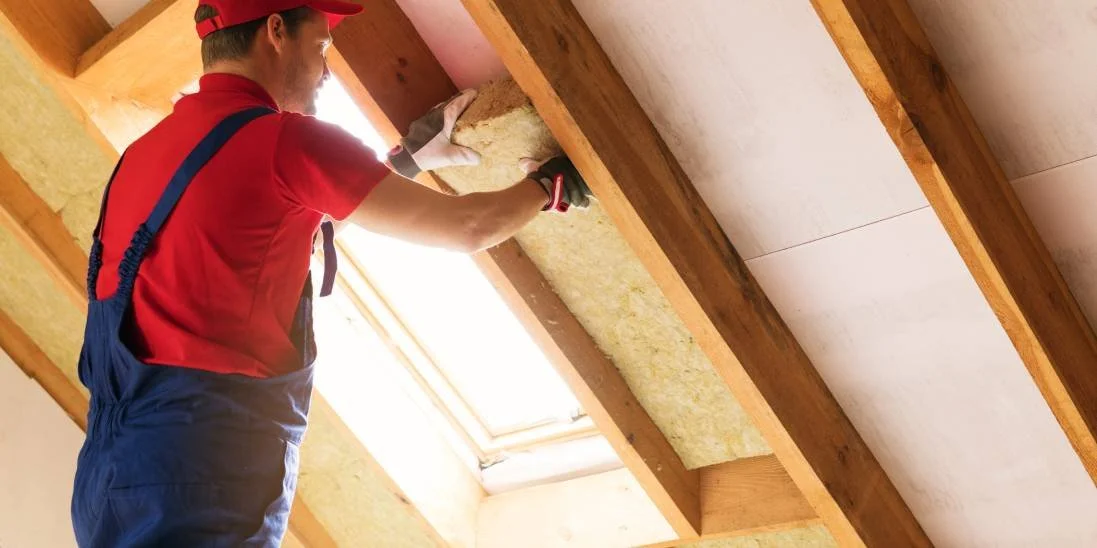
A hot, humid climate can take a toll on your home, especially your attic. High humidity levels can lead to mold growth, warped wood, and damage to your walls and ceilings.
By managing attic humidity, you can protect your home’s structure, keep the air inside healthier, and prevent the need for expensive repairs down the line. Follow these best practices to reduce the humidity in your attic and insulate and regulate your home’s temperature.
Ensure Proper Ventilation
Good air circulation effectively removes excess moisture in your attic. Install ridge vents and soffit vents if your attic needs ventilation support. These installments allow for continuous airflow that pushes out warm, moist air and brings in fresh air. Using attic fans can also improve ventilation so that the space stays cool even during hot summer months.
Seal Gaps and Leaks
Tiny openings in your roof, walls, or attic floor can allow moist air to seep in. Check for cracks, gaps, or unsealed ducts, particularly around plumbing vents, chimney openings, and light fixtures. Use caulk or weatherstripping to seal these areas and prevent excess moisture from entering and accumulating in your attic.
Insulate Your Attic
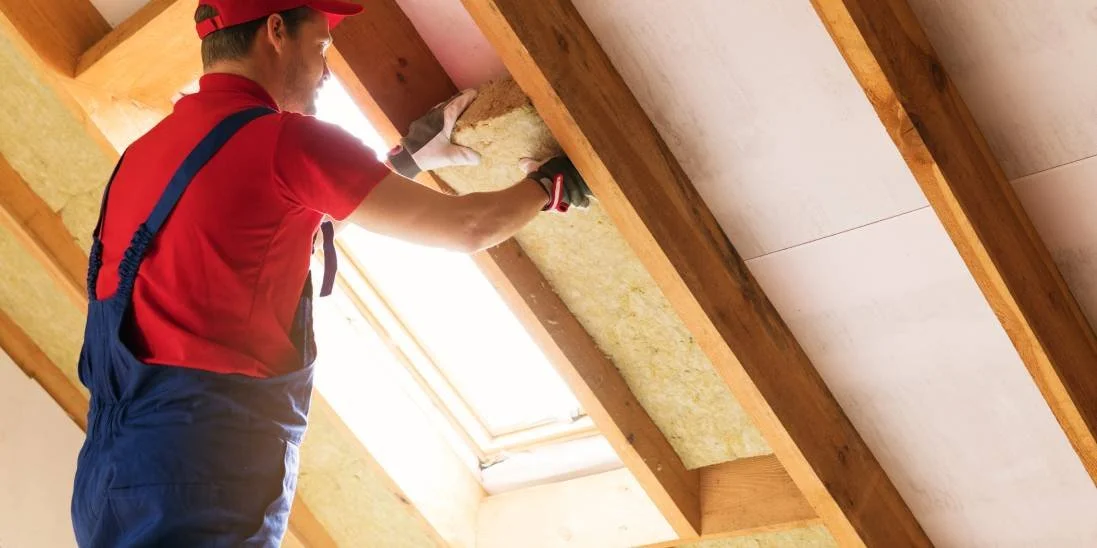
Invest in high-quality insulation to regulate the temperature in your attic and prevent warm, humid air from condensing on cool surfaces. Focus on areas such as the attic floor and roof deck, and consider adding a radiant barrier to reflect heat and reduce moisture buildup.
Control Moisture Sources
Humidity in other parts of your house often rises and accumulates in the attic. Minimize moisture buildup by keeping an eye on common sources throughout your home. Fix plumbing leaks, use exhaust fans in your kitchen and bathrooms, and avoid drying clothes indoors.
Additionally, incorporating preventative measures around your roof can mitigate rainwater-related moisture problems in your attic. Use flat roof drainage techniques if applicable, and check that your gutters and roof drainage systems are working properly.
Use a Dehumidifier
Dehumidifiers are effective if you live in a particularly humid climate or experience frequent rain. If excess moisture persists after insulating and checking the structure for damage, a dehumidifier will reduce the humidity in your attic for long-term support.
Consult With Professionals
If you’ve tried these best practices but continue to notice damp conditions, mold growth, or persistent water damage in your attic, it’s time to seek professional help. A licensed contractor or roofing expert can assess the situation, identify underlying issues, and provide tailored solutions to keep your attic dry and safe.