

A resource for those seeking information on organizing and transforming spaces.
Affordable Home Improvement Hacks That Look Expensive
Everyone dreams of a home that feels stylish, modern, and luxurious - but most people assume that achieving that look requires a big budget. The truth is, home improvement doesn’t have to be expensive to be effective. With a few smart, strategic choices, even small updates can create the appearance of a high-end home. In this article, we’ll explore affordable home improvement hacks that will elevate your space without breaking the bank.
Everyone dreams of a home that feels stylish, modern, and luxurious - but most people assume that achieving that look requires a big budget. The truth is, home improvement doesn’t have to be expensive to be effective. With a few smart, strategic choices, even small updates can create the appearance of a high-end home. In this article, we’ll explore affordable home improvement hacks that will elevate your space without breaking the bank.
Why Small Changes Make a Big Difference
When it comes to home improvement, many people focus on major renovations - tearing down walls, replacing floors, or completely remodeling kitchens. While those projects are impressive, they’re also costly and time-consuming. Often, what really makes a home feel expensive is attention to detail: lighting, texture, color, and proportion.
Small upgrades can create a significant visual impact, tricking the eye into thinking you’ve invested far more than you have. By focusing on these “perceived luxury” areas, you can achieve a high-end aesthetic while staying on budget.
Brighten Up Your Home with Lighting
One of the easiest ways to upgrade your space is through lighting. Poor or outdated lighting can make even a well-decorated room feel dull and cheap. On the other hand, the right fixtures and bulbs can transform the mood and style of your home.
Consider swapping out old ceiling lights for modern pendants or small chandeliers. Even a simple lamp upgrade can add elegance and warmth. Layered lighting - combining ambient, task, and accent lighting - also makes a space feel curated and luxurious.
Lighting is an essential home improvement tool that often goes overlooked, yet it’s one of the most effective ways to make a room feel upscale.
Elevate Your Walls with Trim and Molding
Architectural details like crown molding, baseboards, or simple wall trim can dramatically change the perception of a room. These small touches add depth, structure, and sophistication.
You don’t need expensive materials to achieve this effect. Lightweight foam or PVC trim is affordable, easy to install, and paintable, allowing you to mimic the look of traditional, costly molding. Even subtle picture frame molding on walls creates a designer feel that makes your home look polished.
Adding such features is a clever home improvement strategy that gives rooms character and instantly elevates the overall aesthetic.
Kitchen and Bathroom Upgrades Without a Full Remodel
Kitchens and bathrooms often feel like the most expensive parts of a home to renovate - but you don’t need a complete overhaul to make a difference.
For kitchens, painting cabinets in a modern color and replacing handles can make old cabinets feel brand new. Adding peel-and-stick backsplash tiles can further enhance the space at minimal cost. In bathrooms, swapping out faucets, showerheads, and hardware is surprisingly effective, giving the room a refreshed, modern look.
These projects are classic examples of home improvement hacks that provide high visual impact without the high price tag.
Paint: The Ultimate Affordable Upgrade
Paint is hands-down the most versatile and cost-effective home improvement tool. The right shade can completely transform a room. Neutral tones like soft greys, warm beiges, or creamy whites often feel luxurious, while a carefully chosen accent wall can add depth and personality.
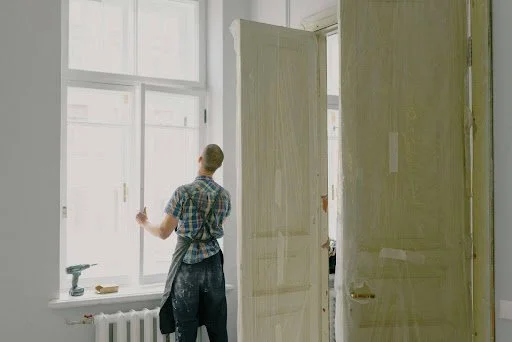
Don’t forget doors, furniture, or cabinets - they all benefit from a fresh coat of paint. In combination with small hardware updates, painting can make spaces look freshly renovated, giving the illusion of a much larger investment.
Declutter and Style Your Space Like a Pro
Sometimes, the most affordable home improvement is no improvement at all - it’s about editing. Cluttered spaces feel cramped and chaotic, while clean, well-styled rooms look expensive and intentional.
Focus on a few statement pieces instead of many small items. Layer textiles, such as cushions, throws, and curtains, to add texture and warmth. Even small touches, like coordinating colors or arranging objects in groups of odd numbers, can make a space feel curated.
Remember: people notice thoughtful styling even more than they notice price tags.
Incorporate Natural Elements
Greenery, wood accents, and natural textures bring life into a home, creating a sense of luxury. Plants are inexpensive but instantly elevate a room, making it feel vibrant and welcoming. Large floor plants, small tabletop plants, or even simple succulents can make a big visual difference.
Wood and stone accents - whether through furniture, frames, or decorative pieces - also add depth and character, giving the impression of a well-designed, high-quality home. Integrating nature is a subtle but highly effective home improvement approach.
Mirrors: Simple Yet Powerful
Mirrors are another affordable way to enhance your space. Large mirrors reflect light, make rooms appear bigger, and add an elegant touch. Statement mirrors can act as artwork while also amplifying the perception of space.
Even leaning a full-length mirror against a wall can create a modern, stylish focal point. It’s a simple trick, but one that immediately elevates the look of any room.
Flooring and Rugs: Affordable Texture
Replacing flooring can be costly, but you can still refresh your floors with affordable hacks. High-quality rugs, layered carpets, or even peel-and-stick vinyl tiles can mimic expensive finishes. Rugs, in particular, define spaces, add texture, and create a sense of comfort and style.
By choosing the right patterns and colors, you can visually tie the room together, making your space feel luxurious without the heavy investment.
Final Thoughts
Luxury doesn’t always come with a high price tag. The key to home improvement is knowing where to focus your energy: details, textures, lighting, and styling. Even small, affordable changes - like upgrading fixtures, adding molding, painting, or decluttering - can dramatically improve the look and feel of your home.
With these strategies, you don’t need a massive renovation budget to create a home that feels polished, intentional, and surprisingly expensive. Smart, thoughtful home improvement is all about maximizing impact without overspending - and the results can be stunning.
Best Practices To Reduce Humidity in Your Attic
If you notice signs of water damage in your attic, find out how to properly insulate and regulate humidity levels in your home with these maintenance tips.
A hot, humid climate can take a toll on your home, especially your attic. High humidity levels can lead to mold growth, warped wood, and damage to your walls and ceilings.
By managing attic humidity, you can protect your home’s structure, keep the air inside healthier, and prevent the need for expensive repairs down the line. Follow these best practices to reduce the humidity in your attic and insulate and regulate your home’s temperature.
Ensure Proper Ventilation
Good air circulation effectively removes excess moisture in your attic. Install ridge vents and soffit vents if your attic needs ventilation support. These installments allow for continuous airflow that pushes out warm, moist air and brings in fresh air. Using attic fans can also improve ventilation so that the space stays cool even during hot summer months.
Seal Gaps and Leaks
Tiny openings in your roof, walls, or attic floor can allow moist air to seep in. Check for cracks, gaps, or unsealed ducts, particularly around plumbing vents, chimney openings, and light fixtures. Use caulk or weatherstripping to seal these areas and prevent excess moisture from entering and accumulating in your attic.
Insulate Your Attic
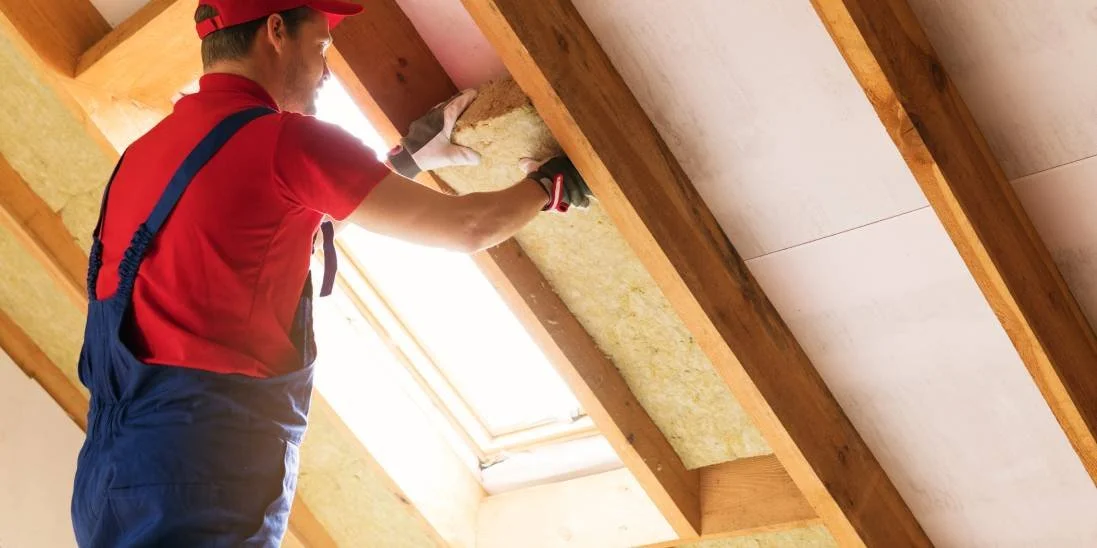
Invest in high-quality insulation to regulate the temperature in your attic and prevent warm, humid air from condensing on cool surfaces. Focus on areas such as the attic floor and roof deck, and consider adding a radiant barrier to reflect heat and reduce moisture buildup.
Control Moisture Sources
Humidity in other parts of your house often rises and accumulates in the attic. Minimize moisture buildup by keeping an eye on common sources throughout your home. Fix plumbing leaks, use exhaust fans in your kitchen and bathrooms, and avoid drying clothes indoors.
Additionally, incorporating preventative measures around your roof can mitigate rainwater-related moisture problems in your attic. Use flat roof drainage techniques if applicable, and check that your gutters and roof drainage systems are working properly.
Use a Dehumidifier
Dehumidifiers are effective if you live in a particularly humid climate or experience frequent rain. If excess moisture persists after insulating and checking the structure for damage, a dehumidifier will reduce the humidity in your attic for long-term support.
Consult With Professionals
If you’ve tried these best practices but continue to notice damp conditions, mold growth, or persistent water damage in your attic, it’s time to seek professional help. A licensed contractor or roofing expert can assess the situation, identify underlying issues, and provide tailored solutions to keep your attic dry and safe.
Home Improvement Project Ideas for Both Inside and Out
Home improvement is an ongoing process that not only adds value to your property but also enhances your living experience. Below are five home improvement project ideas that cover both your indoor and outdoor spaces, inspiring you to transform different areas of your home into something more comfortable and stylish. From incorporating smart technology to updating windows and landscaping, these projects cater to different budgets and aesthetics while boosting curb appeal and energy efficiency.
Home improvement is an ongoing process that not only adds value to your property but also enhances your living experience. Below are five home improvement project ideas that cover both your indoor and outdoor spaces, inspiring you to transform different areas of your home into something more comfortable and stylish. From incorporating smart technology to updating windows and landscaping, these projects cater to different budgets and aesthetics while boosting curb appeal and energy efficiency.
Install Smart Features
Modernizing your home with smart technology not only improves convenience but can also lead to energy savings. Indoors, start with smart thermostats to optimize heating and cooling or install smart lighting that you can control via apps. Outdoors, add motion-sensor lights for security, or a smart irrigation system to efficiently water your garden. These upgrades make your home more functional while also aligning with current technology trends.
Update or Replace Windows
Old or inefficient windows can significantly impact your home's energy efficiency and overall comfort. Upgrading to energy-efficient double- or triple-pane windows can provide better insulation and help lower heating and cooling costs. Styles like sleek frames for a modern touch or wooden finishes for a classic feel can enhance your home's aesthetic. Even smaller updates, like replacing worn-out caulk or adding new blinds or shutters, can make a big difference. For optimal results, consider consulting professionals, such as those at Dalco, for guidance on selecting the right windows and ensuring a proper installation. Their expertise can help you achieve both quality and efficiency, giving you peace of mind and long-lasting benefits.
Repaint Inside and Out
A fresh coat of paint transforms your home’s appearance and can protect its surfaces. Indoors, opt for neutral shades that complement different styles of décor, while bold feature walls or accent trims can add a personal touch. For the exterior, weather-resistant paint in timeless hues can boost curb appeal and protect against the elements. Don't forget features like doors, window trims, or railings—they can also benefit from a pop of color or finish.
Boost Curb Appeal with Landscaping
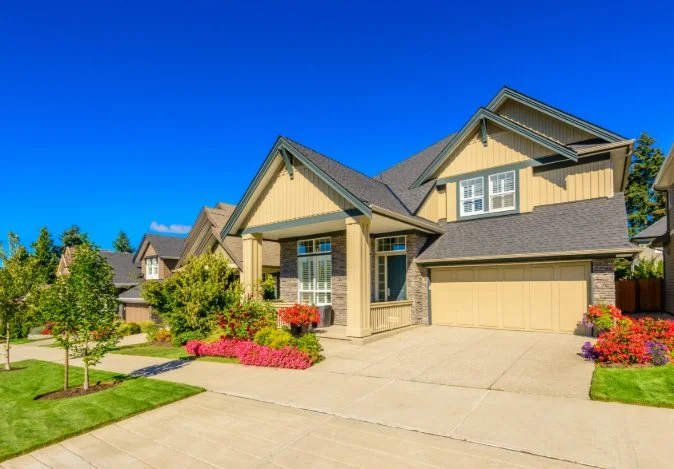
It's easy for people to see your front and backyard when noticing your home, so enhancing these spaces is a smart investment. Plant seasonal flowers, create defined pathways, or add a rock garden for low-maintenance charm. Trimming bushes, laying fresh mulch, or installing landscape lighting can elevate the look without major renovations. For a bolder update, consider adding an outdoor seating area surrounded by shrubs or a small fountain for a stunning focal point.
Replace Fencing
A sturdy, attractive fence enhances privacy while improving property value. If your existing fence is worn or damaged, consider replacing it with modern options like vinyl, composite, or treated wood for durability. For a sleek, modern look, metal or horizontal slat fencing could be a great fit. Small design features like stained finishes, decorative panels, or climber-friendly fences can elevate the aesthetic, turning your fence into a key element of your landscaping. To ensure a polished and durable result, consult professionals like Affordable Fencing Brisbane for help with installation or design. Their expertise can guide you in selecting materials, ensuring structural stability, and achieving a look that perfectly complements your property.
These projects effectively balance aesthetic upgrades with practical benefits, creating a home that is both visually appealing and functional. Whether you focus on one area or tackle multiple, these ideas can completely refresh your living spaces inside and out.

What Makes Your Windows Vulnerable to Intruders?
Make your home more secure by learning how windows fuction as vulnerable entry points, plus a few tips to stop potential intruders in their tracks.

Windows are often the weakest links in home security, and they can leave your home exposed to potential break-ins. For working mothers, ensuring every entry point is secure isn’t just important—it’s a necessity. Discover what makes your windows vulnerable to intruders and learn some practical solutions to strengthen your home’s defenses.
Understanding Window Vulnerabilities
When you’re securing your home, it’s crucial to understand different types of windows and their unique weaknesses. Sliding windows, for example, are popular for their sleek look, but they’re often prone to forced entry because they’re easy to pry open.
Casement windows are great at sealing, but they’re vulnerable if the latch mechanism is weak. Double-hung windows also create concerns, as they’re easy to open if left unlocked or if the latch is subpar.
Beyond the type of window, the glass and frame materials also affect a window’s security. Traditional glass panes are easy to break, and poorly maintained wooden or plastic frames weaken over time. Upgrading to tougher frame materials such as steel or aluminum makes a significant difference.
Factors That Make Windows More Vulnerable
Along with the initial window design, other factors make your windows more susceptible to intrusions. Poor installation and maintenance issues—such as loose hinges, misaligned frames, or outdated locks—are some of the biggest culprits. A poorly installed window is easy to tamper with, even for an amateur burglar. Regular maintenance ensures your windows remain functional and keeps them secure.
The environmental surroundings of your home also play a part in overall security. Homes situated in secluded locations with heavy greenery or fences that block visibility may unknowingly provide cover for intruders.
Conversely, homes in high-traffic neighborhoods often experience break-ins during the day when the streets are busy, as burglars may easily blend in. Understanding these environmental factors can help you identify vulnerable areas around your windows.
Solutions To Strengthen Window Security
There are several ways to enhance your windows’ security. A quick solution is to upgrade to high-security locks and shatter-resistant glass. Locks with multi-point locking systems and impact-resistant glass drastically reduce the chances of forced entry. One of the many benefits of double-glazed windows is enhanced security.
Adding physical barriers such as window bars, grilles, or security films also makes a big difference. Security films, for example, reinforce the glass and make it much harder for someone to shatter it. Window films are low-profile, and they won’t impact your home’s design. Installing motion-activated lighting around entry points also makes your home less appealing to potential threats.
Securing your windows is one of the most effective and affordable steps you can take to protect your home. Now that you know what makes windows vulnerable to intruders, you can find ways to keep your family and home safe when you’re away from home.
Start with regular maintenance, invest in stronger materials and locks, and incorporate thoughtful landscaping and lighting. Don’t wait until it’s too late—take the first step in safeguarding your home and loved ones today.