

A resource for those seeking information on organizing and transforming spaces.

Making Big Property Maintenance Easier
Caring for a large property can feel both exciting and overwhelming. Big land gives you room to dream, but it also comes with real demands. Overgrowth creeps in fast, structures weather quickly, and small issues can spread across acres before you notice them. The key to keeping a large property manageable is approaching it with a clear plan, steady upkeep, and the right tools. With a thoughtful strategy, even the most neglected acreage can become organized, productive, and enjoyable again. The more intentional you are from the start, the easier it becomes to stay ahead of maintenance instead of constantly reacting to problems.
Caring for a large property can feel both exciting and overwhelming. Big land gives you room to dream, but it also comes with real demands. Overgrowth creeps in fast, structures weather quickly, and small issues can spread across acres before you notice them. The key to keeping a large property manageable is approaching it with a clear plan, steady upkeep, and the right tools. With a thoughtful strategy, even the most neglected acreage can become organized, productive, and enjoyable again. The more intentional you are from the start, the easier it becomes to stay ahead of maintenance instead of constantly reacting to problems.
Assessing the Condition of the Property
Before you start clearing or building, you need a clear picture of what you’re working with. A slow, deliberate walkthrough reveals far more than a quick glance from the driveway. You’ll spot things like erosion channels hidden behind brush, fallen limbs tucked into fence lines, or old structures that look stable from afar but show rot up close. Walking the land also helps you understand how it flows—where water collects, where access is tight, and which areas are easiest or hardest to reach. Many landowners are surprised by how much they miss until they take the time to explore every corner.
Mapping the property gives you a practical way to organize what you’ve found. It doesn’t need to be fancy; even a simple sketch helps you mark problem spots, note elevation changes, and identify areas that need clearing or grading. This map becomes your working plan as you decide where to start and how to move through the property efficiently. It also becomes a valuable reference over time, helping you track improvements and spot recurring issues.
Once you’ve documented everything, address the most urgent issues first. Safety hazards—unstable trees, damaged roofs on outbuildings, deep washouts—should be handled before anything else. After that, focus on improving access. If you can’t reach parts of your land easily, every other task becomes harder. Good access is the foundation of efficient property care.
Clearing Overgrowth and Reclaiming Land
Overgrowth is one of the biggest challenges on large properties. Brush, vines, and invasive plants can take over quickly, especially if the land has been idle for years. Mechanical clearing tools—brush mowers, skid‑steer attachments, and heavy‑duty trimmers—make a dramatic difference in a short amount of time. They allow you to reclaim large areas that would take days to clear by hand. Clearing also reveals the true shape of the land, making it easier to plan future improvements.
Trees often need attention as well. Dead limbs, storm damage, and overcrowded canopies create hazards and block airflow. Strategic trimming opens up sightlines, improves tree health, and makes the land feel more open and usable. In some cases, removing a few problem trees can transform how a space functions. Clearing around trees also helps prevent pests and reduces fire risk.
Debris disposal is a major part of reclaiming land. Branches, brush piles, and old fencing accumulate quickly. Chipping material into mulch, hauling debris to a disposal site, or creating a designated composting area keeps the property clean and prevents clutter from returning. A clean property is easier to maintain and far more enjoyable to use.
Establishing Functional Zones Across the Property
Once the land is cleared, you can start shaping it into something more intentional. Dividing a large property into functional zones makes it easier to manage and reduces wasted time and effort. Equipment and storage areas should sit on stable ground with easy access for trucks and machinery. These zones might include sheds, barns, lean‑tos, or pads for water tanks and fuel storage. Keeping tools and equipment centralized saves countless hours over the course of a year.
Recreation, gardening, and livestock areas should be placed where the land naturally supports them. Sunlight, soil quality, drainage, and proximity to water all influence where these zones make the most sense. Grouping similar activities together keeps the property organized and minimizes unnecessary travel. It also helps you plan utilities, fencing, and irrigation more efficiently.
Access routes tie everything together. Well‑planned drive paths, utility roads, and footpaths make it easier to move equipment, transport materials, and reach remote areas. Gravel or compacted soil helps prevent erosion and keeps routes usable year‑round. Good access is one of the most valuable improvements you can make.
Managing Water, Drainage, and Utility Infrastructure
Water management is an important and yet often overlooked parts of maintaining a large property. Poor drainage can wash out roads, drown plants, and damage structures. By studying how water naturally moves across your land, you can identify low spots, runoff channels, and areas prone to flooding. Simple grading adjustments, swales, or drainage ditches can dramatically improve water flow and protect the property from long‑term damage.
Water tanks are essential for many large properties, especially when water needs to be stored or distributed across long distances. Whether you’re irrigating gardens, supporting livestock, or keeping emergency reserves on hand, tanks require stable foundations and easy access for refilling. A vertical water tank is often a smart choice for properties with limited ground space, as its tall, narrow design provides high capacity without consuming a large footprint. Protective structures, such as shade covers or enclosures, help extend the lifespan of any tank and keep the water clean. A well‑placed tank can save hours of hauling water during busy seasons.
For properties that require water across long distances, pumps, gravity‑fed lines, and trenching create efficient distribution systems. Strategically placed spigots and irrigation lines save time and reduce the physical strain of hauling hoses or buckets. A well‑designed water system is one of the best long‑term investments you can make, improving both convenience and the overall health of your land.
Choosing Hardworking Equipment for Large‑Scale Maintenance
Large properties require equipment that can handle serious work. Zero‑turn mowers, compact tractors, brush cutters, and utility vehicles are often essential for maintaining fields, trails, and open spaces. These machines dramatically reduce labor and help you keep up with seasonal demands. For everyday upkeep, having reliable lawn equipment, such as walk‑behind mowers, edgers, and string trimmers, ensures you can maintain smaller areas and detailed spaces that larger machines can’t reach.
A dependable set of tools like chainsaws, augers, trimmers, and tow‑behind implements makes everyday tasks easier and safer. Investing in durable equipment pays off quickly when you’re managing acres instead of a backyard. Quality tools also reduce frustration and help you work more efficiently, especially when you’re juggling multiple zones across a large property.
Regular maintenance keeps your equipment reliable. Oil changes, blade sharpening, filter replacements, and seasonal inspections prevent breakdowns and extend the life of your machinery. A well‑maintained machine is safer, more efficient, and far less likely to fail when you need it most, ensuring your property stays manageable year‑round.
Developing a Long‑Term Maintenance Plan
A large property is never truly “finished.” It evolves over time, and a long‑term maintenance plan helps you stay ahead of that evolution. Breaking tasks into seasonal segments keeps the workload manageable and prevents important projects from slipping through the cracks. Spring might focus on soil preparation and planting, summer on mowing and irrigation, fall on cleanup and repairs, and winter on equipment care and planning.
Tracking maintenance ensures nothing gets overlooked. This helps prevent small issues from becoming expensive problems and gives you a clearer picture of your property’s overall condition. Over time, you’ll start to see patterns that help you plan more effectively.
Long‑term planning also keeps your property moving toward your vision. Whether you want to expand storage, add new access routes, or upgrade water systems, thoughtful planning ensures each improvement supports the next and contributes to a more efficient, well‑organized landscape. A clear plan turns big land into a manageable, rewarding investment.
Maintaining a large property takes commitment, but it doesn’t have to feel overwhelming. With a clear plan, the right tools, and steady upkeep, you can turn big land into a well‑organized, productive, and enjoyable space. By reclaiming overgrown areas, creating functional zones, managing water wisely, and investing in reliable equipment, you set your property up for long‑term success. With consistent care and thoughtful planning, your land will continue to thrive for years to come.
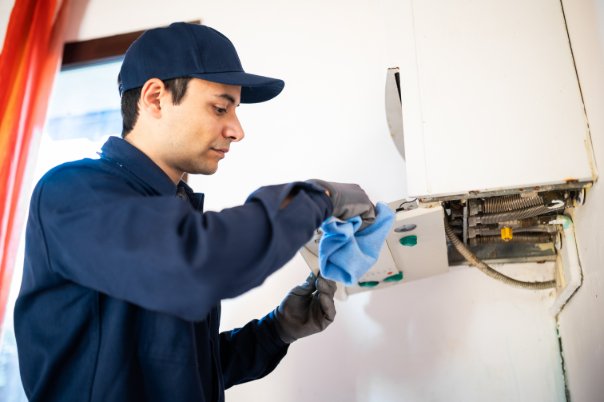
The Ultimate Homeowner’s Guide to Annual Heating Maintenance
Annual heating maintenance is one of the most effective ways to keep your home comfortable, efficient, and safe throughout the colder months. A well‑maintained system runs more smoothly, experiences fewer breakdowns, and uses less energy to heat your home. Many homeowners don’t realize how much strain their heating system endures each winter, making routine service essential for long‑term performance. With a simple yearly tune‑up, you can avoid unexpected repairs and enjoy consistent, reliable warmth.
Annual heating maintenance is one of the most effective ways to keep your home comfortable, efficient, and safe throughout the colder months. A well‑maintained system runs more smoothly, experiences fewer breakdowns, and uses less energy to heat your home. Many homeowners don’t realize how much strain their heating system endures each winter, making routine service essential for long‑term performance. With a simple yearly tune‑up, you can avoid unexpected repairs and enjoy consistent, reliable warmth.
The Benefits
Annual heating maintenance offers a wide range of advantages that go far beyond basic comfort. A yearly tune‑up helps your system run more efficiently, last longer, and operate more safely, making it one of the smartest investments you can make in your home.
Improved Efficiency
A clean system doesn’t have to work as hard to heat your home, which means it uses less energy and delivers more consistent airflow. Removing dust and buildup from internal components helps the system operate at peak performance. Over time, this improved efficiency can lead to noticeable savings on your monthly utility bills.
Fewer Repairs
Most heating issues start small—loose connections, worn parts, or minor airflow problems. During a tune‑up, a technician can spot these early warning signs before they turn into costly repairs. Preventing breakdowns not only saves money but also ensures your home stays warm when you need it most.
Longer Lifespan
Heating systems last significantly longer when they’re maintained regularly. Tune‑ups reduce stress on motors, burners, and heat exchangers, helping each component perform better for more years. This means you can delay the expense of a full system replacement and get the most value from your investment.
Cleaner Air
Dust, debris, and allergens can build up inside your heating system and circulate through your home. Replacing filters and cleaning internal parts helps improve indoor air quality and reduces the amount of airborne particles your family breathes. This is especially beneficial for households with allergies or respiratory concerns.
Better Safety
Safety is one of the most important reasons to schedule annual maintenance. Technicians check for carbon monoxide leaks, gas line issues, and electrical hazards that could put your home at risk. A yearly inspection ensures your system operates safely and gives you peace of mind throughout the heating season.
The Warning Signs
Even with regular maintenance, certain symptoms indicate your system needs immediate attention. Unusual noises—such as banging, rattling, or squealing—often signal mechanical issues. Burning or musty smells can point to electrical problems or dust buildup inside the system. Uneven heating, cold spots, or weak airflow may indicate blocked ducts or failing components. Rising energy bills without a clear cause can also be a sign that your system is struggling. If your furnace cycles on and off frequently or produces a yellow burner flame, it’s important to call a professional right away to prevent further damage.
Tune‑Ups and Scheduling
A professional tune‑up includes a thorough inspection, cleaning, and adjustment of your heating system. Technicians check electrical connections, test safety controls, clean burners or coils, verify airflow, and calibrate the thermostat to ensure accurate temperature control. This detailed process helps your system run more efficiently and reduces the risk of unexpected failures.
The best time to schedule maintenance is early fall, before temperatures drop and HVAC companies become busy. Booking service ahead of the cold season ensures your system is ready when you need it most. When choosing a technician, look for proper licensing, certifications, and experience with your specific system type. A reputable professional, such as someone like TRS Heating and Air Conditioning, will provide transparent pricing, clear communication, and reliable service, giving you confidence that your system is in good hands.
The DIY Tasks
Homeowners can support their heating system with a few simple maintenance tasks throughout the year. Replacing air filters regularly helps maintain proper airflow and reduces strain on the system. Keeping vents and returns clear of furniture, dust, and debris ensures warm air can circulate freely. Checking thermostat settings and replacing batteries when needed helps maintain consistent temperature control. While these tasks are helpful, anything involving internal components, gas lines, or electrical systems should always be left to a trained professional.
Annual heating maintenance is one of the most reliable ways to protect your home’s comfort, safety, and long‑term budget. A yearly tune‑up keeps your system running efficiently, reduces the risk of unexpected breakdowns, and helps prevent safety hazards like carbon monoxide leaks or electrical issues. By pairing professional service with simple at‑home upkeep, you can extend the life of your heating system and enjoy consistent, dependable warmth throughout the winter. With regular care and the right technician, maintaining your heating system becomes an easy habit that pays off year after year.
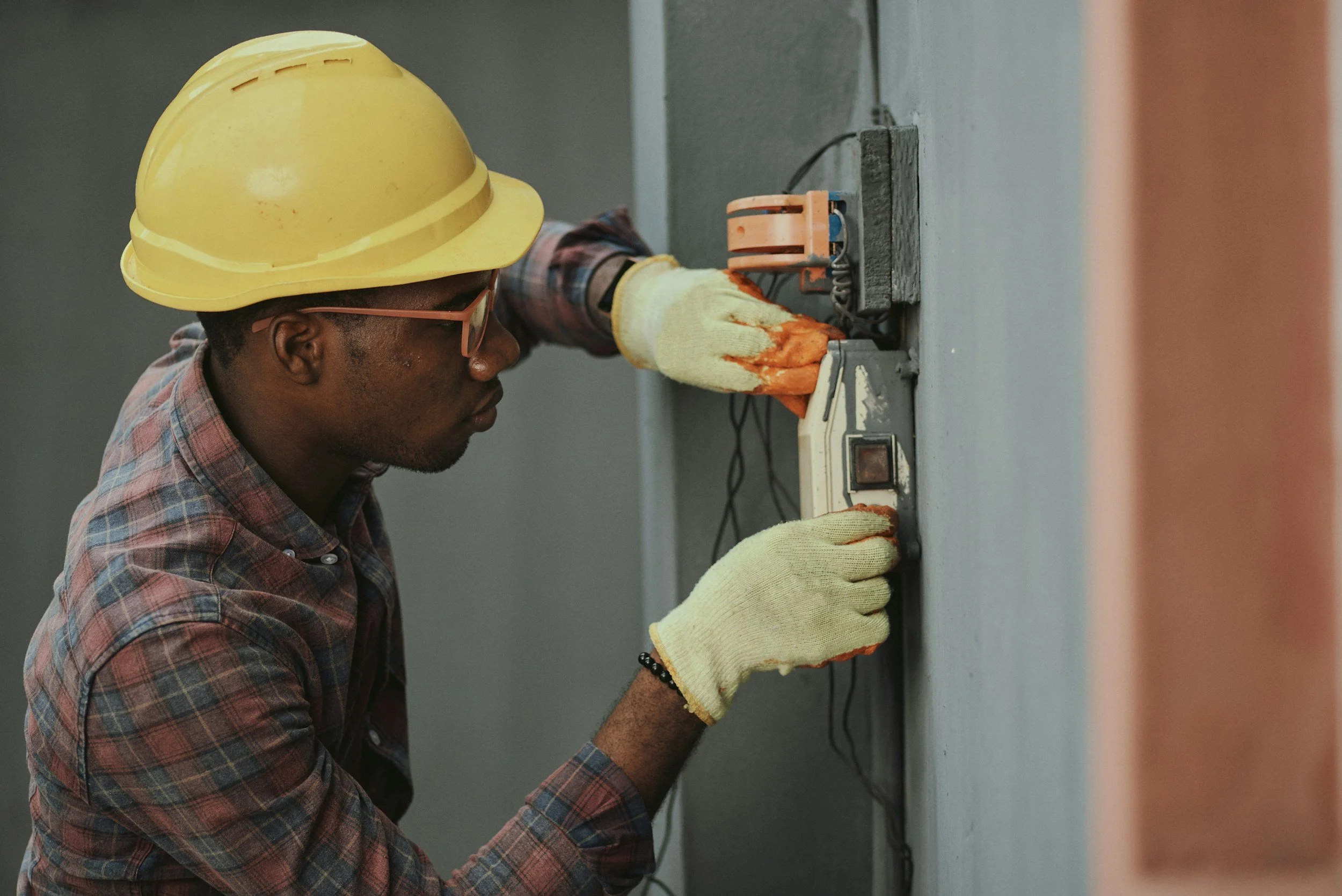
Maintenance Oversights That Tank Your Home’s Resale Value
When you decide to sell your home, you’re suddenly going to realize all the things you should have done well in advance of starting the selling process. Maintenance can be a time-consuming and expensive chore, and there might be years when you invest less than you should. Once you’re ready to sell, however, that deferred maintenance can come to call in the form of a lower resale value. If you don’t want this to happen to you, prioritize low-cost maintenance to preserve your property value, even if you have no plans to sell anytime soon.
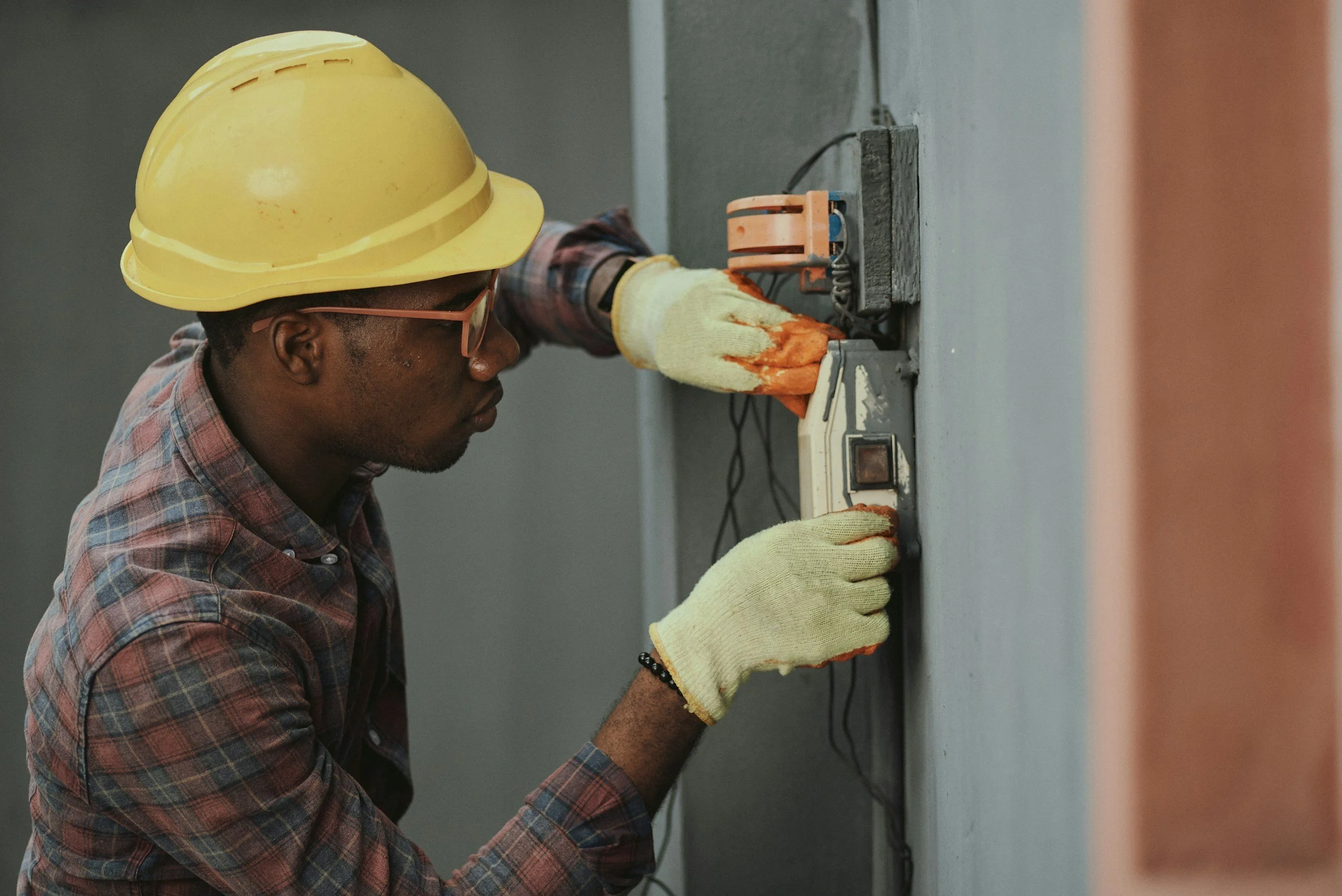
When you decide to sell your home, you’re suddenly going to realize all the things you should have done well in advance of starting the selling process. Maintenance can be a time-consuming and expensive chore, and there might be years when you invest less than you should. Once you’re ready to sell, however, that deferred maintenance can come to call in the form of a lower resale value. If you don’t want this to happen to you, prioritize low-cost maintenance to preserve your property value, even if you have no plans to sell anytime soon.
Why Does Maintenance Carry So Much Weight in Home Value?
You might not think that overgrown bushes or a few missing shingles are a big deal, but to home inspectors and appraisers, they can be. Think about the last time you saw a home with a dead lawn and sagging gutters. Even if it didn’t look uninhabitable, you probably made a negative judgment about the homeowner. Homebuyers, inspectors, appraisers, and even a real estate company may draw the same conclusion. An unkempt house could be a sign of deeper neglect, one that could tank value estimates or lead to aggressive price negotiations.
Key Maintenance Needs for Resale Value
Roof and Gutters
The roof is one of the primary sources of structural protection for the home and its inhabitants. Clogged gutters can create a breeding ground for pests in summer. In fall and winter, rotting debris can freeze and cause ice dams that damage the roof structure. Similarly, missing or damaged shingles can trigger water intrusion that leads to long-term structural damage. Routine roof inspections, cleaning, and prompt repair are key to keeping the roof in functional and protecting its appearance.
Home Exterior
Like your roof, your home exterior could be hiding some serious problems under the surface. Dirt or chipped paint on the siding might seem like a minor problem, but it hurts your curb appeal and makes your home seem older. Once a year, you should consider scheduling professional cleaning for the siding, using cleaning methods that don’t damage the surface. If applicable, add a coat of paint or sealant to ensure that the siding maintains both appearance and weather protection throughout the year.
Landscaping
Although your landscaping doesn’t have to look perfect, it should show up in good condition and well-maintained. Keep up your lawn, or create a landscape that is easier to maintain. Arrange to trim bushes and greenery multiple times a year, and remove diseased or dead trees to prevent further damage. When you make new landscaping plans, think about how the property will look in all seasons. Consider planting softscaping that will look great year-round, especially in winter.
HVAC and Plumbing
Buyers expect that your HVAC and plumbing will be relatively new, or otherwise in great condition. To meet this expectation, you’ll need to provide routine maintenance at least once a year. Schedule professional upkeep for your HVAC equipment to preserve energy efficiency and avoid expensive replacements when you decide to sell.
Slow plumbing leaks can trigger extensive water damage over time, especially if you don’t catch them early enough. Pay attention to signs like lower water pressure or discolorations in the walls or ceiling, and call a plumber when you observe them.
Bathrooms and Kitchens
You may not have to upgrade your bathrooms and kitchen every 10 years, but you should ensure that they stay in ideal condition. Replace chipped tiles and keep the grout clean. Update appliances and fixtures to modern models, especially if they look worn or are starting to malfunction. Instead of a full replacement, consider updating the flooring and door pulls, with a fresh coat of paint to brighten up the space. Even minor improvements can give a new look.
Deferred maintenance can seriously disrupt into your home-selling plans, which is why you should stay ahead of it whenever you can. Investing into low-cost maintenance for these high-value spots can help you improve your home’s value and decrease the likelihood of an unpleasant surprise at selling time.
AUTHOR BIO: Andy Pressley is the Owner and President of MECA Realty, a Charlotte-based real estate firm with six decades of roots in the region, providing residential and association management alongside sales and leasing services. A third-generation member of the Pressley family in the business, he leads MECA Into the age of AI and continues the company’s long-standing commitment to the Charlotte community.
Resources reviewed
https://www.neighborly.com/expert-tips/the-effect-of-maintenance-on-home-value
https://www.homeledger.app/resources/how-home-maintenance-impacts-property-value

Smart Winter Home Maintenance Checklist
Winter puts more strain on a home than any other season, and small issues can escalate quickly once temperatures drop. A smart winter home maintenance checklist helps homeowners stay ahead of heat loss, moisture problems, and system failures before they become emergencies. From airflow and insulation to boiler maintenance and overall heating reliability, preparing early is the difference between steady comfort and mid-winter breakdowns.
We partnered with a home improvement company for this post. The opinions in the post are honest. All reviews and opinions expressed in this post are based on our personal views. We are excited because we know you will love it.
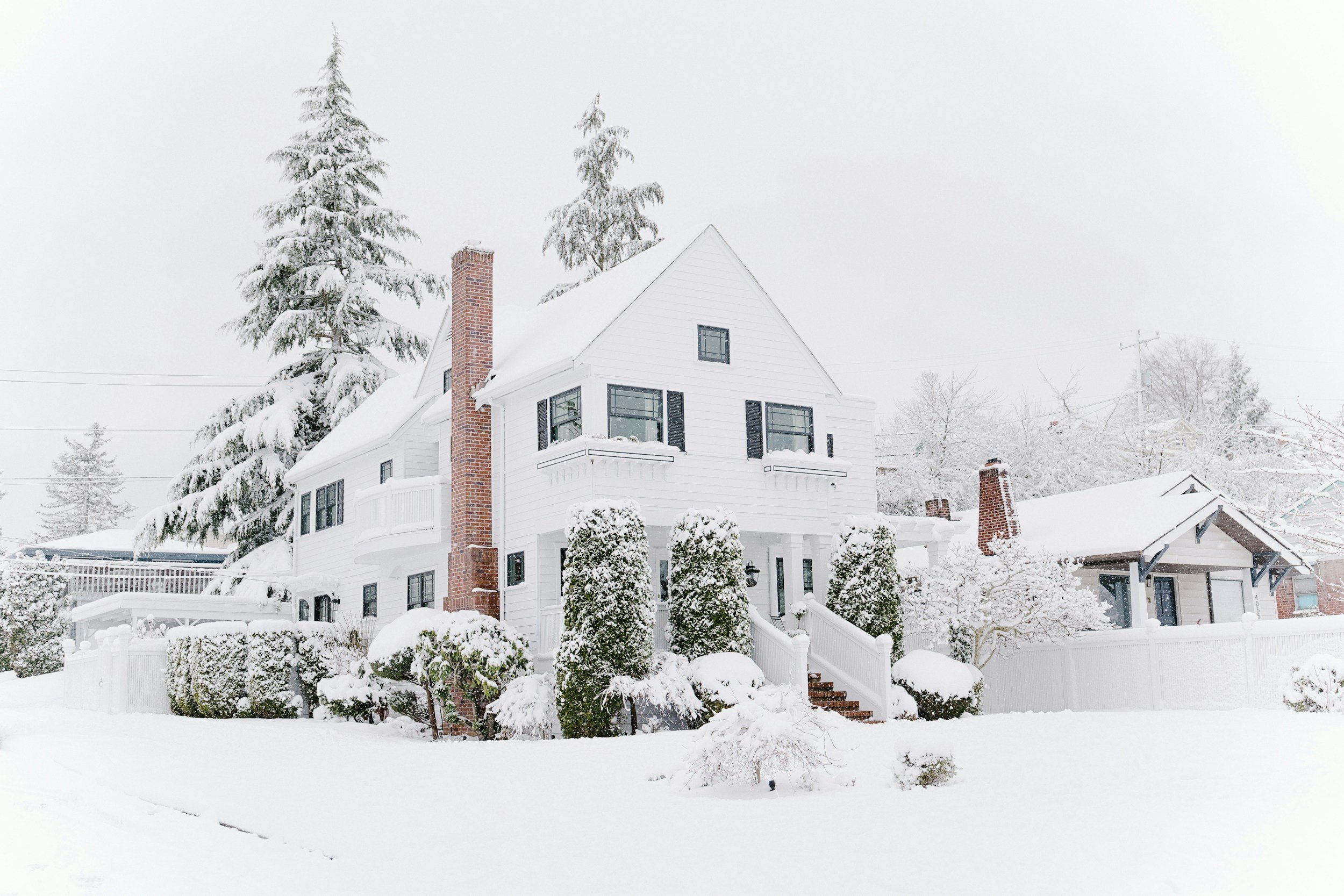
Winter puts more strain on a home than any other season, and small issues can escalate quickly once temperatures drop. A smart winter home maintenance checklist helps homeowners stay ahead of heat loss, moisture problems, and system failures before they become emergencies. From airflow and insulation to boiler maintenance and overall heating reliability, preparing early is the difference between steady comfort and mid-winter breakdowns.
What a Winter Home Maintenance Checklist Should Include
A strong winter home maintenance checklist isn’t just a list of tasks, it’s a risk map of what can shut your house down when temperatures drop. The best checklists prioritize systems that fail silently before they fail completely, focusing on heating performance and heat distribution, airflow and insulation effectiveness, heating maintenance, moisture control, and pressure points like pipes, vents, and seals that react badly to freeze–thaw cycles. Condensation causes more winter damage than snow, which makes moisture management just as critical as the furnace or boiler, while backup readiness matters for extreme cold events or power interruptions. Instead of treating winter maintenance as a once-and-done chore, an effective winter home maintenance checklist highlights systems under the most stress and flags areas to monitor throughout the season. The goal isn’t surface-level upkeep, but preventing small issues from turning into mid-winter failures by understanding how heat moves through the home, where cold air enters, and which areas are most vulnerable during prolonged cold spells.
Tips For Winterizing Your Home
The most important winterization work happens before the first real cold snap, not after. Once temperatures drop, small weaknesses turn into emergency repairs, which is why home winterization tips should be completed before temperatures regularly fall below freezing, while materials and systems are still flexible and easy to work with. This includes sealing air leaks before insulation is tested by cold pressure, addressing water exposure points while pipes are still flexible, testing heating systems as part of early winter heating maintenance rather than during peak demand, and verifying drainage paths so melting snow doesn’t refreeze where it shouldn’t. Homeowners who wait until winter starts often end up fixing symptoms instead of causes, while early winter maintenance reduces emergency repairs and saves more money than mid-season fixes.
HVAC Winter Maintenance for Reliable Heating
Reliable winter heating depends less on the furnace or heat pump itself and more on how evenly and efficiently heat moves through the home. Proper HVAC winter maintenance goes beyond simply making sure the system turns on; it includes confirming airflow balance so no room overworks the system, ensuring combustion, electrical, or heat pump components are operating within safe ranges, and addressing furnace maintenance needs, checking controls and sensors that regulate temperature accuracy, and verifying that exhaust and intake paths remain clear in snow and ice conditions. Effective winter HVAC maintenance supports consistent performance during long run times and helps prevent avoidable strain. A heating system doesn’t fail all at once, it loses efficiency first, then reliability. Regular HVAC winter maintenance catches that decline early and helps identify components that may struggle during extended cold periods.
How Winter Heating Maintenance Prevents Breakdowns
Most winter breakdowns don’t happen because a part suddenly “dies.” They happen because stress exposes a weakness that already existed. Winter heating maintenance helps prevent breakdowns by reducing system strain before peak demand hits, especially as cold weather forces systems to run longer and cycle more frequently. This includes reducing startup strain during frequent on-off cycles, catching restricted airflow before motors overheat, identifying worn components before extreme cold demands peak output, and preventing safety shutoffs caused by sensors detecting abnormal conditions. In short, consistent winter heating maintenance lowers the workload on the system, and systems fail fastest when they’re overworked in freezing temperatures.
Often Overlooked Winter Maintenance Areas in Your Home
The most overlooked areas aren’t visible, and that’s the problem. Areas out of sight are often missed during winter maintenance, including crawl spaces and rim joists where cold air seeps in unnoticed, interior walls with plumbing that share exterior exposure, bathroom and kitchen exhaust paths that trap moisture in winter, and attics where insulation gaps contribute to ice dam formation below. These areas don’t announce problems until damage is already happening, which can lead to heat loss, frozen pipes, condensation, or ice buildup without obvious warning signs. A thorough winter home maintenance checklist brings these hidden risk zones into focus before winter conditions expose them.
Why Winter HVAC Maintenance Matters for Comfort and Efficiency
Comfort in winter isn’t just about warmth, it’s about consistency. Winter HVAC maintenance matters because comfort and efficiency are closely connected. A well-maintained system heats rooms evenly instead of creating hot and cold zones, runs longer, steadier cycles rather than short bursts that waste energy, maintains humidity balance that affects how warm air actually feels, and avoids sudden performance drops during the coldest days. When winter HVAC maintenance is handled properly, efficiency improves because the system doesn’t have to fight the home to maintain temperature, it works with it, reducing cold spots, temperature swings, and excessive energy use throughout the winter.
DIY vs Professional Winter Maintenance Tasks
Homeowners are well suited for ongoing monitoring and basic winter maintenance, while professionals handle calibration and safety. Routine tasks like replacing filters, monitoring temperature consistency from room to room, keeping vents, intakes, and exhausts clear, and watching for moisture buildup or unusual system behavior can be handled by homeowners. Professional service is needed for electrical, gas, or refrigerant components, airflow measurements and system balancing, combustion safety checks, and advanced winter heating maintenance for furnaces or heat pumps. As a rule of thumb, if a task affects safety, pressure, or electrical systems, it’s not DIY and should be left to trained professionals.
When to Review Your Winter Home Maintenance Checklist
A winter home maintenance checklist shouldn’t live in a drawer. Winter conditions change, and homes respond differently as the season progresses, which is why a winter home maintenance checklist should be reviewed once before winter to prepare, again after sustained cold exposes weak points, and after major weather events like deep freezes or snowstorms. Reviewing the checklist multiple times turns winter maintenance into prevention instead of reaction and helps ensure systems continue to operate reliably throughout the season.