

A resource for those seeking information on organizing and transforming spaces.

How to Avoid Hidden Costs and Surprises During a Major Remodel
Almost every homeowner considering a major remodel carries the same quiet worry in the back of their mind: what if the final bill looks nothing like the estimate? That fear is not unfounded. Remodeling projects have a well-earned reputation for spiraling past their original budgets, and in most cases, the reason has less to do with bad luck than with decisions that were never finalized before the work began.

Almost every homeowner considering a major remodel carries the same quiet worry in the back of their mind: what if the final bill looks nothing like the estimate? That fear is not unfounded. Remodeling projects have a well-earned reputation for spiraling past their original budgets, and in most cases, the reason has less to do with bad luck than with decisions that were never finalized before the work began.
Understanding Where Overruns Begin
Budget overruns rarely appear out of nowhere. They tend to grow out of small, unresolved questions left dangling at the start of a project, questions about which tile to use, whether a wall is load-bearing, or what fixtures will actually fit the space once demolition reveals what is really behind the drywall. Each of those open questions becomes a decision made under pressure, often after work has already started and the clock is running on labor and equipment.
That pressure changes how decisions get made. A homeowner asked to choose a countertop material mid-project, with a crew waiting and a deadline looming, is far more likely to accept whatever is readily available rather than the option that best fits their budget or vision. Multiply that scenario across dozens of smaller decisions throughout a full home remodel, and it becomes easy to see how costs drift upward without anyone intending for that to happen.
Finalizing Decisions Before Demolition
The most effective safeguard against this kind of drift is remarkably simple in concept, even if it takes real discipline to follow: settle every major decision before a single wall comes down. That means selecting finishes, confirming structural changes, and locking in layout decisions well ahead of demolition day, rather than treating those choices as something to sort out once the project is already underway.
This upfront approach also surfaces problems while they are still cheap to solve. Identifying a long-lead material that needs to be ordered months in advance, or discovering a structural constraint that changes the layout, costs far less to address on paper than it does once framing has already been altered to accommodate the original plan. Thorough planning does not just protect a budget. It protects the timeline as well, since delays caused by last-minute material changes or design reversals tend to cascade through every trade scheduled after them.
Pre-construction planning also gives homeowners something less tangible but equally valuable: the chance to make decisions with a clear head. Reviewing finish samples and floor plans in a calm setting, months before the work begins, produces better choices than reacting to whatever is available once the project is already disrupting daily life.
Avoiding Costly Change Orders
Change orders exist for legitimate reasons, and no amount of planning eliminates every unknown once walls are opened. But there is a meaningful difference between the occasional necessary adjustment and a project built almost entirely around decisions made on the fly. The latter tends to carry a steep price, since altering plans mid-construction often means undoing completed work, reordering materials, or paying for expedited shipping to keep a crew from sitting idle.
A well-planned project treats change orders as the exception rather than the norm. When the vast majority of decisions were finalized before demolition, contractors can price the work accurately from the outset, and homeowners are far less likely to face the kind of budget surprises that erode trust in a project midway through.
Partnering With a Trusted Builder
Thorough planning depends heavily on working with a team that treats it as a genuine priority rather than a formality on the way to swinging hammers. Firms with a design-build approach, such as Nip Tuck Remodeling LLC, bring design and construction together under one process, allowing structural questions, material selections, and scheduling to be worked out collaboratively before a project ever breaks ground.
That kind of integrated planning tends to produce a smoother experience overall, not just a more predictable budget. Homeowners who invest the time upfront, working closely with an experienced team to finalize every material and layout decision in advance, generally find that their remodel proceeds with far fewer surprises than one built around decisions made in the moment.
A major remodel will always involve some degree of uncertainty. But the biggest financial surprises are rarely inevitable. They are, more often than not, the direct result of decisions left unmade until the worst possible time to make them.
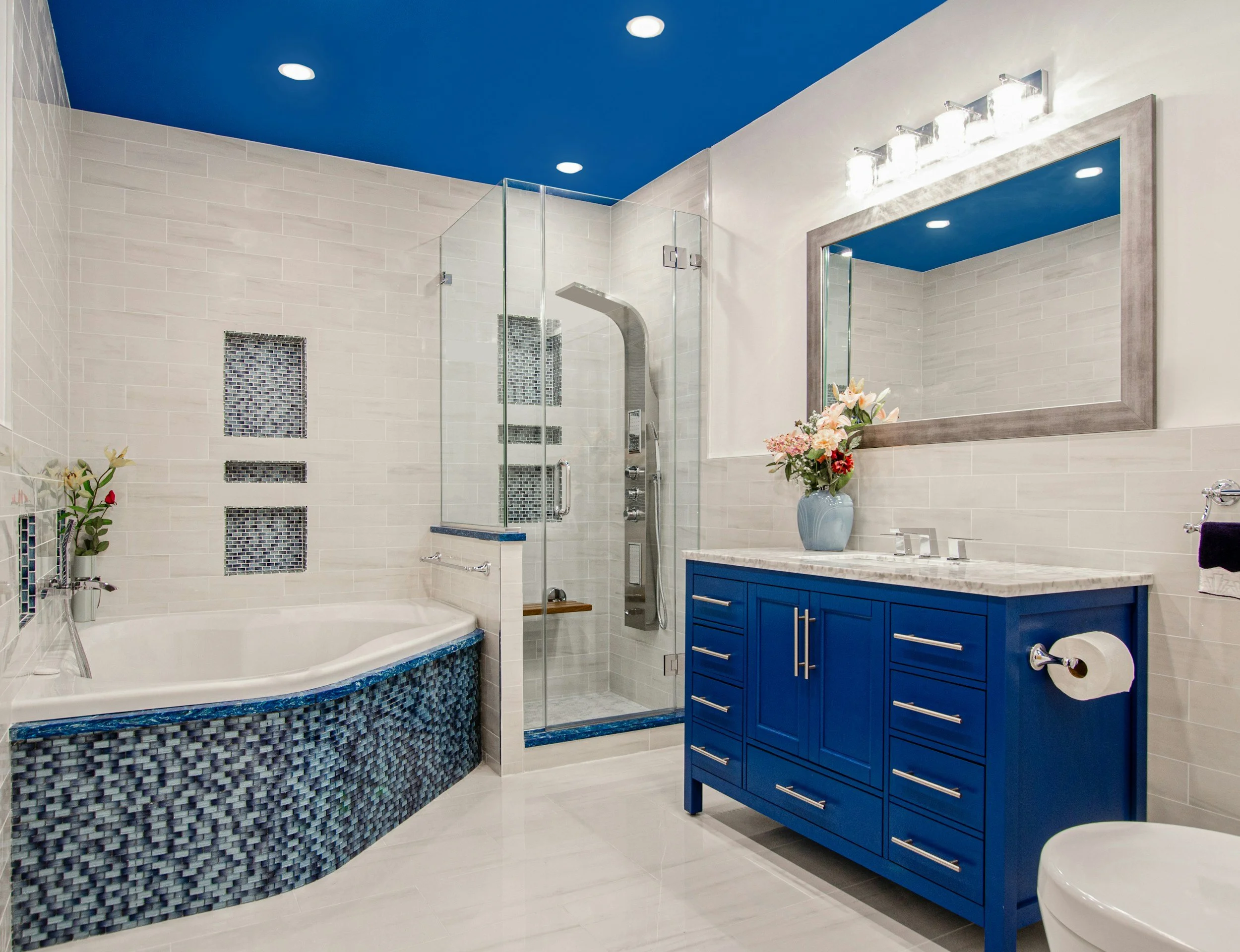
Bathroom remodeling in Redmond: Why hiring a licensed contractor matters
Bathroom remodeling in Redmond is often the moment homeowners realize how much trust is placed in the hands of the person doing the work.
We partnered with a home improvement company for this post. The opinions in the post are honest. All reviews and opinions expressed in this post are based on our personal views. We are excited because we know you will love it.
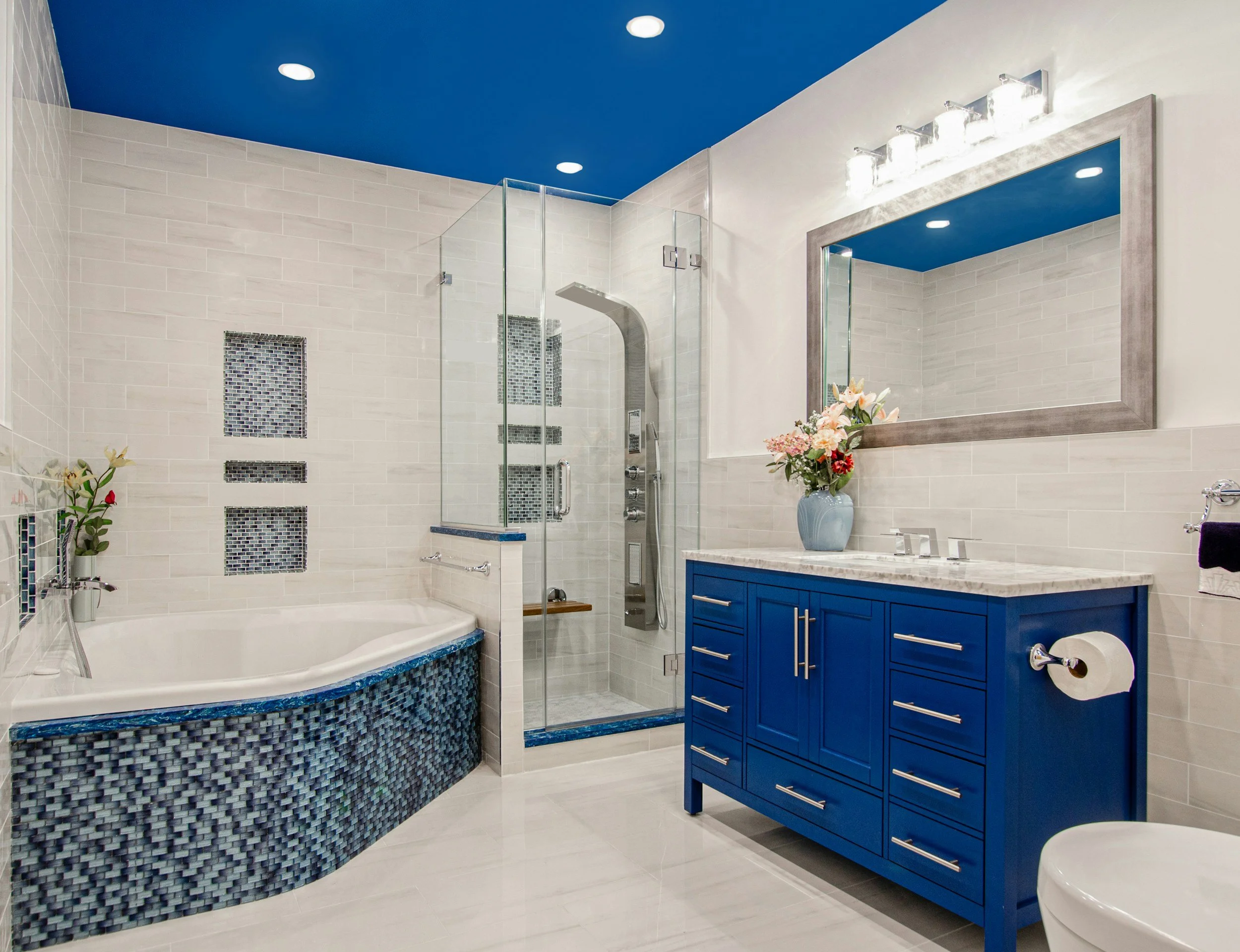
Bathroom remodeling in Redmond is often the moment homeowners realize how much trust is placed in the hands of the person doing the work.
I remember standing in my own half-finished bathroom years ago, staring at exposed pipes, wondering how something so small turned so complicated so fast.
What looked like a simple upgrade quickly became a lesson in why experience and proper licensing are not optional in a space that handles water, electricity, and daily wear.
Why bathrooms demand professional oversight
Bathrooms are the most technically demanding rooms in a home.
Behind every tile and fixture sit plumbing lines, electrical wiring, ventilation systems, and moisture barriers that must work together flawlessly.
During one renovation I followed closely, a tiny miscalculation in drain slope caused standing water that was invisible until tiles were removed months later.
A licensed contractor anticipates these problems before they ever exist.
The real meaning behind a contractor’s license
A license is not just a badge on a website or a number on a business card.
It confirms that the contractor has passed exams, understands building codes, and carries required insurance, which is especially important during Bathroom remodeling Redmond projects where mistakes are expensive.
During one remodel, I observed an inspector flagged improper venting that would have caused mold behind the walls within a year.
A licensed professional corrected it before drywall went up, saving the homeowner thousands in future repairs.
Building codes are written in response to failure
Most building codes exist because something went wrong somewhere before.
Bathrooms have strict regulations around electrical spacing, waterproofing layers, and airflow.
I once watched a beautifully designed shower get dismantled because the waterproof membrane did not meet inspection standards.
That mistake delayed the project and doubled labor costs.
Waterproofing is not visible but it defines longevity
Tile gives the illusion of protection, but it is not waterproof.
The real defense lies beneath the surface in membranes, sealants, and proper substrate installation.
An experienced contractor knows which system fits each layout and climate condition.
I have seen improperly sealed shower walls lead to structural rot that stayed hidden until damage spread beyond the bathroom.
Layout decisions affect everyday comfort
Design is not just about aesthetics.
It determines how the space functions when you are rushing to get ready or winding down at night.
During one renovation, a contractor suggested shifting a vanity slightly to improve walkway clearance.
That small adjustment eliminated daily frustration and made the room feel larger without expanding it.
Plumbing mistakes are slow and unforgiving
Plumbing failures rarely announce themselves immediately.
They leak quietly behind walls and beneath floors.
Licensed professionals pressure test lines and verify connections before closing walls.
I once worked with a homeowner who noticed bubbling paint months after a remodel, only to discover a hidden leak behind the shower.
Permits protect homeowners more than builders
Permits are often viewed as delays, but they provide essential oversight.
They ensure work meets safety standards before it becomes permanent.
Licensed contractors handle permits and inspections without pushing risk onto the homeowner.
I have seen real estate deals collapse because buyers uncovered unpermitted bathroom renovations during escrow.
Budget control comes from planning, not shortcuts
Skipping licensed professionals may seem cost effective at first.
In reality, it often leads to repairs, replacements, and delays.
Experienced contractors plan materials accurately and sequence labor efficiently.
One project I followed stayed on budget specifically because potential issues were anticipated early.
Coordination keeps projects moving
Bathroom remodels involve multiple specialists working in a confined space.
Plumbers, electricians, tile installers, and inspectors must follow a precise order.
Licensed contractors manage this flow so no trade blocks another.
Without coordination, I have watched projects sit idle for weeks due to scheduling conflicts.
Safety is part of craftsmanship
Bathrooms combine water, electricity, and enclosed environments.
Improper installations can create serious hazards.
Licensed professionals follow safety protocols that protect both the home and its occupants.
I once observed a contractor halt work immediately after discovering outdated wiring behind an old vanity.
Long-term value goes beyond resale numbers
A properly remodeled bathroom delivers peace of mind.
Quality work reduces future repairs and unexpected maintenance.
Homeowners often say they feel more confident knowing their bathroom was built correctly from the inside out.
That reassurance becomes part of everyday life.
Making the right decision from the start
Hiring a licensed contractor is not about luxury.
It is about accountability, foresight, and protecting your investment.
Bathrooms are high-risk spaces where mistakes are expensive and disruptive.
When handled correctly, they become one of the most satisfying upgrades in a home.
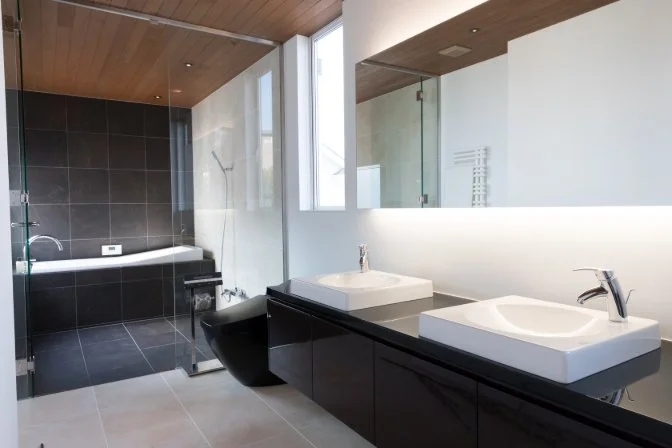
From Planning to Profit: Your Complete Guide to Bathroom Remodeling
Bathroom remodels rank among the most popular home improvement projects, offering benefits that extend far beyond aesthetics. A well-planned renovation improves daily functionality, provides a strong return on investment, increases energy efficiency, and significantly boosts resale value. Thinking about a remodel? Here's everything you need to know to navigate the process successfully.
Bathroom remodels rank among the most popular home improvement projects, offering benefits that extend far beyond aesthetics. A well-planned renovation improves daily functionality, provides a strong return on investment, increases energy efficiency, and significantly boosts resale value. Thinking about a remodel? Here's everything you need to know to navigate the process successfully.
Assessing Your Needs
Functional vs. Aesthetic Goals
Before diving into design inspiration, honestly evaluate what's driving your remodel desire. Understanding whether you're primarily focused on functional improvements or aesthetic updates will guide every decision that follows.
Common Triggers for Renovation
Homeowners typically pursue bathroom remodels due to outdated fixtures that no longer function properly, poor layouts that create daily frustration, water damage requiring immediate attention, or changing accessibility needs. Perhaps your morning routine feels cramped, storage is inadequate, or the space simply doesn't reflect your personal style.
Creating Your Priority List
Pro tip: Create a comprehensive wishlist of everything you'd love to change, then categorize items as must-haves versus nice-to-haves. Must-haves might include fixing functional issues or adding essential storage, while nice-to-haves could include luxury features. This exercise helps maintain focus when making budget decisions.
Setting a Realistic Budget
Average Costs by Remodel Type
Understanding financial scope prevents costly surprises and helps inform decisions throughout the process. Cosmetic updates typically require modest investment, while full gut renovations represent significant financial commitments. Mid-range remodels fall somewhere between these extremes.
Hidden Costs to Consider
Don't overlook expenses beyond materials and labor. Permits, plumbing upgrades for older homes, mold remediation, outdated electrical work, or structural issues discovered during demolition can significantly impact budgets. Plan for a contingency fund to handle unexpected discoveries.
Financing Options
Consider various funding approaches, including home equity loans or lines of credit, personal loans for smaller projects, or contractor financing programs. Some homeowners choose phased approaches, spreading costs over time while maintaining functionality.
Designing Your New Space
Layout Considerations
Smart design maximizes both function and visual appeal within existing space constraints. Evaluate traffic flow, natural and artificial lighting integration, and proper ventilation to prevent moisture problems that can lead to costly repairs.
Material Choices
Material selection significantly impacts both budget and long-term satisfaction. Consider durability, maintenance requirements, and aesthetic appeal when choosing flooring, wall treatments, countertops, vanities, and fixtures. Balance initial costs with long-term performance expectations.
Style Inspiration
Popular design approaches include modern styles emphasizing clean lines, farmhouse aesthetics incorporating warm woods and vintage hardware, spa-like retreats focusing on natural materials and calming colors, and minimalist approaches prioritizing function and simplicity.
Design Planning Tools
Pro tip: Create mood boards using magazine clippings or digital tools to visualize how different elements work together. Many retailers offer virtual design services that help visualize ideas before making final selections.
Hiring the Right Professionals
DIY vs. Professional Installation
Project complexity and personal skill levels determine appropriate approaches. Simple updates like painting, replacing hardware, or installing new accessories might be manageable DIY projects, while plumbing relocations, electrical work, and complex installations typically require professional expertise to ensure proper function and code compliance.
Working with professionals, such as RIHI The Home Improvement Specialist, brings significant advantages beyond technical expertise. Experienced contractors understand local building codes, navigate permit processes efficiently, carry insurance protection, and provide warranties on their work. They can also coordinate multiple trades and troubleshoot unexpected issues, ensuring quality workmanship while protecting manufacturer warranties.
Vetting Contractors
Verify appropriate licenses, liability insurance, and workers' compensation coverage. Request and contact recent references, asking about work quality, timeliness, cleanliness, and problem resolution. Online reviews provide additional insights, but focus on patterns rather than individual complaints.
Written Contracts and Scope
Written contracts protect both parties and should include detailed work scopes, material specifications, timeline expectations, change order procedures, and payment schedules. Avoid contractors requesting large upfront payments or pressuring immediate decisions.
Choosing the Right Materials
Flooring Options
Bathroom flooring must withstand moisture, frequent cleaning, and daily traffic. Popular options include porcelain tile, offering excellent water resistance, luxury viny,l providing comfort and easy installation, and natural stone, creating elegant environments while requiring regular maintenance.
Wall Treatments
Wall materials set design tone while protecting against moisture damage. Consider ceramic tiles for durability, specially formulated bathroom paints for budget-friendly updates, and wainscoting for traditional charm with splash protection.
Countertops and Vanities
Bathroom surfaces should resist stains, scratches, and water damage. Engineered materials provide consistent patterns and low maintenance, natural stone offers unique beauty with proper care, and solid surfaces allow integrated features. Vanity selection impacts both storage capacity and overall style.
Fixtures and Hardware
Modern fixtures improve both function and efficiency. Consider water-saving toilets, durable faucet mechanisms, and coordinated hardware finishes throughout the space for a cohesive, professional appearance.
Lighting and Ventilation
Proper lighting combines task, ambient, and accent sources for optimal functionality. Vanity lighting should eliminate shadows, while overhead fixtures provide general illumination. Appropriately sized exhaust fans prevent moisture problems, leading to mold and structural damage.
Doors and Windows
Balance privacy needs with natural light preferences. Consider frosted glass for light transmission with privacy, solid doors for complete privacy in shared spaces, and humidity-resistant window treatments offering adjustable privacy and light control. When selecting door and window frames, lumber options, like what you might find through someone like Dolans Lumber for Doors and Windows, like cedar or treated pine, provide natural beauty and can be customized to match your design aesthetic, though they require proper sealing and maintenance in humid bathroom environments.
Navigating Permits and Compliance
Building Codes and Requirements
Most bathroom remodels require permits, especially when involving plumbing or electrical changes. Local building codes ensure safety and proper installation, while accessibility considerations might be required for certain modifications. Contact local building departments early in planning to understand specific requirements.
Plumbing and Electrical Updates
Upgrades often involve moving water supply lines, drain relocations, or installing modern fixtures with different connection requirements. Electrical work might include adding circuits, upgrading lighting, or installing required safety outlets. These improvements enhance safety but impact your timeline and budget.
Timeline Impacts
Inspections and approvals vary by location, but typically add time to project schedules. Plan accordingly and ensure contractors schedule inspections promptly to avoid delays that extend project duration and increase costs.
Timeline and Project Phases
Typical Duration
Bathroom remodel timelines depend on project scope and complexity. Small updates might take several weeks, while full renovations typically require longer timeframes for complex projects involving structural changes.
Project Phases
Typical phases include demolition and disposal, rough-in work for plumbing and electrical updates, installation of tile and major fixtures, and finishing work, including paint, trim, and final connections. Each phase must be completed and inspected before the next begins.
Minimizing Disruption
Planning alternative arrangements for daily routines reduces construction impact. If multiple bathrooms exist, designate one as primary during construction. For single-bathroom homes, consider temporary solutions during the most disruptive phases.
Maximizing ROI
High-Value Features
Strategic choices significantly impact return on investment. High-value improvements include double vanities accommodating busy families, walk-in showers appealing to modern preferences, and energy-efficient fixtures reducing utility costs. Focus on enhancements that improve daily functionality.
Resale Considerations
Resale strategies favor neutral design choices appealing to broad audiences over highly personalized selections. Durable materials maintain appearance over time, while classic design elements provide lasting appeal across changing style preferences.
Investment Strategy
Invest in timeless upgrades providing long-term value rather than chasing current trends. Classic materials, neutral colors, and quality fixtures maintain appeal while providing reliable performance for years to come.
Successful bathroom remodeling combines careful planning, realistic budgeting, and strategic material selection to create spaces that enhance daily life while providing strong investment returns. While the process can be disruptive, the end result—a beautiful, functional space tailored to your needs—makes the temporary inconvenience worthwhile. Ready to start your remodel? Contact us for a free consultation.

What Homeowners Wish They Knew Before Starting A Home Upgrade Project
Let’s be real—upgrading your space sounds exciting. New paint, fresh tiles, fancy lighting - what’s not to love? But here’s the thing: jumping into a makeover without knowing what’s ahead can turn that dream project into a total stress fest. From surprise costs to weird permit rules, a lot can go sideways when you're not fully prepared.

Let’s be real—upgrading your space sounds exciting. New paint, fresh tiles, fancy lighting - what’s not to love? But here’s the thing: jumping into a makeover without knowing what’s ahead can turn that dream project into a total stress fest. From surprise costs to weird permit rules, a lot can go sideways when you're not fully prepared.
In San Diego, where sunshine and style go hand in hand, it's no surprise that people are constantly upgrading their living spaces. But with frequent upgrades come just as many mishaps. Talk to anyone local, and you’ll hear at least one “wish I knew that earlier” story. That’s why we've pulled together this helpful list—to ensure your project goes smoothly from start to finish.
Planning Isn’t Optional—It’s Essential
Many people get excited and rush into upgrades without a proper plan. This usually ends in delays, extra expenses, or half-finished projects. A solid plan helps you stay focused, know your limits, and work with the right people from the start. It’s also easier to avoid costly surprises when you have clear steps in place.
Not All Services Are Equal: Trust Local Experts for Precision Work
If you're thinking of upgrading your lights, plumbing, or electrical systems, don’t assume any general contractor will do. These tasks require trained professionals who know what they’re doing. Hiring someone with real experience in these areas can save you a lot of stress. For trusted results and stress-free work, you must only rely on experienced professionals. If you’re looking for trusted professionals for fixture installation San Diego has many options, like Switch Your Fixture, which offers expert services for lighting, plumbing, and electrical needs, making it easier to finish upgrades without issues. Their local reputation and customer-first approach make a big difference.
Budget for the Unexpected
No matter how solid your quote looks, keeping some extra funds aside is wise. Upgrades often come with surprise costs—old wiring, water damage, or delivery delays are more common than you’d think. These issues can easily throw off your timeline and add stress if you’re not prepared. Most experts recommend setting aside at least 10–20% of your total budget to handle any unexpected bumps. Having that cushion gives you peace of mind and helps you keep the project moving, even when the unexpected shows up.
Permits and Regulations Matter More Than You Think
Many people skip permits to save time or money, but this can backfire quickly. If your upgrade isn’t up to code, you might face fines or be forced to redo the work. Getting the proper permits from the beginning saves a lot of trouble later on. It’s also something most experienced contractors will guide you through.
DIY Isn’t Always Cheaper or Smarter
While DIY videos make upgrades look easy, not every job should be done alone. Tasks like plumbing or electrical work can be dangerous and need specific knowledge. What might look like a money-saving move can actually lead to higher repair costs. Always think twice before skipping professional help for tricky jobs. Always think twice before skipping professional help for tricky jobs, especially when the risks outweigh the savings.
Prioritize Function Before Aesthetics
Yes, new design trends are exciting. A cool backsplash or fancy faucet might look amazing, but make sure it works well, too. Think about what you use every day and upgrade those things first. Plumbing, ventilation, and electrical outlets matter more than color schemes. Once these systems are strong, you can layer on all the design details you want. A project that looks good but doesn’t function will never feel like a win in the long run.
Communication with Contractors Can Make or Break Your Project
Clear communication with your contractor is one of the most important parts of a smooth upgrade. Be honest about your expectations, your budget, and your timeline. Set up regular check-ins to stay updated on the progress and ask questions when you’re unsure about something. Even something small, like a material delay, can throw off your schedule if you’re not in the loop. A contractor who keeps you in the know makes managing the process much easier.
Good Lighting Makes a Huge Difference
Lighting is often one of the last things people think about, but it plays a much bigger role than most expect. The right setup not only changes the look of a space, but it also affects your mood and energy use. Natural lighting during the day and warm lights at night can create a perfect balance. Try to plan lighting for function and style. Add task lighting where you work, ambient lights to relax, and accent lights to highlight areas you love.
You’ll Probably Need to Make Temporary Living Adjustments
Let’s face it—upgrades can get messy. You might have limited access to bathrooms, kitchens, or other key rooms. There could be dust, noise, or even no water for a few hours. That’s why it helps to prepare ahead. Move furniture, set up a quiet work area, or plan meals you don’t need to cook. For bigger jobs, staying with family or booking a short-term rental might be smart. Planning ahead avoids frustration.
Upgrades Can Boost Home Value—If Done Right
Not every upgrade increase property value, so making smart choices is important. Focus on the spaces that buyers care about most—like kitchens, bathrooms, and energy-saving features. Also, always hire licensed professionals who follow safety codes. Poor or incomplete work might scare buyers away later. When done correctly, your upgrade can boost your living experience and your resale value down the road.
Starting an upgrade is exciting, but it comes with many moving parts. Knowing what to expect and planning ahead will save time, money, and stress. These tips aren’t just helpful—they’re the same things experienced homeowners wish they knew earlier. Use these lessons to make smarter decisions and avoid common mistakes. Whether it’s a small improvement or a big project, being prepared is the key to loving the result. Good luck, and enjoy the journey!