

A resource for those seeking information on organizing and transforming spaces.
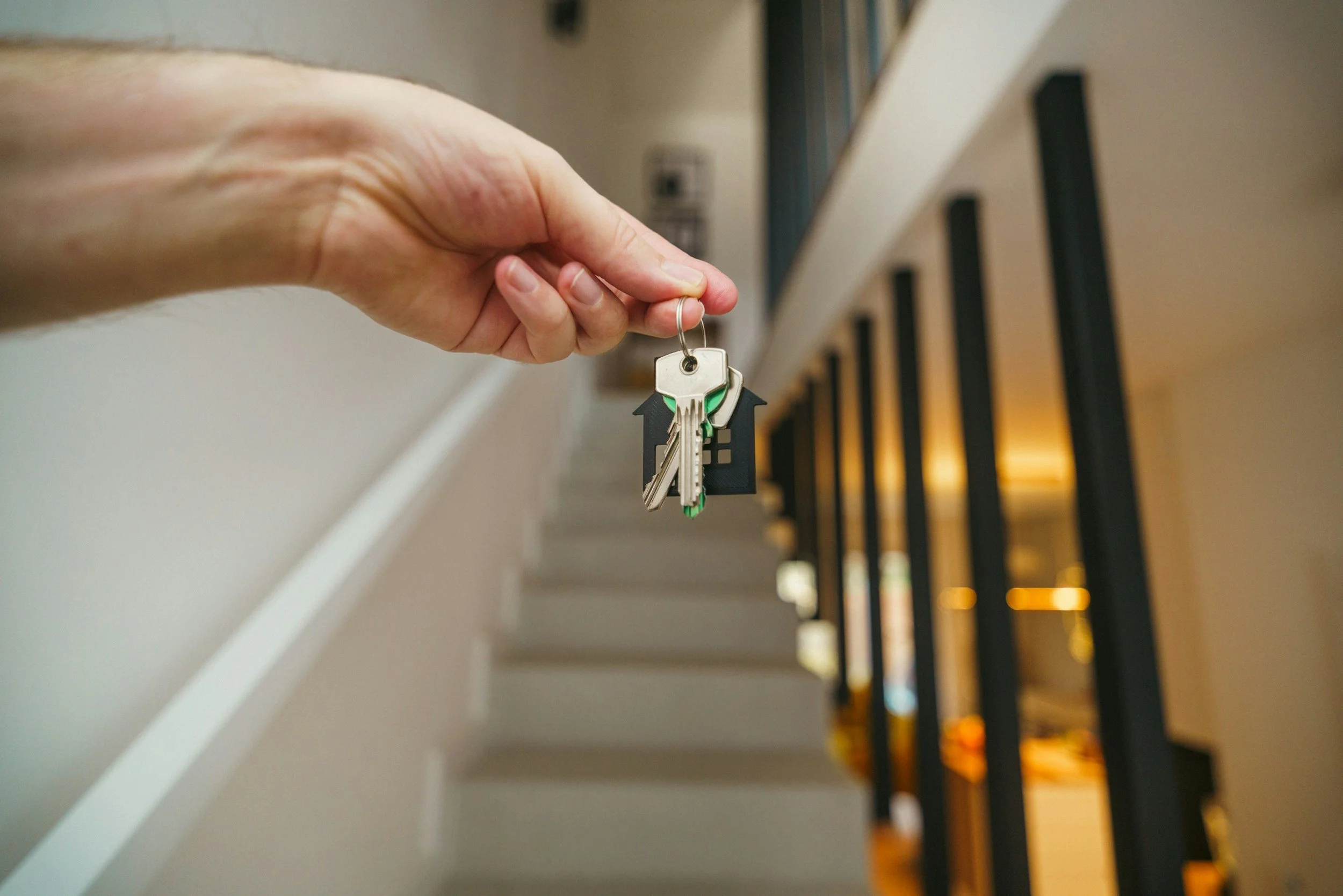
How to Simplify the Process of Selling Your Home
Selling a home involves more than finding a buyer. Homeowners must organize belongings, prepare the property, compare offers, manage paperwork, and coordinate a move. Without a clear plan, these tasks can overlap and create unnecessary delays. A structured approach helps reduce stress while keeping important decisions on track.
We partnered with a real estate company. for this post. The opinions in the post are honest. All reviews and opinions expressed in this post are based on our personal views. We are excited because we know you will love it.
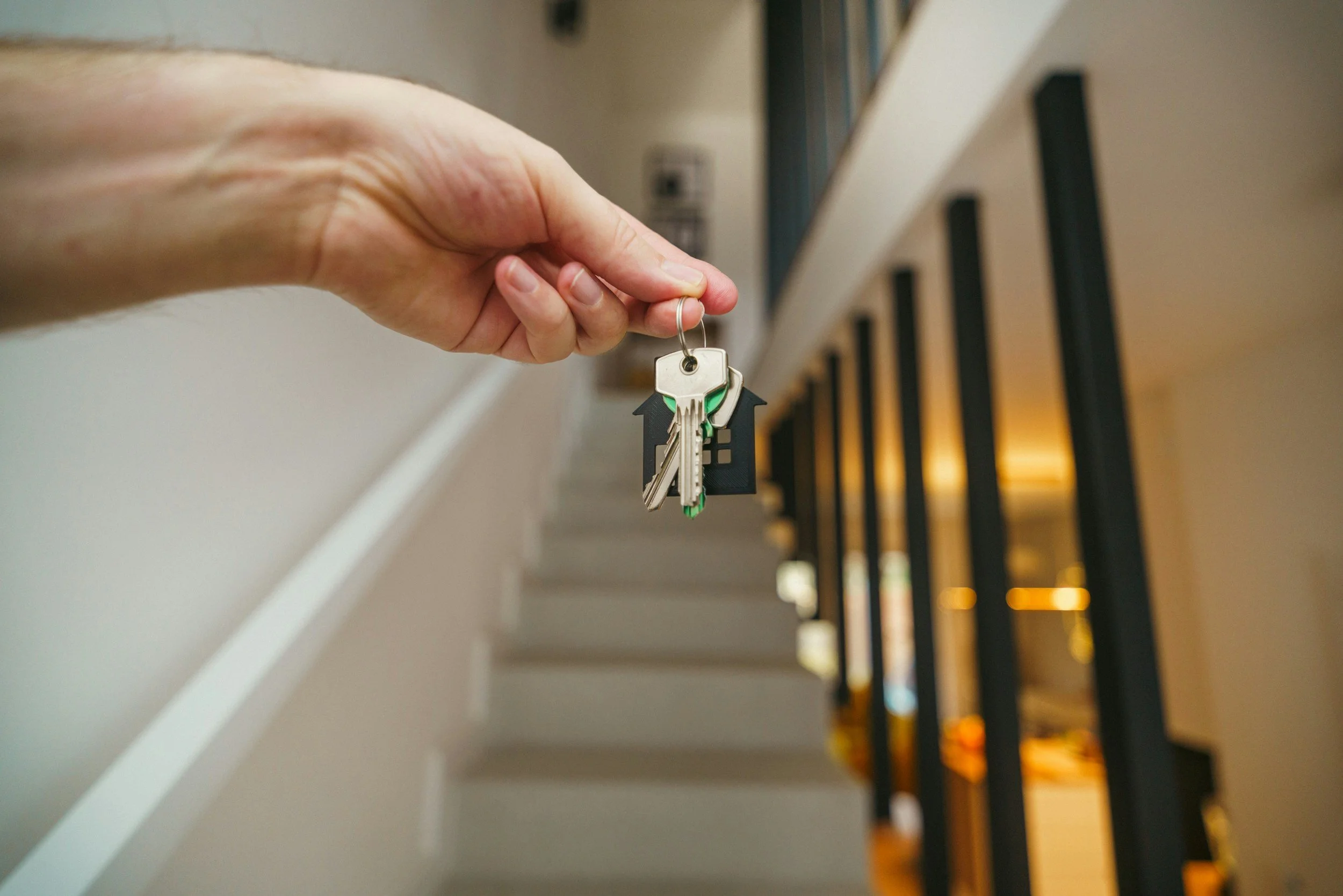
Selling a home involves more than finding a buyer. Homeowners must organize belongings, prepare the property, compare offers, manage paperwork, and coordinate a move. Without a clear plan, these tasks can overlap and create unnecessary delays. A structured approach helps reduce stress while keeping important decisions on track.
Start With a Clear Selling Plan
Before packing boxes or scheduling repairs, establish your priorities. Decide when you want to sell, where you plan to move, and how much time you can devote to preparing the property. These decisions will influence which improvements are worthwhile and how you organize the transition.
Create a simple timeline with deadlines for cleaning, repairs, property viewings, document preparation, and moving arrangements. Assign each task a realistic completion date. If several people are involved, clarify who is responsible for each step.
It also helps to establish a working budget. Account for repairs, cleaning services, storage, moving expenses, and potential transaction costs. Having these figures available makes it easier to evaluate offers based on the proceeds you may actually receive rather than the headline sale price.
Declutter Before Preparing the Property
Organizing the home early can make the rest of the selling process more manageable. Excess furniture, personal collections, and unused household items can make rooms appear smaller and complicate cleaning. Removing unnecessary belongings also reduces the amount that must be packed later.
Work through one room at a time instead of trying to organize the entire property in a single weekend. Sort items into four categories: keep, donate, sell, and discard. Label boxes clearly and maintain an inventory of important belongings.
Pay particular attention to storage areas, closets, garages, and spare rooms. These spaces often accumulate items that homeowners forget to address until moving day. Clear pathways and accessible storage also make it easier to inspect the property and identify maintenance issues.
Choose a Selling Method That Fits Your Situation
The right selling approach depends on your timeline, property condition, financial priorities, and willingness to manage preparation work. A traditional listing may provide access to a wider pool of buyers, but it can involve showings, negotiations, inspections, and repairs.
Homeowners who need a more direct route can also explore cash-sale options. For example, you can learn about alternative home-selling options and assess whether this approach fits your circumstances. Cash buyers may purchase properties in their current condition, depending on the buyer and the terms offered. However, offers, fees, closing timelines, and repair expectations vary, so review the details carefully.
Compare each option using the same criteria:
Expected proceeds after expenses and any outstanding mortgage balance.
Preparation and repair work required before closing.
Likely timeline from accepting an offer to transferring ownership.
Contract conditions, cancellation rights, and potential fees.
Flexibility around your preferred moving date.
A written comparison helps you evaluate the practical trade-offs instead of making a decision based solely on speed or the advertised offer price.
Prepare the Property Efficiently
Not every home needs a major renovation before it goes on the market. Focus first on maintenance issues that could affect safety, functionality, or a buyer's assessment of the property. Fix leaking faucets, replace failed light bulbs, secure loose handles, and address visible damage where appropriate.
Next, clean high-impact areas such as kitchens, bathrooms, windows, and floors. Neutral presentation can help buyers focus on the property's layout and condition rather than personal belongings or unfinished tasks.
Keep receipts, warranties, permits, and records of completed work together. Organized documentation can help answer buyer questions and reduce delays during negotiations.
Keep Documents and Moving Arrangements Organized
Paperwork is easier to manage when everything is stored in one secure location. Create a digital folder for property records and a physical folder for documents that require signatures or original copies. Include mortgage information, property tax records, utility details, warranties, repair receipts, and relevant disclosures.
Maintain a checklist of outstanding requirements. Depending on the transaction, you may need to coordinate with a title company, real estate agent, attorney, or buyer. Respond promptly to document requests and clarify deadlines before they become urgent.
At the same time, plan your move around the expected closing date. Get estimates from movers, arrange temporary storage if necessary, and identify items that must remain accessible until moving day. Avoid scheduling every service for the same day, since delays in closing can affect access to the property.
The Consumer Financial Protection Bureau's closing guidance provides useful information about reviewing transaction documents and resolving discrepancies before signing. Although much of its guidance addresses home purchases and mortgage closings, the general lesson is relevant: understand the paperwork and confirm the agreed terms before finalizing a transaction.
Reduce Last-Minute Problems
As closing approaches, review your checklist and confirm that each outstanding task has an owner and deadline. Verify moving arrangements, utility transfers, key handover instructions, and any contractual requirements concerning the property's condition.
Keep essential items separate from packed belongings. Identification, medication, keys, financial records, chargers, and important contact details should remain easy to reach. Photograph the property's condition when appropriate and retain copies of documents related to the transaction.
Before signing final paperwork, check the sale price, agreed credits, fees, outstanding obligations, and other terms against your contract. Ask the appropriate professional to explain any discrepancy. Do not assume that an unexpected charge or changed condition is automatically correct.
Make the Sale Easier With Better Organization
Selling a home becomes more manageable when preparation, paperwork, and moving arrangements follow a clear sequence. Start by setting priorities, remove unnecessary belongings early, compare selling methods carefully, and keep all important records accessible.
A well-organized process does not eliminate every delay, but it helps you make informed decisions and respond to problems without losing track of essential tasks. The goal is to move from preparation to closing with fewer surprises, a clearer budget, and a practical plan for the next stage.

8 Common Mistakes That Lower Your Home’s Resale Value
When it’s time to sell your house, every small detail matters. A few overlooked issues can make buyers hesitate or reduce their offer price. From neglected repairs to poor curb appeal, some mistakes can quietly eat away at your home’s resale value. The good news is that most of these problems are fixable with a little awareness and preparation. Let’s look at eight common missteps that can cost sellers money and how to avoid them.
We partnered with a real estate company for this post. The opinions in the post are honest. All reviews and opinions expressed in this post are based on our personal views. We are excited because we know you will love it.
When it’s time to sell your house, every small detail matters. A few overlooked issues can make buyers hesitate or reduce their offer price. From neglected repairs to poor curb appeal, some mistakes can quietly eat away at your home’s resale value. The good news is that most of these problems are fixable with a little awareness and preparation. Let’s look at eight common missteps that can cost sellers money and how to avoid them.
Mistake No. 1: Ignoring Basic Maintenance
Leaky faucets, squeaky doors, and peeling paint might seem minor, yet they send the wrong message to buyers. A home that looks uncared for raises red flags about bigger hidden problems. Regular maintenance, such as sealing cracks, fixing drips, and tightening loose fixtures, shows responsibility. Buyers often make emotional decisions. When they spot neglected maintenance, they assume future headaches. Staying ahead on upkeep signals that your home has been treated with respect, which instantly adds confidence and value to the sale.
Mistake No. 2: Skipping Professional Cleaning and Decluttering
Clutter makes rooms feel smaller and hides the true potential of your home. Too many personal items can also make it hard for buyers to imagine their own life in the space. Before listing, deep clean every room, from carpets to baseboards, and remove anything that distracts from the home’s features. Consider hiring a cleaning service to reach spots you might overlook, such as ceiling fans or behind appliances. A spotless, well-organized home photographs better and shows buyers that the property has been cared for in detail.
Mistake No. 3: Overpersonalizing Renovations
Your bright red kitchen cabinets or jungle-themed bathroom might reflect personality, but they can limit your buyer pool. Highly specific design choices often make it harder for others to picture themselves living there. Neutral colors and simple finishes appeal to a wider range of people. If you’ve made unique updates, consider small changes to tone them down. Repainting bold walls or replacing unusual fixtures. Buyers will see move-in-ready potential instead of extra projects they’ll need to redo.
Mistake No. 4: Forgetting About Curb Appeal
First impressions start the moment someone pulls into the driveway. Overgrown grass, faded paint, or cracked sidewalks make buyers question what other issues might exist inside. Boosting curb appeal doesn’t require huge spending just some attention to detail.
Trim bushes, add mulch, clean gutters, and pressure wash walkways. A few flower pots near the entrance can make the home feel inviting. If your budget allows, a new mailbox or updated front door color can provide an instant refresh. For homeowners in Kansas City, contacting Chris Buys Homes KC can be a smart move if you’d rather sell quickly without spending on upgrades. They buy homes as-is, saving you time and repair costs while still giving you a fair offer.
Mistake No. 5: Neglecting Lighting and Ambience
A dim or poorly lit home feels smaller and older than it really is. Lighting affects mood and can either highlight or hide a home’s best features. Make sure every room is bright and welcoming before showings or photos. Replace outdated light fixtures with modern, affordable ones and choose warm LED bulbs for a cozy glow. Open curtains during the day to let in natural light. In the evening, add lamps in darker corners to create balance and comfort.
Mistake No. 6: Ignoring Minor Repairs Before Listing
Loose railings, squeaky doors, or cracked tiles might not seem urgent, yet buyers see them as signs of neglect. These small flaws often lead to lower offers or repair requests during inspection. Fixing them early prevents negotiations from stalling later.
Take a walk through your home and note anything that feels worn or broken. Touch up wall paint, replace broken switch plates, recaulk around tubs, tighten cabinet handles, and oil any noisy hinges. These details might sound simple, but together they shape a buyer’s overall impression of how well your home has been cared for. Addressing them before listing creates a cleaner, more confident presentation that buyers appreciate.
Mistake No. 7: Mispricing Your Home
Setting the wrong price is one of the biggest reasons homes sit unsold. Overpricing turns buyers away, while underpricing means leaving money on the table. Research recent sales in your area and compare homes with a similar size, condition, and location. A good real estate agent can guide you through a pricing strategy using market data and buyer behavior trends. Staying realistic and flexible often leads to faster offers and smoother negotiations.
Mistake No. 8: Skipping Pre-Sale Inspections
Many sellers wait for buyers to order inspections, but getting one done beforehand can work to your advantage. A pre-sale inspection reveals problems early, giving you time to fix them or adjust the price accordingly. Buyers appreciate transparency, and sharing inspection results builds trust. It can even prevent last-minute deal collapses due to surprises. Think of it as an investment that saves stress and supports a stronger sale.
Bonus Tip: Overlooking Energy Efficiency and Photos
Modern buyers care about energy costs and first impressions online. Outdated windows, poor insulation, or dull photos can hurt value fast. Small upgrades like weather-stripping, LED lighting, or hiring a pro photographer can pay off quickly. Clean, bright listing photos and efficient features make your home look valuable and ready for the future.
Final Thoughts
Selling a home is part preparation, part presentation. Each small improvement tells buyers that your home has been loved and maintained. Avoiding these common mistakes not only saves time but can add thousands to your final sale price. Every detail from clean windows to updated lighting, works together to leave a lasting impression. When your house feels ready, buyers feel confident, and that confidence translates directly into stronger offers.

Affordable Ideas To Amplify Your Home’s Curb Appeal
Freshening up the curb appeal on your house doesn’t have to be expensive. These affordable ideas will amplify your home’s curb appeal without exceeding budget.
First impressions matter, especially when it comes to your home. A well-maintained exterior can boost your property’s value and make it more inviting. Enhancing your house’s curb appeal doesn’t have to break the bank. Here are some affordable ideas to amplify your home’s curb appeal.
Spruce Up Your Landscaping
Simple landscaping improvements can make a significant difference. Start by mowing your lawn regularly and trimming any overgrown shrubs or trees. Planting colorful flowers and adding mulch to your flower beds can instantly refresh your yard. Consider adding a few potted plants near your entryway for an extra touch of greenery.
Update Your Front Door and Porch
Your front door is one of the first things people see. A fresh coat of paint in a bold color can make it stand out. Don’t forget to update the hardware; a new doorknob and house numbers can modernize your entrance. Adding a high-quality acrylic finish to your front porch will ensure it looks great for years to come. While you’re at it, consider replacing or painting your porch light fixtures to match your new door aesthetic.
Add Outdoor Lighting
Outdoor lighting will highlight your home’s best features and provide added security. Solar-powered lights are both eco-friendly and cost-effective. Place them along your walkway or driveway to create a welcoming path. Install spotlights to emphasize architectural details or landscape features that will make a difference. String lights on your porch or patio can create a cozy ambiance for evening relaxation.
Tackle DIY Projects
A few DIY projects can transform your home’s exterior over a weekend. Paint or stain your fence to give it a new lease on life. Pressure wash your driveway, walkway, and siding to remove dirt and grime. Installing window boxes with seasonal flowers can add charm and color to your home’s facade. If you’re feeling adventurous, build a new mailbox or add a decorative house plaque.
Incorporate Seasonal Decor
Keeping your home looking fresh year-round is easy with seasonal decor. In the fall, add a wreath made of autumn leaves and pumpkins on your porch. Celebrate winter with festive lights and a holiday-themed doormat. Spring and summer offer opportunities to display vibrant flowers and cheerful garden ornaments. Regularly updating your decor keeps your home inviting and shows you care about its appearance.
Boosting your home’s curb appeal can be affordable. With these affordable ideas, you can make a lasting impression and increase your property’s value. Try one or more of these tips and watch your home transform.

Creating an Inviting Atmosphere for Potential Buyers at Your Open House
When preparing to welcome potential buyers, the ambiance of a property can be just as persuasive as its structural features. To stand out in a crowded market, a home must beckon visitors with comfort, style, and meticulous attention to detail. From carefully selected decor to the flawless functionality of every corner, each aspect plays a role in crafting a space that buyers can envision as their own. Keep reading to learn how strategic touches can turn a routine open house into a memorable showcase, prompting offers that reflect the true value of your oasis.
We partnered with a home design company for this post. The opinions in the post are honest. All reviews and opinions expressed in this post are based on our personal views. We are excited because we know you will love it.
When preparing to welcome potential buyers, the ambiance of a property can be just as persuasive as its structural features. To stand out in a crowded market, a home must beckon visitors with comfort, style, and meticulous attention to detail. From carefully selected decor to the flawless functionality of every corner, each aspect plays a role in crafting a space that buyers can envision as their own. Keep reading to learn how strategic touches can turn a routine open house into a memorable showcase, prompting offers that reflect the true value of your oasis.
Enhancing Aesthetic Appeal: Interior Design Tips
Creating an inviting atmosphere for potential buyers begins with understanding the crucial role of interior design. A well-conceived design plan highlights the property's strengths and subtly addresses shortcomings. Strategic placement of furniture, thoughtful color palettes, and the appropriate use of lighting can dramatically transform the essence of any space.
Potential homebuyers often envision living in the space during an open house, and a tasteful arrangement can greatly influence their decision. Complementing the home's features, such as a beautifully lit fireplace or an elegant bay window, with well-chosen decor items can create focal points that resonate with buyers. An inviting, stylishly furnished living area can suggest a life of comfort and ease.
Incorporating indoor plants can significantly amplify the attractiveness of a home by infusing a zone of tranquility and freshness. These maintenance-free green touches add warmth and organic texture, making spaces feel more homely and welcoming. Their presence weaves a thread of continuity from nature into the architectural confines of a house. You can buy artificial indoor plants by searching online for "artificial plants for indoors (https://www.nearlynatural.com/collections/fake-plants)" offering a low-maintenance alternative that still enhances a home's appeal with greenery and natural ambiance.
Harmony in design extends to ensuring that each room stands independently and relates to the entire house with a seamless flow. It's about creating a coherent narrative that potential buyers can connect with, where each room transitions effortlessly into the next, building upon the visual and emotional appeal established from the moment they step in.
Essential Repairs and Maintenance: Ensuring a Polished Presentation
Before opening the doors to potential buyers, sellers must ensure that their home operates flawlessly, and this extends to a well-functioning HVAC system. Berkeley Heating & Air Conditioning specializes in the essential repairs and maintenance that transform a house into an inviting home. A comfortable atmosphere is not just a bonus; it's a silent envoy that speaks volumes about the care invested in the property. For more information, visit https://berkeleyheating.com/.
During an open house, the subtle hum of a smoothly running heating and air conditioning system can provide a backdrop of domestic tranquility. While aesthetics are important, a home's air quality and temperature definitely shape visitor impressions. Timely servicing these systems can prevent unpleasant distractions that might detract from a home's allure.
A proactive approach to HVAC maintenance remedies current issues and foresees future ones, allowing for preemptive action that precludes last-minute, stressful repairs. This foresight proves advantageous, enhancing the chances of a successful showing. These unseen details help create that all-important, positive first impression for prospective buyers.
Personal Touches: Adding Warmth and Charm to Your Property

Introducing personal touches to an open house sets the stage for an immersive experience that potential buyers can emotionally connect with. By displaying unique artwork or placing a selection of classic literature on a coffee table, these elements invite visitors to linger and establish a deeper bond with the home. Such details can bridge the gap between an empty house and what could become a cherished home.
Strategic staging that incorporates elements of the homeowner's life, like a tastefully arranged family album or a vintage record player, can spark conversations and stir nostalgia. These shared experiences, reflected through carefully chosen pieces, create an instant relatability that urges potential buyers to form a lasting attachment with the property.
The aroma of freshly baked cookies or the subtle fragrance of lavender can subtly sway emotions and leave a lasting, favorable impression. When prospective buyers enter a home filled with comforting scents, it evokes a sense of sanctuary and care, compelling them to visualize their future moments of celebration and relaxation within these walls.
Overall, creating an inviting atmosphere for potential buyers involves a blend of meticulous interior design, essential maintenance, and personalized touches that resonate emotionally. By focusing on these elements, sellers can transform their open house into a compelling showcase highlighting the property's physical attributes and fostering a connection that leads to a successful sale.