

A resource for those seeking information on organizing and transforming spaces.
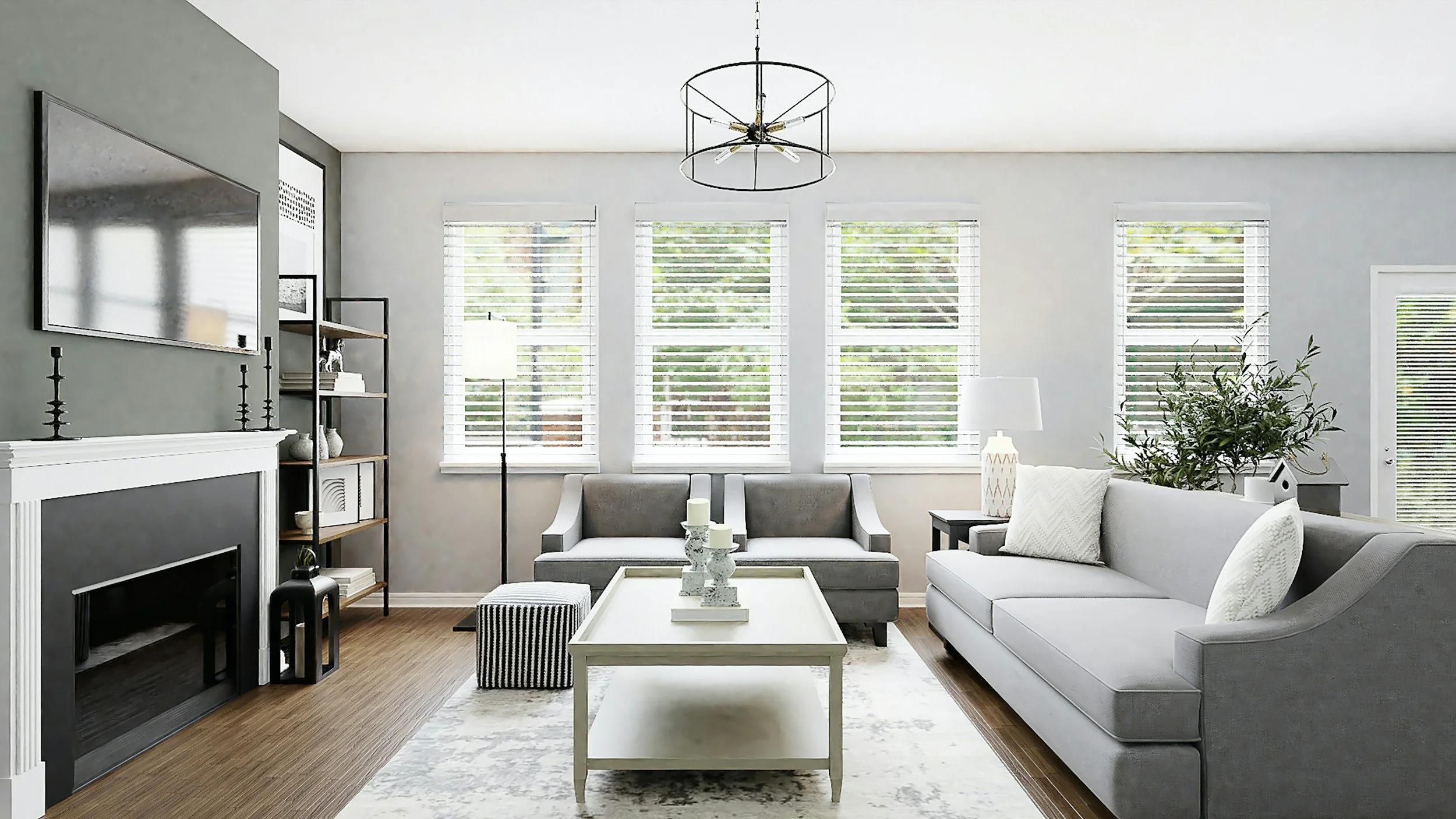
Revamping Your Home With The Touches It Needs
A home is rarely finished. Needs change, tastes shift, and the spaces that felt perfect a few years ago can start to feel tired or poorly suited to the way you live now. Revamping a home does not have to mean a full renovation. Often, a handful of well-chosen updates can transform how a space looks and functions, and it usually costs far less than starting from scratch.
We partnered with a home improvement company for this post. The opinions in the post are honest. All reviews and opinions expressed in this post are based on our personal views. We are excited because we know you will love it.
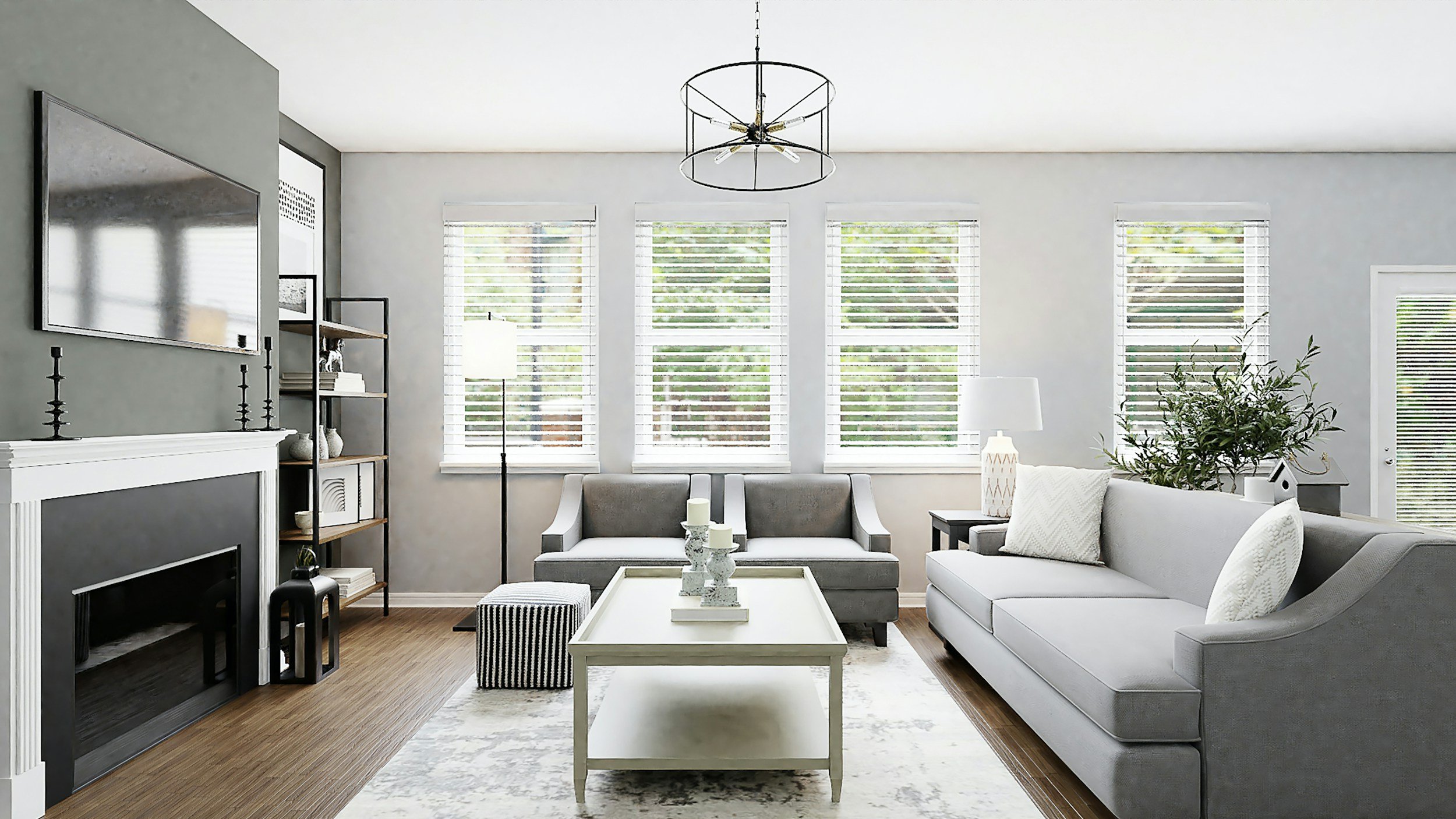
A home is rarely finished. Needs change, tastes shift, and the spaces that felt perfect a few years ago can start to feel tired or poorly suited to the way you live now. Revamping a home does not have to mean a full renovation. Often, a handful of well-chosen updates can transform how a space looks and functions, and it usually costs far less than starting from scratch.
Why Small Updates Make a Big Difference
Homeowners are investing heavily in their living spaces. The Harvard Joint Center for Housing Studies has reported that U.S. homeowners spend roughly $450 billion annually on remodeling and repairs, a figure that has climbed steadily over the past decade. Much of that spending goes toward targeted improvements rather than gut renovations, which suggests that people are finding value in incremental change.
The reasons are practical. Large remodels can take months, strain budgets, and disrupt daily routines. Smaller updates, such as new lighting, fresh paint, or replacement furniture, can be completed in days or weeks. They also allow you to spread costs over time and adjust as you go, so you are never locked into a single sweeping decision.
Start With a Honest Assessment of Each Room
Before buying anything, walk through your home and think about how each room is actually used. A living room that doubles as a workspace has different needs than one reserved for entertaining. A bedroom that feels cluttered may need better storage rather than new decor. Identifying the real problem keeps you from spending money on cosmetic fixes that do not solve anything.
It helps to look at three things in every room: the flow of movement, the quality of natural and artificial light, and the condition of the largest pieces. Furniture tends to define a room more than any other element, so if the sofa sags or the dining table wobbles, no amount of accessories will make the space feel right. Many homeowners find that replacing one or two anchor pieces changes the whole atmosphere.
Furniture Choices That Set the Tone
Furniture is both the most visible and most functional part of a home refresh. When shopping, quality matters as much as style. Solid wood construction, for example, tends to last decades with proper care, while particleboard pieces often begin to show wear within a few years. Providers like Naturwood Home Furnishings, among others, offer pieces built around natural materials and timeless design, which can make it easier to create a look that will not feel dated when trends move on. Choosing durable items also reduces long-term costs, since you replace them less often.
Scale and proportion deserve careful attention. An oversized sectional can overwhelm a small living room, while a tiny accent table can look lost in an open-plan space. Measuring your room and mapping out the layout on paper, or with painter's tape on the floor, is a simple way to avoid expensive mistakes. Leaving about thirty to thirty-six inches for main walkways is a common guideline among interior designers, and it keeps a room feeling open rather than crowded.
The Power of Lighting and Color
Lighting is one of the most underrated elements of home design. A well-lit room feels larger, warmer, and more inviting, while poor lighting can make even beautiful furniture look flat. Designers often recommend layering three types of light: ambient lighting for general illumination, task lighting for activities like reading or cooking, and accent lighting to highlight art or architectural features. Swapping out a harsh overhead fixture for a combination of lamps and dimmable fixtures can change the mood of a room instantly.
Color works in a similar way. Paint is among the most affordable updates available, and according to industry estimates, a typical room can be repainted for a few hundred dollars if you do the work yourself. Neutral tones such as warm whites, soft greys, and muted greens remain popular because they pair easily with different furniture styles and make rooms feel calm. If you prefer more personality, an accent wall or a deeper shade in a small room like a study can add depth without overwhelming the space.
Bringing in Texture, Greenery, and Personal Details
Once the larger pieces and lighting are in place, smaller details give a home its character. Textiles like rugs, curtains, and throw pillows add softness and warmth, and they are easy to swap out seasonally. A large area rug can anchor a seating area and define zones in an open floor plan, while layered window treatments can improve both privacy and light control.
Plants are another effective touch. Research from NASA's well-known clean air study and later work by other groups has sparked ongoing debate about how much houseplants actually purify indoor air, but their effect on mood and aesthetics is widely appreciated. Even a few low-maintenance varieties, such as snake plants or pothos, can bring life to a corner. Personal items, including framed photographs, books, and artwork you genuinely love, keep the space from feeling like a showroom.
Budgeting and Pacing Your Refresh
A realistic budget keeps a revamp enjoyable instead of stressful. Many designers suggest allocating the largest share of your funds to the items you use most, such as a sofa, mattress, or dining table, and spending less on decorative pieces that are easy to change. Setting aside an extra ten to fifteen percent for unexpected costs is also wise, since measurements, delivery fees, or small repairs often appear along the way.
Pacing matters too. Tackling one room at a time lets you learn what works before moving on. You might discover that a particular color palette or furniture style suits your home better than you expected, and you can carry those lessons into the next space. This approach also prevents the fatigue that comes from trying to change everything at once.
Creating a Home That Fits Your Life
The best home updates are not about following trends but about making your space work better for the people who live in it. By assessing each room honestly, investing in quality furniture, layering light and color thoughtfully, and adding personal touches, you can create a home that feels fresh without a major renovation. Take your time, plan carefully, and focus on the touches that matter most. The result will be a space that looks good, functions well, and continues to feel like yours for years to come.
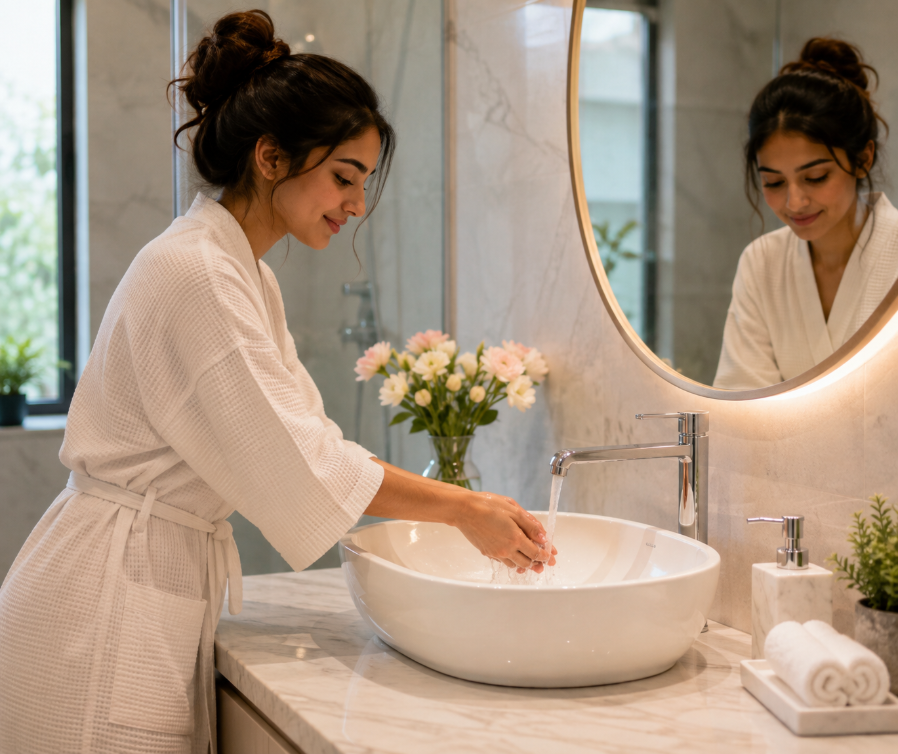
Modern Bathroom Hand Basins with Premium Designs
Ever wondered what single element could completely transform your bathroom from ordinary to extraordinary? Have you been scrolling through endless renovation inspiration, dreaming of that perfect blend of style and functionality? What if the secret to achieving that luxurious bathroom aesthetic was simpler than you thought?
Ever wondered what single element could completely transform your bathroom from ordinary to extraordinary? Have you been scrolling through endless renovation inspiration, dreaming of that perfect blend of style and functionality? What if the secret to achieving that luxurious bathroom aesthetic was simpler than you thought?
The humble hand basin has evolved dramatically over the years. No longer just a functional necessity, it's become a genuine design statement that sets the tone for your entire bathroom. Homeowners are increasingly recognising that investing in a premium hand basin isn't just about washing hands—it's about creating an experience, a moment of daily luxury that elevates your morning routine.
In this guide, we'll explore everything you need to know about selecting the perfect modern bathroom hand basins for your home. From popular styles and materials to trending designs for 2024, sizing considerations for compact spaces, and where to find quality options locally—we've got you covered. Whether you're renovating a heritage Fitzroy terrace or fitting out a sleek South Yarra apartment, you'll discover how to match your basin with the right tapware, understand installation requirements, and maintain your investment for years to come.
Why Choose Premium Hand Basin Designs for Your Home?
The Impact of Quality Basins on Bathroom Aesthetics
Your bathroom hand basins is often the first thing guests notice when entering your bathroom. It anchors the space visually and creates an immediate impression. A well-chosen premium basin can turn an average bathroom into something genuinely memorable.
Quality basins feature superior finishes, cleaner lines, and more refined proportions than budget alternatives. These subtle differences add up to create a polished, cohesive look. Plus, premium designs often incorporate innovative features—like concealed overflows or integrated soap dishes—that streamline the overall appearance.
Long-Term Value and Durability
While premium basins require a higher initial investment, they typically offer far better value over time. Quality materials resist staining, chipping, and wear much more effectively than cheaper alternatives. Many homeowners find themselves replacing budget basins within a few years, whereas a premium piece can last decades with proper care.
Popular Types of Modern Hand Basins
Wall-Mounted Basins
Wall-mounted basins are perfect for creating a clean, minimalist aesthetic. They attach directly to the wall, leaving floor space visible beneath. This makes bathrooms feel more spacious and simplifies cleaning—no more awkward manoeuvring around pedestal bases.
Countertop and Vessel Basins
Vessel basins sit atop your vanity bench, creating a striking sculptural effect. They're incredibly versatile, available in everything from classic white ceramic to textured stone. Designers love them for their ability to serve as genuine focal points.
Semi-Recessed Basins
Semi-recessed basins offer a clever compromise between countertop and under-mount styles. Part of the basin sits within the vanity while the rest extends outward. They're ideal for narrower bathrooms where you need maximum bench space without sacrificing basin depth.
Pedestal and Freestanding Basins
For a more traditional or statement-making approach, pedestal basins remain popular. Modern interpretations feature sleeker columns and contemporary shapes. Freestanding versions take this further, with the entire basin and stand forming one unified piece.
Under-Counter Basins
Under-counter basins mount beneath your vanity top, creating seamless surfaces that are easy to clean. They're particularly popular in contemporary homes were streamlined aesthetics reign supreme.
What Are the Best Materials for Bathroom Hand Basins?
Ceramic and Porcelain
Ceramic and porcelain remain the most popular choices for good reason. They're durable, hygienic, and available at various price points. Premium porcelain features denser construction and more refined glazes that resist marks and staining.
Natural Stone
Natural stone basins—think marble, granite, or onyx—bring unmatched luxury to any bathroom. Each piece is unique, with natural variations in veining and colour. They do require more careful maintenance but reward you with timeless beauty.
Solid Surface and Composite Materials
Materials like Corian and various composites offer excellent versatility. They can be moulded into virtually any shape and repaired if damaged. Many features integrated antibacterial properties, making them particularly hygienic.
Glass and Concrete Options
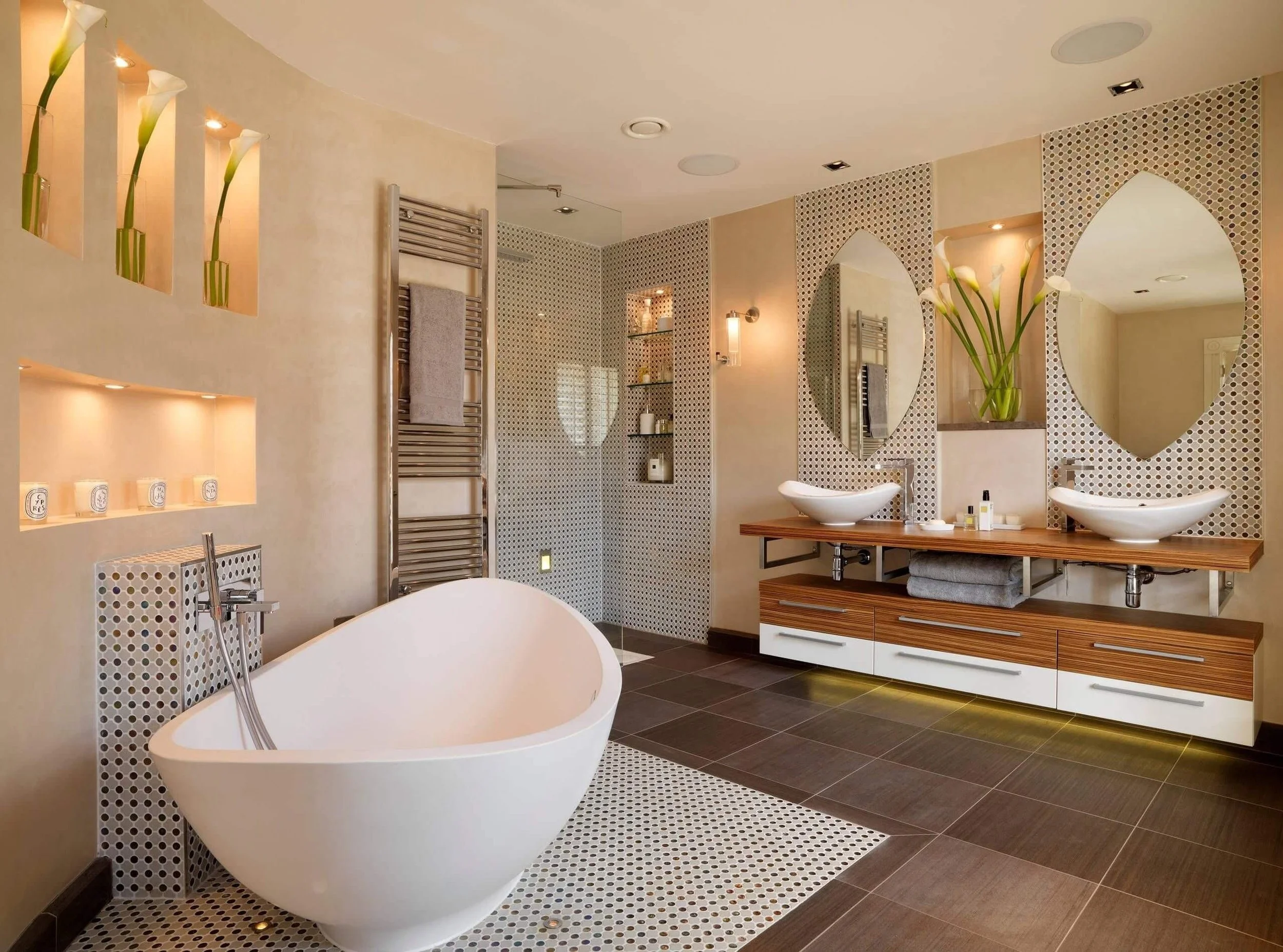
For something truly distinctive, glass basins create stunning visual effects, especially when paired with creative lighting. Concrete basins, meanwhile, suit industrial or minimalist spaces perfectly—they're tough, unique, and increasingly popular in inner suburbs.
How Do I Choose the Right Size Hand Basin for a Small Bathroom?
Small bathrooms present unique challenges, but the right basin choice can make all the difference. Start by measuring your available space carefully, including clearances for doors and movement.
Compact wall-mounted basins work brilliantly in tight spaces, typically ranging from 400mm to 500mm wide. Corner basins maximise awkward spaces that might otherwise go unused. Semi-recessed options let you have a generous basin without the vanity protruding too far into the room.
Consider depth as well as width. A deeper basin prevents splashing even in compact dimensions. Many suppliers now offer specifically designed compact ranges that don't compromise on style or functionality.
Trending Hand Basin Designs for 2026
Minimalist and Scandinavian Styles
Clean lines, neutral palettes, and understated elegance continue dominating bathrooms. Think soft curves, matte white finishes, and uncluttered designs. These basins complement virtually any bathroom style while creating calm, spa-like atmospheres.
Curved and Organic Shapes
Angular designs are giving way to softer, more organic forms. Oval and pill-shaped basins are particularly popular, referencing natural shapes and creating gentler visual energy. These designs feel approachable and contemporary simultaneously.
Matte Black and Coloured Finishes
While white remains classic, coloured basins are making waves. Matte black creates dramatic contrast, while soft pastels—sage green, blush pink, warm grey—add personality without overwhelming. Terrazzo-inspired finishes are also trending for those wanting something truly unique.
Where Can I Buy Quality Bathroom Basins
Offers excellent options for sourcing premium hand basins. Many suppliers also offer design consultations to help you make the right choice.
Specialist bathroom retailers typically stock curated selections from reputable manufacturers. Building design centres, often located in industrial areas, provide broader selections alongside other bathroom components. For unique pieces, consider visiting architectural salvage yards or artisan studios specialising in handcrafted basins.
Online purchasing has expanded options further, though viewing products in person remains valuable for assessing quality and scale.
How Much Does a Premium Bathroom Hand Basin Cost in Australia?
Budget ceramic basins start around $150-300, while mid-range options from quality manufacturers typically fall between $400-800. Premium designer basins range from $800-2000, with luxury natural stone or artisan pieces potentially exceeding $3000.
Remember to factor in tapware, waste fittings, and installation costs when budgeting. A complete basin setup—including quality mixer tap and professional installation—might add $500-1500 to your basin purchase.
Installation Considerations for Homeowners
DIY vs Professional Installation
While wall-mounted basins might seem straightforward, professional installation ensures proper support and waterproofing. Plumbers understand specific building codes and can identify potential issues before they become problems.
DIY installation risks include incorrect mounting heights, inadequate wall support, and improper waste connections. Given basins are used multiple times daily, investing in professional installation protects your premium purchase.
Plumbing Requirements
Consider your existing plumbing locations before selecting a basin style. Moving waste or supply pipes adds significant cost. Wall-mounted basins require in-wall plumbing, while pedestal styles can sometimes hide pipework more easily.
How to Match Your Hand Basin with Bathroom Tapware
Your tapware should complement your basin aesthetically and functionally. Consider spout height and reach—vessel basins require taller tapware, while shallow basins need controlled water flow. Match finishes consistently throughout your bathroom for cohesive design.
Popular tapware finishes include chrome, brushed nickel, matte black, and brushed brass. Ensure your chosen taps align with your basin's tap hole configuration—single-hole, three-hole, or wall-mounted options each suit different basin styles.
Caring for and Maintaining Your Premium Hand Basin
Regular cleaning with non-abrasive products keeps your basin looking pristine. Avoid harsh chemicals that might damage finishes or glazes. Natural stone requires periodic sealing to prevent staining, while glass needs streak-free cleaning solutions.
Address any chips or cracks promptly to prevent water damage. Most quality manufacturers offer repair services or guidance for maintaining their products long-term.
Elevating Your Bathroom with the Perfect Hand Basin
Choosing the right bathroom hand basins transforms your bathroom from purely functional to genuinely beautiful. We've explored the many options available to homeowners—from wall-mounted minimalism to statement stone vessels—and the materials, sizes, and styles that might suit your space.
The perfect basin balances aesthetics, functionality, and practicality. Consider your bathroom's size, your design preferences, and your daily needs when making your selection. Don't forget that quality installation and appropriate tapware choices complete the picture.
Your bathroom deserves more than an afterthought basin. Take time to visit local showrooms, feel different materials, and imagine each option in your space. The right premium hand basin will reward you with daily moments of luxury—and that's something truly worthwhile investing in.
How Texture Brings Depth And Comfort To Your Home
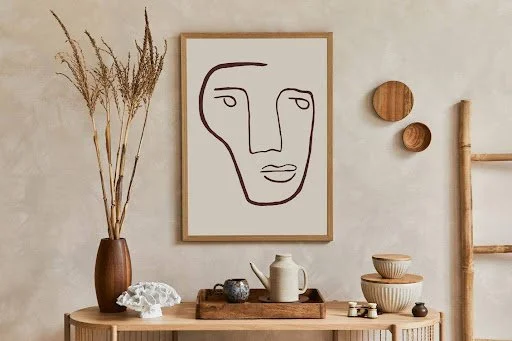
Texture plays a quiet but powerful role in home design. It affects how a space feels, even more than color in some cases. A room with varied textures can feel warm, balanced, and inviting. Without it, even well-decorated spaces may feel flat or unfinished. Using texture well does not require major changes. Small updates can create a noticeable shift in how a room looks and feels.
Texture plays a quiet but powerful role in home design. It affects how a space feels, even more than color in some cases. A room with varied textures can feel warm, balanced, and inviting. Without it, even well-decorated spaces may feel flat or unfinished. Using texture well does not require major changes. Small updates can create a noticeable shift in how a room looks and feels.
Mixing Materials for Visual Interest
One of the easiest ways to add texture is by mixing materials. Wood, metal, glass, and fabric each reflect light and feel different to the touch. Combining them creates contrast and depth.
For example, a wooden table paired with metal lighting or soft fabric chairs can make a space feel more dynamic. Smooth and rough surfaces work well together when balanced properly. Many residential interior designers use this approach to keep rooms visually engaging without adding clutter.
Soft Textures for Comfort
Soft textures make a home feel more comfortable. Items like rugs, throw blankets, and cushions add warmth and help soften hard surfaces. These elements are especially useful in living rooms and bedrooms.
Layering fabrics can also improve the overall feel of a space. A sofa with mixed pillows or a bed with different fabric layers creates a more inviting look.
Hard Surfaces and Structure
Hard textures provide structure and balance. Surfaces like stone, tile, and wood help ground a room and define its layout. These materials are often used in flooring, countertops, and walls.
Using a mix of finishes can add subtle variation. Matte and polished surfaces reflect light differently, which can change how a room appears throughout the day.
Adding Texture Through Decor
Decor items can introduce texture without large changes. Woven baskets, ceramic pieces, and wall hangings add detail and character. These elements can be updated easily as styles or preferences change.
Plants also contribute to texture. Leaves and natural shapes bring softness and movement into a space. They can break up rigid lines and add a fresh feel.
Texture is an essential part of creating a well-balanced home. By combining materials, layering fabrics, and adding simple decor, any space can feel more complete and inviting. Thoughtful use of texture helps turn a house into a comfortable and visually appealing home. Look over the infographic below for more information.


Home Design Continuity: Matching Style To Setting
A home’s design feels most authentic when it reflects its location. Whether overlooking an ocean, nestled into a mountainside, or standing in the heart of a city, thoughtful design choices create harmony between a home and its surroundings. This continuity can shape how a space feels, functions, and ages over time.
A home’s design feels most authentic when it reflects its location. Whether overlooking an ocean, nestled into a mountainside, or standing in the heart of a city, thoughtful design choices create harmony between a home and its surroundings. This continuity can shape how a space feels, functions, and ages over time.
Coastal Living and Light-Filled Spaces
Coastal homes benefit from light, airy interiors that mirror the openness of the ocean. Large windows maximize natural light, while color palettes inspired by sand, sky, and water create a calming effect. Natural materials such as rattan, driftwood, and linen reinforce the connection to the shoreline. Exterior choices matter as well. Durable siding and corrosion-resistant finishes stand up to salty air, ensuring the home remains both beautiful and practical.
Mountain Homes and Natural Warmth
Mountain settings call for a sense of warmth and grounded comfort. Wood, stone, and metal feature prominently, both for their durability and their ability to echo the landscape. Open floor plans with high ceilings can frame expansive views, while fireplaces and heavy textiles make interiors welcoming in colder months. Earth tones and natural finishes help the structure blend seamlessly into forested or rocky surroundings.
City Living and Modern Precision
Urban homes often benefit from sleek, efficient designs that reflect the pace and density of city life. Clean lines, minimal ornamentation, and multifunctional furniture create interiors that are practical yet stylish. Noise reduction is also an important consideration, making double-paned windows and strategic insulation essential. Outdoor spaces such as balconies or rooftop terraces offer relief from the density and can be designed as green escapes within the urban fabric.
Creating Cohesion Across Styles
Design continuity does not mean every feature must directly mimic the environment. Instead, it involves finding balance between personal taste and environmental cues. Professionals offering interior design services often begin by studying both the site and the client’s lifestyle, then layering in materials, colors, and features that suit both. The result is a home that feels grounded in its setting while still being highly personal.
A home that reflects its location achieves more than aesthetic appeal. It creates a sense of belonging, durability, and connection between people and place. By aligning design with environment, homeowners build spaces that feel natural, timeless, and true to their setting. Look over the infographic below to learn more.
