

A resource for those seeking information on organizing and transforming spaces.
How To Prevent Water Rings And Mold Under Planters
Potted plants are supposed to improve a space, not leave behind evidence. It’s enough to ruin a day when you lift up a plant and discover a water ring beneath the planter. Especially when you’ve bent over backward to prevent just that. And why and where is that mold coming from, anyway? It’s a mystery that needs to be solved.
Potted plants are supposed to improve a space, not leave behind evidence. It’s enough to ruin a day when you lift up a plant and discover a water ring beneath the planter. Especially when you’ve bent over backward to prevent just that. And why and where is that mold coming from, anyway? It’s a mystery that needs to be solved.
It’s not you. This problem is common, and it can happen both inside and outside of the house. Even a temporary display, like sympathy flowers placed near a front door or on a side table, can leave damage behind. The problem comes down to trapped water, and it has less to do with your watering technique than what happens afterward.
Why Water Collects Under Planters
Most planters are designed to drain. That’s helpful, but only if the water has somewhere to go. When a pot sits flat on a surface, drained water spreads out and stays there. Air cannot circulate. Moisture becomes persistent instead of temporary.
Many homeowners rely on saucers, assuming they offer protection. Sometimes they do. Often they make things worse. A saucer that stays wet holds water directly against the surface below it. Over time, finishes break down, stains deepen, and mold finds a cozy home.
How Pot Feet Solve a Common Problem
Pot feet are simple, which is exactly why they work. By lifting a planter slightly off the surface, they allow air to move underneath. That little bit of airflow is enough to encourage drying and reduces prolonged exposure to moisture.
You don’t even need much clearance. Even a small gap makes a huge difference. Water drains away from the base of the pot instead of spreading outward and sitting.
Pot feet work especially well on outdoor surfaces, where rain adds another layer of exposure. They also help indoors when paired with a proper saucer. Many designs are subtle enough that they disappear visually once the plant is in place.
Using Plant Stands for Added Protection
Plant stands offer a more comprehensive solution. Instead of slight elevation, they create full separation between planter and surface.
With a stand, airflow is constant. Cleaning becomes easier. Dust, moisture, and residue don’t get trapped in one hidden spot. If water drains out, it disperses rather than pooling.
Stands also reduce the temptation to overwater. When excess water is visible, people tend to adjust their habits. That small behavioral shift helps both the plant and the surface supporting it.
Choosing Saucers That Actually Help
Not all saucers are equal. Porous materials, like unglazed clay, absorb water and release it slowly. That moisture often transfers downward. Non-porous options behave differently.
Glazed ceramic, sealed metal, and dense composites hold water without absorbing it. When combined with elevation, they serve a clear purpose: the saucer catches runoff, airflow underneath allows evaporation, and the surface below stays dry more often than not.
Using a saucer without elevation rarely solves the problem. It simply changes where the water sits.
Placement and Watering Habits Matter More Than People Think
Even the best setup benefits from thoughtful placement. Planters pressed against walls dry slower because of less air circulation. Corners collect humidity. Shaded areas hold moisture longer than sunny ones.
Watering habits also play a role. Many homeowners water on a schedule rather than based on soil conditions. Most plants prefer soil that dries slightly between waterings, which reduces runoff and limits saturation underneath the pot.
Protecting Surfaces Comes Down to Air and Awareness
Water rings and mold aren’t signs you don’t have a green thumb. They’re just indicators of trapped moisture. When air can move, water leaves. Surfaces stay intact, and mold struggles to gain a foothold.
Pot feet, plant stands, and non-porous saucers work because they respect how water behaves. For homeowners who care about preserving their floors, patios, and furniture, preventing damage under planters is less about constant vigilance and more about setting things up correctly from the start.
AUTHOR BIO: Soha Fatma is the content and brand strategy writer for Top Florist, a floral delivery company known for creating thoughtfully curated arrangements for any occasion. It is based in The Woodlands, Texas. Soha specializes in content strategy and digital marketing, focusing on crafting editorial and SEO‑driven storytelling that amplifies the company’s brand voice, engages consumers, and drives business growth across digital platforms.

Green And Safe: Decorating Your Home With Pet-Friendly Plants
Decorating with houseplants brings life, color and a sense of tranquility to any living space. Pet owners face the challenge, however, of ensuring that their lush greenery is safe for their furry companions. Many common houseplants can be toxic to cats and dogs, causing everything from mild stomach upset to serious health issues. Fortunately, there are numerous aesthetically pleasing, non-toxic options available. By carefully selecting and placing pet-safe plants, homeowners can create a harmonious environment that nurtures both plant life and pet well-being.

Decorating with houseplants brings life, color and a sense of tranquility to any living space. Pet owners face the challenge, however, of ensuring that their lush greenery is safe for their furry companions. Many common houseplants can be toxic to cats and dogs, causing everything from mild stomach upset to serious health issues. Fortunately, there are numerous aesthetically pleasing, non-toxic options available. By carefully selecting and placing pet-safe plants, homeowners can create a harmonious environment that nurtures both plant life and pet well-being.
Benefits of Pet-Friendly Plants
Incorporating pet-friendly plants into your home offers multiple advantages:
Improved Air Quality: Many houseplants act as natural air purifiers, absorbing toxins and releasing oxygen.
Stress Reduction: Greenery is known to reduce stress and improve mood, benefiting both humans and pets.
Aesthetic Appeal: Plants add vibrancy, texture and warmth to interior spaces.
Natural Curiosity for Pets: Having safe plants around can engage a pet’s curiosity without the risk of harm.
Identifying Safe Plant Species
When selecting pet-friendly plants, it's crucial to choose varieties that are non-toxic to both cats and dogs. Here are some beautiful and safe options:
Parlor Palm (Chamaedorea elegans): A classic, elegant plant that thrives in low light and is completely safe for pets.
Areca Palm (Dypsis lutescens): Also known as the butterfly palm, this lush green plant adds tropical vibes to any space.
Calathea (Calathea spp.): Known for its stunning leaf patterns, calathea is pet-safe and adds a pop of color.
Boston Fern (Nephrolepis exaltata): This feathery fern brings softness to decor and is non-toxic to pets.
Spider Plant (Chlorophytum comosum): Easy to maintain and visually striking, spider plants are great for hanging baskets and are safe for pets.
Prayer Plant (Maranta leuconeura): A low-maintenance plant with intricate leaf designs that is completely pet-friendly.
Plants to Avoid
It’s equally important to know which plants can be dangerous for pets. Some common toxic houseplants include:
Peace Lily (Spathiphyllum spp.): Can cause irritation, vomiting and difficulty swallowing.
Snake Plant (Sansevieria spp.): Contains saponins that can cause nausea and vomiting.
Philodendron: May lead to oral irritation and swelling.
Aloe Vera: Beneficial for humans but toxic to pets if ingested.
Consult the ASPCA's plant database for detailed information about plant toxicity and seek urgent veterinary care if you are concerned your pet consumed anything dangerous.
Placement and Pet-Proofing Tips
To protect your pets and plants, consider these practical tips:
Elevated Planters: Use hanging baskets or high shelves to keep plants out of reach.
Secure Pots: Ensure that pots are stable and unlikely to be tipped over by curious pets.
Plant Barriers: Create physical barriers with decorative screens or use plant stands.
Designate Pet-Free Zones: Establish specific areas where pets are not allowed.
Engaging Pets With Safe Alternatives
Some pets naturally love to chew on greenery, so why not offer them safe options?
Cat Grass (Dactylis glomerata): A favorite for cats to nibble on.
Catnip (Nepeta cataria): Not only safe but also provides a playful experience for cats.
Pet-Friendly Herbs: Consider growing basil, parsley or mint for a multipurpose, pet-safe plant option.
Maintenance Tips for a Healthy Home Ecosystem
Maintaining a healthy balance between plants and pets requires regular care:
Check for Chewing: Regularly inspect plants for signs of chewing and relocate if needed.
Non-Toxic Fertilizers: Use pet-safe, organic fertilizers to avoid chemical exposure.
Clean Plant Areas: Keep the area around plants free of fallen leaves that pets might be tempted to eat.
Keep Your Home Pet Friendly and Plant Friendly
With thoughtful planning and mindful selection, pet owners can enjoy the beauty and benefits of indoor plants without compromising their furry companions' safety. By identifying safe plant species, strategically placing greenery and maintaining proper care, families can create a vibrant space where both plants and pets thrive harmoniously.
Author bio: Dr. Elaine Holmes is the Chief Medical Officer at Scout Veterinary Care. A Michigan native, Dr. Holmes graduated from Michigan State University in 2007. She furthered her education and completed advanced training at Texas A&M University and the University of Pennsylvania. Dr. Holmes became a board-certified surgeon in 2012 and serves as the Department Head at two hospitals and as the Medical Director of a multi-specialty and emergency hospital.

Transforming Your Home Into Your Sanctuary: The Role of Therapy Plants in Creating Peaceful Spaces
Discover how transforming your home with therapy plants can create a sanctuary for peace and joy.
This post was developed via a partnership with BetterHelp. The opinions in the post are honest. All reviews and opinions expressed in this post are based on our personal views. We are excited because we know you will love it.

Have you ever walked into a friend's house and immediately felt a sense of peace? You admired the comfortable feeling. The space felt cozy and inviting and it was a place you liked being in.
It’s a memorable experience.
Similarly, many of us scroll social media, admiring beautifully decorated homes. It starts as an entertaining pastime or a way to gain inspiration for our own home transformations. But eventually, we feel a pang of envy and discontentment with our living space.
Our homes are more than just places to eat and sleep. Our home is a reflection of who we are. Feeling safe, comfortable, and joyful in our homes can significantly enrich our mental and emotional lives.
If you’re feeling a little lackluster about your home, what can you do to turn things around? Furthermore, why should you bother?
Why Your Feelings About Your Home Matter
Creating a home that resonates with our personal style and brings us joy can improve our well-being. Studies have documented that things like clutter in a home can increase stress levels. This is just one way our environment can have a profound impact on our mood.
A cluttered or chaotic home can be both a causal factor and a symptom of mental health challenges. However, keeping a tidy home with possessions that reflect our identities can have beneficial effects.
The contents, but also the design of the home are important. When our space is functional, it's easier to keep clutter at bay. It's a breeze to display our possessions and satisfaction may increase. Everything has a place that feels right.
In this post, we'll explore the importance of transforming your home into a joyful, peaceful space. Whether renovating or redecorating, you'll find practical tips and strategies for improving your home.
We'll also explore the therapeutic benefits of incorporating nature into your home, and how living elements can affect your mood.
Renovating And Redecorating
There's more than one way to transform a home. Renovating is more involved, often requiring contractors and structural changes.
Redecorating can be a DIY endeavor, or happen with some professional help.
Each approach has its own benefits and considerations.
Renovating Your Home
You may choose to renovate if you need additional storage space or rooms. These more extensive home improvement projects can offer cosmetic changes too. New flooring can be functional and aesthetic, for instance.
Renovating can be costly and time-intensive, but it can also yield dramatic results. It may even improve the value of your property.
Redecorating Your Home
On the other hand, redecorating is mostly cosmetic. These projects focus on improving the look and feel of your living space. You can choose a new color scheme, update furniture, and add or remove decor.
Redecorating is more time-efficient and generally less expensive than renovating. This is particularly true if you do it yourself.
There are certain professionals who specialize in decluttering and organizing as well. These contractors can help homeowners get their possessions under control, which can improve the feel of ease and flow in a home.
Redecorating might not solve structural issues, but visual improvements can create a more inviting and harmonious atmosphere.
Creating Peaceful & Meditative Spaces
It can be pleasant to feel that your home is your sanctuary. When you enter, a sense of peace envelops you. When your home is inviting and calming, it's more than just functional.
It's a place to leave the stress of the day behind. It's a place for self-care. It promotes wellness practices like meditation and even mindfulness.
No matter what size your home is, you can deploy a few tips to make it peaceful.
Declutter
Spend a day decluttering or hire a specialist to help. Determine what items bring you pleasure or help you. It might be time to eliminate some outdated, broken items. Creating display spaces can organize keepsakes and help you appreciate them.
Improve Functionality
A trip to the home store for appropriate bins and baskets creates functional storage solutions. You might be surprised how much better you feel when your home feels fresh and open.
Functional furniture and storage options are so popular, you might fall in love with the aesthetics of your solutions too.
Freshen Up
A good spring cleaning can also help and you don't have to wait for spring! Find cleaning products with a fresh scent you enjoy and put on some music.
Cleaning floors and walls can brighten spaces. Don’t forget to consider freshening up carpet and upholstery as well.
Some people prefer to clean top to bottom while others enjoy setting time aside each day to do a little at a time.
Greenifying Your Home
In addition to decluttering, bringing elements of nature into your home may bring enjoyment. Some evidence suggests that the connection to the natural world creates increased mental well-being. So, why not bring some of the outdoors in?
Incorporating nature into your home may include using natural materials for surfaces and flooring. Wood, stone, and natural tile may be easy options.
Houseplants are another simple way to connect to nature inside your living space. They even have some tangible benefits.
NASA research supports findings that plants purify the air indoors. Although the benefit may be subtle, it can feel reassuring.
A Journal of Physiological Anthropology study reports that living with houseplants may reduce stress. Many people also find that having something to take care of or engaging in a pleasant routine feels good. Plants can be an easier solution than pets, as they require less care and time.
Low-maintenance plants like succulents, peace lilies, or snake plants are good choices for most people.
Therapy Plants
In fact, plants may even serve a role in therapy! Nature-based activities such as caring for therapy plants can improve psychological wellbeing. This type of treatment depends on the needs of the individual, but if it resonates with you, you may want to consider plants in your home.
Embracing Your Home's Potential
Your home has the potential to be more than just a place to live. Your home can be your sanctuary. Imagine stepping into a refuge from the hustle and bustle of a hectic life. As you enter your home at the end of the day, you can feel comfort surrounding you.
Enjoying peace at home may improve your well-being and mental health. By undertaking renovation or redecorating, you can leverage this potential.
Let your home inspire you!

How to Keep Your Grass and Plants Well-Hydrated: A Guide
Have you ever gone on vacation only to come back and find your lush lawn has turned into an unrecognizable ground of crisp straw? Don't worry as there are plenty of simple ways to keep your grass, flowers, fruits, vegetables—all your precious greenery—well-hydrated during those hot summer days.
Have you ever gone on vacation only to come back and find your lush lawn has turned into an unrecognizable ground of crisp straw? Don't worry as there are plenty of simple ways to keep your grass, flowers, fruits, vegetables—all your precious greenery—well-hydrated during those hot summer days.
Let's discuss practical tips that will help you understand better the importance of keeping your garden well-watered — and soon you’ll have a more beautiful garden with greener grass than ever before!
Consider investing in a sprinkler system
Depending on the size of your outdoor space, you may want to consider investing in a sprinkler system or a watering can. Sprinkler systems are a great option for large areas, as they can provide even coverage without requiring constant manual effort. If you don't know which sprinkler system is the right one for your garden, click here to know more about the different types of sprinklers available in the market. However, if you have a smaller garden or just a few potted plants, using a watering can might be a more practical and cost-effective option. When you put your needs first, you are sure that your outdoor plants will thrive all season long.
Understand your soil type
Different soil types have different water retention capacities. For instance, clay soil retains more water compared to sandy soil which drains quickly. Thereby, knowing the type of soil in your garden will guide you on how frequently you should water your plants and how much water is needed per watering session.
To identify your soil type, you can conduct a simple soil test. Grab a handful of soil, moisten it, and try to form a ball. If it forms a tight ball, it's high in clay. If it doesn't form a ball, it's sandy. If it forms a loose ball, it's loamy — a balanced mixture of sand, silt, and clay.
Apply mulch around your garden
As a gardener, you know how crucial moisture is for the health of your plants. But did you know that applying mulch around your garden can keep that much-needed moisture from evaporating too quickly?
Aside from retaining moisture, though, mulching aims to suppress weeds, regulate soil temperature, and improve soil quality over time. Even as a beginner, you can't go wrong with mulching your garden!
Water early in the morning or late at night
The ideal time to water your plants is early in the morning or late at night. During these cooler times of the day, the plants can absorb more water because they are not being rapidly evaporated by the sun's heat. With this in mind, you can be sure that the water reaches the roots rather than being lost to evaporation. This provides the plants with enough hydration to thrive throughout the day.
Watering during these times also prevents the formation of mildew or other plant diseases that can develop if the leaves remain wet for too long. Overall, this watering routine is more efficient and effective for the health of your plants.
Use a soil tester
A soil tester, also known as a soil pH meter, is an invaluable tool for any gardener. This device will provide you with accurate information about your soil's pH level, moisture content, and temperature. Knowing the pH level of your soil directly influences nutrient availability for your plants. For example, a soil pH that is too acidic or too alkaline can limit a plant's ability to absorb nutrients, even if those nutrients are abundant in the soil. On the other hand, understanding your soil's moisture content will help you determine when your plants need watering, preventing over-watering or under-watering. A soil tester will help you give your plants the optimal conditions they need to thrive.
Don’t let your plants become too dry
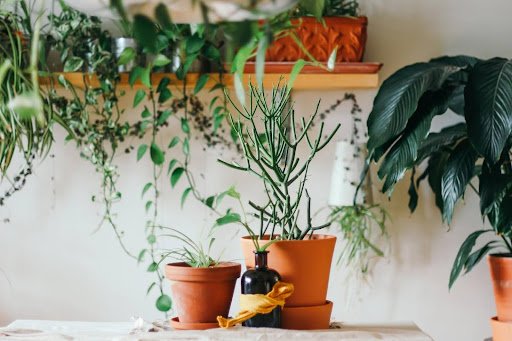
Plants are living creatures in need of water to survive, just like us humans and animals. Without proper hydration, they can quickly become droopy, brittle, and even discolored. To keep your plants healthy and thriving, give them regular waterings to prevent wilting and discoloration.
Outdoor plants require more frequent watering than indoor plants, especially during summer when the sun is scorching. Regularly check on your plants and make sure they are not becoming too dry. If you notice any signs of dehydration, give them a thorough watering to revive them.
Your garden is a reflection of the care and effort you put into it. Adequate watering, the right soil type, mulch, and the right timing for watering are all crucial elements in maintaining a lush, vibrant garden. With a bit of patience and dedication, you can cultivate a green space that is sure to enhance your home's curb appeal while providing a rewarding gardening experience.