

A resource for those seeking information on organizing and transforming spaces.
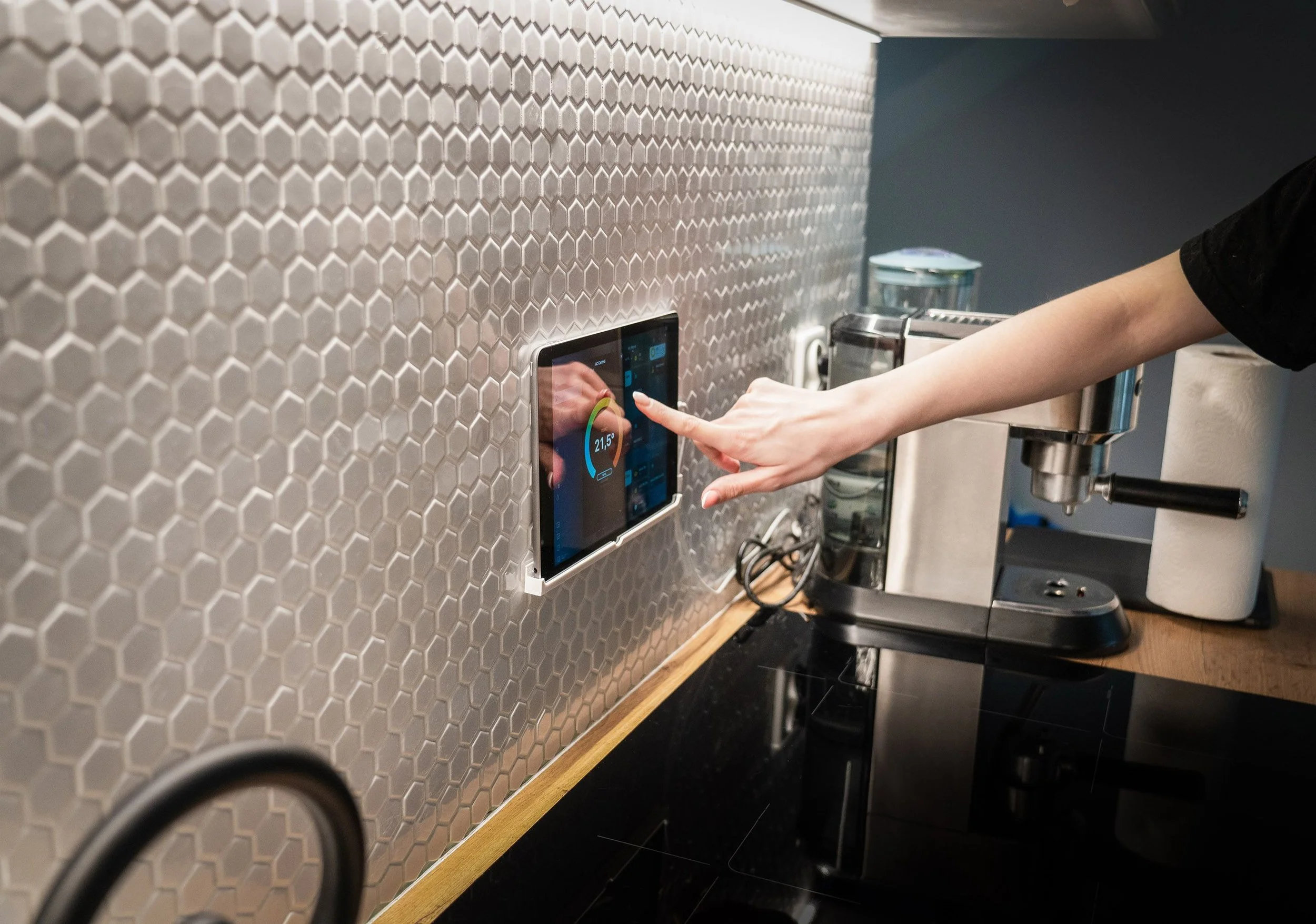
The Rise of Smart Homes: How Technology Is Transforming Living Spaces
Technology is shaping the way we live, and it’s also changing our standards, especially when it comes to convenience. Luckily for us, technology has the power to make our lives a whole lot more convenient, and we don’t seem to mind it. And when this convenience starts knocking on our doors, technology slowly begins transforming our living spaces, whether it’s for better or worse.
Technology is shaping the way we live, and it’s also changing our standards, especially when it comes to convenience. Luckily for us, technology has the power to make our lives a whole lot more convenient, and we don’t seem to mind it. And when this convenience starts knocking on our doors, technology slowly begins transforming our living spaces, whether it’s for better or worse.
Your Home Can Finally Learn Your Routine
There’s nothing more irritating than experiencing a sensory issue after a long day at work. You get home, it’s too hot, and you just don’t have the patience to wait for the room to cool down. But that can all be in the past, all thanks to technology. Devices such as the Google Nest Learning Thermostat can notice patterns in your day and learn when you're usually home. They can adjust temperatures without you constantly fiddling with settings.
You’re no longer filling the useful space with a range of different devices. Instead, you get this next-gen thermostat, answer a few questions, and let it settle into your habits. Over time, your heating and cooling become less wasteful. Not only are you saving space, but you’re also saving money.
Security Is Getting Smarter
Traditional locks only work after someone reaches your front door. Modern systems start paying attention long before that. An average modern doorbell lets you see who's outside, and it likely allows you to talk to visitors from almost anywhere. Some even feature motion alerts, so you get a notification before anyone presses the bell, or a remote door lock.
That changes everyday life in so many ways. For example, if your friend arrives early, you can unlock the door remotely, or if you’re waiting for a parcel, it’s safe to check who's outside without opening the door. The best part is that you don't have to hide spare keys under flowerpots anymore, and once you try it out, going back feels inconvenient.
Smart Features Are Starting to Influence Property Value
People aren't only buying homes for bigger kitchens. It’s not the nicer backyards they want anymore. At least these aren’t the only drivers. Connected technology is becoming part of the decision. When buyers compare neighbourhoods, whether they’re in Sydney or Brisbane, this is what they want to see.
Even when you examine individual neighbourhoods and look at the trends such as all the houses sold in Kedron in recent years, you can spot a pattern. Homes with thoughtful smart lighting and efficient climate control are more favourable. People also prefer homes with features such as reliable security systems, and integrated automation.
If you’re selling or trying to increase the value of your home, that doesn’t mean you should automatically buy anything you can get your hands on. Start with practical upgrades that save time and improve your comfort first. Then move on to options that reduce energy use. Build from there.
Lighting That Does More Than Brighten a Room
Lighting has become one of the biggest improvements inside smart homes. You see that in examples such as Philips Hue bulbs, which offer millions of colour options, as well as automation. Lights can slowly brighten in the morning and switch off when everyone leaves. With smart lights, you can create different scenes for reading, watching movies, or cooking.
Some even connect to your Wi-Fi. Individual bulbs can also be grouped into rooms and controlled with voice assistants. You stop thinking about light switches quite so much, as they become more like a decorative feature.
Tiny Sensors Are Running the House
The most useful smart devices are often the ones you barely notice, and once you install them, you will never want to let go of this convenience. Aqara Door and Window Sensors are great examples of that. They can detect when a door opens, or when someone enters a room. Their advanced models even go beyond simple motion detection by being able to recognise whether you're still in the room, even while sitting quietly reading or watching television.
If you don’t think that’s big, wait until you try it. Your lights don't suddenly turn off while you're relaxing, and automations become much more reliable. And it’s not about convenient relaxation. Add a water leak sensor under your washing machine or kitchen sink, and you'll receive an alert before a small leak turns into an expensive repair.
Conclusion
Technology will continue to shape and transform our living spaces. And while you don’t have to integrate these gadgets into your home, it’s clear that they offer benefits for those who want this elevated level of convenience that smart devices offer.

Designing Smart Storage for Your Dream Home in 2025
Anyone who’s tripped over a pile of shoes in the entryway or wrestled pots and pans out of a crowded cabinet knows that storage isn’t just about space—it’s about sanity. When you’re building a home from the ground up, those little frustrations are a chance to do things differently. Instead of squeezing daily life into a generic layout, you can design rooms that match the rhythm of your family, where backpacks have a landing zone, the pantry actually holds a week’s worth of groceries, and the garage isn’t a game of Tetris.
We partnered with a home improvement company for this post. The opinions in the post are honest. All reviews and opinions expressed in this post are based on our personal views. We are excited because we know you will love it.

Anyone who’s tripped over a pile of shoes in the entryway or wrestled pots and pans out of a crowded cabinet knows that storage isn’t just about space—it’s about sanity. When you’re building a home from the ground up, those little frustrations are a chance to do things differently. Instead of squeezing daily life into a generic layout, you can design rooms that match the rhythm of your family, where backpacks have a landing zone, the pantry actually holds a week’s worth of groceries, and the garage isn’t a game of Tetris.
It’s no surprise that more families are choosing custom homes. Recent data shows a steady rise in custom builds, reflecting a shift away from cookie-cutter layouts and toward designs that feel personal and practical. The goal isn’t just more closets—it’s smarter closets, pantries, and storage spots that make daily routines smoother and homes more enjoyable to live in.
So, how do you turn storage from a headache into one of your home’s biggest strengths? Let’s break it down
Identify What’s Not Working, Then Call in the Experts
Clutter shows up differently in every household. For some, it’s the jumble of pots and pans crammed into a corner cabinet. For others, it’s kids’ backpacks and sports gear scattered in the hallway, or an office corner that never seems to escape cable chaos. Taking note of these everyday stress points is an important first step. It gives you a roadmap for the kind of storage your new home really needs — whether that’s bigger closets, smarter shelving, or hidden compartments that free up space.
But spotting problems is only half the equation. Translating ideas into a safe, functional design calls for professional guidance.
Architects and designers can transform unused wall cavities or awkward corners into clever storage.
Contractors ensure that pantries, built-ins, and custom shelving don’t just look good but actually work with your home’s structure.
Working with an experienced builder like Andrew G Construction means having a partner who listens to your lifestyle needs and guides you through every stage, from permits to finishing touches. With the right team, your “must-haves” list turns into a cohesive home where storage blends seamlessly into the design.
Plan Room by Room
When building a home, storage isn’t just about closets and cabinets; it’s about making every room work smarter. Instead of treating it as an afterthought, weave storage into the design from the start. Here’s how different areas of your house can pull double duty:
Entryway and mudroom: The first line of defense against clutter. Built-in benches with drawers, hooks at kid-friendly height, and baskets for shoes keep daily chaos under control. Add a closet or cubby for seasonal gear.
Kitchen: The heart of the home works best when it’s clutter-free. Deep drawers for pots, slide-out spice racks, and a walk-in pantry prevent counter overload. Create zones for baking tools, coffee gear, and small appliances.
Living areas: Built-in shelves make room for books, toys, and family photos. An expert contractor can integrate custom shelves, window seats, or media units seamlessly into your design.
Garage and workshop: Use overhead racks, wall cabinets, and pegboards to keep bikes, sports gear, and tools organized. A dedicated workbench with drawers prevents hobby projects from creeping into living spaces.
Bedrooms and closets: Go beyond a bar-and-shelf setup. Add double-hanging rods, drawers, and adjustable shelving. In kids’ rooms, lower shelves and labeled bins encourage independence.
Bathrooms: Tall linen cabinets with pull-out drawers keep essentials tidy. If space allows, a separate water closet frees up the main area so multiple people can use it comfortably.
Consider Multipurpose Zones
Open‑concept living is trendy, but that doesn’t mean every space should be open. A homework nook under the stairs or a crafting table in the laundry room keeps projects contained. A guest room can double as an office if you add built‑in desks and Murphy beds. When square footage is precious, blending functions helps you avoid wasted corners.
Final Thoughts
Designing a home from scratch is one of the few chances you have to align your living space with the way you actually live. The increase in custom builds shows more people recognize the value of tailored solutions. By identifying your storage challenges early and working with experts who listen, you can create a home that reduces clutter and makes daily routines smoother. When the kitchen drawers glide effortlessly and every coat has a place, your future self will thank you.

Why Smart Homes Sell Faster in Today’s Market
Imagine walking into a home where the lights adjust to your presence, the thermostat learns your habits, and security is just a tap away. That kind of experience isn't just for tech lovers anymore it's what many buyers now expect.
We partnered with a real estate company for this post. The opinions in the post are honest. All reviews and opinions expressed in this post are based on our personal views. We are excited because we know you will love it.
Imagine walking into a home where the lights adjust to your presence, the thermostat learns your habits, and security is just a tap away. That kind of experience isn't just for tech lovers anymore it's what many buyers now expect.
With real estate trends leaning toward modern and energy-efficient upgrades, smart home features are no longer just a bonus; they’re becoming a must. Buyers want convenience, security, and savings all rolled into one, and smart technology checks every box.
So, if you're planning to sell your home, integrating or upgrading smart features might just make the difference between a quick sale and a property that lingers on the market.
Start With Smart Lighting; It’s More Than Just a Bulb
You'd be surprised how much lighting impacts a buyer's impression. Bright, energy-efficient, and automated lighting makes a home feel more inviting. Smart lighting systems allow for customized moods, voice controls, and scheduling that adapt to your daily life.
Replacing older, static lights with smart options like Philips Hue or LIFX can make any room feel upscale. Bonus? Many of these lights are energy-saving, which appeals to eco-conscious buyers. It’s an easy upgrade that packs a visual punch during home showings or virtual tours.
Security Upgrades That Instantly Impress
Let’s face it everyone wants to feel safe in their new home. Smart security systems are one of the first things prospective buyers look for, especially in urban areas or neighborhoods where safety is top-of-mind.
Installing features like smart doorbells (think Ring or Nest), motion-activated cameras, and app-controlled locks can give buyers peace of mind right from the front door. These upgrades show that your home is protected and cared for, which builds trust from the start.
Another plus? These systems are easy to transfer to new owners. A simple reset and they're ready to go.
Thermostats That Learn and Sell
A smart thermostat doesn’t just regulate temperature it shows buyers that the home is energy efficient and up-to-date with modern living.
Brands like Nest and Ecobee do more than adjust temps. They learn patterns, save energy, and provide monthly usage reports. Buyers can view how much they’re saving, which makes the home that much more appealing. This upgrade pays off in both comfort and cost.
If your home still has a manual thermostat, this is one of the easiest and most affordable smart changes to make before listing.
Garage Smarts That Go a Long Way
Garage doors might not be the first thing buyers ask about, but they notice them when they operate quietly, securely, and remotely.
Smart garage door openers can sync with your smartphone, alert you if it’s left open, and even allow remote access. This is especially handy for families, travelers, or anyone who gets that "Did I leave the garage open?" panic halfway to work.
A smart garage setup also signals that your home has been updated in ways others might overlook. It’s one of those behind-the-scenes features that adds subtle value.
Kitchen Upgrades That Wow Tech-Savvy Buyers
Kitchens are already known as one of the most important rooms when it comes to resale, so why not give yours a smart edge?
Consider smart faucets that turn on with motion, voice-controlled appliances, or even refrigerators that manage grocery lists and expiration dates. While not everyone needs a fridge that talks to their phone, high-tech kitchens often stand out in listing photos and tours.
Even small additions like a smart speaker display for recipes or a voice-activated coffee maker can show off your kitchen’s potential.
Smart Blinds & Shades That Add More Than Style
You might not think about your window coverings much, but buyers certainly do when they're automated.
Smart blinds can open and close on a schedule, adjust with the sun, or respond to voice commands. Besides the cool factor, they help regulate temperature and protect furniture from fading, which boosts your home's energy efficiency.
Automated shades also scream "luxury," without a luxury-level investment. Adding them to just a few rooms like the primary bedroom or living room can be enough to make a lasting impression.
Water Leak Detectors That Prevent Headaches
Nothing kills a deal like unexpected maintenance issues, especially related to water. But smart water leak detectors reassure buyers that they won’t be in for any unpleasant surprises.
These devices sit near sinks, water heaters, or washing machines and send alerts the moment they detect a leak. It's an overlooked feature that shows you're thinking ahead not just about the sale, but about the long-term well-being of the home.
If you’re already updating plumbing or appliances, this is a quick add-on that signals a proactive and well-maintained property.
Energy Monitoring That Shows Off Savings
More buyers than ever are prioritizing energy efficiency in their home searches, and smart energy monitors are a great way to highlight your home’s performance.
These systems provide real-time feedback on energy usage, help reduce waste, and often lead to lower utility bills. Think of it as the Fitbit of your house it tells you (and your potential buyers) how healthy and efficient your home is.
When potential owners can see clear, trackable savings, it’s much easier for them to justify a higher asking price.
Voice Control: More Than a Gimmick
“Hey Google, show the backyard camera.” Voice assistants have come a long way from setting timers. When integrated properly, they can control your entire smart ecosystem lighting, locks, climate, and entertainment.
Homes prepped with compatible smart speakers or displays show buyers how seamless life could be with just a few words. It makes your home feel future-ready, not just updated.
Even if you’re taking your voice devices with you, leaving behind the compatible ecosystem helps buyers see the potential.
Making the Most of Your Upgrades Before You Sell
Upgrading smart features can boost value, especially if you're thinking about selling your Houses For Cash Baltimore without the usual hassle. The key is focusing on the right improvements that blend convenience, efficiency, and visual appeal. Think about what today’s buyers care about most: security, savings, and simplicity.
You don’t need to turn your entire house into a Silicon Valley showroom. Even a few well-placed upgrades can tip the scales in your favor, making your listing stand out and increasing the likelihood of a quick sale.
So whether you’re going all-in or starting small, the right smart changes can elevate your home’s appeal and your selling price.
Quick Checklist: Smart Features Worth Considering
Here’s a handy breakdown to help you prioritize your updates:
Smart lighting systems
Video doorbells & smart locks
Smart thermostat (Nest, Ecobee)
Garage door automation
Kitchen smart tech (faucets, appliances)
Automated window shades
Leak detection sensors
Energy usage monitors
Voice control compatibility
Pick a few, stay within budget, and focus on buyer impact. Sometimes, it’s the simple upgrades that seal the deal.

Recent Trends in Centralized Home Automation
Centralized home automation systems have quickly become an essential component of modern households, offering convenience, efficiency, and enhanced security. In this blog post, we will explore some of the recent trends in centralized home automation that homeowners should be aware of to make informed decisions about integrating smart technology into their living spaces.

Centralized home automation systems have quickly become an essential component of modern households, offering convenience, efficiency, and enhanced security. In this blog post, we will explore some of the recent trends in centralized home automation that homeowners should be aware of to make informed decisions about integrating smart technology into their living spaces.
Energy Management Solutions
Another key trend in centralized home automation is the focus on energy management solutions. Homeowners are increasingly looking for ways to reduce their carbon footprint and lower energy bills through smart technology. Centralized systems now offer features like smart thermostats, energy-efficient lighting controls, and automated appliances that help optimize energy usage throughout the home.
Enhanced Security Features
Security is a top priority for homeowners, and centralized home automation systems, like those offered by companies such as Automated Lifestyles Hawaii, are continuously evolving to provide enhanced security features. From advanced surveillance cameras with live streaming capabilities to smart door locks that can be controlled remotely, these systems offer peace of mind by allowing homeowners to monitor and secure their homes from anywhere in the world.
Integration with IoT Devices
The Internet of Things (IoT) has revolutionized the way we interact with technology, and centralized home automation systems are no exception. Recent trends involve seamless integration with a wide range of IoT devices, such as smart TVs, wearable technology, and even kitchen appliances. This interconnected ecosystem allows homeowners to create personalized routines and automate tasks based on their preferences.
Voice Control Integration
One of the most significant trends in centralized home automation is the integration of voice control technology. With the rise of virtual assistants like Amazon Alexa and Google Assistant, homeowners can now control various devices and systems in their homes simply by using voice commands. This hands-free approach to home automation offers unparalleled convenience and accessibility for users of all ages.
Customization Options
One notable trend in centralized home automation is the emphasis on customization options. Homeowners can now tailor their smart systems to meet their specific needs and preferences, whether it's creating custom lighting scenes, setting up personalized voice commands, or scheduling automated routines. This level of customization ensures that the technology works harmoniously with the homeowner's lifestyle.
Remote Monitoring and Control
Centralized home automation systems now offer remote monitoring and control capabilities, allowing homeowners to stay connected to their homes at all times. Whether you're at work or on vacation, you can use your smartphone or tablet to check in on your home, adjust settings, and receive real-time alerts about any unusual activity. This remote access provides added convenience and security for busy homeowners.
In conclusion, centralized home automation systems continue to evolve and improve, offering homeowners a wide range of benefits and features. By staying informed about these recent trends in home automation, homeowners can make educated decisions about implementing smart technology in their living spaces. With voice control integration, energy management solutions, enhanced security features, IoT device integration, customization options, and remote monitoring capabilities, centralized home automation systems are shaping the future of modern living.