

A resource for those seeking information on organizing and transforming spaces.
What your storage unit says about your decision-making
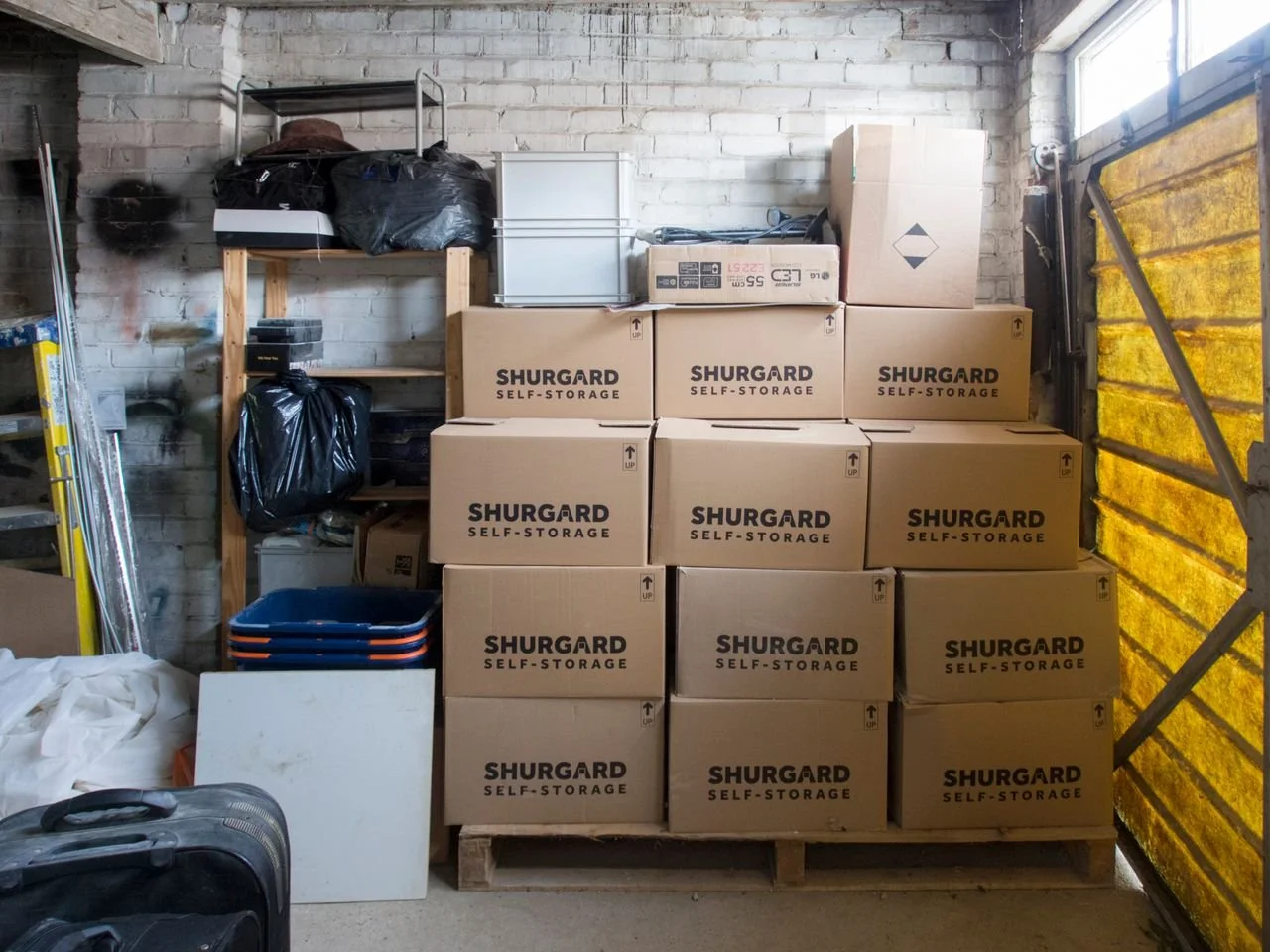
Storage units can be useful during many changes. You may need one while moving to a new home. It can also help during renovations or downsizing. Some people use storage during long trips. Others need extra space after a major family change. Some move often and need one to coordinate everything. Renting a unit does not mean you planned poorly. In many cases, it is simply a practical choice.
What can your storage unit reveal about your choices?
Storage units can be useful during many changes. You may need one while moving to a new home. It can also help during renovations or downsizing. Some people use storage during long trips. Others need extra space after a major family change. Some move often and need one to coordinate everything. Renting a unit does not mean you planned poorly. In many cases, it is simply a practical choice.
Still, the way you use that space may reveal certain habits. It can show how you respond to pressure or uncertainty. It may also highlight decisions you have postponed. Some people rent storage with a clear purpose and end date. Others keep paying because every box requires another choice. Understanding what your storage unit says about your decision-making can reveal useful patterns. The goal is not judgment. It is clarity.
Are you using storage to delay difficult decisions?
Sometimes, storage gives you valuable breathing room. That can help after a rushed move or sudden renovation. It may also help after a death, divorce, or family change. In those moments, you may need time before making permanent choices. There is nothing wrong with that.
However, temporary storage can become permanent without much notice. A few months can turn into several years. Meanwhile, the original reason for storing each item may disappear. Start with a simple question: Why did this item enter storage? Possible reasons include:
You lacked space at the time.
Your family could not agree about it.
You expected to move into a larger home.
Now ask whether that reason still applies. The answer may make your next step much clearer.
Does keeping everything protect you from future regret?
Many people keep belongings because they fear needing them later. A spare table might seem useful someday. Old clothes may feel worth saving. You may also worry about replacement costs. These concerns are understandable. However, possible usefulness is not the same as a realistic plan.
Ask when you last used the item. Then think about when you might use it again. “Next winter” gives you a clear timeline. “Someday” does not. Important items also deserve careful packing before storage. Use sturdy boxes, clear labels, and protective covers. These steps help keep everything safe and accessible.
You should also compare replacement costs with ongoing storage fees. Consider:
Monthly rent
Insurance
Transport
Packing supplies
Your time
Condition is another important factor. Stored items can suffer damage over time. Common risks include:
High temperatures that weaken some materials
Moisture that causes mold or warping
Pests that damage fabrics and boxes
In some cases, replacing an item later costs less.

Are emotional attachments affecting what you store?
Some belongings carry strong personal meaning. A dining table may remind you of a relative. Baby clothes may represent an important family stage. Awards or school papers can mark major achievements. These connections can make decisions feel much harder. Learning how to let go of sentimental clutter can make the process feel more manageable.
First, identify what the object represents. It may connect to:
A person
An event
A past identity
Then ask whether the item still supports that memory. You may not need every object connected with the same experience. Keeping one meaningful piece can sometimes feel more manageable.
You could photograph large items before letting them go. You might also write down the story behind them. These steps preserve the memory without keeping everything. Emotional attachment is normal. It should not be confused with hoarding disorder. That condition involves serious distress and ongoing difficulty discarding possessions. A full storage unit alone does not indicate it.
Does poor labeling make storage decisions harder?
Good decisions depend on knowing what you own. Unlabeled boxes hide useful information. You may forget what sits inside them. You may also lose track of where certain items are stored. As a result, you might buy duplicates or avoid the unit altogether.
A simple inventory can make the space easier to manage. For each container:
Add a number.
Record its main contents.
Include the storage date.
Set a future review date.
Add photographs when descriptions feel vague.
Next, organize your self-storage unit by category. Keep similar items in the same area, including:
Documents
Clothing
Tools
Seasonal decorations
Leave enough space to walk through the unit safely. Frequently used items belong near the entrance. Better visibility does not make decisions for you. However, it removes confusion and saves time.
Can too many choices make sorting more difficult?
A full storage unit can contain hundreds of small decisions. Every item needs some form of action. Having too many choices can feel exhausting during one long visit. After a while, your judgment may become slower. You may also start making choices simply to finish faster.
A smaller plan usually works better. Before entering the unit:
Choose one category.
Set a short time limit.
Prepare clear destinations for each item.
Arrange transport for outgoing belongings.
You might begin with old kitchen supplies. Unused clothing can also be an easier starting point. Thirty minutes may be enough for one focused session.
Some belongings may return to storage. Others may leave the unit. Without transport, outgoing items may end up back inside. Start with low-emotion categories. Save sentimental belongings for another day. Stop when your choices become less consistent.

Can clear storage rules improve your decisions?
Clear rules reduce repeated debates about the same items. Start by defining the unit’s purpose in one sentence. It may support:
An upcoming move
Seasonal equipment
Verified business stock
Once you define that purpose, compare every item against it.
Different categories need different rules:
Furniture should have a confirmed future location.
Valuable belongings need a realistic sales deadline.
Useful items without a clear purpose may be better elsewhere.
Damaged items need a safety review.
Electronics may require approved recycling services.
Sentimental belongings often need more time. Review them during a separate session. This prevents emotional choices from slowing every category. Your rules should also change when your life changes. Review them once each year. A new home, smaller budget, or growing family can affect what deserves storage. A thoughtful layout also matters because storage unit design can shape organization habits.
What should your next storage decision be?
Your storage unit may support a genuine and temporary need. It may also contain belongings that no longer fit your life. Start by reviewing the purpose of the space. Then look for old plans, forgotten purchases, duplicate items, and damaged goods. Unclear labels deserve attention too. Handle emotional belongings separately from ordinary household items. Work in short sessions and use clear rules. Compare each item’s usefulness with its ongoing cost. Understanding what your storage unit says about your decision-making can help you make calmer choices. Begin with one box or one category. Complete that decision before opening another. The goal is not always an empty unit. A well-managed space can still serve you. What matters most is whether the unit supports your current needs.
Meta descriptions: Learn what your storage unit says about your decision-making and create a clearer, calmer plan for what stays, moves, or leaves your space today, now.
How a Storage Shed Can Solve Your Home Organisation Problems
Struggling with clutter and limited storage space at home? Discover how a storage shed can transform your home organisation — from garage overflow to seasonal storage.

Here is a question worth sitting with for a moment: when did your garage stop being a garage and start being a dumping ground?
If you are honest about it, the answer for most households is — gradually, and then all at once. The camping gear that needed 'somewhere to go' after the last trip. The kids' bikes that outgrew the hallway. The boxes from the last house move that never quite got unpacked. The power tools that live on the laundry floor because there is nowhere else. Before long, a space that was supposed to be functional becomes a source of daily stress.
The good news is that this is one of the most solvable problems in home organisation. A dedicated storage shed gives everything that currently has no home a proper place to live, freeing up your indoor spaces for the purposes they were actually designed for. If you are not sure where to start, a solid decluttering checklist can help you decide what to keep — and what to finally let go. In this guide, we break down exactly how a storage shed solves the most common home organisation problems — and what to look for when choosing the right one for your property. According to self-storage industry research, millions of households rely on dedicated storage structures to manage household overflow effectively.
Why Home Organisation Feels Impossible Without Extra Storage
Most home organisation advice focuses on decluttering, sorting, and finding smarter ways to use the space you already have. And while those strategies are genuinely useful, they all share a fundamental limitation: they assume your home has enough storage capacity for everything you need to keep.
For many households, that assumption simply does not hold. Australian homes are increasingly accommodating more people, more gear, and more lifestyle equipment than they were originally designed for. A family of four with active outdoor interests — cycling, camping, gardening, sport — generates an enormous volume of equipment that needs somewhere to live. Indoor storage solutions can only stretch so far before the home starts feeling cramped and chaotic regardless of how well-organised the interior is.
This is the point where a dedicated outdoor storage shed stops being a luxury and starts being a practical necessity. It is not about having too much stuff — it is about having a home that has reached its natural storage limit and needing an intelligent overflow solution that works.
Limited Indoor Space
The average Australian home allocates a relatively small proportion of its floor area to dedicated storage. Cupboards, wardrobes, and pantries fill quickly — and once they are full, everything else tends to migrate to wherever it will fit: under beds, in hallways, stacked in corners of rooms. A storage shed moves the overflow outside, where it belongs, without sacrificing the liveability of your indoor spaces.
Seasonal Items Taking Over
Seasonal items are among the biggest contributors to household clutter — precisely because they are essential but only needed periodically. Christmas decorations, winter duvets, camping equipment, pool toys, and sports gear for different seasons all need somewhere to live during the months they are not in use. Without a dedicated storage space, they end up cycling through your living areas, creating ongoing disruption.
The Garage Overflow Problem
The garage is typically the first indoor space to fall victim to storage overflow — and once a garage becomes a storage room, vehicles go on the driveway, the driveway becomes cluttered, and the visual chaos extends to the exterior of the home. Reclaiming the garage starts with giving its current contents somewhere better to go.
What Is a Storage Shed and How Does It Help?
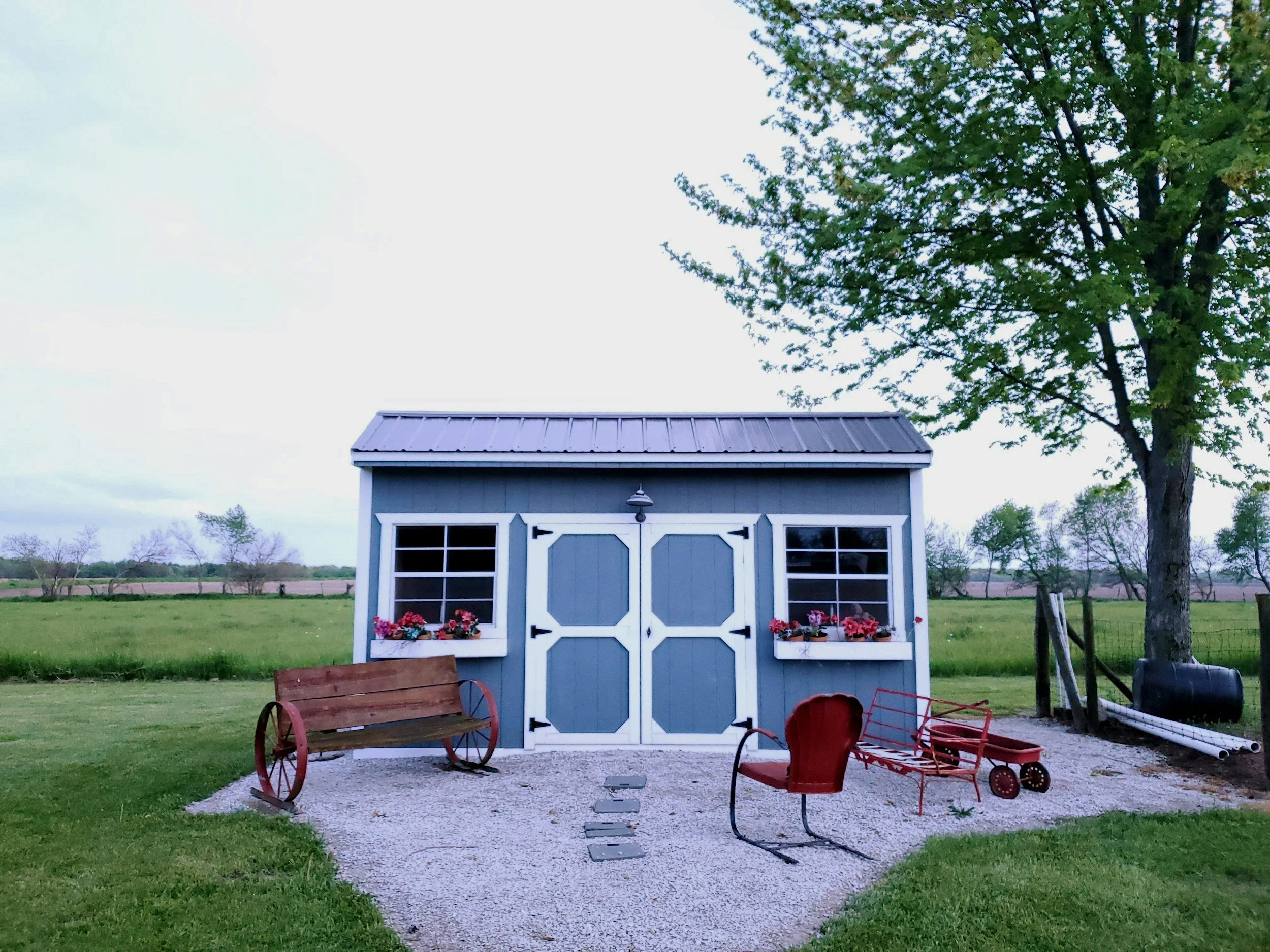
A storage shed is a dedicated outbuilding — separate from the main house — designed specifically to house items that need protection from the elements but do not need to be kept inside the home. Unlike a garage, which is primarily designed for vehicles, a storage shed is optimised for organisation: shelving, racking, hooks, and designated zones for different categories of items.
Storage sheds range from small garden boxes suitable for a few tools and pots, through to large workshop-style structures capable of housing a full workshop, extensive sporting equipment, and years' worth of household overflow. The right shed for your property depends on what you need to store, how frequently you need to access it, and how much space you have available in your outdoor area.
Types of Storage Sheds Available
Storage sheds are available in a range of materials and configurations to suit different needs and budgets. Steel sheds are the most popular choice for Australian homeowners due to their durability, weather resistance, and low maintenance requirements. Timber sheds offer a more traditional aesthetic and can be well-suited to gardens with a natural or cottage feel. Plastic or resin sheds are a lightweight, low-cost option suitable for storing lighter items in smaller quantities.
In terms of configuration, storage sheds are available as flat-pack kits for self-assembly, as custom-designed structures built to your specific dimensions and requirements, or as pre-fabricated units that are delivered and installed in a single visit.
Who Needs a Storage Shed?
The honest answer is: most households with an outdoor area would benefit from one. Specifically, a storage shed is particularly valuable for families with young children who accumulate outdoor play equipment rapidly, homeowners with active outdoor lifestyles involving camping, cycling, water sports, or gardening, properties where the garage is already used for vehicles and additional storage is needed, households that work from home and need to separate business inventory or equipment from living spaces, and anyone who has found that no matter how many times they reorganise the house, the clutter keeps coming back.
7 Home Organisation Problems a Storage Shed Solves
Let us get specific. Here are the seven most common household organisation problems that a well-chosen storage shed addresses directly and permanently.
1. Garage Clutter
This is the most universal storage shed motivation — and for good reason. When the garage becomes a storage room, the cascading effects touch every part of the home. Cars sit on the driveway or street, tools become inaccessible, and the garage itself becomes a source of frustration every time it is opened. Moving non-vehicle items to a dedicated storage shed immediately restores the garage to its intended purpose and creates a clean, accessible space for both vehicles and the tools that genuinely belong there.
2. Seasonal Items (Christmas, Camping, Sports Gear)
Seasonal items are perfect candidates for shed storage — they are bulky, used infrequently, and need protection from dust and moisture but not the climate control of an indoor space. Christmas trees and decorations, camping gear, winter bedding, pool inflatables, and seasonal sporting equipment all live comfortably in a properly organised shed, ready to be retrieved when needed and out of the way for the rest of the year.
3. Garden Tools and Equipment
Gardening equipment — from hand tools and pots to mowers, leaf blowers, and irrigation equipment — needs to be accessible but does not belong inside the house. A storage shed positioned near the garden provides the perfect solution: everything is at hand when you need it, protected from the elements when you do not, and completely out of the living areas of the home.
4. Kids' Outdoor Toys
Children's outdoor play equipment has a way of colonising every available outdoor space — and then migrating indoors when it rains. Bikes, scooters, trampolines, sandpit toys, sports equipment, and ride-on vehicles all need somewhere to live. A storage shed with a designated kids' zone keeps outdoor toys contained, accessible, and out of the driveway, lawn, and living areas. As children grow and their equipment changes, the shed simply adapts to new storage needs.
5. Workshop and Hobby Space
For homeowners who enjoy woodworking, mechanical projects, craft, or any hands-on hobby, the kitchen table or garage floor is rarely an adequate workspace. A storage shed provides a dedicated area where tools, materials, and works-in-progress can live permanently — without disrupting the rest of the household. With the right shelving, bench space, and power supply, a shed becomes a genuine workshop that supports creative and practical pursuits without encroaching on living areas.
6. Home Office Overflow
The rise of working from home has created a new category of household storage challenge: business inventory, packaging materials, equipment, and files that simply do not belong in a residential living environment. A storage shed provides a clean, dry, secure space for business overflow that keeps commercial items separate from the home environment — improving both the organisation of the workspace and the liveability of the home itself.
7. Business Inventory Storage
Small business owners who operate from home often face the challenge of storing product inventory, packaging, tools, or equipment without taking over the house. A secure, weatherproof storage shed provides a dedicated business storage solution that is physically separate from the home, accessible during working hours, and expandable as the business grows. It is a practical and cost-effective alternative to renting external storage space for small volume inventory.
What to Look for When Choosing a Storage Shed
Choosing the right storage shed involves more than picking a size and a colour. Getting the decision right the first time saves you from outgrowing or under-utilising your investment within a few years.
Size and Space Requirements
The most common storage shed mistake is buying too small. When planning your shed size, think not just about what you need to store today, but what is likely to accumulate over the next five to ten years. A shed that feels generously sized on day one will feel comfortable for years to come. A shed that is barely adequate from the start will feel cramped and frustrating within months. As a rough guide, add at least 20 percent to your initial size estimate to allow for future growth.
Material — Steel vs Timber
For most Australian homeowners, steel is the practical first choice for a storage shed. It is highly durable, resistant to termites and rot, requires minimal maintenance, and performs well in all weather conditions including high heat, heavy rainfall, and coastal environments. Timber sheds offer a warmer aesthetic that suits certain garden styles, but they require more ongoing maintenance — painting, sealing, and eventual timber replacement — particularly in humid or coastal climates.
Security Features
A storage shed that holds valuable tools, sporting equipment, or business inventory needs to be properly secured. Look for sheds with heavy-gauge steel construction that resists forced entry, robust locking mechanisms on all doors, concealed hinges that cannot be removed from the outside, and if needed, provision for an additional padlock or security hasp. For sheds storing high-value items, a sensor light or security camera covering the shed door adds an important additional layer of protection.
Council Approval Requirements
Before purchasing a storage shed, check your local council's requirements for outbuildings on residential properties. In most Australian jurisdictions, small storage sheds below a certain floor area and height can be installed without formal council approval. Larger structures may require a building permit. Your shed supplier should be able to advise on standard approval requirements for your area — and a reputable full-service shed builder will handle the approval process on your behalf.
Steel Storage Sheds – Why They Are the Best Choice
When it comes to storage sheds for Australian homes, steel is the standout choice — and the reasons become clear when you consider the practical demands of the Australian environment and the long-term cost of ownership.
If you are based in Queensland, reputable providers of storage sheds Brisbane design and build steel sheds specifically for local conditions — accounting for wind ratings, rainfall, UV exposure, and soil types that affect the way a structure performs over time. A properly engineered steel storage shed is not simply a box with a roof. It is a precision structure built to perform reliably in the specific conditions of your site for decades.
Durability
Steel sheds built with Colorbond or Zincalume steel are among the most durable structures available for residential use. They are not affected by termites — a critical consideration in many sAustralian regions — do not rot or warp in humid conditions and maintain their structural integrity under significant wind and load. A quality steel storage shed installed today should still be performing reliably 30 to 40 years from now with only basic maintenance.
Low Maintenance
Unlike timber structures that require regular painting, sealing, and eventual replacement of deteriorated components, a steel shed's maintenance demands are genuinely minimal. An annual inspection to check fixings, gutters, and door mechanisms, combined with an occasional hose-down to remove dirt and debris, is typically all that is required to keep a steel shed in excellent condition year after year.
Weather Resistance
Australian weather is genuinely demanding — from subtropical humidity and monsoonal rainfall in Queensland to extreme heat in the inland, coastal salt air in beachside areas, and high wind events across much of the country. Quality steel sheds are engineered with these conditions in mind, with appropriate wind ratings, sealed cladding joints, and corrosion-resistant coatings that maintain their integrity in the harshest Australian environments.
Value for Money
When you calculate the total cost of ownership over 20 to 30 years — factoring in installation cost, maintenance costs, and eventual replacement — a quality steel storage shed consistently delivers better value than timber or plastic alternatives. The higher upfront cost of a well-engineered steel shed is more than offset by its longer lifespan and lower ongoing maintenance demands.
How to Organise Your Storage Shed Effectively
A storage shed is only as useful as its organisation. A shed filled with randomly stacked items is barely better than no shed at all — it just moves the clutter outside. The goal is a shed where everything has a designated place and can be retrieved within seconds, not minutes.
Shelving and Racking
Heavy-duty shelving is the single most important investment you can make in your shed's organisation. Wall-mounted metal shelving units maximise vertical space, keep items off the floor, and allow you to see everything at a glance. For heavier items like toolboxes, paint tins, and power tool cases, ensure shelves are rated for the load you are placing on them. For lighter items and boxes, adjustable shelving gives you the flexibility to reconfigure as your storage needs change.
Labelling System
A consistent labelling system transforms a storage shed from a place where things go to a place where things can be found. Label every shelf section, every storage bin, and every box — clearly and consistently. For households with multiple family members using the shed, a colour-coded labelling system by category (garden, sport, camping, tools, seasonal) makes it intuitive for everyone to find what they need and return it to the right place.
Seasonal Rotation Tips
Organise your shed with seasonal rotation in mind. Items needed in summer — pool equipment, outdoor entertaining gear, gardening tools — should be at the front and at accessible heights during summer months. Winter items — heaters, heavy blankets, winter sports gear — move to the front in the cooler months. Seasonal swap-outs take less than an hour when the shed is well-organised, and they ensure you are never digging through the wrong season's equipment to find what you need.
FAQs – Storage Sheds for Home Organisation
Do I need council approval for a storage shed?
In most Australian states and territories, small storage sheds below a certain floor area and wall height can be installed without council approval. However, the specific thresholds vary by local council and state. As a general guide, sheds under 10 square metres are often exempt from approval requirements, while larger structures typically require a building permit. Always check with your local council or engage a shed supplier who can advise on local requirements before purchasing.
What size shed do I need?
The right size depends on what you plan to store and how your storage needs are likely to grow. As a starting point, a 3 x 3 metre shed suits a small collection of garden tools and seasonal items. A 3 x 6 metre shed accommodates garden equipment, camping gear, bikes, and moderate household overflow comfortably. A 6 x 6 metre or larger shed is appropriate for workshop use, extensive sporting equipment, or small business storage. When in doubt, go larger — you will not regret having more space.
How much does a storage shed cost?
Storage shed costs vary based on size, material, and whether the shed is a basic flat-pack kit or a custom-engineered structure. Basic steel flat-pack sheds start from approximately $500 to $1,500 for small garden shed sizes. Mid-range custom steel sheds in the 3 x 6 metre range typically cost $3,000 to $8,000 installed. Larger custom structures with additional features such as concrete floors, shelving, and security upgrades can range from $10,000 to $25,000 or more. Always obtain multiple quotes and compare what is included in each.
Steel vs timber — which is better?
For most Australian homeowners, steel is the better practical choice. It is more durable, termite-resistant, lower maintenance, and performs better in the full range of Australian climate conditions. Timber sheds offer a warmer, more traditional aesthetic that some homeowners prefer in certain garden styles — but they require more ongoing care. If appearance is the primary consideration and you are committed to the maintenance involved, timber can be a good choice for smaller, lower-use sheds. For anything intended for serious storage or long-term performance, steel is the recommended option.
Conclusion
Home organisation is not just about what is inside your house — it is about having the right infrastructure around your home to support the way your household actually lives. A storage shed is one of the most practical and high-impact investments a homeowner can make, precisely because it solves multiple organisation problems in one go.
It reclaims your garage. It gives seasonal items a proper home. It creates space for hobbies, projects, and business needs without encroaching on your living areas. And when it is well-organised internally, it works as an extension of your home's storage system rather than just an outdoor dumping ground.
The key is choosing the right shed for your needs — the right size, the right material, and the right level of internal organisation to make it genuinely functional from day one. Invest in that decision thoughtfully, and a storage shed will be one of the most satisfying additions you make to your property.
Tips for Constructing Your Own Storage Bench
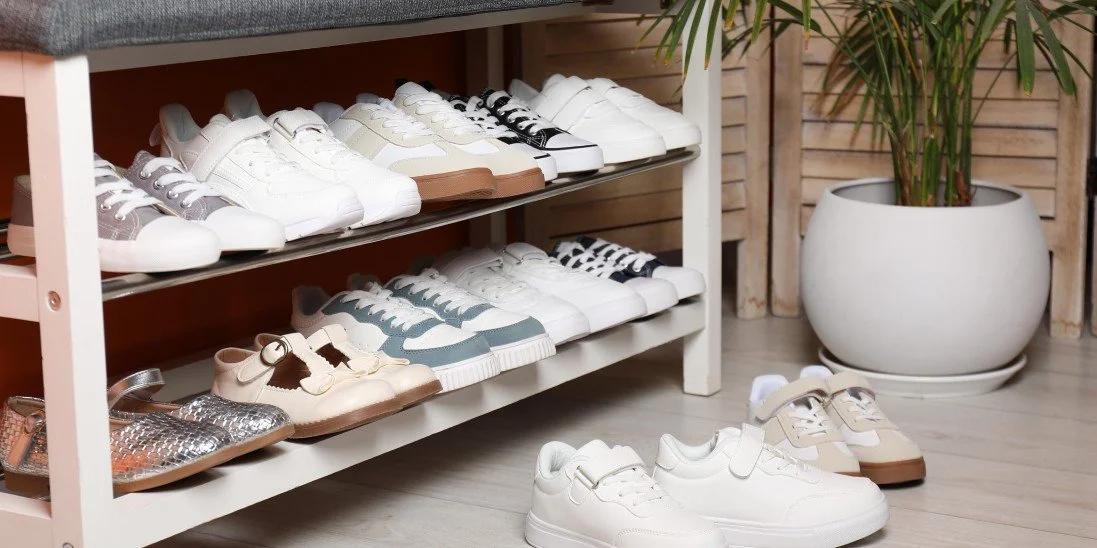
You can create a functional furniture piece that will help organize your home. Discover helpful tips for constructing your own storage bench.
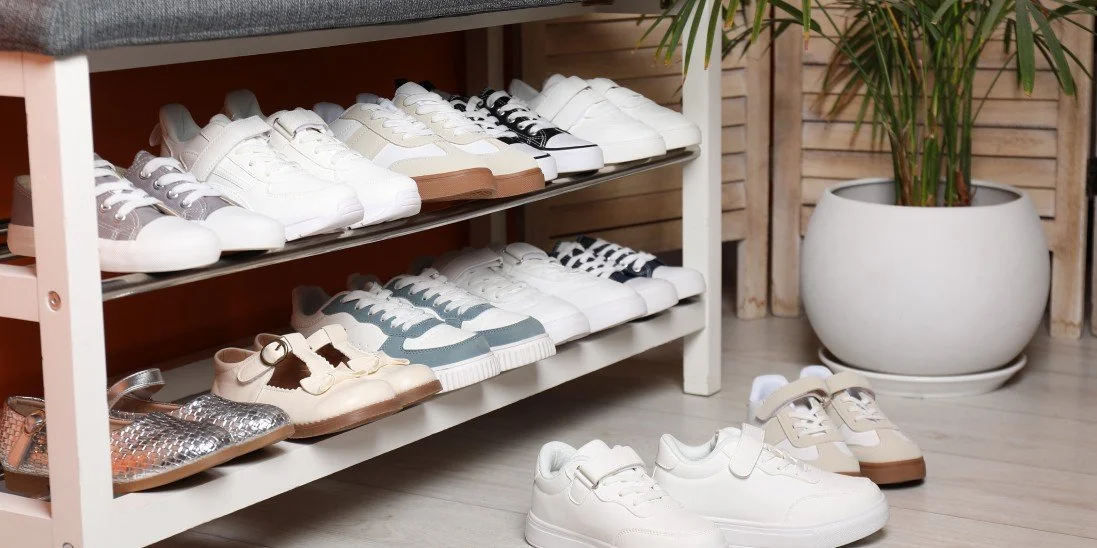
Adding functional furniture to your home can bring a sense of order and personal sense of accomplishment, especially when you build it yourself. A storage bench offers the perfect blend of seating and organization, making it an ideal project for a busy household.
Creating one is more straightforward than you might think, and it gives you a custom piece that fits your space perfectly. These tips for constructing your own storage bench will guide you through the process from start to finish.
Start with a Detailed Plan
A successful project begins long before you cut the first piece of wood. Take time to find or draw a detailed plan that includes a full list of materials and precise measurements.
Consider where the bench will go and what you plan to store inside it to determine the right dimensions. A clear plan removes guesswork, prevents costly mistakes, and lets you gather all your supplies before you begin, saving precious time.
Create Clear, Precise Pieces
People often say, “measure twice, cut once,” and this proverb is crucial for ensuring all your pieces fit together correctly. Rushing through measurements can lead to uneven joints and a wobbly final product.
Use a reliable tape measure and a square to mark your cut lines clearly. Taking a few extra seconds to double-check every measurement will save you from the frustration of recutting materials and help you achieve a professional-looking finish.
Prioritize Safety at Every Step
Your well-being is the most important part of any DIY project. Always wear safety glasses to protect your eyes from dust and debris, and consider wearing a dust mask when sanding.
When it comes time to assemble your project, use products like Bessey Kliklamps to secure pieces to your workbench when drilling or fastening them. Doing so will help enhance the quality of your work.
Assemble on a Level Surface
Another important tip for constructing your own storage bench is to assemble it on a flat surface. An uneven floor can throw off your entire assembly, causing doors or lids to hang crookedly and joints to misalign.
Use a level to check your work surface before you start. As you join pieces together, continuously check that your project remains square to ensure a sturdy, functional bench.
Finish with a Durable Sealant
The final step is to protect your hard work with a quality finish. A good sealant enhances the wood's natural beauty and protects it from scuffs, spills, and everyday wear.
Choose a durable polyurethane or varnish that can withstand the activity of a busy home. Applying two or three thin coats, with light sanding in between, will give your storage bench a smooth, long-lasting surface that looks great for years.
Building your own storage bench is a rewarding project that adds both style and function to your home. By following these simple tips, you can create a beautiful piece of furniture that will make you proud. Enjoy the process and the practical benefits of your new custom creation.

Exploring Life in Los Angeles – What Can You Expect?
Los Angeles is a city full of colour and life. There is a reason why all big names reside there. It sits between the mountains and the ocean, glowing under the warm California sun. People come here from all over the world. Some come to chase dreams. Others come just to feel the energy of this big, exciting place. Once you arrive, it is easy to see why so many people fall in love with it.
We partnered with a moving company for this post. The opinions in the post are honest. All reviews and opinions expressed in this post are based on our personal views. We are excited because we know you will love it.

Los Angeles is a city full of colour and life. There is a reason why all big names reside there. It sits between the mountains and the ocean, glowing under the warm California sun. People come here from all over the world. Some come to chase dreams. Others come just to feel the energy of this big, exciting place. Once you arrive, it is easy to see why so many people fall in love with it.
The City of Many Worlds
Los Angeles is like many small worlds inside one big city. Each part feels different. Downtown is tall and busy with shiny buildings and busy streets. Santa Monica feels soft and bright with the ocean breeze. Hollywood buzzes with lights and crowds. Then there are quiet areas like Pasadena or Silver Lake where life moves slowly. You can pick the mood you want each day.
Sunshine and Ocean Breeze
The weather in Los Angeles is gentle almost all year round. The sun shines most days. Winters are soft and mild. Summers are warm but not too hot near the ocean. In the evening, a cool breeze comes from the sea and makes the city feel calm. It is easy to see why so many people love living outside here.
Beaches That Feel Like Dreams
The beaches around Los Angeles are beautiful and peaceful. Santa Monica has a wide sandy shore and a fun pier with rides and food. Venice Beach feels colourful and full of art. Malibu is calm with soft waves and cliffs. Even just sitting on the sand and watching the ocean can make you feel happy inside. The sunsets here turn the sky orange and pink.
Mountains Right Next Door
If you like mountains, they are right there too. The Santa Monica Mountains stretch above the city. The trails are quiet and full of green trees and wildflowers. You can see the whole city from the top on clear days. Many people hike early in the morning and watch the sun rise. It is a peaceful way to start the day before the city gets busy.
Food From Everywhere
Los Angeles is full of food from every part of the world. You can eat tacos, sushi, ramen, pizza, or fresh salads in one day. There are food trucks on almost every street. There are small cafés where people sip coffee slowly. There are fancy restaurants where chefs make art on your plate. Whatever you like, you can find it here.
Art and Culture Around Every Corner
This city is rich with art and culture. There are museums, theatres, and music everywhere. The Getty Center stands high on a hill with art from all over the world. The Broad has bold modern art and bright walls. Street art blooms on buildings in every neighbourhood. Music floats from open windows and small bars at night. Art is part of daily life here.
A City Full of Stories
Los Angeles is known for movies, but there is more than that. It is full of real people with real stories. Some grew up here and know every street. Others came from far away and made new lives. The mix of cultures makes the city feel warm and open. Everyone brings a piece of their home here, and it shows in the food, music, and language you hear every day.
Getting Around the City
Los Angeles is big, so getting around can be tricky. Most people drive cars because the city is spread out. The traffic can be heavy during busy hours. Some areas have trains and buses, and they are slowly growing better. If you are moving here from far away, many people use local guides or sites like sosmovingla.net to learn how people shift homes across the city. It helps to know the neighbourhoods and how far things are from each other.
Fun Places to Visit
There are endless fun places to visit in Los Angeles. Disneyland is full of magic for kids and adults. Griffith Observatory gives you a wide view of the stars and the city lights. The Los Angeles Zoo is full of animals from around the world. Farmers markets pop up in different areas with fresh fruits and handmade things. There is something new to do every weekend.
Life Can Feel Fast
Life here can feel fast sometimes. People walk quickly and talk quickly. The streets are full of cars and flashing lights. It can be loud and busy, especially downtown. But it can also be calm if you choose the right spot. Sitting at a quiet café or on a beach at sunset can make you feel like the world slowed down again.
A Place to Dream Big
Los Angeles is full of people chasing dreams. Some want to be actors, singers, or artists. Others want to start new jobs or open small shops. The city has space for big ideas. It is a place where people come to try, even if it is hard. That spirit makes the air feel full of hope.
Finding Your Home Here
Finding a home in Los Angeles can take time. There are so many neighborhoods and styles of homes. Some people live in high-rise buildings with bright city views, while others choose small houses with gardens and fruit trees. If you’re preparing for a big move, consider using a trusted moving company in Los Angeles to help make the transition smoother. Knowing how far your work or school is can help you find the perfect location.
Meeting the People
The people of Los Angeles are as mixed as the city. Some are loud and full of energy. Some are quiet and kind. Many are friendly once you talk to them. You can hear many languages as you walk down one street. That mix of cultures is what makes the city so rich.
Taking It Slow
When you live here, it helps to slow down sometimes. Walk through a local market and talk to the shopkeepers. Sit in a park and watch children play. Visit a library and read quietly in the cool air. Slow moments help you breathe in such a big city. They remind you that life is not just about moving fast.
A City That Stays With You
Once you spend time here, Los Angeles stays in your heart. You will remember the sound of waves at night. You will remember the warm air and the smell of street food. You will remember the city lights glowing under the hills. It is not a perfect city, but it is full of life. It gives you stories to carry home.