

A resource for those seeking information on organizing and transforming spaces.

4 Must-Have Features That Make Modern Apartments Feel Like Home
Think about the last time you walked into a space that instantly felt “right.” Maybe it was the natural light, the thoughtful layout, or the way everything just worked. That’s what makes an apartment feel like home. For a fact, it is not just the walls and furniture but the details that support your routine and make daily living more comfortable.
We partnered with a home improvement company for this post. The opinions in the post are honest. All reviews and opinions expressed in this post are based on our personal views. We are excited because we know you will love it.
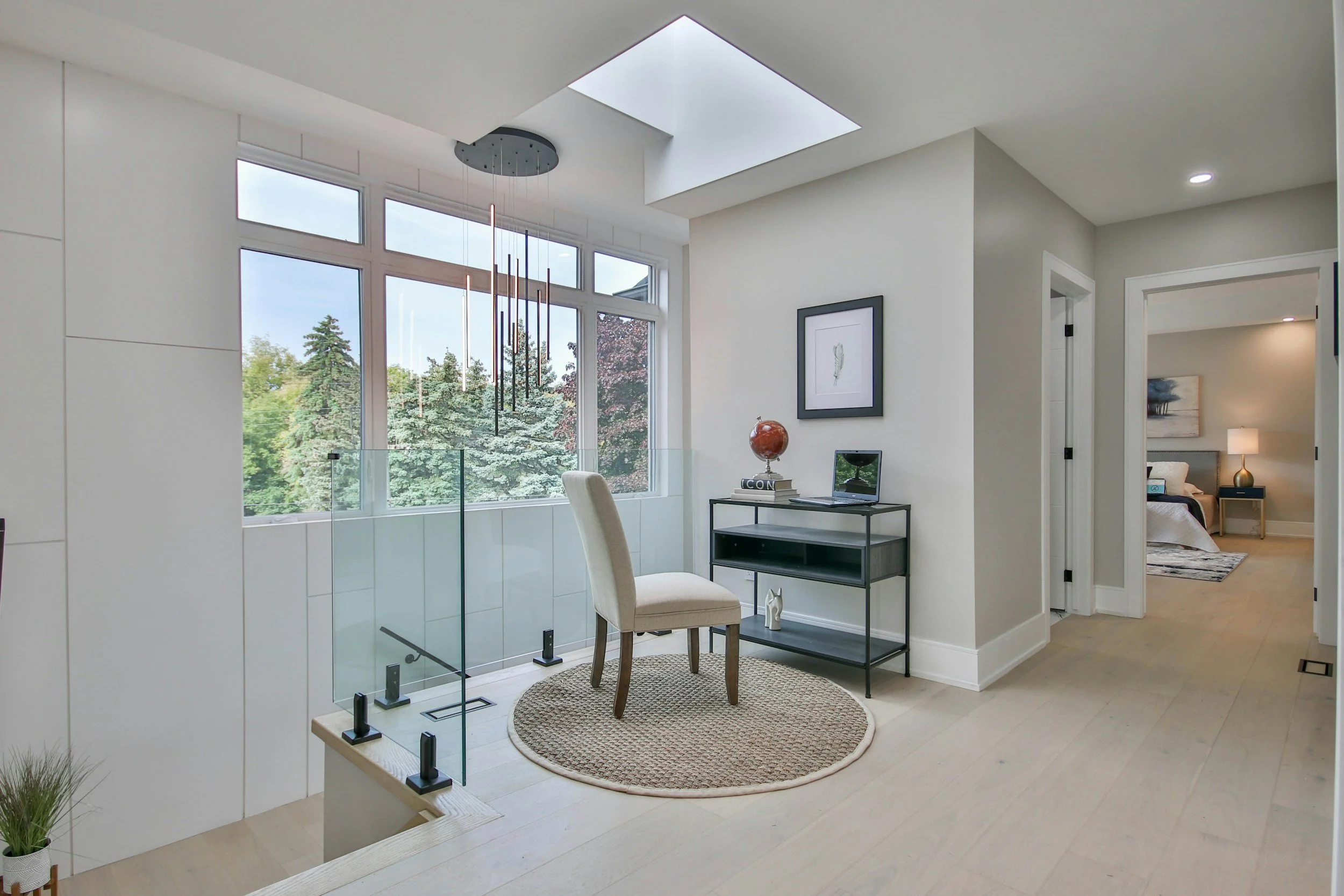
Think about the last time you walked into a space that instantly felt “right.” Maybe it was the natural light, the thoughtful layout, or the way everything just worked. That’s what makes an apartment feel like home. For a fact, it is not just the walls and furniture but the details that support your routine and make daily living more comfortable.
Well, modern apartments are being designed with this in mind, be it in Kissimmee or any other place. Their right features can transform a rental into a space that feels personal and welcoming. Having said that, here are four essentials that make the difference.
Dive into the article!
1. Floor Plans That Adapt to Real Life
The floor plan is more than just a blueprint. It dictates how you’ll live day to day. A poorly designed layout can make even a large apartment feel cramped. On the other hand, a well-planned one ensures every square foot is used efficiently.
Modern communities now offer a variety of layouts tailored to different lifestyles. For example, one-bedroom apartments may suit professionals who want cozy, manageable spaces. Two- or three-bedroom layouts are ideal for families or roommates.
Then there are carriage-style homes. They combine the privacy of a townhouse with the convenience of apartment living, often including private garages and two levels of living space.
Trusted communities like Solaris in Kissimmee showcase these kinds of thoughtful designs, giving residents flexible spaces that match their everyday routines. You can learn more about it on their page in detail, including what well-planned layouts look like, supporting different lifestyles. In fact, their blueprints make it easier to entertain friends, create a work-from-home corner, or simply enjoy the freedom of moving through a space that feels open and practical.
2. Kitchens That Combine Style and Practicality
The kitchen has evolved into a central hub of the home. It’s where family meals are made, late-night snacks are found, and friends gather during parties. For a fact, a well-designed kitchen not only looks appealing but also makes daily tasks easier.
Today’s modern kitchens often feature quartz countertops, which are durable, easy to clean, and resistant to scratches. Turns out, they are perfect for both amateur cooks and seasoned foodies. Stainless-steel appliances bring a sleek, contemporary touch while also offering reliability. Custom cabinetry provides plenty of storage so your counters stay uncluttered.
And in some layouts, large kitchen islands serve multiple roles:
Breakfast bar in the morning,
Workspace in the afternoon, and
Social gathering spot in the evening.
This balance of aesthetics and utility ensures your kitchen doesn’t just impress at first glance. Besides, it continues to deliver long after you’ve moved in.
3. Smart Features That Simplify Daily Living
Technology has become an essential part of modern life, and apartments are keeping up. Features like smart thermostats, keyless entry systems, and USB charging ports may seem like small details. However, they make a big difference in everyday convenience.
Imagine adjusting your thermostat from your phone before you leave work, so you arrive home to the perfect temperature. Or using keyless access so you never have to fumble with a ring of keys again. Built-in internet wiring ensures faster, more reliable connections for remote work or streaming. Even simple additions like USB outlets make it easier to stay connected without hunting for adapters.
These upgrades add comfort and save you time and energy. In a world where people are juggling work, family, and personal commitments, smart features provide a seamless way to keep everything under control.
4. Amenities That Nurture Wellness and Connection
An apartment community is more than the unit you live in. Simply put, it’s the environment around it. Modern apartments are increasingly focusing on wellness-driven amenities that encourage both activity and relaxation. For example:
A resort-style pool offers a space to unwind under the sun,
Fitness centers save residents time and money on gym memberships.
Walking trails provide a peaceful way to get fresh air, exercise, and clear your mind.
Pet-friendly features like dog parks make life easier for animal lovers while also creating opportunities to meet neighbors.
But amenities aren’t only about health — they also bring people together. Lounges, co-working spaces, coffee bars, and grilling stations create natural opportunities for interaction. Whether you’re working remotely and need a change of scenery, these shared spaces help build a sense of community that makes apartment living feel richer.
Extra Insight: Research consistently shows that people who have access to green spaces report lower stress levels and higher overall life satisfaction. Amenities like trails and landscaped outdoor areas don’t just look nice — they actively improve quality of life.
Conclusion to Draw!
Modern apartments are no longer just places to live. Rather, they’ve become environments designed to enhance every part of daily life. From floor plans that flow naturally to wellness amenities and a sense of community, these elements redefine what home means today.
When all these features come together, an apartment transforms from a temporary living space into a true sanctuary. In short, they become the one that supports your lifestyle and feels uniquely yours.

Living Alone: Key Apartment Factors To Consider For Comfort And Safety
Living alone offers a sense of freedom and independence, but it also comes with important decisions that can impact your comfort and security. Choosing the right apartment plays a significant role in shaping your living experience, and there are several factors to keep in mind before signing a lease.
Living alone offers a sense of freedom and independence, but it also comes with important decisions that can impact your comfort and security. Choosing the right apartment plays a significant role in shaping your living experience, and there are several factors to keep in mind before signing a lease.
Location and Accessibility
Where you choose to live can greatly influence your daily life. Proximity to work, grocery stores, and public transportation can make solo living more convenient. If you’re eyeing urban areas, consider how location affects cost. For instance, the average rent in downtown Chicago tends to reflect the demand for accessibility and amenities, often coming at a premium. Balancing location with affordability ensures you find an apartment that fits both your lifestyle and budget.
Safety and Security Features
Security is a top concern when living alone. Look for apartments with secure entry points, surveillance cameras, and well-lit parking areas. Features like deadbolts, peepholes, and intercom systems add another layer of protection. When touring a potential unit, pay attention to the neighborhood and ask about any safety measures in place to ensure peace of mind.
Size and Layout
Living alone means you can focus on creating a space that suits your needs. Studio and one-bedroom apartments are popular choices, offering manageable square footage without compromising comfort. Consider the layout—open floor plans can make smaller spaces feel more spacious, while defined rooms might provide a sense of separation between work and relaxation areas.
Utilities and Maintenance
Understanding what utilities are included in the rent can help manage monthly expenses. Apartments that cover water, gas, or internet can simplify budgeting. Additionally, check the landlord’s responsiveness to maintenance requests, as timely repairs are crucial when you’re the only one managing the space.
Community and Amenities
While living alone, having a sense of community can make a difference. Look for apartments that offer shared amenities such as lounges, fitness centers, or community events. These spaces provide opportunities to meet neighbors and create social connections, which can help reduce feelings of isolation.
Living alone can be an enriching experience when the right apartment is chosen. Focusing on safety, location, and amenities allows you to create a comfortable, secure environment that complements your lifestyle. Check out the infographic below to learn more.


Creative Organization Tips for Toronto Studio Apartments
Living in a Toronto studio apartment offers a unique opportunity to embrace minimalist, organized living. While the compact space may seem limiting, there are plenty of strategies to transform it into a highly functional and comfortable home. This article provides practical organization tips to help you maximize space and make the most of your Toronto studio apartment.
We partnered with a real estate company for this post. The opinions in the post are honest. All reviews and opinions expressed in this post are based on our personal views. We are excited because we know you will love it.

Living in a Toronto studio apartment offers a unique opportunity to embrace minimalist, organized living. While the compact space may seem limiting, there are plenty of strategies to transform it into a highly functional and comfortable home. This article provides practical organization tips to help you maximize space and make the most of your Toronto studio apartment.
1. Start with a Decluttering Session
The first step to organizing any small space is decluttering. Go through your belongings and sort them into categories: keep, donate, or discard. In a studio apartment, every item must earn its place. By minimizing clutter, you’ll open up more space and create a clean slate for effective organization.
Use the One-Year Rule: If you haven’t used an item in the last year, consider letting it go. This approach helps prioritize essentials over excess.
Donate Items: Items in good condition can be donated to local charities or community centers in Toronto, benefiting others while reducing clutter.
2. Utilize Multi-Functional Furniture
Multi-functional furniture is a game-changer in small spaces. Investing in pieces that serve multiple purposes can free up space and increase storage capacity.
Sofa Beds: A sofa bed provides seating during the day and converts into a bed at night, eliminating the need for separate pieces of furniture.
Storage Ottomans: These offer seating and can be used to store blankets, magazines, or other items.
Foldable Tables: A wall-mounted foldable table can serve as a dining or work surface when needed, then fold away to save space.
Foldable Chairs: A foldable chair can be tucked away neatly in a storage or utility room, perfect for those extra guests.
3. Maximize Vertical Space
When horizontal space is limited, make use of the vertical space to keep things organized:
Floating Shelves: Install floating shelves to store books, plants, and decor. These shelves free up floor space and create a tidy display.
Wall Hooks and Pegboards: Hooks are great for hanging coats, bags, or kitchen utensils, while pegboards can be used to organize items in the kitchen or workspace.
Tall Cabinets: Opt for taller storage cabinets that extend toward the ceiling. This approach not only adds storage but also draws the eye upward, making the space feel larger.
4. Incorporate Smart Storage Solutions
Efficient storage solutions can make a big difference in how organized your studio apartment feels:
Under-Bed Storage: Use storage bins or drawers under the bed to store seasonal clothing, shoes, or bedding.
Built-In Closets: Built-ins make efficient use of small spaces, keeping clutter hidden while maximizing storage.
Closet Organizers: Utilize closet organizers with sections for clothing, shoes, and accessories to keep everything tidy and easy to access.
For more tips on maximizing space and creating a functional living area, check out this comprehensive guide on Toronto studio apartments, which offers expert advice on stylish small-space living.
5. Create Designated Zones
Creating distinct zones in an open studio layout can help organize your activities more efficiently:
Living Area: Use a rug to define the living area, placing the sofa and coffee table within the designated zone.
Bedroom Space: Use a folding screen or curtain to separate the sleeping area from the rest of the space, providing privacy.
Dining or Work Zone: Set up a small table and chair in a corner for dining or working, clearly marking it as a functional space.
6. Incorporate Greenery
Adding indoor plants can bring life to your apartment and improve air quality. Compact plants like succulents, herbs, or small ferns fit well on windowsills or shelves, providing a natural touch without overwhelming the space.
Hanging Planters: Use hanging planters to add greenery without taking up valuable floor space.
Windowsill Gardens: Growing herbs or chili plants on the windowsill adds greenery and a functional touch to your kitchen area, not to mention the localized, pleasant aroma of such as mint or basil or oregano to name a few.
7. Personalize with Decor
Make your studio feel like home by adding personal touches:
Artwork and Photos: Use artwork, photos, or wall decals to personalize your space without taking up physical room.
Mirrors: Mirrors not only add decor but also reflect light, making the room appear larger and brighter.
With these incredibly smart organization strategies, you can transform your Toronto studio apartment into a cozy, functional, and stylish living space. By prioritizing multifunctional furniture, vertical storage, and decluttering, you’ll make the most of your compact space.

How to Set Up a Temporary Home Office in a Furnished Apartment
If you're temporarily living in a furnished apartment for work, travel, or personal reasons, you might find yourself needing a functional home office setup.
We partnered with a home design company for this post. The opinions in the post are honest. All reviews and opinions expressed in this post are based on our personal views. We are excited because we know you will love it.

If you're temporarily living in a furnished apartment for work, travel, or personal reasons, you might find yourself needing a functional home office setup.
Not to worry—setting up a productive workspace in a furnished apartment can be straightforward, even in a short-term rental! Whether you're staying for a few weeks or a few months, following a few smart strategies can help you create a comfortable, organized, and effective home office in no time.
At Compass Furnished Apartments, we’ve helped thousands of professionals set up temporary workspaces in our fully furnished apartments across Massachusetts, Connecticut, and New York.
As a trusted provider of short-term housing solutions, we know the unique challenges of working remotely while on the move. In this guide, we’ll walk you through the essentials to help you turn any furnished apartment into a home office that fits your needs.
1. Choose the Right Spot
The first step to setting up your home office is choosing the right location within the apartment. Many furnished apartments provide a variety of spaces that can be adapted to your needs. When selecting a spot, consider the following:
Natural Light: Look for a space near a window to take advantage of natural light. Studies show that exposure to daylight boosts productivity and improves mood.
Quiet Area: If possible, choose a room or corner away from distractions like the TV or kitchen. A quiet area can help you stay focused, especially if you’ll be taking calls or joining virtual meetings.
Comfort: Make sure the spot you choose is comfortable and easy to access. The last thing you want is to feel cramped or awkward while working.
Many furnished apartments already include spacious living rooms or even designated office nooks, which makes it easier to set up your workstation without disrupting the rest of your living space.
2. Maximize the Furniture You Have
One of the big advantages of staying in a furnished apartment is that most of the essentials are already there. Depending on the setup, you may have access to desks, chairs, and even shelving units. However, even if your apartment doesn't come with a dedicated office desk, you can get creative:
Repurpose a Dining Table or Kitchen Counter
If your apartment doesn’t have a desk, a dining table or kitchen island can double as a workspace. Just make sure it's the right height to avoid discomfort!
Comfortable Seating
If the provided chair isn’t ideal for long periods of sitting, consider swapping it out for something more ergonomic if you have the option. You can also use cushions to improve comfort and posture.
3. Set Up Your Tech
A temporary office isn’t complete without the right tech. Make sure you’re fully equipped to get the job done, even from a short-term rental. Here’s how:
Reliable Internet
Most furnished apartments should come with high-speed Wi-Fi. Double-check your connection as soon as you arrive to ensure it meets your work requirements. If the internet is slow or spotty, consider using a mobile hotspot or requesting an upgrade from the property manager.
Laptop and Accessories
If you’re working on a laptop, it’s worth investing in a few accessories to improve your workspace. A wireless mouse, keyboard, and laptop stand can make a big difference in comfort, especially if you’re working long hours.
Monitors and Screens
If you need extra screen space, look into portable monitors that can connect to your laptop. They’re lightweight, easy to set up, and can seriously help boost productivity.
4. Personalize Your Space
One of the challenges of working in a temporary space is feeling comfortable and productive, but adding a few personal touches can make a big difference. Here are some ideas to make your home office feel more like your own:
Lighting: While natural light is great during the day, you may need extra lighting for early mornings or late nights. Consider using a desk lamp or repositioning an existing lamp to brighten your workspace.
Plants and Décor: A small plant or framed photo can make your temporary office feel more welcoming. Most furnished apartments are designed to be neutral, so adding your personal touch helps bring the space to life.
Office Supplies: Bring along essential office supplies like notebooks, pens, sticky notes, and chargers. Having these items on hand can help you stay organized without needing to leave your apartment.
5. Keep Your Workspace Organized
When you’re working from a temporary home office, it’s easy to let things pile up. Staying organized is key to maintaining productivity and keeping your living space clutter-free. Here’s how:
Use Portable Organizers: If your apartment doesn’t have built-in storage, invest in portable organizers or trays to keep your papers, devices, and supplies in order. This also makes it easier to pack up your workspace if you need to move locations.
Declutter Regularly: Since you’re likely sharing your workspace with your living area, take a few minutes each day to clear off your desk or table. This will help you start fresh and stay productive.
Make Use of Cabinets or Closets: Many furnished apartments come with ample storage options. Use these spaces to tuck away items you don’t need on a daily basis.
6. Set Boundaries Between Work and Life
When you don’t have a separate room for work, it can be hard to maintain a healthy work-life balance. To help keep things separate, create boundaries between your work hours and personal time:
Stick to a Schedule: Set specific work hours and stick to them. This helps establish a routine and prevents burnout.
Take Breaks: Use your breaks to step away from your workspace and relax in other parts of the apartment. Whether it’s a quick walk around the block or making a cup of coffee, these small breaks are important for staying refreshed.
Pack Up at the End of the Day: At the end of your workday, tidy up your workspace and “close” your home office. This will help signal the end of your work time and transition to relaxation.
7. Enjoy the Flexibility of a Furnished Apartment
One of the greatest advantages of setting up a home office in a furnished apartment is the flexibility it offers. Whether you’re in town for a week or a few months, the convenience of having a ready-made living space means you can focus on what matters most—your work and personal life.
At Compass, we take pride in providing fully equipped and comfortable spaces that feel like home, even for short-term stays. Our locations across Massachusetts, Connecticut, and New York are perfect for both remote workers and business travelers, and we offer everything you need to set up a productive home office without the hassle.
For more tips on finding the perfect furnished apartment for your work or travel needs, visit Compass Furnished Apartments today.
With these steps, you’ll be able to work comfortably and efficiently from your furnished apartment, no matter how temporary your stay might be!